6 Best Tires for Electric Cars for 2026: Built for Real World Use
Tires For Electric Cars need more than low rolling resistance, and this article breaks down six that balance range, grip, comfort, and wear in daily use.


Tires For Electric Cars need more than low rolling resistance, and this article breaks down six that balance range, grip, comfort, and wear in daily use.
A Backup Generator Battery matters when the power drops, and this overview explains how to judge runtime, reliability, and fit so your setup stays ready.
Automotive Replacement Batteries can be confusing to shop for, but this article breaks down nine solid picks for 2026, with notes on fit, power, and everyday reliability.
Automotive Jump Packs are covered here with practical advice on power, safety, and size, so you can choose a unit that fits your car and routine.
Automotive Battery Warmers can help keep starting power steady in deep cold, and this piece explains how they work, what to check, and which details matter most.

A bad CV joint often starts with a sharp clicking or popping sound from one front wheel, especially whenever you turn tightly or park at full lock. You may also notice grease on the inside edge of the tire or wheel, which usually means the boot has torn. And should the problem move inward, you can feel shuddering, clunks, or vibration whenever you accelerate. The clues can be subtle at first, but they do not stay that way for long.

A car that grinds is like a warning bell with teeth, and you should not ignore it. Sometimes the sound starts only when you turn the key, other times it appears while you brake, steer, or accelerate. Each version points to a different problem, from worn starter parts to brake trouble or a failing bearing. Learn what the noise changes mean so you can spot the real cause before a small fix becomes a costly headache.

Whenever your transmission starts slipping, it usually means one part of the system cannot keep a gear locked under load. Low, old, or wrong fluid can reduce pressure quickly, while worn clutches, bands, or torque converter parts can no longer grip well. The problem can also come from a weak pump, clogged passages, or a bad solenoid sending the wrong signal. So before panic sets in, it helps to know which clue points to the real fault.
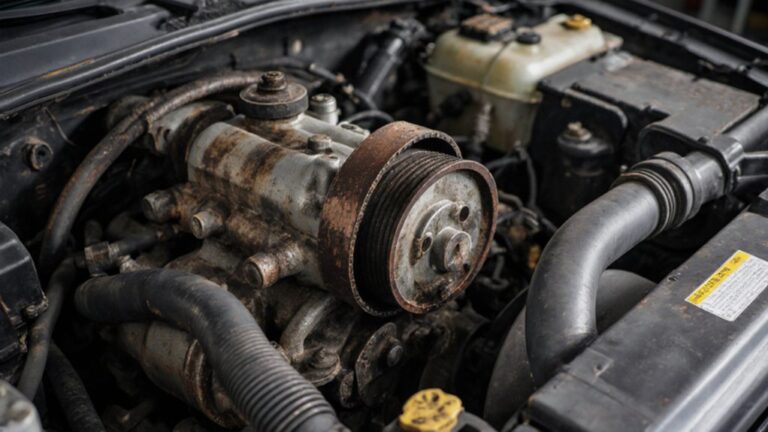
Whenever you turn the wheel and feel it fight back like it's stuck in cold syrup, something in your power steering system could be going wrong. A bad pump often shows up as whining, groaning or squealing as you steer, plus stiff response, jerky wheel movement, or assist that gets better only once the engine revs up. You could also spot low fluid, leaks, or foamy, dark fluid. And once you know what to look for, the next clues start to fit together fast.
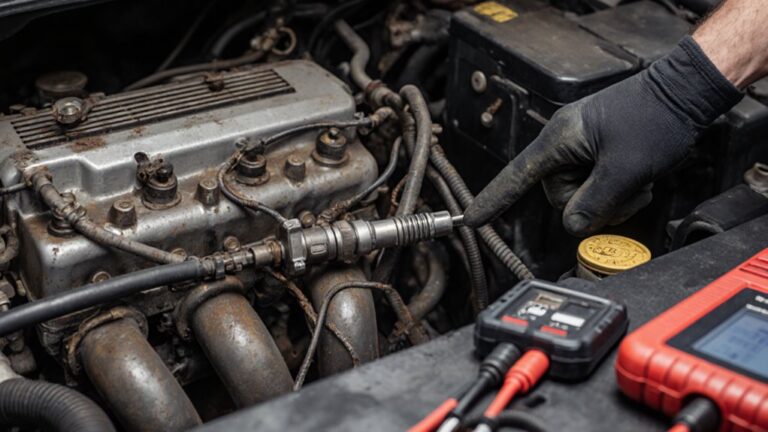
A weak crankshaft position sensor can make your engine act haunted for a second, then leave you stuck with a no start or a rough run. You might notice slow cranking, a brief start that dies, or a shaky idle that feels worse once the engine warms up. Sometimes the clues show up while you drive, with drops in RPM, poor throttle response, or sudden stumbles. The tricky part is that these signs can overlap, so the real cause may not be what you expect.