

Cold mornings can make a healthy battery feel half-awake, especially in trucks, commuter cars, and weekend vehicles that sit outside. The right warmer helps keep the battery closer to starting-ready temperature, so you’re not relying on a sluggish turn of the key before work or after a long overnight freeze. This roundup focuses on wrap, pad, and blanket styles, because each fits a different battery layout and a different kind of ownership routine. You’ll also see where a slim silicone pad makes more sense than a full wrap, and where a longer cover earns its keep.
Quick Look At The Shortlist

Zerostart 2800063 Electric Battery Blanket Heater Wrap 36-Inch

Kat’s 22100X 22100 60 Watt 28′ Battery Thermal Wrap
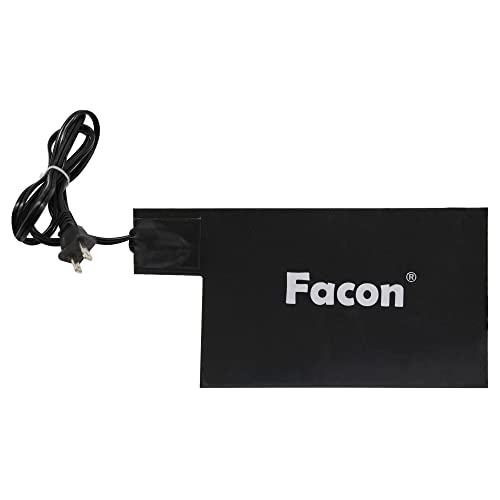
Facon 8-1/2” x 5-1/2” Silicone Battery Heater Pad

Kat’s 22400 60 Watt 5.5”x 8.5” Battery Pad Heater

Car Battery Insulation Blanket 59 x 7 in Self-Adhesive

GM Accessories 10952544 80-Watt Battery Blanket
Kat’s 22200 80 Watt 36′ Battery Thermal Wrap

ZEROSTART TEMRO Slm-Design Silicone Battery Pad Warmer
More Details On Our Top Picks
The longer 36-inch layout makes this one feel made for bigger battery setups, not cramped little trays. The blanket-style build also pairs well with vehicles that sit outside in real winter weather, especially when you want a straightforward wrap instead of a pad tucked under the case.
You get a 120-volt, 80-watt setup, so it belongs in a garage or driveway with access to standard household power. The trade-off is obvious: it’s less compact than a silicone pad, but that extra coverage can be useful for drivers who want a more enveloping fit around common battery sizes.
Strong Points
- Longer wrap suits larger battery cases.
- 80 watts gives it solid heating capacity.
- Thinsulate insulation helps the blanket hold warmth around the battery body.
- Oil- and battery-acid-resistant materials suit messy engine bays better than plain fabric covers.
- The included ground cord makes placement less awkward in a parking spot or garage.
Things To Consider
- It needs 120-volt AC power, so it’s not a roadside fix.
- The wrap format takes more room than a slim pad.
- Owners with very tight battery trays may find the blanket shape less tidy than the Facon pad.
Core Details
Who It Suits Best
You’ll get the most from this pick if your vehicle stays parked outside through colder months and you want a wider wrap for a fuller battery fit.
Where A Sibling Pick Shines
Facon’s 8-1/2” x 5-1/2” Silicone Battery Heater Pad suits tighter trays better, especially for compact battery boxes where a blanket feels bulky.
This wrap keeps the setup simple, which is exactly why it makes sense for routine winter driving. The 28-inch length sits in a middle ground between the larger Zerostart blanket and the more compact pad styles, so it feels easy to slot into many common vehicle batteries.
Its vinyl cover matters more than it sounds, since oil and acid resistance usually helps a warmer hold up better in a real engine bay. You may find it especially handy for everyday parking situations where you want something straightforward, not fussy, and easy to manage during installation.
What We Like
- 28-inch length suits a wide range of common battery sizes.
- Vinyl covering adds practical protection in dirty under-hood spaces.
- The wrap format is easier to understand than more specialized pad layouts.
- 60-watt output fits everyday cold-weather use without pushing into the heavier-output end of the group.
Worth Noting
- It still needs an outlet, so parked-home use is the real target.
- The vinyl shell helps with durability, but it can feel less premium than silicone-based pads.
- For larger battery boxes, the 36-inch Kat’s 22200X gives you more length to work with.
At A Glance
Built With In Mind
This suits drivers who want a plain, useful wrap for a vehicle that sees winter mornings without needing a lot of setup complexity.
Skip It When
The GM Accessories 10952544 blanket makes more sense for a GM vehicle owner who wants an accessory shaped around that brand’s fit and use pattern.
The slim pad format is where this one separates itself from the wrap-style picks above. It sits under the battery, so you’re not adding extra bulk around the sides, which helps in tighter battery trays or vehicles where space feels cramped.
The thermostat, meaning the built-in control that turns heat on and off as needed, gives this model a more hands-off feel than plain always-on warmers. In most garages, that kind of control suits owners who want a set-it-and-forget-it layout without a lot of visible clutter.
Highlights
- Under-battery placement works well in shallow battery boxes.
- Thermostatic control helps keep operation more measured.
- Silicone construction resists battery acid better than basic fabric wraps.
- The 8-1/2 by 5-1/2 inch footprint gives a tidy fit for many compact setups.
- The 72-inch cord adds easier reach to a nearby outlet.
Areas To Watch
- It’s a better fit for tray-style mounting than for loose, irregular battery spaces.
- The smaller pad footprint won’t suit every larger battery the way the Zerostart 36-inch blanket can.
- Because it sits under the battery, installation usually asks for a little more attention than a wrap.
Feature Card
Right Fit For
This is a smart match for you if your battery tray is tight and you want a cleaner under-battery installation than a wrap can usually offer.
Another Choice May Suit
Zerostart TEMRO Slm-Design Silicone Battery Pad Warmer fits better for anyone who wants a similar under-tray style from the same brand family with a very similar footprint.
Compared with the Facon pad, this Kat’s model leans a little more toward straightforward placement than extra control features. The 5.5 by 8.5 inch shape gives it a useful footprint for common car and truck batteries, especially in vehicles that need regular winter help rather than anything elaborate.
The silicone-covered build matters because engine bays aren’t gentle places, and a little resistance to oil and acid usually helps long-term ownership feel less fussy. You may appreciate that it’s meant to sit under the battery, which keeps the setup tidy and out of the way once installed.
Upsides
- The pad format fits neatly under many battery cases.
- Silicone covering adds durability in a messy under-hood space.
- 60 watts is a sensible middle ground for everyday cold starts.
- The dimensions work well for many cars and light trucks.
Minor Gripes
- It doesn’t bring thermostat control like the Facon pad.
- Owners with very large battery boxes may want the longer Zerostart 36-inch blanket instead.
- Under-battery placement can take a little more care during install than a simple wrap.
Details At A Glance
The Right Fit
This works well for drivers who want a no-nonsense pad warmer for a daily vehicle that sits through winter nights outdoors.
Look Elsewhere When
Facon 8-1/2” x 5-1/2” Silicone Battery Heater Pad fits better for a shopper who wants thermostat control and a slightly different size profile.
This one takes a different path from the electrically heated picks, because it reads more like an insulation layer than a traditional plug-in warmer. The long 59-inch by 7-inch format and self-adhesive backing point toward broad coverage, which can be useful in vehicles where you want the battery wrapped and shielded rather than heated by a power cord.
The thicker 5 mm material also stands apart from the thinner wraps above, so it may appeal to owners who care about physical barrier protection as much as temperature moderation. The honest read is that this style feels more specialized, but that same focus can be useful for people who want a battery wrap with a tougher, more substantial feel.
Best Bits
- The 59-inch length gives generous coverage around larger battery areas.
- Self-adhesive backing simplifies placement.
- The 5 mm thickness offers a more substantial barrier than thinner wrap materials.
- Heat-resistant construction suits a harsh under-hood environment.
- Its insulation-first approach can complement a warmer rather than replace one.
Softer Spots
- It’s not a plug-in heater, so the role is different from the Zerostart and Kat’s electrical wraps.
- The adhesive style may need careful positioning on first install.
- That thicker build can feel bulkier than a low-profile silicone pad.
Quick Facts
Whose Shelf It Belongs On
This belongs with you if you want an insulation-focused layer and prefer a long wrap that stays put without much fuss after installation.
Swap It Out When
GM Accessories 10952544 80-Watt Standard Outlet Plug-In Wrap Around Battery Blanket is a better match for GM vehicle owners who want an electrically heated blanket instead of insulation-only coverage.
This GM-branded blanket makes the most sense in a vehicle-specific garage setup, especially for owners who prefer accessories that sit neatly inside a familiar brand ecosystem. The 80-watt output puts it near the stronger end of this group, and that matters on mornings when cold soak has been sitting on the battery overnight.
Compared with the Kat’s 60-watt wrap, this one leans harder into heating capacity rather than lighter-duty convenience. That said, the brand-specific angle means it fits best for GM drivers who want a straightforward plug-in blanket rather than a more universal pad layout.
Reasons To Buy
- 80-watt output gives it strong heating potential for winter parking.
- The wrap-around format suits batteries that benefit from fuller coverage.
- Brand-specific fit can feel reassuring for GM vehicle owners.
- The simple plug-in approach keeps setup familiar.
Points To Note
- It makes less sense for non-GM vehicles than some of the more universal picks.
- The blanket format takes more room than the Facon silicone pad.
- For a longer wrap, Kat’s 22200 80 Watt 36′ Battery Thermal Wrap gives you more length.
Technical Sheet
Made For
This is a sensible match for GM owners who want a plug-in blanket that feels aligned with the vehicle, not just a generic battery add-on.
A Better Fit Elsewhere
Zerostart 2800063 Electric Battery Blanket Heater Wrap 36-Inch is a broader fit for shoppers who want a more universal, longer blanket for mixed vehicle use.
The 36-inch length gives this Kat’s wrap a broader footprint than the 28-inch sibling above, so it’s better suited to larger batteries or setups where you want more coverage along the case. The 80-watt rating also nudges it toward heavier winter use, especially in vehicles that spend long stretches parked outside.
Vinyl covering helps keep the outside surface more resilient in a space where oil and acid exposure are common, and that kind of material choice matters more than it sounds after a few seasons of ownership. You may find it a solid match for trucks or larger cars that need a warmer with a little more reach and a little more output.
Bright Spots
- 36-inch length gives fuller coverage than the shorter Kat’s 22100X.
- 80 watts provides stronger heating capacity for cold-weather parking.
- Vinyl covering helps the wrap hold up in a rougher under-hood environment.
- The layout is straightforward for drivers who want a wrap rather than a pad.
Small Caveats
- The larger size takes more room than the Facon or Kat’s pad-style options.
- It still depends on AC power, so it’s meant for home parking or garage use.
- For a slimmer under-tray fit, Zerostart TEMRO Slm-Design Silicone Battery Pad Warmer is the neater route.
Feature Rundown
Best Suited To
This works well for you if your vehicle has a larger battery bay and you want more wrap coverage without moving to a pad under the tray.
Reach For A Different Pick When
Facon 8-1/2” x 5-1/2” Silicone Battery Heater Pad suits tighter spaces better, especially where you want the warmer tucked beneath the battery instead of wrapped around it.
This pad keeps the footprint modest, which is exactly the point when battery boxes leave little spare room. It slips under the battery and uses a slim silicone design, so it feels cleaner and less intrusive than a full wrap when the tray already runs tight.
The fit warning matters here, though, because this model is not meant for lithium-ion batteries, nickel-cadmium batteries, ABS battery cases, or insulated battery boxes. That makes it a more specific tool than the broader Zerostart blanket above, but for the right vehicle it can be a neat, space-saving answer.
Positives
- The slim shape works well in cramped battery trays.
- Silicone material helps resist battery acid exposure.
- Its 5-1/2 by 8-1/2 inch size is easy to place under many batteries.
- The under-tray layout keeps the install visually tidy.
Room For Improvement
- It should be skipped for lithium-ion and nickel-cadmium batteries.
- ABS cases and insulated battery boxes are also off the table.
- Owners with roomier trays may prefer the broader Zerostart 2800063 blanket instead.
Core Details
Made With In Mind
This suits drivers with a standard tray-style battery setup who want a low-profile warmer that stays out of the way.
Where Another Pick Suits Better
Zerostart 2800063 Electric Battery Blanket Heater Wrap 36-Inch is the stronger fit for a shopper who wants a larger wrap and fewer compatibility cautions.
How To Choose The Right Automotive Battery Warmers
Match The Format To The Battery Bay
Wraps, blankets, and pads solve the same cold-start problem in different ways. A wrap like the Zerostart 2800063 or Kat’s 22200X covers the battery body from the outside, while a pad such as the Facon or Zerostart TEMRO model sits beneath the battery tray.
That difference matters in real garages because space is never the same from vehicle to vehicle. Narrow trays favor low-profile pads, while larger batteries often suit a blanket with more surface coverage.
Check Power And Connection Needs
These warmers depend on household-style AC power, so outlet access matters more than many shoppers expect. A 120-volt unit fits a home garage or driveway setup, but a cord that’s too short can make placement awkward.
Longer cords help reduce that annoyance, especially in a parking spot where the outlet sits farther from the vehicle. The trade-off is simple, a longer lead can make placement easier, but it also adds another piece to manage in storage.
Think About Material And Durability
Silicone and vinyl show up for a reason. Silicone usually gives a lower-profile, flexible feel, while vinyl-covered wraps tend to handle oil and battery-acid exposure better than plain fabric-style materials.
For vehicles that live outdoors, that surface choice can affect how tidy the warmer looks after a season or two. It also changes maintenance, since smoother materials are usually easier to wipe clean after under-hood grime builds up.
Choose The Size For Your Battery And Use Pattern
Longer wraps suit larger batteries and trucks that sit through colder nights. Shorter pads make more sense for compact battery boxes, especially when you want the warmer tucked out of sight.
Frequency matters too. Daily drivers benefit from a simple, easy-install option, while a weekend vehicle can get by with a more specific setup as long as it matches the battery layout.
What To Weigh Before You Decide
Common Shopping Slip Ups
One common mistake is choosing the format before checking the battery tray. A wrap sounds flexible, but a pad can fit better in a tight bay, and the wrong shape can make installation feel awkward.
Another miss is overlooking compatibility notes. The Zerostart TEMRO pad, for example, should not be used with certain battery chemistries or enclosed battery boxes, so the fit check matters before anything else.
The Upgrade Payoff
Higher-tier options usually cost more because of coverage, materials, and convenience features. A thermostatically controlled silicone pad, for example, adds more control than a plain wrap, and that can be worth it for cold climates with repeated freeze-thaw mornings.
Stronger output can also justify the step up. An 80-watt blanket often makes more sense for larger batteries or vehicles that sit outside, while a 60-watt model suits lighter use and smaller setups just fine.
Final Thoughts
The right warmer depends less on brand hype and more on how your battery is mounted, how cold your mornings get, and whether you want a wrap, blanket, or under-tray pad. Zerostart and Kat’s cover the broadest range of simple plug-in choices, while Facon and ZEROSTART TEMRO make the most sense for tighter battery boxes. For GM owners, the GM Accessories blanket has a clear fit, and the insulation blanket is the most specialized pick in the group. Match the shape to the tray, and you’ll end up with a setup that feels easy to live with all winter.
