

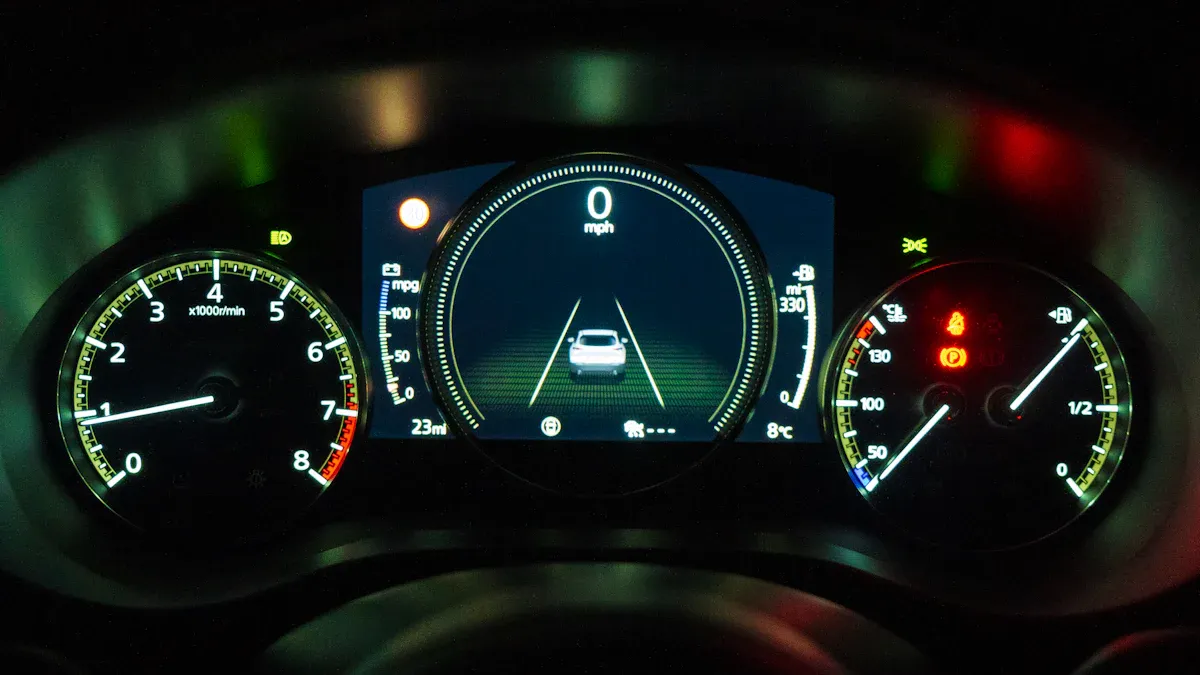
Understanding what DTE means in your car is essential for effective fuel management. DTE, or Distance to Empty, provides you with an estimate of how far you can drive before running out of fuel. This information helps you plan your trips better and avoid unexpected stops at gas stations. By keeping an eye on your DTE, you can enhance your driving efficiency and ensure a smoother journey.
Key Takeaways
DTE stands for Distance to Empty, indicating how far you can drive before needing fuel.
Monitor your DTE regularly to avoid running out of gas unexpectedly.
Driving habits, like smooth acceleration and maintaining tire pressure, can improve your DTE.
Plan your trips and refuel before your tank drops below a quarter to ensure a smooth journey.
Understand that DTE readings are estimates and can change based on driving conditions and habits.
What Does DTE Mean?
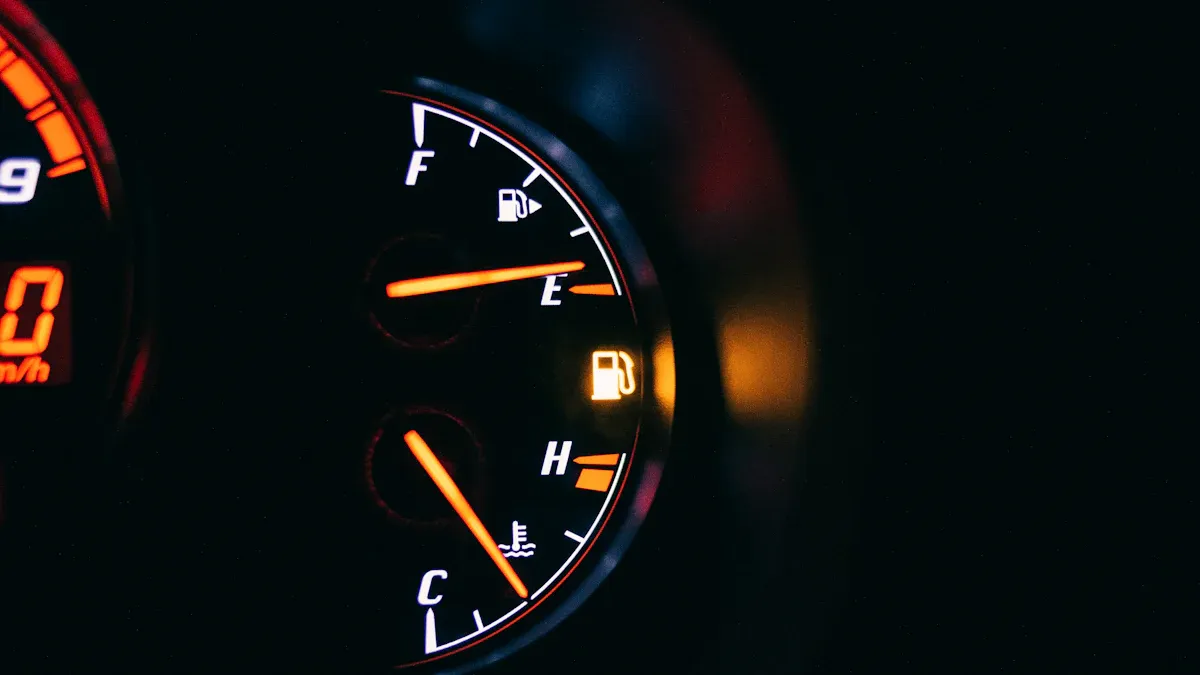
Definition of DTE
DTE stands for “Distance to Empty.” It refers to the estimated distance your vehicle can travel before running out of fuel. This estimate is not fixed; it can change based on various factors, including your driving habits and current fuel consumption. DTE calculations consider the amount of fuel in your tank and your vehicle’s average fuel economy. For example, if you drive more aggressively or encounter hilly terrain, your DTE may decrease more quickly than expected.
Importance for Drivers
Understanding what DTE means is crucial for effective trip planning. Here are some reasons why DTE is significant for drivers:
DTE indicates how many miles you can travel before needing fuel.
It helps you plan fuel stops during long trips.
DTE prompts you to refuel in advance, reducing the risk of running out of gas unexpectedly.
Most modern vehicles display DTE on the dashboard, typically in either miles or kilometers. This feature has been standard in cars manufactured since 2000. You can easily find it alongside other important information, such as speed and fuel gauge readings.
In recent years, advancements in automotive technology have improved DTE accuracy. For instance, machine learning algorithms now analyze your driving style and adjust DTE predictions accordingly. This means that the DTE reading you see is more tailored to your specific driving habits, making it a more reliable tool for managing fuel.
Advancement Type | Description |
|---|---|
Machine Learning | Utilizes past, present, and future vehicle data to enhance DTE accuracy by adapting to driving styles. |
Real-time Adaptation | Adjusts DTE predictions based on individual driving styles and environmental conditions. |
Calibration of Efficiency Values | Uses extensive data collection to improve accuracy, though averages may limit individual predictions. |
Improved Algorithms | New algorithms require minimal data and can classify driving styles for better predictions. |
By keeping an eye on your DTE, you can make informed decisions about when to refuel, ensuring a smoother and more efficient driving experience.
Calculating Distance to Empty
Factors Influencing DTE
Several factors can influence your DTE readings. Understanding these factors helps you manage your fuel more effectively. Here are some key elements that affect DTE calculations:
Fuel Level: The most obvious factor is the amount of fuel in your tank. As you drive and consume fuel, your DTE decreases.
Driving Conditions: Weather and road conditions can impact your fuel efficiency. For example, driving uphill or in heavy traffic can lower your DTE.
Vehicle Load: Carrying extra weight in your car can affect fuel consumption. More weight means your engine works harder, which can reduce your estimated distance.
Tire Pressure: Under-inflated tires can increase rolling resistance, leading to higher fuel consumption and a lower DTE.
External Factors: Temperature and terrain also play significant roles. For instance, cold weather can increase fuel consumption, while hilly terrain can affect energy expenditure.
Here’s a table summarizing how some external factors influence DTE accuracy:
External Factor | Influence on DTE Accuracy |
|---|---|
Temperature | Affects metabolic rate and energy expenditure, varying with latitude, season, and elevation. |
Terrain Slope | Impacts estimates of energy expenditure, which is crucial for DTE accuracy. |
Role of Driving Habits
Your driving habits significantly impact your DTE. How you drive can either extend or shorten the estimated distance you can travel. Here are some driving habits to consider:
Acceleration and Braking: Rapid acceleration and hard braking can waste fuel. Smooth driving helps maintain a better DTE.
Speed: Driving at high speeds often leads to increased fuel consumption. Staying within speed limits can improve your DTE.
Use of Air Conditioning: Running the air conditioning can increase fuel usage. If possible, use it sparingly to help maintain a higher DTE.
Frequent Short Trips: Short trips can prevent your engine from reaching optimal operating temperature, leading to higher fuel consumption and a lower DTE.
By being mindful of these factors and habits, you can better manage your DTE and make informed decisions about when to refuel. This knowledge empowers you to maximize your vehicle’s efficiency and avoid running out of fuel unexpectedly.
Accuracy of DTE Readings
Common Accuracy Issues
DTE readings can sometimes mislead you. Several factors affect their accuracy. Here are some common issues you might encounter:
Fuel Gauge Reliability: Many drivers believe that the fuel gauge is entirely reliable, but it can be misleading. The gauge may not always reflect the true fuel level.
Driving Conditions: Changes in weather or road conditions can impact your DTE. For example, driving uphill can lead to a quicker drop in your distance to empty reading.
Vehicle Performance: If your vehicle has mechanical issues, it may consume more fuel than expected. This can result in a lower DTE than what you see on your dashboard.
Misconceptions About DTE
You may have heard various myths about DTE readings. Here are some common misconceptions:
Running Low on Fuel: There is a myth that running low on fuel is always harmful to modern vehicles. While it can be inconvenient, most vehicles can handle occasional low fuel levels without damage.
Driving on Empty: Many drivers think they can drive indefinitely after the fuel light comes on. This varies by vehicle, and you should not rely on this assumption.
Distance to Empty Reading: Some believe that the DTE reading is a precise measure of how far you can go. In reality, it is an estimate that can change based on your driving habits and conditions.
Manufacturers test DTE systems to ensure accuracy before releasing vehicles. They conduct real driving tests on public roads to analyze fuel efficiency. Additionally, they use chassis dynamometer tests to compare predictive energy management strategies. This helps confirm reductions in fuel consumption.
Validation Stage | Description |
|---|---|
Real Driving Tests | Conducted on public roads to analyze the robustness of the predictive energy management strategy (EMS) and assess fuel efficiency gains. |
Chassis Dynamometer Tests | Reproduces a selected real driving cycle to directly compare the predictive EMS with a nonpredictive EMS, confirming a 6.4% reduction in fuel consumption. |
Understanding these accuracy issues and misconceptions can help you make better decisions about your fuel management. Always pay attention to your fuel indicator light and plan your refueling accordingly.
Fuel Management Tips
Monitoring DTE Effectively
To avoid running out of fuel unexpectedly, you should monitor your DTE regularly. Here are some practical tips:
Check your DTE frequently: Make it a habit to glance at your DTE reading whenever you drive. This helps you stay aware of your fuel status.
Avoid letting your fuel level drop below ¼ tank: Keeping your tank above this level ensures you have enough fuel for unexpected detours.
Refuel as soon as the low-fuel warning light comes on: This light is a clear signal that you need to find a gas station soon.
Strategies for Efficiency
Improving your fuel efficiency can help you get the most out of every gallon. Here are some effective strategies:
Plan ahead: Combine errands into one trip. This reduces the number of times you need to refuel.
Avoid driving during peak traffic times: Less stop-and-go traffic means better fuel economy.
Use the most fuel-efficient vehicle available: If you have options, choose a car that maximizes fuel efficiency.
Avoid hard acceleration: Smooth acceleration helps improve your fuel economy.
Keep tires inflated to the recommended pressure: Properly inflated tires reduce rolling resistance and improve fuel efficiency.
Remove unnecessary items from the vehicle: Extra weight can decrease your DTE.
Minimize the use of roof racks and carriers when not in use: These can create drag and reduce fuel efficiency.
Limit air conditioning use, especially in hot weather: Air conditioning can increase fuel consumption.
By adopting these habits, you can enhance your driving experience and make the most of your DTE readings. For example, instead of accelerating towards a stoplight, let your car coast to the light. This technique conserves fuel and helps maintain a higher DTE.
Understanding DTE is vital for your driving experience. It helps you manage fuel effectively and enhances safety on the road. Here are some key takeaways:
Track Fuel Usage for Every Vehicle: Monitoring fuel consumption helps identify inefficiencies.
Use Route Planning to Reduce Fuel Waste: Optimizing routes can lower fuel costs.
Monitor Idle Time and Driving Habits: Better driving techniques lead to immediate fuel savings.
By keeping an eye on your DTE, you can make informed decisions that contribute to safer driving practices and efficient fuel management. 🚗💨
FAQ
What happens if I ignore the DTE reading?
Ignoring the DTE reading can lead to running out of fuel unexpectedly. You may find yourself stranded or needing to make an emergency stop for gas.
Can DTE readings be inaccurate?
Yes, DTE readings can be inaccurate due to factors like driving conditions, vehicle performance, and fuel gauge reliability. Always consider these factors when planning your trips.
How often should I check my DTE?
You should check your DTE regularly, especially before long trips. Make it a habit to glance at it whenever you drive to stay aware of your fuel status.
Does driving style affect DTE?
Absolutely! Your driving style significantly impacts DTE. Smooth acceleration and maintaining a steady speed can improve your fuel efficiency and extend your estimated distance.
Is it safe to drive on empty?
While modern vehicles can handle occasional low fuel levels, it’s not safe to drive on empty. Running out of fuel can cause engine issues and leave you stranded.
