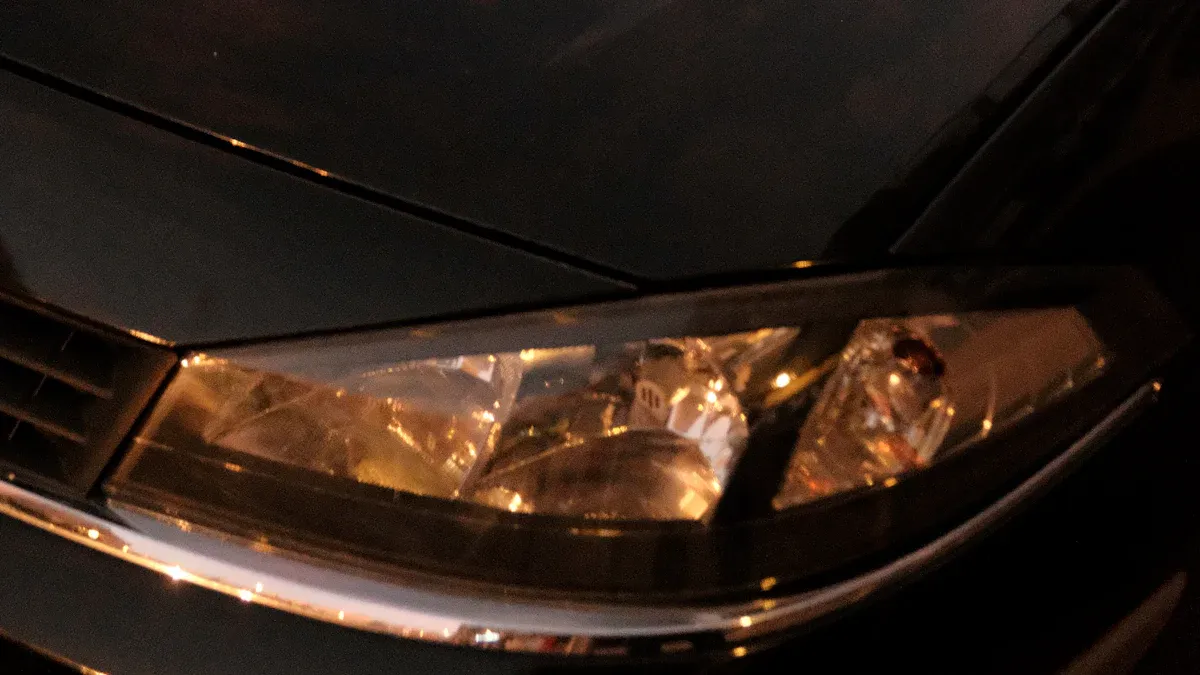
When it comes to window tint, you’ll find that it typically goes on the inside of the window. Many people mistakenly think it belongs outside. Applying it correctly is crucial for durability and effectiveness. Knowing this can help you avoid issues down the line.
Key Takeaways
Apply window tint on the inside for better durability and protection against weather elements.
Inside window tint blocks over 99% of harmful UV rays, reducing skin cancer risk and protecting your vehicle’s interior.
Check local laws regarding window tinting to avoid fines and ensure compliance with regulations.
Inside Tint Benefits
Durability and Protection
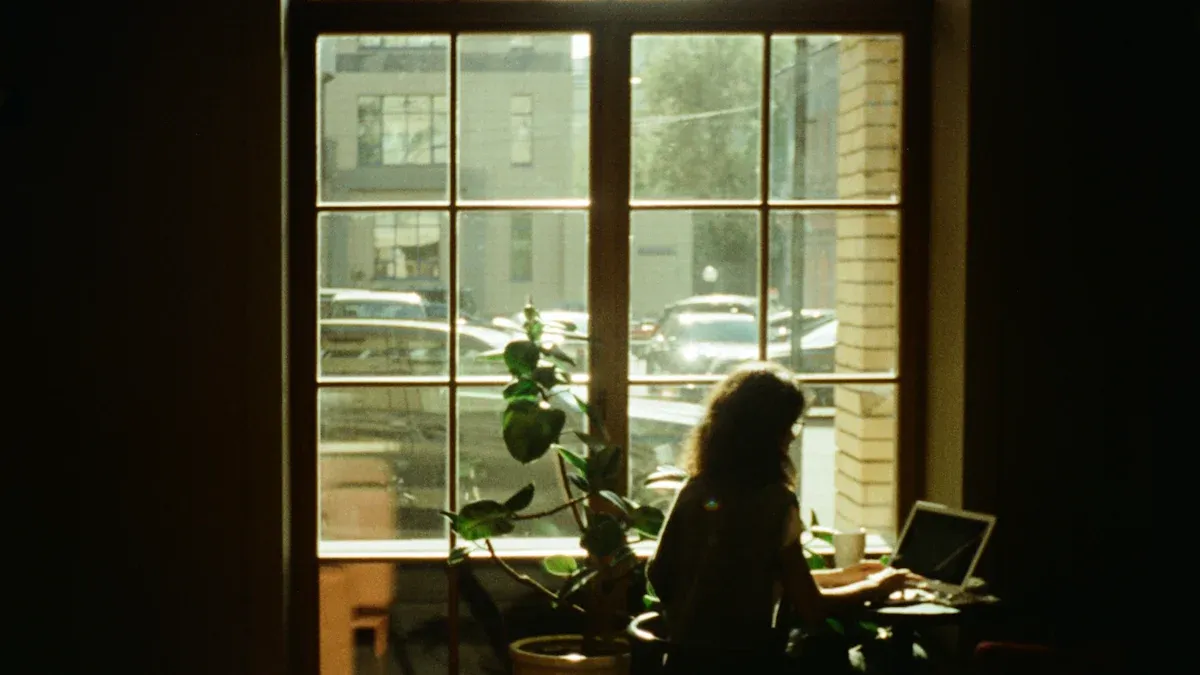
When you choose to apply window tint on the inside, you gain significant durability and protection. Inside window film acts as a barrier against various weather elements. For instance, during storms, hurricane window film can reinforce your glass against impacts from debris. It holds shattered glass in place, reducing the risk of injury and damage to your interior. Here are some key benefits of inside tinting:
Prevents shattering: The film minimizes potential damage caused by wind, rain, and flying debris.
Reduces injury risk: By holding glass shards together, it protects you and your passengers from sharp fragments.
Long-lasting: Inside window tinting typically lasts longer because it’s shielded from the harsh outdoor elements.
UV Shielding
Another major advantage of inside window tinting is its ability to block harmful ultraviolet (UV) rays. Scientific studies show that high-quality UV window films can block over 99% of both UVA and UVB radiation. This is crucial for reducing skin cancer risk and protecting your vehicle’s interior from fading. A notable case highlights a 69-year-old man whose left side of the face showed significant aging due to years of driving exposure to UVA rays through the window. This emphasizes the importance of UV protection.
Moreover, modern UV window films utilize advanced materials, including multi-layered constructions with UV light inhibitors. These films maintain visibility while effectively blocking harmful rays. Here’s a quick look at how different types of window films perform in blocking UV rays:
Type of Film | Percentage of UV Rays Blocked |
|---|---|
Dyed Films | 50-60% |
Metalized Films | 80-90% |
Ceramic Films | Up to 99% |
In addition to health benefits, inside window tinting also offers aesthetic advantages. It enhances your vehicle’s appearance, making it look newer and retaining its value longer. You can customize the tint levels to suit your style while increasing privacy without obstructing natural light.
Overall, inside window tinting not only protects you from the elements but also enhances your comfort and the longevity of your vehicle’s interior.
Outside Tinting Situations
Rare Cases
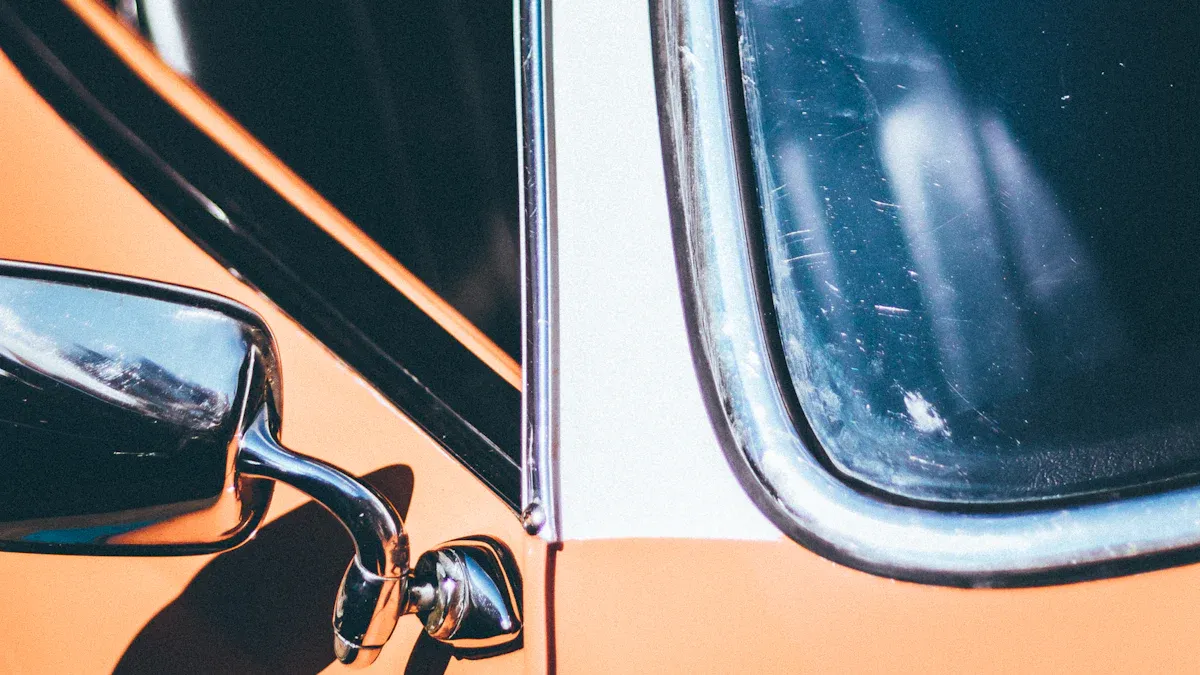
While most window tinting happens indoors, there are rare situations where you might consider applying tint on the outside. Professional installers usually recommend doing this in controlled environments to avoid weather-related issues. Here are some scenarios where outside tinting might be necessary:
Temporary installations for events or exhibitions.
Specialty films that require outdoor application for specific effects.
Emergency repairs when inside installation isn’t feasible.
However, you should be cautious. Outdoor tinting isn’t advisable when temperatures drop below 40°F (4°C) or during high humidity and rain. These conditions can affect the quality of the installation and adhesion, leading to potential problems down the line.
Temporary Solutions
If you need a quick fix, temporary window tinting solutions can work well for outside applications. Recent advancements have improved the durability of exterior window films, making them a viable option for various situations. Some common types of temporary films include:
Blackout Films
Frosted Films
Mirror Films
Switchable/Smart Films
Anti-Graffiti Films
Keep in mind that environmental factors can impact the performance and longevity of outside window tinting. Intense sunlight and extreme temperature variations can lead to faster degradation of the tint. Additionally, prolonged UV exposure can compromise the adhesive, affecting its effectiveness.
Considerations for Window Tinting
Local Laws
Before you dive into window tinting, it’s essential to check your local laws. Different regions have specific regulations regarding how dark or reflective your tint can be. For instance, some places allow only a certain percentage of visible light transmission (VLT) through the windows. Here’s a quick look at some common regulations across various provinces:
Province | Windshield | Front Side | Back Side | Rear |
|---|---|---|---|---|
Manitoba | Top 5 inches, 25% VLT | 50% VLT allowed | 35% VLT or more allowed | Any tint with mirrors |
Newfoundland and Labrador | No tint | No tint | Any tint allowed | Any tint allowed |
Nova Scotia | No tint | No tint | Any tint allowed | Any tint allowed |
Prince Edward Island | No tint | No tint | Any tint allowed | Any tint with mirrors |
Saskatchewan | No tint | No tint | Any tint allowed | Any tint allowed |
New Brunswick | 70% VLT allowed | 70% VLT allowed | Any tint allowed | Any tint allowed |
Northwest Territories | No tint | No tint | Any tint allowed | Any tint allowed |
Nunavut | No tint | No tint | Any tint allowed | Any tint allowed |
Quebec | Top 6 inches, 70% VLT | Over 70% VLT allowed | Any tint allowed | Any tint with mirrors |
Yukon | No specific laws | Discretion of officers | Any tint allowed | Any tint allowed |
Alberta | No tint | No tint | Any tint allowed | Any tint with mirrors |
Make sure to familiarize yourself with these laws to avoid fines or having to remove your tint later.
Window Types and Materials
The type of window you have also plays a significant role in the effectiveness of your window tint installation. Not all windows are created equal, and some are more compatible with tint than others. Here’s a breakdown of common window types and their compatibility with tinting:
Window Type | Compatibility with Tint Application |
|---|---|
Single Pane Window | High compatibility |
Dual Pane Windows | Compatible with many films |
Triple Pane Windows | Generally compatible |
Other Glass Types | Varies, check specific guidelines |
When choosing your tint, consider the materials as well. Different tint materials perform differently based on the window type. For example, ceramic tints excel in heat rejection and UV protection, making them a great choice for maintaining a comfortable interior. On the other hand, dyed tints are budget-friendly but may not provide the same level of heat reduction.
If you’re looking for durability, carbon tints are a solid option as they block infrared light effectively. Each material has its pros and cons, so think about what matters most to you—whether it’s cost, performance, or aesthetics.
In summary, applying window tint on the inside is the standard practice for several reasons. Here are some key benefits:
Benefit | Description |
|---|---|
UV Protection | Blocks up to 99% of harmful UV rays, protecting the vehicle’s interior. |
Safety | Keeps shattered glass together, reducing injury risk during accidents. |
Privacy | Prevents outsiders from easily seeing in while maintaining driver visibility. |
Heat Reduction | Lowers interior temperature by up to 60%, enhancing passenger comfort. |
Glare Reduction | Lessens glare from sunlight and headlights, making driving easier. |
Easy Maintenance | Interior tint is less exposed to elements, simplifying upkeep. |
Also, remember to consider local laws. For example, a resident of Ontario faced fines in Quebec for having legal tint in Ontario but illegal in Quebec. Local regulations can vary significantly, affecting your choices. Always check your area’s specific requirements before proceeding with window tinting.
FAQ
What is the best type of window tint for my car?
Choose ceramic tint for excellent UV protection and heat rejection. It offers durability and maintains visibility.
How long does window tint last?
Typically, window tint lasts between 5 to 10 years, depending on the quality of the film and installation.
Can I remove window tint myself?
Yes, you can remove window tint yourself, but it’s best to consult a professional for a clean job.