

A weekend road trip changes shape the moment you set up shelter. You pull off a forest road, pop a hatch, and suddenly your car becomes the basecamp. The right car tent or awning turns cramped seating into a real bed, a kitchen counter, or a shaded hangout, depending on what you bring. The five options below cover everything from inflatable canvas living rooms to ultralight solo bivys, plus a heavy-duty shelter that doubles as vehicle cover. Each one solves a different version of the same problem: making your car the anchor of a comfortable camp, not just a place to store snacks.
An Overview Of The Picks

Coody Premium Inflatable Canvas Air Tent

HASIKA SUV Tailgate 2-Person Awning

Dragoon Unlimited Ridgeback One-Person Tent

Hasika Waterproof SUV Tailgate Awning
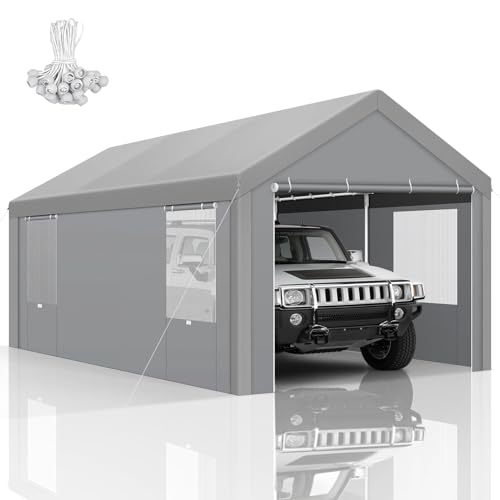
COBIZI 10×20 FT Galvanized Carport
Taking A Closer Look At The Options
The Coody sits in a different league from every other pick on this list. Where most car tents are an awning you stand under, this is a true canvas air tent with inflatable beams, so pole chaos disappears. A built-in stove jack turns it into a four-season shelter, which is rare among car-anchored options. If your trips run cold or wet, that single feature changes the whole trip.
You park beside it, inflate the frame, and the tent behaves like a small cabin. The TC canvas breathes better than standard polyester, so condensation stays manageable on cool nights. Family campers who treat the car as a base but still want a real living room tend to love it. Solos may find the footprint generous for their needs.
Reasons It Performs
- Inflatable beam frame replaces rigid poles for faster, calmer setup
- Integrated stove jack enables cold-weather use with a compatible wood stove
- TC canvas construction handles moisture and temperature swings well
- Generous interior volume suits a family or gear-heavy extended trip
- Anchors near a vehicle, so your car still functions as a gear closet
Things To Consider
- Heavier and bulkier than the awning-style options below
- Stove jack use requires a properly rated stove pipe and ventilation discipline
Feature Snapshot
Who It Suits Best
Family campers and small groups running cold-weather or shoulder-season trips who want cabin-style comfort anchored to their vehicle.
Where Another Pick Suits Better
For ultralight solo travel, the Dragoon Unlimited Ridgeback One-Person Tent is far easier to carry and pitch on foot.
Compare the HASIKA to the Coody and the philosophy changes completely. This is a featherweight awning, not a tent, and it lives in your trunk until you need a quick patch of shade. At roughly 3.5 lbs, you can carry it from the car to a picnic table without a second thought.
Setup is genuinely fast, around two minutes in calm conditions, because the pole structure is minimal. The 210T polyester fabric is silver-coated to handle sun and rain, and in most shoulder seasons that is all you need. Solo SUV travelers and couples who want shade for cooking or napping appreciate how little space it eats.
Key Advantages
- 3.5 lb carry weight suits backpack-style storage in the trunk
- Two-minute pitch keeps stops spontaneous
- 3000mm-rated fabric handles steady rain
- Silver coating blocks harsh sun on summer trips
Worth Noting
- Provides shade, not enclosed shelter, so bugs and wind remain issues
- Anchor points require suitable ground or vehicle attachment
- Smaller footprint than the larger Hasika awning below
Made For
Solo SUV owners and couples who want grab-and-go shade for day use, beach stops, or quick overnights.
Consider Something Else When
Groups needing larger covered space should look at the Hasika Waterproof SUV Tailgate Awning instead.
The Ridgeback is a tent first, with the car playing a secondary role. It is the pick for people who want a real bed on the ground and use their vehicle as a gear locker. At 5.5 lbs, you can hike it away from the car when a pull-off gets too noisy.
Headroom hits 42 inches and legroom stretches to about 90 inches, which feels generous inside a solo shelter. In a tight spot, the Ridgeback can fit a second person, though most owners use that slack for packs. Bugout and survival kits also gravitate toward this shape because it doubles as emergency shelter.
What Stands Out
- 42-inch headroom beats most solo tents in this weight class
- 5.5 lb packed weight is hike-friendly from a parked car
- Y-style stakes included for firmer anchoring in soft ground
- Two-person capacity in a pinch expands its survival use
Points To Note
- Single-person footprint means no communal living space
- Sets up apart from the vehicle, so you lose car-anchored convenience
- Less weather-severe than the canvas Coody in heavy storms
Quick Facts
Best Suited To
Solo backpackers, vehicle-supported travelers, and anyone building a bugout shelter they can also pitch on foot.
Look Elsewhere When
If you want shelter that attaches directly to your vehicle, the HASIKA SUV Tailgate Awning is a more car-integrated choice.
The bigger Hasika awning plays the same role as the 2-person version above but with room to breathe. Coverage runs 60 to 76 square feet depending on how you configure it, and three to four people can sit comfortably underneath. Group SUV trips benefit immediately from that extra square footage.
The 3000mm-rated 210T ripstop tarp holds up in real rain, and built-in vents reduce wind drag, which matters more than people expect on exposed ground. You can also drop height by removing pole sections, and the sloped profile sheds gusts better than a flat canopy. It strikes a useful balance between shelter and openness.
Useful Highlights
- 60 to 76 sq ft of shade supports a small group
- 3000mm waterproof rating handles sustained rain
- Integrated vents reduce wind loading and trapped air
- Sloped configuration option improves wind shedding
Trade Offs
- Heavier and bulkier than the 2-person Hasika above
- Larger footprint needs more level ground to set up cleanly
- Pole adjustment is required for the sloped wind mode
Feature Card
Perfect Match For
Group SUV campers and families running mixed-weather trips who want one sheltered area for cooking, gear, and lounging.
Skip It When
Solo travelers heading out light will find the COBIZI 10×20 FT Carport more useful as a long-term vehicle shelter instead.
The COBIZI is the odd one out, and that is the point. This is a permanent-ish carport for your driveway or a fixed basecamp, not a weekend travel item. Its 10×20 footprint covers a full-size vehicle plus a working zone beside it for tools, coolers, or a pop-up table.
The 1.5-inch galvanized steel frame resists rust, which matters if you leave it outdoors through wet seasons. In the right setup, it handles meaningful wind and weather without complaint, and it doubles as a sunshade when the car needs to stay cool. Owners looking for a hybrid between a tent and a garage tend to land here.
Standout Benefits
- 10×20 footprint covers a vehicle plus side workspace
- 1.5-inch galvanized steel resists rust and structural twist
- Multi-use as car cover, shade structure, or gear shelter
Honest Caveats
- Not portable, so it is a stationary investment
- Assembly takes planning and a second set of hands
- Anchoring quality depends on the surface it sits on
Whose Property It Belongs On
Homeowners and small property owners who want covered parking, weather protection, or a basecamp-style shaded zone.
Reach For A Different Pick When
Travel-focused campers should pick the HASIKA SUV Tailgate Awning for a portable, vehicle-anchored shade solution instead.
What Matters Most Before Choosing Tents For Car
Match The Shelter To The Vehicle, Not The Other Way Around
SUVs and vans handle larger tailgate awnings easily, while sedans often need slimmer mounts or freestanding setups. Match mounting style, height clearance, and rear hatch clearance before you fall for a footprint number.
Decide Between Enclosed Tent And Open Awning Early
Inflatable canvas tents like the Coody create a true living space, while awnings like the two Hasika picks create shade without walls. Climate, bugs, and trip length should drive this choice more than aesthetics.
Weight And Pack Size Shape Every Trip
Anything over 15 lbs changes how you load the car, and anything over 30 lbs may need a roof box. Solos and overlanders tend to feel the weight difference most, especially on multi-stop trips.
Weather Rating Beats Marketing Claims
A 3000mm fabric rating and taped seams handle real rain, while lightweight silver-coated polyester handles sun and drizzle. For wind, sloped or vented awning designs like the larger Hasika shed gusts better than flat tarps.
Key Considerations Across These Picks
Pitfalls Shoppers Hit
Many shoppers buy the largest awning they find and discover it does not fit their hatch opening. Measure your tailgate, roof rail, or trunk lip before choosing a model, since mounting geometry varies widely between SUVs. Others forget ground anchoring, and a shade shelter without solid tie-downs becomes a sail in the first real gust.
What The Higher Tier Buys
Premium models like the Coody add real insulation, stove compatibility, and airtight seams that basic awnings skip. You pay for fabric weight, frame rigidity, and weather performance that cheaper picks match only on sunny weekends. The upgrade pays off for campers who chase shoulder seasons or wet climates, while fair-weather users rarely need it.
Frequently Asked Questions
What Is The Easiest Tent For Car Camping To Set Up?
The HASIKA SUV Tailgate 2-Person Awning is among the fastest, pitching in roughly two minutes with no separate poles to assemble. Inflatable options like the Coody are also quick once you get the hang of the pump.
Can I Leave A Car Awning Up Overnight?
Most awnings handle overnight use in calm weather, but strong winds or heavy rain usually call for taking them down. Sloped or vented designs like the larger Hasika hold up better than flat tarps in mixed conditions.
Do I Need A Special Mount For A Tailgate Tent?
Many tailgate awnings strap to factory roof rails, hatches, or designated anchor points, but mounting hardware varies by vehicle. Check that the awning’s attachment method matches your car before ordering.
Are Inflatable Tents Better Than Pole Tents For Cars?
Inflatable tents are faster to pitch and feel more stable in wind, while pole tents are usually lighter and pack smaller. The Coody’s inflatable beams suit family comfort, but backpackers still favor rigid-pole designs like the Ridgeback.
Can A Carport Replace A Traditional Garage?
A heavy-duty carport like the COBIZI offers solid weather protection but is not a structural replacement for a full garage. It works well for shading, snow load, and gear storage when anchored on a flat, solid surface.
The Takeaway
Your car is already the most useful piece of camping gear you own, and the right shelter turns it into a real basecamp. Match the shelter to your trip style first, then worry about specs, and you will spend less time fiddling and more time outside.
