

A surprising number of shoppers searching for all season car tires end up needing trailer-rated rubber instead, and the mix-up costs real money. Trailer tires and passenger car tires share tread patterns on paper, but the sidewalls, load ranges, and speed ratings tell a different story. If you tow a camper, haul a utility trailer, or run a small fleet, the picks below cover the size, ply, and load class that actually fit your rig.
The Choices Worth Comparing

eCustomrim Trailer Radial Tire Rim ST205/75R14 Black 5 Lug

eCustomrim Trailer Tire Rim 4.80-12 480-12 4 Lug LRC White

Goodyear Endurance All Season Trailer Tire ST225/75R15 Load E

Goodyear Endurance All Season Trailer Tire ST205/75R14 Load D
eCustomrim Trailer Tire Rim ST175/80D13 Galvanized 5 Lug
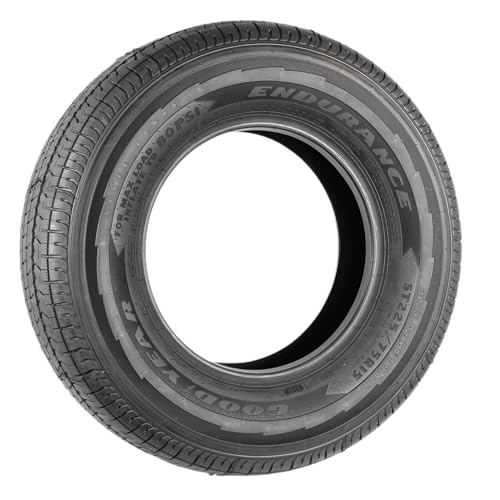
Goodyear Endurance All Season Radial Tire 225/75R15 117N
Meet The Standout Selections
The 14-inch ST205/75R14 format covers a lot of mid-sized trailer hitches, and eCustomrim’s black-spoke assembly lands in that sweet spot where most owners stop second-guessing load math. Compared to the 12-inch compact option that follows, this one steps up to a five-lug bolt pattern on a 4.5-inch center, which mirrors what many single-axle campers already run.
For weekend trips with a loaded utility trailer behind a half-ton truck, you generally get stable tracking and predictable braking without paying for a heavier load range. The tradeoff shows up only on rigs pushing past the 2,000-pound-per-tire ceiling, where you would want to look at a Load Range E upgrade instead.
The Upside
- 14×5.5-inch rim with a 5-lug on 4.5-inch pattern fits a wide range of single-axle trailers
- Radial construction supports smoother highway runs than bias-ply alternatives
- 2,040-pound max load handles most family-sized campers comfortably
- 26.1-inch overall diameter keeps ride height close to OE trailer specs
Points To Note
- Not the strongest choice for heavy equipment trailers exceeding Load Range D
- Black steel finish may show road rash sooner than a galvanized option
Right Fit For
Shoppers towing a single-axle camper, snowmobile trailer, or car hauler in the 3,000-to-5,000-pound gross range who want a direct-fit replacement.
Look Elsewhere When
The Goodyear Endurance ST225/75R15 Load E is a better match for owners pulling larger travel trailers that exceed 6,000 pounds gross.
Small trailers rarely get attention until a tire fails, and the 4.80-12 size class is where most boat dollies, jet-ski stands, and light cargo carriers live. This white-spoke assembly keeps the overall diameter to about 20.5 inches, which matters when the trailer fender was originally spec’d to a tight wheel well.
Owners who tow a 1,500-pound rig to a lake once a month will likely find the Load Range C rating (990 pounds per tire) more than adequate. For anything pushing into repeat highway use, though, the bias-ply sidewalls tend to build heat faster than the radial options in this list.
Notable Upsides
- 12×4-inch rim drops into compact fender openings without rubbing
- 4-lug on 4-inch pattern covers most small-trailer hubs
- White spoke finish matches many factory trailer aesthetics
Worth Noting
- Bias-ply construction may wear faster under sustained highway speeds
- 990-pound load ceiling rules out anything heavier than light utility duty
- 90 PSI max pressure demands a solid valve stem and proper torque at install
Who It Suits Best
Shed-to-lake boaters and weekend hobby haulers running single-axle trailers in the under-2,000-pound class.
Consider Something Else When
The eCustomrim ST175/80D13 Galvanized 5 Lug offers a step up in load capacity for owners who occasionally load up to a full cord of firewood or a side-by-side.
When the rig gets heavy, the Goodyear Endurance line steps in with a Load Range E carcass that handles up to 2,830 pounds per tire. The 15-inch format also gives owners more brake and axle clearance options than the 14-inch eCustomrim assembly above, which matters for tandem-axle campers pushing past 7,000 pounds gross.
Long-distance toweres benefit from the deep tread blocks, which grip consistently whether you’re crossing mountain passes or running flat through Midwest summer rain. You trade some ride softness for that load capacity, and the 80 PSI cold-fill requirement means a quality tire gauge belongs in the trailer’s storage bin.
The Value In It
- 2,830-pound per-tire rating covers the heaviest single-axle camper use
- 28.1-inch overall diameter fits common 15-inch trailer wheels
- Deep tread design maintains traction under heavy tongue weight
- 80 PSI max pressure supports stable handling at sustained highway speeds
Trade Offs
- Stiffer sidewalls transmit more road feel into the trailer floor
- Heavier than Load Range D alternatives, which can affect fuel economy
Best Suited To
Full-time RVers and contractors running tandem-axle trailers who count on every tire to handle real weight without complaint.
Skip It When
The eCustomrim ST205/75R14 Black 5 Lug assembly is a more appropriate fit for lighter single-axle trailers that don’t need Load Range E capacity.
Pulling a mid-weight travel trailer usually means living in Load Range D territory, and this 14-inch Endurance model slots into that exact use case. The 26.1-inch overall diameter and 65 PSI ceiling keep it compatible with many stock 14-inch trailer wheels, while the deep tread blocks carry over from the heavier ST225/75R15 sibling.
Family campers in the 4,000-to-6,000-pound range get a tire that balances ride quality with real load margin. For full-timer use on rough forest roads, the sidewall may feel a touch firm, and you’d want to watch for impacts on sharp rocks.
What Earns Its Place
- 2,040-pound per-tire load rating fits most family-sized campers
- 65 PSI max pressure simplifies inflation with a standard trailer tire gauge
- Radial build absorbs small road imperfections better than bias-ply
- 14-inch format matches common OE trailer wheel sizes
Some Limits To Know
- Sidewall may show cosmetic scuffs from curb contact during parking
- Deep tread blocks can produce a faint hum at sustained highway speeds
Who Will Love This
Family campers running single-axle trailers in the 4,000-to-6,000-pound range who want premium brand reliability without stepping up to Load Range E.
Another Choice May Suit
The Goodyear Endurance ST225/75R15 Load E version suits owners who tow heavier rigs or who want the extra margin of a 15-inch wheel.
Coastal air, salted winter roads, and humid boat-launch conditions all punish unprotected steel wheels, which is where a galvanized 13-inch rim earns its keep. The ST175/80D13 sizing covers a useful middle ground between the compact 4.80-12 and the larger 14-inch assemblies, often matching older single-axle horse trailers and mid-sized cargo carriers.
You give up some speed capability since the bias-ply build and Load Range C ceiling top out at 1,360 pounds per tire. For most property owners running weekend errands and the occasional tow to a repair shop, that ceiling rarely matters.
Real Benefits
- Galvanized finish resists corrosion in salt-air and winter road environments
- 5-lug on 4.5-inch pattern fits a wide range of single-axle hubs
- 24.4-inch overall diameter suits many OE 13-inch trailer fenders
- 1,360-pound load rating covers light-utility and horse trailer use
Honest Caveats
- Bias-ply sidewalls flex more under heavy loads than radial options
- 50 PSI max pressure may limit compatibility with some TPMS sensors
Whose Shelf It Belongs On
Coastal property owners and rural haulers who store equipment outside year-round and need corrosion resistance more than top-end speed rating.
A Better Fit Elsewhere
The Goodyear Endurance ST205/75R14 Load D fits owners who want a radial tire for longer highway runs and don’t need galvanized protection.
Sometimes you only need a single replacement tire to match a worn-out partner, and that’s where the standalone Goodyear Endurance 225/75R15 earns its place. The 117N speed/load index signals it’s built for trailer duty, not passenger car use, which is the kind of detail that matters when matching an existing wheel set.
Owners running tandem axles will appreciate the consistent compounding that comes from sourcing the same model in single-tire quantities. The trade-off is price-per-tire, since a 2-pack usually runs cheaper per unit than buying singles.
Useful Strengths
- Single-tire format suits matching a partially worn set
- 225/75R15 sizing fits many 15-inch trailer wheels
- Goodyear Endurance compounding matches the 2-pack options above
Factors To Consider
- Single-tire purchase typically costs more per unit than the 2-pack version
- ST designation means it’s trailer-only, not for passenger vehicle use
Perfect Match For
Trailer owners who damaged one tire and need a matched replacement without committing to a full 2-pack.
Reach For A Different Pick When
The Goodyear Endurance ST225/75R15 Load E 2-pack offers better per-tire value for owners replacing both tires at once.
Factors That Separate A Good Trailer Tire From A Spare-Bed Relic
Load range matters more than treadwear ratings in this category. Load Range C, D, and E each describe how much weight a tire can carry at a given PSI, and matching that number to your trailer’s gross weight is the difference between safe towing and a roadside blowout. A camper that weighs 5,000 pounds with two tires needs at least 2,500 pounds of capacity per tire after factoring in a safety margin.
Radial versus bias-ply is the next call. Radial casings flex more naturally and run cooler at highway speeds, which suits long-distance towing. Bias-ply construction is stiffer and cheaper, which suits low-speed utility work but tends to fail faster under sustained heat. For most owners logging more than a few hundred miles per trip, radial is the safer bet.
Wheel size and bolt pattern compatibility often get overlooked. A 14-inch tire on a 15-inch wheel, or a 5-lug rim on a 4-lug hub, simply won’t seat correctly. Measure the center bore, the lug count, and the bolt pattern before ordering, and confirm the overall diameter keeps adequate fender clearance once the new tire is mounted.
Storage and maintenance habits also extend tire life dramatically. Trailer tires age out from UV and ozone exposure even when tread looks fine, so covering them or storing the trailer indoors adds real service years. Checking PSI before each trip and inspecting for sidewall cracks twice a season catches small issues before they become highway failures.
Key Considerations Across These Picks
Where Shoppers Go Wrong
The most common mistake is buying a passenger car tire for trailer duty. The sidewall compounds, speed ratings, and load indexes are engineered for very different stress patterns, and using the wrong type often voids the tire’s design margin. Always confirm the ST (Special Trailer) designation before installing.
A second slip-up is ignoring age. Trailer tires should generally be replaced every 5 to 7 years regardless of tread depth, because rubber hardens and sidewalls weaken over time. The DOT date code on the sidewall reveals the manufacture date, and skipping that check leads to “new-looking” tires that fail under load.
When Paying More Pays Off
Higher-tier Goodyear Endurance models cost more per tire but ship with deeper tread blocks, stronger sidewall construction, and a compounding that resists heat buildup. For owners logging thousands of highway miles per year, that extra cost typically translates into longer service life and fewer roadside replacements, which often balances out the upfront premium.
Frequently Asked Questions
What does ST mean on a trailer tire?
ST stands for “Special Trailer,” a designation that signals the tire is engineered for trailer use only, not for passenger vehicles. ST tires have stiffer sidewalls and different load ratings than LT or P-metric tires.
How do I know which load range my trailer needs?
Check the trailer’s gross weight and divide by the number of tires, then add a 10-20% safety margin. Load Range D handles most family campers, while heavier travel trailers and equipment haulers often require Load Range E.
Can I mix radial and bias-ply tires on the same trailer?
Mixing is generally not recommended, because the two constructions respond differently under load and braking. Stick with one construction type across all positions for predictable handling.
How often should trailer tire pressure be checked?
Check cold pressure before every trip, and recheck after the first 10 miles on a new install. Trailer tires lose air faster than automotive tires because of lower duty cycles and slower leak paths through the valve stems.
Do galvanized wheels really last longer than painted ones?
Galvanized coatings resist corrosion significantly better in salt-air and winter road salt environments. For coastal owners or anyone storing trailers outside, the upgrade typically pays back through longer service life.
Wrap Up
The right all season car tires for your trailer depend more on load range, wheel size, and bolt pattern than on tread pattern alone. Match the specs to your rig’s gross weight, decide between radial and bias-ply based on how far you tow, and source the build from a manufacturer with a clear replacement policy. The picks above cover the most common 12-through-15-inch trailer fitments, so start with the one that matches your existing wheels and go from there.
