

Personal Electric Vehicles fit two very different needs in this list, from kids’ ride-on trucks to technical books for people who want the engineering side of electric mobility. You get a mix of play value, practical control features, and deeper reference material, so the right choice depends on whether you’re shopping for a driveway, a garage project, or a study shelf. The strongest options here lean on stability, dual-control setups, and usable details like storage, music, or battery size.
Quick Look At Our Shortlist
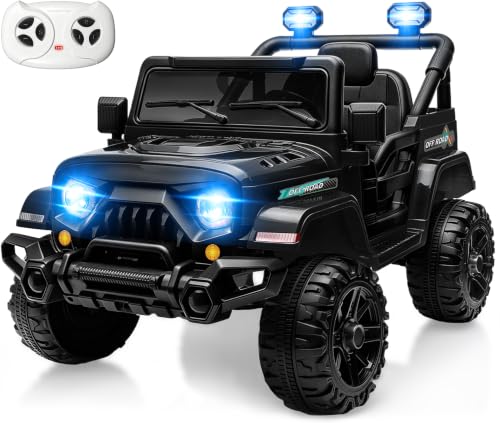
Miniature Motors 12V Kids Ride On Truck

Best Choice Products 12V Chevrolet Silverado Ride On Truck

Winado 12V Chevrolet Colorado Ride On Car

Electric Powertrain: Energy Systems, Power Electronics and Drives

Build Your Own Electric Vehicle, Third Edition

ELEMARA 24V 2 Seater XL Ride On Car
Dual 35W motors and a 12V battery give this truck enough structure for driveway cruising without feeling overbuilt. The remote control matters most here, because it lets you manage pace while the child gets used to the seat, belt, and simple controls.
The black finish and LED lights give it a tidy, toy-truck look, while Bluetooth audio adds a small but useful layer of entertainment. Assembly is part of the story, so you may want a little space and patience before the first ride.
Highlights
- Twin motors help the truck feel steady on flat pavement.
- Remote control adds useful oversight for younger drivers.
- Bluetooth audio gives you an easy way to keep rides lively.
- Suspension and a safety belt suit uneven driveway use.
Points To Note
- Assembly takes some time, so this is not a quick unbox-and-go item.
- The top pace is modest, which suits younger kids more than older ones.
Feature Rundown
Who Will Fit It Best
Young kids who ride under close supervision get the most from this truck, especially around driveways and flat backyard paths.
Where A Sibling Pick Shines
ELEMARA 24V 2 Seater XL Ride On Car suits older children better when you want more room and a stronger battery setup.
This Silverado leans into the familiar pickup shape, which helps it feel more realistic than the plainer truck in the first slot. Parent remote control is the real practical feature here, because it lets you steer the experience when a small driver still needs help with direction.
The truck bed storage adds a useful everyday touch for a toy, especially in a yard or patio setting where small carry items tend to end up everywhere. The honest read is that its 2.5 mph cap keeps the mood calm rather than thrilling, and that suits younger kids well.
Best Bits
- Licensed Chevrolet styling gives it a familiar pickup look.
- Remote control supports safer supervision for newer drivers.
- Truck bed storage adds everyday usefulness.
- Bluetooth speaker and LED lights make it feel more complete.
Minor Gripes
- The top speed is intentionally modest, so older kids may outgrow it fast.
- Because it is a ride-on toy, garage storage space still matters.
Core Details
Built With In Mind
Families with younger children and limited outdoor space get the best fit here, especially for short neighborhood-style rides.
Another Choice May Suit
ELEMARA 24V 2 Seater XL Ride On Car makes more sense for households that want two seats and a stronger battery package.
Winado keeps the formula simple, which can be a good thing for compact patios and short driveway loops. The licensed Chevrolet styling gives it a more finished look than bare-bones toy cars, and the dual control setup helps bridge the gap between new driver and adult oversight.
The trade-off is straightforward: this is the least detailed listing in the group, so you’re leaning more on the brand shape and the basic ride-on format than on a long feature list. That makes it a sensible pick for a shopper who wants a familiar truck profile without extra complexity.
Bright Spots
- Licensed Colorado styling keeps the design recognizable.
- Dual control methods help with early riding sessions.
- The black finish keeps the look clean and simple.
Small Caveats
- Source details are sparse, so feature depth is limited.
- It makes more sense as a basic ride-on than a feature-heavy toy.
Perfect Match For
Shoppers who want a straightforward kids’ truck for short, supervised play usually get what they need here.
Skip It When
Miniature Motors 12V Kids Ride On Truck is the stronger fit for families that want more visible extras like suspension, lights, and Bluetooth audio.
Compared with the toy trucks above, this one belongs on a desk, not in a driveway. It’s a technical title for anyone studying electric powertrains, so the value comes from depth rather than quick entertainment.
The subject focus covers energy systems, power electronics, and drives for hybrid, electric, and fuel cell vehicles, which is a serious spread of terminology. That breadth matters for engineering coursework, although the narrow academic angle means casual hobbyists may find it more detailed than they need.
What We Like
- Strong fit for structured engineering study.
- Covers several core electric-vehicle systems in one title.
- Useful for anyone building a technical foundation.
Worth Noting
- This is a study resource, not a ride-on product.
- The topic depth suits focused learning more than casual browsing.
Details At A Glance
The Right Fit
Engineering students, instructors, and technical hobbyists with a genuine interest in EV systems get the most out of this title.
Look Elsewhere When
Build Your Own Electric Vehicle, Third Edition suits hands-on planners better when your goal is a practical project path.
This title sits closer to a workshop notebook than a showroom piece. It appeals to people who want to understand what goes into building an electric vehicle, not just look at finished machines.
Because it focuses on DIY creation, it fits best for planning, learning, and scoping a project before parts ever hit the bench. The trade-off is obvious enough: you’re choosing a learning resource, so it rewards patience and attention rather than quick, casual reading.
Upsides
- Strong match for project-based learning.
- Helps you think through build steps before committing resources.
- Useful for hobbyists who want a deeper EV starting point.
Areas To Watch
- It’s better for study than immediate hands-on use.
- Project-style content can feel dense for casual skimming.
Who Should Grab It
DIY tinkerers and technical self-starters who want a structured path into electric-vehicle building suit it well.
Where A Sibling Pick Shines
Electric Powertrain: Energy Systems, Power Electronics and Drives works better for students who want a more formal engineering reference.
ELEMARA stands out for scale, not just speed. The 2-seat layout and 20-inch seat make it better suited to shared rides, while the 24V battery and 4WD setup point toward a more capable build than the 12V options earlier in the list.
You also get three speeds and remote control, which helps the car stay useful across different ages and levels of confidence. The honest caveat is that a larger ride-on takes more storage room and a longer charge window, so it rewards families who really plan to use it often.
Standout Traits
- Two-seat layout gives it a more social ride-on format.
- 24V power and 4WD support a stronger-feeling setup.
- Three speeds add flexibility as confidence grows.
- Remote control remains useful for adult oversight.
Softer Spots
- Its larger footprint needs more storage space.
- Higher-capacity ride-ons usually ask for longer charging routines.
Feature Snapshot
Whose Shelf It Belongs On
Families with multiple children or a child who has outgrown smaller single-seat ride-ons get the best use from this setup.
Swap It Out When
Best Choice Products 12V Chevrolet Silverado Ride On Truck is the easier fit for tighter storage areas and a gentler pace.
What Matters Most Before You Choose
Common Shopping Slip Ups
Ride-on vehicles need more than a good shape. Check battery size, control method, seat room, and the space you have for storage before you commit.
What The Higher Tier Buys
More money usually goes into stronger batteries, extra drive hardware, two-seat layouts, and added control options. Those upgrades make the most sense when the vehicle will see regular outdoor use.
Closing Thoughts
Your best match depends on whether you want supervised backyard fun, a roomier two-seat setup, or a technical book for study. The kid ride-ons here favor simple control and manageable speed, while the engineering titles serve a completely different purpose. Choose the one that fits how you’ll actually use it, not just how it looks on the page.
