

Choosing oil sounds simple until you’re standing in the aisle with five viscosity grades staring back at you. The right bottle depends on your engine, your climate, and how hard you actually drive. This roundup sorts eight solid options by real-world fit, from daily commuters to weekend racers, so you can match the jug to the job without second-guessing yourself.
The Choices Worth Comparing
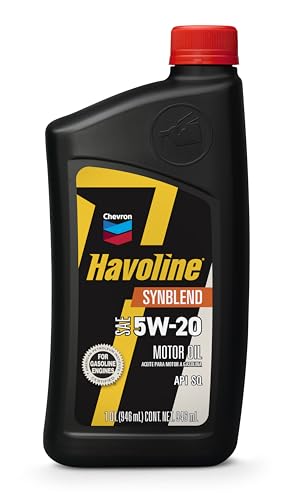
HAVOLINE 5W-20 Motor Oil – 1 qt.

Mobil 1 Truck & SUV Full Synthetic 0W-20, 5 Quart

LIQUI MOLY Special Tec LL SAE 5W-30 | 20 L

Mobil 1 Motor Oil 5W-30, 5 Quart Full Synthetic

LIQUI MOLY Molygen New Generation SAE 0W-20 | 1 L

ACDelco GM dexos1 Gen 2 Full Synthetic 5W-30, 1 qt Pack of 6

LIQUI MOLY Special Tec AA SAE 5W-30 | 5 L
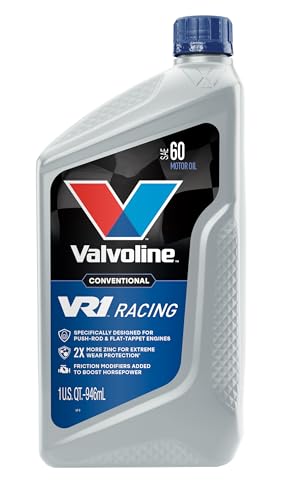
Valvoline VR1 Racing SAE 60 Motor Oil 1 QT
The Strengths Of Each Pick
City driving is brutal on oil. Short trips, idling at lights, and cold starts all encourage sludge, which is exactly what this Havoline formulation targets with its Deposit Shield additive package. The single-quart format also suits top-offs between changes, something the bulk jugs in this list don’t handle as neatly.
For most drivers running a 5W-20 spec engine, that’s the whole pitch: dependable wear protection at a mainstream price point. Nothing flashy, just consistent performance in the conditions that actually wear engines down.
What It Does Well
- Deposit Shield chemistry helps keep pistons and PCV systems clean under heavy load and repeated short trips
- Anti-wear additives protect critical parts like cam lobes and bearings during cold starts
- Resists thermal breakdown when traffic crawls and coolant temps climb
- Single-quart bottles make partial top-ups and storage simple
Things To Consider
- You’ll need several bottles for a full change on most engines, so cost per quart adds up versus a 5-quart jug
- Conventional-leaning formulations generally demand shorter change intervals than the synthetics further down this list
Who It Suits Best
Commuters with a 5W-20-spec car who mostly drive short urban routes and want affordable, sludge-resistant protection.
Where A Sibling Pick Shines
Drivers logging highway miles or towing should step up to the Mobil 1 Truck & SUV 0W-20, whose synthetic base handles sustained heat far better.
Towing a trailer or loading the bed changes what your oil endures. This Mobil 1 blend is built around the brand’s Triple Action Formula, aimed at keeping engines clean and protected across long drain intervals of up to 10,000 miles. Compared with the Havoline above, you’re trading a lower upfront spend for synthetic durability and fewer changes per year.
The pack-of-two, 5-quart format covers roughly one full service on most modern trucks and SUVs. Owners who haul regularly tend to report it holds viscosity well under load, though your owner’s manual always gets final say on interval length.
Positive Points
- Full synthetic base resists breakdown during towing, hauling, and sustained highway heat
- Triple Action Formula supports cleanliness and wear protection over extended drain intervals up to 10,000 miles
- Two 5-quart jugs cover multiple services or one large-displacement V8 change
- 0W-20 grade flows quickly on cold mornings, reducing startup wear
Worth Noting
- Severe-duty schedules (frequent towing, dusty roads) still call for shortened intervals regardless of the oil’s rating
- Buying in dual-jug volume only pays off if you service the vehicle yourself
At A Glance
Made For
Truck and SUV owners who tow, haul, or rack up highway miles and prefer doing their own oil services.
Skip It When
Your engine calls for 5W-30 instead; the Mobil 1 5W-30 later in this list matches the same formula to that grade.
A 20-liter pail signals intent. This is the shop-size version of Liqui Moly’s low-friction 5W-30, built on HC synthesis technology, a refining method that produces unusually pure base stocks paired with modern additive chemistry. The result is a thin, shear-stable film that cuts internal friction while still protecting bearings and cam surfaces.
In practice, that combination suits long-life European service schedules where oil stays in the engine for extended stretches. Home users with two or three cars on the same spec can justify the pail too; everyone else will find the smaller Special Tec AA below more practical.
The Practical Payoff
- Low-viscosity, high shear-stability formula reduces frictional losses for smoother, more efficient running
- Strong detergent action keeps internals clean across extended European-style drain intervals
- 20-liter container serves multiple services at a lower cost per liter than quart bottles
- HC-synthesis base stocks resist aging better than conventional mineral oil
Trade Offs
- The 20-liter size demands cool, sealed storage and makes sense only for repeated use
- This “LL” variant targets specific long-life approvals, so verify your vehicle’s spec before committing
Quick Facts
Right Fit For
Independent shops, fleet maintainers, and multi-car European-vehicle households working through regular 5W-30 services.
Another Choice May Suit
Owners of Asian or American vehicles get a better-matched formula from the LIQUI MOLY Special Tec AA 5W-30, sized more reasonably at 5 liters.
Same Triple Action Formula as the 0W-20 Mobil 1 earlier in this list, just poured into the thicker 5W-30 grade that older engines and many V6/V8 applications call for. Thicker hot viscosity means a sturdier oil film at operating temperature, which matters once an engine passes 100,000 miles or spends summers in hot climates.
The dual 5-quart packaging keeps the per-service math friendly, and the synthetic base supports those same long intervals of up to 10,000 miles. For mixed garages where one car wants 0W-20 and another wants 5W-30, keeping both Mobil 1 variants on the shelf simplifies life considerably.
Practical Pluses
- 5W-30 grade delivers a robust lubricating film for higher-mileage and hotter-running engines
- Triple Action Formula balances wear protection, cleanliness, and efficiency across long drains up to 10,000 miles
- Twin 5-quart jugs suit full DIY services on most six- and eight-cylinder engines
- Shares chemistry with the 0W-20 sibling, so brand consistency across a garage is easy
Small Caveats
- Thicker oil can slightly reduce fuel economy compared with a 0W-20 in engines approved for both grades
- Always confirm the manual’s viscosity range first; some newer engines strictly require thinner grades
Best Suited To
DIYers maintaining higher-mileage cars, older trucks, or any 5W-30-spec vehicle through self-performed services.
Consider Something Else When
GM owners chasing factory-spec compliance will find the ACDelco dexos1 Gen 2 oil a more direct match for their warranty language.
Liqui Moly’s Molygen line leans on its Molecular Friction Control technology, an additive approach designed to suppress deposits while trimming friction inside the engine. Less internal drag translates into marginally better fuel consumption and reduced wear on components working hardest under tough conditions. A neat detail: the oil fluoresces under UV light, so technicians can trace leaks visually.
The 1-liter bottle suits Japanese-spec engines that take awkward partial capacities, think 4.4 or 5.1 quarts, where a single US jug leaves you short. You may find buying four or five bottles slightly pricier than a big-box jug, but the precision fits certain engines better.
Bright Spots
- MFC additive technology reduces frictional losses, supporting improved fuel economy over time
- Deposit suppression keeps rings, pistons, and passages clean even under demanding duty cycles
- Fluorescent dye makes leak tracing straightforward during maintenance checks
- Liter bottles match metric fill capacities common on imported engines
Points To Note
- Per-liter pricing runs higher than domestic jug oils, so full services cost more
- Multiple small bottles mean more packaging waste than a single 5-quart container
Feature Snapshot
Who Should Grab It
Import-car enthusiasts and fuel-economy-focused drivers running 0W-20 engines with non-round fill capacities.
Look Elsewhere When
Budget matters most; the Havoline 5W-20 covers basic commuter protection at a friendlier cost per quart.
General Motors writes its own oil standard, called dexos1 Gen 2, and this ACDelco jug carries that license directly. For Chevy, GMC, Buick, and Cadillac owners, that means zero guesswork about whether an aftermarket oil meets the factory requirement. The six-quart case conveniently covers one complete service on most GM V8s with a quart to spare.
Beyond the badge, the oil itself uses quality synthetic base stocks aimed at engine cleanliness and efficient operation, and it meets ILSAC GF-5 energy-conserving standards. It’s the least dramatic pick here, and that’s the point.
A Strong Showing
- Licensed to GM’s dexos1 Gen 2 OEM specification, removing compliance doubt for GM vehicles
- Meets ILSAC GF-5 energy-conserving requirements for current efficiency expectations
- Six-quart case aligns with typical GM V8 fill capacities for one-stop servicing
- High-quality base stocks support cleanliness and steady performance between changes
Softer Spots
- Non-GM vehicles gain little from the dexos license, so the premium buys less benefit elsewhere
- Quart-case format creates more empties than a single jug, though they recycle easily
Who Will Love This
GM truck, SUV, and sedan owners who want factory-spec oil without hunting through compatibility charts.
Not Your Match When
Drivers of Asian-brand vehicles are better served by the LIQUI MOLY Special Tec AA, formulated specifically for those markets.
Where the 20-liter Special Tec LL targets European long-life schedules, this “AA” variant was developed for Asian and American vehicles, and the 5-liter size finally makes sense for a home driveway. Liqui Moly lists it as miscible with all commercially available motor oils, which takes the anxiety out of topping off between full changes.
Turbocharged engines and catalytic converters are explicitly compatible, a meaningful check for the many modern four-cylinders now wearing turbos from the factory. Owners commonly report quiet, smooth running after switching, though results naturally vary by engine condition.
What Helps Most
- Formulated year-round for Asian and American engines, covering the broadest share of US driveways
- Safe with turbochargers and catalytic converters, key for modern turbo-four applications
- Mixes with other commercial motor oils, simplifying emergency top-offs
- Strong anti-aging stability supports longer service life and reduced fuel consumption
- Excellent detergent package keeps internals clean over time
Room For Improvement
- Five liters falls just short of some V8 capacities, so a spare quart may be needed
- Imported German oil typically costs more per liter than domestic alternatives
The Right Fit
Owners of Toyota, Honda, Ford, or Chevrolet vehicles wanting premium synthetic protection in a sensible home-use size.
Reach For A Different Pick When
Your GM vehicle demands documented dexos compliance; the ACDelco Gen 2 case satisfies that requirement outright.
Everything before this entry serves street engines. VR1 Racing 60 exists for pushrod and flat-tappet designs, the old-school valvetrain layouts found in race motors and classic V8s, where aggressive cam lobes grind against lifters and demand extreme-pressure protection. Valvoline’s formula carries elevated zinc and phosphorus levels plus friction modifiers intended to free up horsepower at high RPM.
The SAE 60 weight is far too thick for any modern passenger car, so treat this as a niche tool rather than an upgrade. In its element, a hot rod or circle-track engine on a summer night, few options protect harder.
What Stands Out
- Elevated zinc and phosphorus content shields flat-tappet cams and lifters from scuffing wear
- Friction modifiers aim to preserve horsepower at sustained high RPM
- Thick SAE 60 grade maintains film strength in hot racing conditions
- Long racing pedigree dating back decades of motorsport use
Honest Caveats
- Not suitable for engines with catalytic converters, as high zinc additives can degrade them over time
- Viscosity is inappropriate for daily-driven street vehicles in cooler climates
Core Details
Built With In Mind
Racers and classic-car restorers running older pushrod V8s that need high-zinc protection at racing temperatures.
Where Another Pick Suits Better
Everyday drivers should stay with the Mobil 1 5W-30, which offers modern synthetic protection matched to street engines.
What Matters Most Before Choosing Motor Oils For My Car
Match The Spec, Not The Marketing
Your owner’s manual lists two things: a viscosity grade like 5W-30 and often an industry approval such as ILSAC GF-5 or a manufacturer standard like dexos1. Both matter. Viscosity describes how thick the oil flows when cold versus hot, and deviating from the specified grade can affect fuel economy, cold starts, and long-term wear.
Approvals are the deeper filter. An oil licensed to your engine’s exact specification has passed the tests your automaker cares about, which removes most of the guesswork from shelf comparisons.
Driving Style Changes The Math
Short-trip city driving never lets oil reach full operating temperature, so moisture and fuel dilute it faster than the calendar suggests. Frequent towing, mountain grades, or desert heat do the same through sheer thermal stress. Either pattern argues for full synthetic and shorter intervals than the maximum printed on the bottle.
Gentle highway commuting sits at the opposite end, where long-drain synthetics genuinely earn their keep.
Container Size And Cost Per Service
Quart bottles suit top-offs but inflate the cost of full changes. Five-quart jugs match most four- and six-cylinder services, while liter bottles fit import engines with oddball capacities. Buying the format your engine actually consumes avoids both waste and mid-change store runs.
Key Considerations Across These Picks
Wrong Turns To Avoid
The most common slip is grabbing whatever’s cheapest without checking the viscosity on the cap. The second is assuming thicker oil protects better; modern engines are engineered around specific flow rates. A third trap is stretching intervals based on marketing alone while ignoring severe-duty conditions that halve them.
What Separates Premium From Basic
Higher-tier synthetics spend more on refined base stocks and additive packages, which shows up as better heat stability, slower oxidation, and cleaner internals over thousands of extra miles. Paying up makes sense for turbos, towing, and long intervals. For a low-mileage commuter on strict 5,000-mile changes, a solid conventional like the Havoline does the job fine.
Bottom Line
Start with your owner’s manual, then let your driving habits narrow the field. Commuters have the Havoline 5W-20, haulers have either Mobil 1 jug, GM owners have the ACDelco case, and import fans have two strong Liqui Moly formats. The Valvoline VR1 waits patiently for anyone building something loud. Whichever direction your garage points, matching the spec beats chasing the label every time.
