

A low-cost car battery still has to do real work, especially for commuters, start-stop vehicles, and drivers who leave a car parked for days at a time. The choices below focus on fit, AGM construction, reserve capacity, and auxiliary use cases, so you can match the battery to the vehicle instead of gambling on a generic replacement. You’ll also see where a smaller auxiliary pack makes sense and where a stronger starting battery is worth the step up.
Quick Look At The Shortlist

ACDelco Gold AUX14-200 (88866185) Auxiliary AGM Battery

ACDelco Gold 94RAGM (88864542) AGM BCI Group 94R Battery
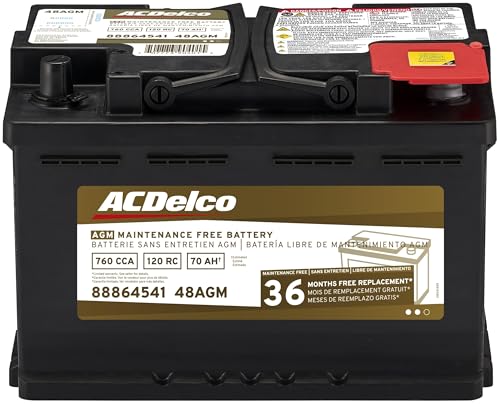
ACDelco Gold 48AGM (88864541) AGM BCI Group 48 Battery

Goodyear AUX14-AGM BCI Group Size 400 Auxiliary Battery
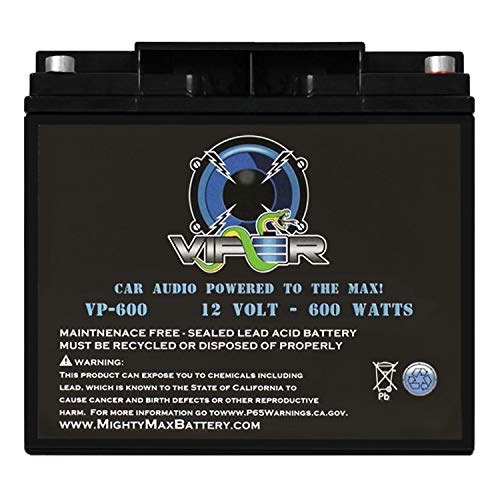
Mighty Max Battery Viper VP-600 12 Volt 18 AH Power Cell Battery

Autocessking Group Size 35 Start and Stop AGM Automotive Battery
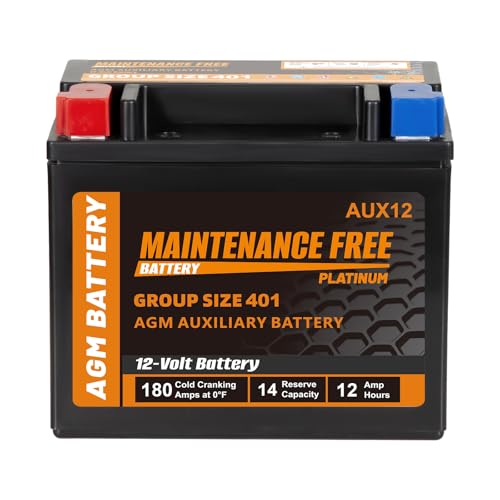
Autocessking AUX12 BCI Group 401 AGM Auxiliary Battery
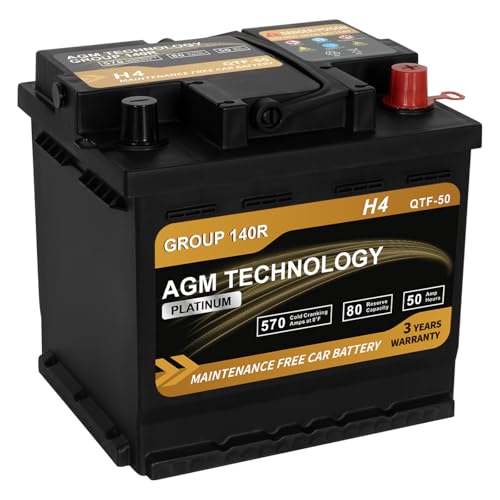
Platinum AGM Car Battery Group Size 140R H4, 12V 50Ah, 570 CCA, 80 RC

AUX14 Auxiliary Battery, 12V 14Ah AGM BCI Group Size 400 Battery
More Details On Our Top Picks
That smaller AUX14 format makes sense in vehicles that need auxiliary support without taking over the battery bay. AGM, or absorbed glass mat, means the electrolyte is held in glass fiber mats rather than sloshing around, so the design stays maintenance-free and better suited to cramped installs.
Compared with the fuller-size ACDelco options lower in the list, this one is about space and auxiliary roles more than broad replacement duty. You may find it especially useful in a daily driver with a separate support battery, where neat fit and steady backup matter more than brute size.
What We Like
- AGM construction suits enclosed locations and reduces the usual mess concerns tied to older flooded designs.
- The 200 CCA rating gives you a clear starting-power reference for auxiliary applications.
- Its smaller profile fits use cases where room is tight and a large case would simply be awkward.
- Maintenance-free ownership keeps routine attention light, which is handy for busy commutes or second vehicles.
Points To Note
- Auxiliary batteries are purpose-built, so they are not the same thing as a universal main starting battery.
- You’ll still want to verify physical fit and terminal layout before ordering.
- The smaller format gives you convenience, but not the broader reserve you’d expect from a full-size group battery.
Core Details
Who It Suits Best
Drivers with auxiliary battery slots and compact power needs will get the most from this size.
Where A Sibling Pick Shines
ACDelco Gold 94RAGM (88864542) fits better for shoppers replacing a full-size Group 94R starter battery.
Group 94R batteries often show up in vehicles that ask for a very specific fit, so this ACDelco option matters most when the tray and terminals need to line up cleanly. AGM construction helps here too, since the glass mat design supports sealed, maintenance-free ownership in everyday driving.
Compared with the smaller AUX14 battery above, this one plays a more complete starter-battery role for cars that want a full-size replacement. The honest read is that it suits drivers who want a steady, no-drama fit more than anything flashy, especially in stop-and-go traffic.
Highlights
- Group 94R sizing makes the fit conversation simpler for vehicles built around that footprint.
- AGM construction supports spill-resistant, sealed ownership, which is useful in tight engine bays.
- The 36-month warranty period gives the listing a concrete service window.
- It works well for start-stop vehicles that need a battery format built for frequent cycling.
Small Caveats
- You still need to compare dimensions and terminal orientation against your current battery.
- AGM replacement tends to make the most sense when your vehicle already calls for AGM.
- For a smaller auxiliary job, this would be more battery than you need.
Feature Snapshot
Who Should Grab It
It fits drivers replacing a Group 94R AGM battery in a car that expects that exact format.
A Better Fit Elsewhere
Autocessking Group Size 35 Start and Stop AGM Automotive Battery suits drivers who need a different group size and stronger reserve output.
Group 48 is a common fit point for many mid-size vehicles, so this battery lands in that useful middle ground where you want size discipline without going down to a compact auxiliary pack. AGM construction again keeps the ownership side simple, which matters in a car you depend on for commuting.
Compared with the 94R model above, this one shifts the focus to a different case size rather than a different battery philosophy. For most garage replacements, that’s the real question, not brand flair, and this ACDelco gives you a straightforward answer.
Strong Points
- Group 48 sizing targets a large pool of vehicles that need that exact footprint.
- AGM design fits well with maintenance-light ownership in daily use.
- The 36-month warranty window is easy to understand at a glance.
- It’s a sensible middle-ground replacement for drivers who want the battery choice to stay close to stock.
- Steady fit and familiar architecture make installation planning less stressful.
Worth Noting
- Group fit still matters more than brand name, so check the label on your old battery first.
- It’s aimed at replacement duty, not specialty audio or compact auxiliary work.
- AGM replacement typically pairs best with vehicles already set up for it.
Technical Sheet
Best Suited To
You get the most value here in a commuter car that calls for Group 48 and AGM construction.
Look Elsewhere When
Mighty Max Battery Viper VP-600 12 Volt 18 AH makes more sense for car audio setups that need power delivery for an amplifier.
The Goodyear AUX14-AGM leans into compact auxiliary duty with 12V, 14Ah, 22RC, and 200 CCA, so it has a very specific job and doesn’t pretend otherwise. RC, or reserve capacity, tells you how long the battery can supply power under a standard load, and that matters in vehicles that need backup support.
Compared with the ACDelco AUX14 above, this one gives you another auxiliary path in the same size family, but with Goodyear branding and a clear maintenance-free angle. For drivers who keep equipment tucked into tight spaces, that narrower role can be exactly the point.
Reasons To Buy
- Compact auxiliary sizing keeps it suited to small battery compartments.
- 22RC gives you a plain measure of backup runtime.
- AGM construction supports sealed ownership and easy upkeep.
- 200 CCA gives the listing a clear starting-power figure for auxiliary applications.
Areas To Watch
- This is a niche battery, so it fits auxiliary duty better than full-size engine starting.
- You should verify mounting position and physical space before ordering.
- For daily replacement use in a standard sedan, a larger group battery may be a better fit.
Feature Card
Who Will Love This
Drivers with auxiliary battery bays and limited room will get the most from this Goodyear pack.
Swap It Out When
ACDelco Gold 48AGM (88864541) is the better call for a standard main battery replacement in a Group 48 vehicle.
This one is built for car audio more than ordinary starting duty, so its place in a low-cost battery roundup comes from a very different need profile. The 18Ah capacity and 600-watt high-current design speak to amplifier support, especially in installs where voltage stability matters more than cranking a commuter engine.
Compared with the AGM starter batteries above, the Viper is the specialist in the group. You may find it more useful in a show car, bass-heavy setup, or a system where weight and audio delivery matter more than broad vehicle compatibility.
Best Bits
- High-current output suits amplifier-heavy installs.
- Sealed AGM construction makes position flexibility easier to manage.
- Its 18Ah size keeps the pack relatively compact for audio use.
- The design focus is clear, so you know what job it’s meant to handle.
- It can work as a starting battery in certain weight-sensitive builds.
Minor Gripes
- This isn’t a general-purpose replacement battery for most cars.
- You’ll need to match it to the electrical needs of your audio system.
- Owners who want broad everyday driving use will likely want a different category.
Feature Rundown
Built With In Mind
Shoppers building a compact audio system or a lighter-weight sound setup will get the most from this battery.
Reach For A Different Pick When
Autocessking Group Size 35 Start and Stop AGM Automotive Battery suits standard vehicle replacement work much better.
For start-stop vehicles, the 55Ah capacity and 650 CCA matter because they point to a battery that’s built to handle frequent engine cycling and colder starts. AGM design, or absorbed glass mat, helps keep ownership cleaner by holding electrolyte in glass mats rather than in a free-flowing liquid.
Compared with the ACDelco Group 94R and 48AGM picks, this one leans harder into stronger starting output and reserve energy. That makes it a practical fit for commuters who need a car that fires up cleanly after repeated short trips, though the exact fit still has to match your vehicle’s group size.
Upsides
- 650 CCA gives you a stronger starting reference than the smaller auxiliary picks.
- 100RC adds a useful reserve figure for vehicles with electrical demand.
- AGM construction suits sealed installation and lower-maintenance ownership.
- Group 35 sizing covers a well-known replacement category.
- It fits the kind of vehicle that spends its life in stop-and-go traffic.
Softer Spots
- Group size still needs to line up with your vehicle’s tray and terminals.
- For a tiny auxiliary slot, this would be more battery than necessary.
- AGM replacement is most useful when your current setup already calls for it.
Details At A Glance
The Right Fit
Drivers with a Group 35 start-stop vehicle and a need for dependable cold-start power will get the most from this battery.
Where A Sibling Pick Shines
Autocessking AUX12 BCI Group 401 AGM Auxiliary Battery is the better match for compact auxiliary roles in tighter bays.
The AUX12 keeps things small, and that’s the point. With 12V, 12Ah, 180 CCA, and 14RC, it’s aimed at compact auxiliary use rather than broad starting duty, so it suits vehicles that need backup power without a large footprint.
Compared with the Goodyear AUX14-AGM, this Autocessking model gives you a similar job in an even tighter format. In a cramped bay, that difference is the whole story, especially for owners who want a maintenance-light battery tucked out of the way.
Bright Spots
- The compact case works well where space is limited.
- AGM construction suits sealed mounting and simple upkeep.
- 180 CCA gives a concrete starting-power figure for auxiliary jobs.
- 14RC adds a basic reserve reference for backup use.
Honest Caveats
- The smaller size keeps it firmly in auxiliary territory.
- You’ll want to confirm fit before replacing anything in a tight tray.
- Drivers seeking a general-purpose starter battery should look higher in the roundup.
Core Details
Made For
Shoppers with compact auxiliary battery needs in tight compartments will get the most from this pick.
Another Choice May Suit
Goodyear AUX14-AGM BCI Group Size 400 suits owners who need a little more auxiliary capacity and reserve.
Group 140R H4 is one of those fit details that can save you from a frustrating install, and this battery gives you the size plus the AGM format in a start-stop-ready package. The listed 12V, 50Ah, 570 CCA, and 80RC values point to a middle-weight replacement with enough output for daily driving.
Compared with the Autocessking Group 35 battery, this one targets a different size class and slightly lower starting figures, so the right call depends on the vehicle’s spec sheet more than on brand preference. The honest read is that it suits drivers who want a clean, conventional replacement for a car that already expects this form factor.
What We Like
- Group 140R H4 sizing gives you a precise fit target.
- AGM construction works well for maintenance-light ownership.
- 570 CCA is a clear starting reference for everyday use.
- 80RC offers a useful reserve figure for regular driving loads.
Room For Improvement
- You need to confirm the tapered terminal layout against your current battery.
- The fit is exacting, so the wrong group size won’t work well here.
- For large accessory loads, a different battery style may suit better.
Feature Rundown
Whose Shelf It Belongs On
It fits owners whose vehicles call for a Group 140R H4 AGM battery and want a tidy replacement.
Skip It When
Autocessking AUX12 BCI Group 401 AGM Auxiliary Battery is better for very small auxiliary compartments.
This Relistart AUX14 keeps the focus on simple auxiliary backup, with 12V, 14Ah, 200 CCA, and a maintenance-free AGM build. The sealed design matters because it trims the usual upkeep and makes the battery easier to live with in daily use.
Compared with the Goodyear AUX14-AGM, this model sits in the same general role but with a more stripped-back presentation. That can suit you well in a straightforward support battery job, especially where fit, sealing, and routine ease matter more than extras.
Positives
- AGM construction supports sealed, spill-resistant ownership.
- 200 CCA gives a useful starting-power figure for auxiliary duty.
- 14Ah keeps the battery compact and easy to place.
- Maintenance-free operation means less routine attention.
Small Caveats
- It’s still a specialty auxiliary battery, not a broad starter replacement.
- Fit checks matter before you assume any AUX14 slot will match exactly.
- Drivers who need longer reserve support may want a larger case.
Key Specs
Right Fit For
It suits owners who want a straightforward AUX14 auxiliary battery with a sealed AGM build.
Look Elsewhere When
ACDelco Gold 94RAGM (88864542) is the better match for a full-size starter battery replacement in a Group 94R vehicle.
How To Choose The Right Low Cost Car Battery
Match The Group Size Before Anything Else
The group size is the battery’s physical fit class, and that part comes before brand loyalty or extra features. Group 35, 48, 94R, and 140R each serve different trays and terminal layouts, so the wrong size creates a headache fast. A lower-cost battery is only a good value when it drops into the right space without forcing a workaround.
Choose AGM For The Right Kind Of Driving
AGM means absorbed glass mat, a sealed design that keeps electrolyte in fiberglass mats instead of liquid slosh. That matters in stop-start traffic, short trips, and vehicles parked on uneven ground, because the battery is less fussy and usually easier to live with. The trade-off is simple, AGM often costs more than basic flooded styles, so it makes the most sense in cars that are built for it or really benefit from it.
Read CCA And Reserve Capacity Together
CCA, or cold cranking amps, tells you how much starting power the battery can deliver in cold weather. Reserve capacity, shown as RC on several picks above, tells you how long the battery can keep supplying power under a standard load. A battery with strong CCA but weak reserve can still feel thin in a car with electronics, while extra reserve helps more in vehicles that idle a lot or run accessories with the engine off.
Think About Auxiliary Use Separately
Auxiliary batteries live a different life from main starter batteries. They often support electronics, backup systems, or vehicle functions that need a compact, sealed pack rather than a large all-purpose unit. For that job, smaller models like the AUX12 or AUX14 options make more sense than a full-size Group 35 battery, even though they are all still car batteries in a broad sense.
A Quick Reality Check
Hidden Buying Traps
A lot of battery mistakes come from treating every replacement as interchangeable. Terminal position, case height, and group code matter as much as voltage, and start-stop vehicles usually ask for AGM rather than a basic replacement. You’ll save yourself trouble by checking the old label before you shop, not after the old battery is already out of the car.
Another common slip is overbuying capacity for a small auxiliary bay. That can make installation awkward and create a battery that works on paper but doesn’t belong in the space. Shortlist the battery for the actual job, then verify the measurements against your current setup.
The Upgrade Payoff
Higher-tier batteries usually cost more because of AGM construction, stronger cycling tolerance, and more precise fit profiles. That extra spend also tends to go toward better handling of repeated starts, electrical loads, and the demands of start-stop systems. In a commute-heavy car, that can be worth it because the battery is doing harder work every day.
The upgrade matters most in vehicles with lots of electronics or demanding climate conditions. For an older sedan with modest electrical load, a simpler battery may be enough. For a newer car with start-stop tech or an auxiliary system, the better-built option usually pays off in fewer compromises.
Closing Thoughts
A low cost car battery should still match your car first and your budget second. The best value comes from choosing the right group size, the right battery style, and the right power figures for how you actually drive. AUX14 models work for compact auxiliary support, while the Group 35, 48, 94R, and 140R picks suit full-size replacement roles. Once the fit is right, the rest gets much easier.
