

EV charging gets a lot easier once the cable length, plug type, and power level match your routine. The right charger can smooth out apartment life, long commutes, garage setups, and weekend road-trip prep without turning the wall outlet into a daily hassle.
This roundup focuses on portable Level 1 options, faster Level 2 units, and a few middle-ground picks that make sense for different homes and vehicles. You’ll see where each one fits, what it gives up, and which setup makes the most sense for your space.
Quick Look At The Shortlist

EVDANCE Level 1&2 EV Charger 25FT Cable

bokman Portable Level 1&2 EV Charger 16A 20ft

EVIQO Level 2 EV Charger NACS 40A NEMA 14-50

EVIQO Level 2 EV Charger NACS 48A Hardwired

Lectron Level 1 EV Charger 110V 15 Amp

Autel 40A Level 2 EV Charger WiFi 25ft Cable
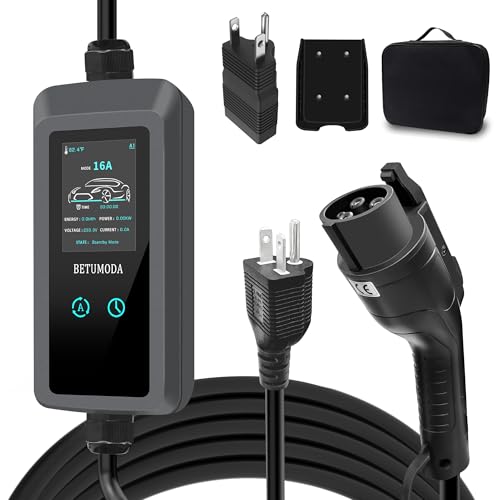
Level 1 EV Charger 25ft 16A NEMA5-15/6-20P
More Details On The Shortlist
That 25-foot cable matters more than it sounds like. In a shared driveway or a garage with awkward parking angles, the extra reach gives you room to work without shuffling the car around like a puzzle piece.
The dual-voltage setup also makes this one practical for mixed routines, since you can keep it useful at home and still have a portable option for trips or older outlets. The trade-off is straightforward, it’s not the fastest wall-mounted route, but for J1772 and PHEV households that value flexibility, the balance feels sensible.
Strong Points
- 25-foot cable gives you generous reach in tighter parking spots.
- Works across Level 1 and Level 2 setups, which helps in homes with changing electrical access.
- Portable format makes storage and travel easier than a fixed wall unit.
- J1772 support fits a wide range of non-Tesla vehicles.
Things To Consider
- The charging pace depends heavily on the outlet and circuit you have available.
- Long cables need tidy storage, especially in garages where floor space is already tight.
Core Details
Who It Suits Best
Commuters and households that split charging between different outlets get the most value here.
A Better Fit Elsewhere
EVIQO Level 2 EV Charger NACS 48A Hardwired suits a garage setup where speed matters more than portability.
bokman leans into portability in a way that suits apartments, older homes, and road-trip trunks. The 20-foot cable is long enough for many standard parking setups, yet still easier to manage than a bulkier home wall unit.
The adjustable current range gives you more control over how hard you ask your outlet to work, and the built-in delay timer adds a useful off-peak habit for overnight charging. The honest read is that it asks you to think a little more about settings, but that same control is exactly why many practical households will like it.
What We Like
- 20-foot cable covers many everyday parking layouts without feeling excessive.
- Adjustable current makes it easier to match the outlet and the routine.
- Delay timer supports overnight scheduling for more convenient charging habits.
- Portable build makes it easier to pack for travel or move between locations.
- Includes both 6-20P and 5-15 adapter support for broader outlet compatibility.
Minor Gripes
- More settings mean a little more setup than a basic plug-in charger.
- Long-term cable storage still matters, especially in small entryways or trunks.
- Households wanting a wall-mounted permanent setup may prefer a fixed unit instead.
Who Should Grab It
You get the most from this one in shared housing or travel-heavy routines where portability outranks raw speed.
Where A Sibling Pick Shines
Lectron Level 1 EV Charger 110V 15 Amp fits a simpler outlet-and-go routine for everyday overnight top-ups.
For Tesla-style charging at home, this EVIQO keeps the setup clean by using NACS directly, so you skip the extra adapter layer. That makes the daily plug-in routine feel simpler, especially in a garage where you want one cable, one plug, and no extra pieces to misplace.
The 40A ceiling is a strong middle ground for a Level 2 unit, and the NEMA 14-50 connection suits many home outlets built for heavier appliances. The trade-off is that J1772 vehicles need an extra adapter, so non-NACS households may prefer a different pick in this list.
Highlights
- Direct NACS plug removes the need for an adapter on compatible vehicles.
- 40A output gives you a faster home-charging path than Level 1 gear.
- NEMA 14-50 plug suits garages that already have the right outlet installed.
- Wall-mounted format keeps the charging area tidier than a portable unit.
Points To Note
- J1772 vehicles need a separate adapter, so setup is less universal than it first appears.
- Wall mounting works best in a dedicated space, not a spot you rearrange often.
Feature Snapshot
The Right Fit
You’ll like this most in a home garage built around a NACS vehicle and a ready 240V outlet.
Look Elsewhere When
Autel 40A Level 2 EV Charger WiFi 25ft Cable suits you better when smart features and longer reach matter more.
This hardwired EVIQO feels aimed at a more permanent garage installation. Compared with the NEMA 14-50 version above, you’re trading plug-in convenience for a cleaner, fixed setup that suits households ready to commit to one charging point.
The 48A rating makes it the most forceful option in this group on paper, and the 25-foot cable helps the charger stay useful even in wider garages or driveway-mounted installs. The catch is simple, hardwired gear asks more from the installation side, so it belongs with a dedicated space and a more settled plan.
Best Bits
- 48A output gives you a stronger home charging option than the 40A models here.
- Hardwired install can feel cleaner in a dedicated garage.
- 25-foot cable helps with longer reaches across larger parking areas.
- NACS support keeps the experience direct for compatible vehicles.
Areas To Watch
- Hardwired setup is less flexible if your parking or electrical layout changes later.
- Non-NACS vehicles need extra adapter planning.
Built With In Mind
This suits homeowners who want a fixed charger in a long-term parking spot and value reach plus speed.
Swap It Out When
EVIQO Level 2 EV Charger NACS 40A NEMA 14-50 is easier to live with for plug-in flexibility.
Lectron keeps the formula simple, and that’s exactly why it makes sense for standard outlet charging. The 110V, 15-amp setup suits overnight top-ups at home or work, especially for drivers whose daily mileage stays moderate.
The 16-foot cord gives you some breathing room without turning storage into a chore, and the J1772 cable covers a wide slice of non-Tesla EVs. It’s not meant to hurry the process, so this is the calm, sensible route rather than the fast one.
Upsides
- Simple outlet use keeps setup easy for everyday charging.
- Portable form works well in garages, offices, and backup-use situations.
- 16-foot cord offers useful reach for many parking spaces.
- J1772 compatibility fits a broad group of mainstream EVs.
Room For Improvement
- Level 1 charging is slower, so it suits lighter daily mileage better.
- Shorter cord than the 20-foot and 25-foot picks may feel tight in larger driveways.
Whose Shelf It Belongs On
You get the most out of this one in a garage with a standard outlet and a predictable overnight routine.
Another Choice May Suit
bokman Portable Level 1&2 EV Charger 16A 20ft fits better for households that want adjustable current and more reach.
Autel brings a more connected feel to home charging. The WiFi link is the detail that changes the day-to-day experience, because it points toward remote monitoring and settings that make sense in a modern garage.
The 25-foot cable also helps a lot in real spaces, especially where the outlet sits on one wall and the parking position ends up farther away. Compared with the simpler Lectron and EVDANCE portables, this one is more of a fixed home setup with a stronger tech angle.
Reasons To Buy
- WiFi support adds a connected layer to routine charging.
- 25-foot cable helps in garages with awkward outlet placement.
- 40A Level 2 output gives you a faster home charging path than Level 1 units.
- NEMA 14-50 plug suits many dedicated 240V outlets.
Softer Spots
- Smart features matter most for people who actually want app-based control.
- Wall-oriented use makes it less flexible than the portable picks here.
Technical Sheet
Perfect Match For
You’ll appreciate this most in a garage where cable reach and connected control both matter.
Reach For A Different Pick When
EVIQO Level 2 EV Charger NACS 40A NEMA 14-50 fits better for a direct Tesla-style plug without WiFi focus.
The long cable is the headline here, and for parking lots, driveways, or slightly awkward home outlets, that matters a lot. It gives you the kind of reach that can make a simple Level 1 setup feel far less fussy.
The adjustable current options also help this one stretch beyond the bare minimum, especially for drivers who want a little more control over how they charge. The trade-off is that it still sits in the Level 1 lane, so it makes the most sense as a flexible, portable companion rather than a fast home upgrade.
Bright Spots
- 25-foot cable gives you broad placement freedom.
- Four current levels help you match the charging pace to the situation.
- NEMA 5-15 and 6-20P support broadens outlet compatibility.
- Portable format suits travel bags and occasional use away from home.
Honest Caveats
- Level 1 charging remains slower than the Level 2 options in this roundup.
- Long cable storage needs a bit of care to avoid tangles and clutter.
Best Suited To
This works well for drivers who want a highly portable charger with generous reach and simple outlet compatibility.
Where Shoppers Go Wrong
Autel 40A Level 2 EV Charger WiFi 25ft Cable is the smarter fit for anyone who wants app-connected home charging instead of a portable setup.
What To Weigh Before Choosing Ev Car Chargers
Cable Reach And Parking Layout
The cord length has a bigger impact than many shoppers expect. A 16-foot cable can feel fine beside a compact garage spot, while 20 to 25 feet gives you room for awkward angles, driveways, and shared parking.
Plug Type And Vehicle Fit
J1772 works for many non-Tesla EVs and plug-in hybrids, while NACS suits Tesla-style vehicles and compatible ports. Matching the connector saves you from buying around the car instead of for the car.
Level 1 Versus Level 2
Level 1 uses a standard outlet and moves more slowly, which fits overnight routines and lighter daily mileage. Level 2 needs a 240V setup, but it usually makes more sense for heavier driving or a household with one main charging spot.
Portable Or Permanent
Portable chargers help in apartments, trips, and changing parking situations. Wall units make more sense in a dedicated garage where you want cleaner cable management and a more settled setup.
Things Worth Knowing First
Common Shopping Slip Ups
A lot of trouble starts with the outlet, not the charger. Match the plug, the current, and the space before you settle on a pick.
The Upgrade Payoff
Higher-tier models usually bring faster output, longer cables, or smart controls. Those extras matter most in busy homes, larger garages, or routines that run every day.
Frequently Asked Questions
What makes a Level 1 charger different from a Level 2 charger?
Level 1 uses a standard household outlet and charges more slowly. Level 2 uses 240V and is better suited to faster home charging.
Do Tesla vehicles need a special charger here?
Tesla-style NACS models can use the EVIQO NACS chargers directly. J1772 chargers need the right adapter for Tesla vehicles.
Is a longer cable actually useful?
Yes, especially in garages with awkward outlet placement or wider parking gaps. A longer cord reduces the need to reposition the car.
Are portable chargers worth choosing over wall units?
Portable chargers make more sense for apartments, travel, or changing parking spaces. Wall units fit dedicated garages better.
Does WiFi matter on an EV charger?
It matters most if you want connected monitoring or remote control features. For a basic charging routine, you can skip it.
Final Thoughts
You have a clear split in this lineup: portable Level 1 chargers for flexibility, and Level 2 wall units for faster home routines. Start with your outlet, your vehicle connector, and your parking layout, then the right pick usually becomes obvious. A charger that fits your space well tends to feel better than one that only looks powerful on paper.
