

Picking a first ride for a five-year-old means balancing safety, size, and the kind of thrill that makes them want to scoot every afternoon. At this age, kids are still building balance and reaction time, so the right scooter feels stable under their feet without slowing them down. This roundup covers six options built for early riders, from simple three-wheelers to a more advanced electric pick for bigger kids ready to graduate to motorized fun.
A Fast Comparison Of The Options

Gotrax KS1 Kids Kick Scooter, 3 Wheels

Gotrax KS3 Pro Foldable Kick Scooter with Seat
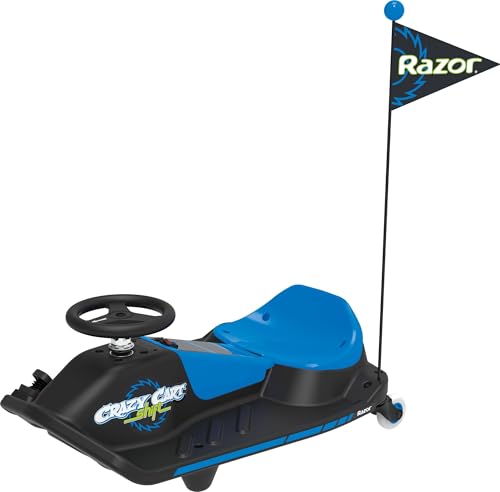
Razor Crazy Cart Shift Electric Go Kart

Gotrax K03 Kids Kick Scooter, LED Light

Hiboy Q2 Lite Electric Scooter for Kids

INVANTI KS03 Electric Scooter for Kids
More Details On Our Top Picks
The Gotrax KS1 is built for riders who are still figuring out which foot goes where. Its three-wheel layout gives a wide, planted base, and the lean-to-steer system (a setup where kids steer by shifting their weight rather than turning a handlebar) lets young riders learn body mechanics instead of wrestling with a stiff wheel. For most five-year-olds, this is the kind of scooter that turns the driveway into confidence-building practice without a steep learning curve.
Parents tend to appreciate how the light-up wheels add visibility during evening scooting sessions, and the deck feels low enough for short legs to push comfortably. Compared to the Hiboy Q2 Lite later in this list, the KS1 keeps things purely manual, so there’s nothing to charge and no speed to manage. For early riders who outgrow a trike, the KS3 Pro offers a seat-equipped upgrade path from the same brand.
The Case For It
- Three-wheel stance creates a forgiving platform for new riders learning to balance.
- Lean-to-steer design builds coordination naturally as kids shift their weight into turns.
- LED wheels stay visible in low light, helping drivers spot kids from a distance.
- No batteries or motors means zero charging time and minimal maintenance.
Things To Consider
- Plastic deck and frame may show scuffs after a season of hard use on rough pavement.
- Once a child masters balance, the extra wheel can feel limiting within a year or two.
Feature Snapshot
Made For
First-time riders between ages two and five who need a steady, low-effort scooter to build early balance and steering habits.
Look Elsewhere When
A child already comfortable on a trike wants more speed, in which case the Hiboy Q2 Lite offers a gentle electric step up.
The Gotrax KS3 Pro addresses a real parenting frustration: toddlers who want to scoot but run out of leg stamina halfway down the sidewalk. The removable seat lets kids sit and scoot before they’re ready to stand, then comes off once balance improves. For families sharing one scooter between a younger and older child, that flexibility is genuinely useful.
The foldable frame makes it easier to toss in a trunk or stash behind a door, and the extra-wide LED wheels brighten up every ride. Compared to the standard Gotrax KS1, this version adds seating and folding hardware, which adds weight but also longevity as a child grows. For riders ready to leave trikes behind entirely, the Gotrax K03 moves to a two-wheel setup.
A Few Strong Suits
- Removable seat supports scoot-and-sit play for kids who tire quickly on foot.
- Folding frame collapses for car trips and apartment storage.
- Three light-up wheels add visibility during dusk rides.
Worth Noting
- Heavier than basic three-wheelers, which can matter when kids carry it themselves.
- Seat hardware introduces more parts that may loosen over time and need occasional tightening.
Best Suited To
Toddlers and young five-year-olds still building endurance, especially families who need a scooter that fits easily into a small car or closet.
Swap It Out When
A confident rider wants to ride standing up full-time, in which case the Gotrax K03 offers a lighter two-wheel experience.
The Razor Crazy Cart Shift is less of a scooter and more of a battery-powered drift machine built for kids who already have a sense of speed. The simplified drift system engages automatically, so beginners can spin without mastering complicated throttle tricks. A high and low speed switch lets parents dial things down while kids are still getting comfortable behind the wheel.
At 120-pound rider capacity, this go kart grows with a child through several years, which softens the higher upfront cost. Unlike the kick-scooter picks in this list, it requires charging time and dedicated driveway or sidewalk space. For families comparing electric options, the Hiboy Q2 Lite covers a younger age bracket at lower speeds.
Notable Upsides
- Drift system activates automatically, lowering the skill barrier for spinning fun.
- Two-speed switch lets parents cap the top speed while skills develop.
- 120-pound weight capacity extends usable life across multiple years.
Honest Caveats
- 12V battery needs regular charging and runtime depends on terrain and rider weight.
- Footprint is wide, so storage in apartments can be a real challenge.
- Marketed for ages 6 and up, so most five-year-olds may need to wait a year before it fits well.
Right Fit For
Bigger kids around age six and up with a driveway or open paved area, especially those who already love anything with wheels and a throttle.
Consider Something Else When
A five-year-old still needs balance practice, in which case the Gotrax KS1 offers a safer entry point before any motorized riding.
The Gotrax K03 is the right scooter for a five-year-old who has outgrown a trike but isn’t quite ready for an electric model. The two-wheel design demands real balance, and the ABEC-7 bearings (a precision rating system where higher numbers mean smoother, faster-spinning wheels) help the front and rear PU wheels roll with minimal resistance. That translates to less pushing effort and longer rides for short legs.
Brightness scales with speed on those LED PU wheels, so the faster a child goes, the more visible they become. Compared to the three-wheel Gotrax KS1 reviewed earlier, this is a meaningful step up in coordination demands. Riders who want motorized fun next should look at the Hiboy Q2 Lite, which keeps a similar compact footprint with three-speed electric drive.
The Helpful Details
- ABEC-7 bearings keep the roll smooth, so kids aren’t fighting stiff wheels on every push.
- LED PU wheels glow brighter as speed increases, doubling as a visibility feature.
- Lightweight frame is easier for small kids to manage between rides.
Points To Note
- Two-wheel setup requires more balance, so newly transitioned riders may take a few sessions to adjust.
- Smaller 4-inch rear wheel can feel less stable over rough sidewalk cracks than a trike.
Who It Suits Best
Confident preschoolers and early elementary kids ready to leave three-wheelers behind and develop real two-wheel balance.
Not Your Match When
A child is still wobbling on flat ground, in which case the Gotrax KS1’s three-wheel base is a safer starting point.
The Hiboy Q2 Lite is a sensible first electric scooter for kids between four and ten. The 100W brushless motor (a motor design with no internal brushes, which means quieter operation and less maintenance over time) delivers steady, manageable power rather than sudden surges, and the three-speed selector lets parents match the pace to a child’s experience. The included seat adds a familiar comfort for kids transitioning off a trike.
UL 2272 certification (a safety standard that covers the electrical drive train, battery, and charger system) is a real differentiator, and for many parents that’s the deciding factor when shopping for a first electric ride. The 5-inch solid wheels hold up against small debris better than air-filled tires. Riders ready for more speed and range should consider the INVANTI KS03, which jumps to a 350W peak motor and longer deck.
Practical Advantages
- Three-speed selector scales the experience as a child’s confidence grows.
- UL 2272 certification covers the battery and electrical system for added peace of mind.
- Solid wheels resist flats from curbside debris and small sticks.
- Seat option supports younger riders who aren’t ready to stand the whole ride.
A Few Limitations
- Top speed is modest, so thrill-seeking kids may want something faster within a year.
- Battery range between charges varies with terrain and rider weight.
- Heavier than a kick scooter, which matters if stairs are part of the daily routine.
Feature Snapshot
Who Should Grab It
Families introducing a first electric scooter to a four- or five-year-old, especially those who want a certified battery system and adjustable speed control.
Reach For A Different Pick When
An older child wants real range and faster top speeds, in which case the INVANTI KS03 is a more capable upgrade.
The INVANTI KS03 sits at the upper end of the kid-electric category, with a 180W continuous motor that peaks at 350W. Top speed lands around 12 mph with a real-world range close to 10 miles, depending on rider weight, terrain, and how aggressively a child uses the throttle. Three adjustable height settings and three speed modes let the scooter stretch across several growth spurts.
The 7-inch solid wheels and double braking system (combining a hand brake and an electronic or foot brake for shorter stopping distance) help on longer rides where unexpected stops matter. Compared to the Hiboy Q2 Lite, the INVANTI trades some beginner friendliness for genuine performance. For kids under seven, the seat-equipped Hiboy remains the safer match.
Practical Pluses
- 350W peak motor delivers confident acceleration on flat sidewalks and gentle inclines.
- Three height settings extend usable life as a child grows taller.
- LED display keeps speed and battery visible at a glance.
- Double braking shortens stopping distance compared to single-brake setups.
Where It May Fall Short
- Marketed for ages 8 and up, so most five-year-olds will need to grow into it first.
- Higher top speed demands more parental supervision in driveways and shared spaces.
- Battery charging time can stretch into several hours between longer outings.
Quick Facts
Perfect Match For
Older kids approaching age eight and up who are ready for a real electric scooter with adjustable fit, longer range, and stronger brakes.
Skip It When
A child is still under six or just starting on wheels, where the Hiboy Q2 Lite offers a gentler electric introduction with a seat option.
What To Weigh Before Choosing An Electric Scooter For A Five-Year-Old
Sizing And Adjustability
A scooter that fits today but not next year is a waste of money. Adjustable handlebar height matters most, since kids grow fast between ages five and eight. For kick scooters, deck length should let both feet rest comfortably with a slight bend in the knees. Electric models need a similar fit, plus a stand-over height that lets a child plant both feet when stopping.
Wheel Count And Stability
Three-wheel scooters win for true beginners, since the wider base forgives the wobble that comes with new balance skills. Two-wheelers step in once a child shows confidence, and they typically roll faster with less effort. Electric models add a throttle layer, but wheel count still affects how stable the platform feels during starts and stops.
Speed Control And Safety Features
For any electric option, multiple speed settings are worth the search. UL 2272 certification covers battery and electrical integrity, and solid wheels avoid the flats that come from curbside debris. Braking style matters too: hand brakes plus an electronic or foot brake shorten stopping distance compared to single-brake setups.
Budget And Longevity
Kick scooters cost less and last longer because there are no batteries to fail, but electric models open up longer rides and more excitement. The honest read is that an entry-level kick scooter for ages two through five often gets handed down to a younger sibling, which spreads the cost across multiple kids.
Key Considerations Across These Picks
Common Shopping Slip Ups
A frequent mistake is buying a two-wheel scooter for a child who hasn’t yet built balance on three. Another is choosing a high-speed electric model for a five-year-old when the brand’s own age recommendation starts at eight. The smarter move is matching the scooter to the child’s current coordination rather than the age they will turn next year.
Where The Extra Money Goes
Higher-tier electric scooters cost more because of stronger motors, longer battery range, certified electrical systems, and adjustable frames that grow with a child. The upgrade pays off when a kid rides daily, covers real distances, or shares the scooter with a sibling. For occasional driveway scooting, a basic three-wheel model covers the need without stretching the budget.
