

Picking an electric scooter for an 11-year-old means balancing three things at once: enough speed to feel fun, enough control to feel safe, and a size that won’t be outgrown in a season. The right pick depends heavily on your child’s comfort with two-wheeled riding, your neighborhood’s terrain, and whether the scooter will be shared with siblings. This roundup walks through five models that span the range from stable beginner platforms to high-performance machines designed for older kids and shared family use, so you can match the scooter to the rider rather than the other way around.
The Essentials At A Glance

COMLEROM Electric Scooter with Seat, 52 mph
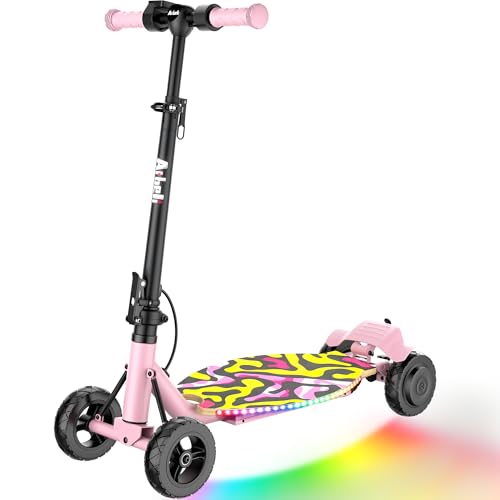
ARBELI 4-Wheel Electric Scooter for Kids 8+

Gyroor C1 Electric Scooter with Seat 450W
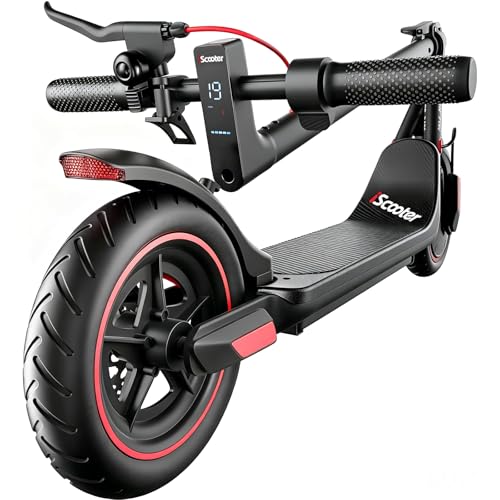
iScooter Portable Foldable Electric Scooter
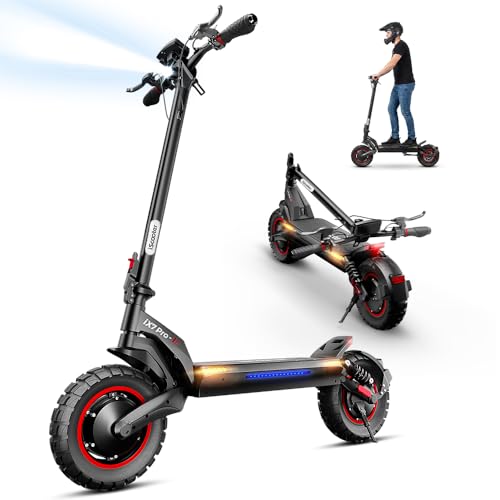
iScooter 2000W Off-Road Electric Scooter
The Picks, Examined More Closely
The COMLEROM lands at the top of the list for households that want one scooter to do serious duty. Built around a forged aluminum frame (a manufacturing process that shapes the alloy under high pressure for stronger, lighter parts than cast alternatives), this model weighs around 88 pounds and targets adult commuters, which means it can comfortably carry a parent and then hand off to an older 11-year-old for weekend rides.
Where it really separates itself is range and raw output. The motor setup is sized for long commutes, and the integrated seat makes longer rides far less tiring than standing the whole way. For families where mom or dad will use the scooter for errands before passing it to the kids, that dual-purpose angle is genuinely useful.
Benefits That Matter
- Forged aluminum frame resists corrosion and keeps overall weight manageable for a high-output scooter.
- Long claimed range supports full-day riding without a mid-trip charge, handy for park days or extended loops.
- Seated riding position reduces fatigue on longer trips, especially for kids still building stamina.
- Powerful motor setup handles hills and heavier riders without bogging down.
Things To Consider
- Top speed and weight are well beyond what most 11-year-olds should handle without close supervision.
- At roughly 88 pounds, storage in a typical garage or apartment entryway takes planning.
Who It Suits Best
Families who want one scooter that a parent commutes on during the week and an older child rides on weekends, with clear ground rules about speed and terrain.
Where Another Pick Suits Better
For a child riding solo on sidewalks and cul-de-sacs, the ARBELI 4-Wheel Electric Scooter for Kids 8+ is a calmer, more age-appropriate starting point.
The ARBELI is the pick most 11-year-olds should actually start on. The four-wheel platform changes the whole learning curve: instead of balancing on two narrow wheels while figuring out the throttle, a new rider gets a planted, stable base that forgives the wobbles every beginner makes. You can think of it as a bridge between a kick scooter and a full electric.
It runs on a 250-watt brushless motor (a motor with no internal brushes, so it runs quieter and needs less maintenance than brushed designs) capped at 10 mph, with adjustable handlebar height from about 35 to 39.4 inches. That height range is the detail parents tend to overlook, since it lets the same scooter grow with a child across a couple of years rather than getting outgrown by spring.
A Favorable Mix
- Four-wheel layout drastically reduces tip-overs during the first weeks of riding.
- 10 mph cap is genuinely appropriate for sidewalk and driveway use without feeling babyish.
- Adjustable handlebar height extends usable life across multiple growth spurts.
- Rider capacity up to 176 pounds means older siblings or even a parent can hop on.
Worth Noting
- Four wheels and a wider deck take up more storage space than a typical two-wheel scooter.
- Around 8.5 miles of range per charge is fine for neighborhood loops but limiting for longer adventures.
- Heavier than a kick scooter, so carrying it up apartment stairs is a real workout.
Built With In Mind
First-time riders, cautious kids, and any 11-year-old who hasn’t logged much time on two wheels yet, especially in homes with driveways, cul-de-sacs, or quiet streets to learn on.
Skip It When
Your child already rides confidently and wants something sportier; in that case the iScooter Portable Foldable Electric Scooter is a more engaging step up.
The Gyroor C1 sits in a useful middle ground. A 450-watt motor is enough for moderate hills without the “this is basically a motorcycle” feeling of the higher-powered picks, and the integrated seat makes it approachable for kids who aren’t yet confident standing on a narrow deck at speed. The design is more utility-focused than sport-focused, which is exactly what some families want.
Where this scooter earns its spot is everyday errand duty. Think: riding to a friend’s house a few blocks over, getting to a park with a slight hill, or zipping across a large campground. You may find the top speed modest compared to the iScooter models further down, but that’s the trade-off for a calmer, more neighborhood-friendly ride.
Useful Touches
- Seated design lowers the skill barrier for kids still building balance on a moving platform.
- 450W motor handles modest inclines without the rider needing to push.
- Around 20 miles of range covers most week-day errand patterns on a single charge.
- Lower top speed makes it easier to set household speed rules and stick to them.
Points To Note
- Seated scooters are heavier and bulkier to store than a folding standing model.
- Less exciting for kids who specifically want the sport-scooter look and feel.
Feature Snapshot
The Right Fit
Kids who prefer a calm, seated ride for getting around the neighborhood and running short errands, rather than chasing top speed.
Reach For A Different Pick When
Your child wants the sport-scooter experience with a standing deck; the iScooter Portable Foldable Electric Scooter fills that role at a similar size.
The iScooter folding model is the most “lived-with” scooter on this list. It’s built around a 350W motor (with brief peak output up to 500W for hill starts) and tops out around 19 mph, which is fast enough to feel exciting to an 11-year-old without crossing into the territory where you start having serious conversations about safety gear. The folding frame is the real story: it collapses down to a size that fits in a car trunk or a closet corner.
Compared to the COMLEROM at the top of the list, this is a much more manageable package for a kid to own and maintain. The LED display and companion app let you keep an eye on battery and speed, which is handy for parents setting boundaries.
Standout Benefits
- Folding frame makes storage in apartments and car trunks realistic, not aspirational.
- App connectivity gives parents visibility into speed and battery without hovering.
- Up to 15 miles of range covers school commutes and after-school loops comfortably.
- 19 mph top speed is brisk but not extreme for a confident 11-year-old.
Honest Caveats
- Rough pavement exposes the limits of a standard suspension setup; expect more feedback through the handlebars.
- Folding mechanisms need periodic checks, and hinges can loosen over months of regular folding.
- Battery life shortens noticeably in very cold weather, a common trait across most scooter batteries.
Made For
Big kids and parent-child pairs who need a scooter that lives in a small space and travels well, with enough speed to keep things fun.
Look Elsewhere When
The riding happens on dirt paths or grass more than pavement; the iScooter 2000W Off-Road Electric Scooter handles mixed terrain much more confidently.
The iScooter off-road model is the most serious machine here, and it earns that label honestly. Dual 1000W motors, 10- or 11-inch pneumatic off-road tires (air-filled tires with knobby tread that absorb shock and grip loose surfaces far better than hard plastic wheels), front and rear suspension, and integrated turn signals push it well past the commuter-scooter category into something closer to a lightweight electric bike in capability.
It also folds, which sounds improbable given the spec sheet, but the folding joint is what makes ownership practical. For an advanced teen or a parent who wants weekend trail use, this is the pick. For a typical 11-year-old’s daily ride, it’s almost certainly too much, and that’s worth saying directly.
Everyday Advantages
- Dual-motor setup gives confident hill-climbing and acceleration that single-motor scooters can’t match.
- Off-road tires and dual suspension handle grass, gravel, and uneven park paths without drama.
- Turn signals add a visibility layer that most scooters skip, useful in low-light conditions.
- Storage bag and folding design keep the practical ownership story together despite the size.
Some Limits To Know
- Top speed options (around 28 to 38 mph depending on configuration) are well beyond appropriate for an 11-year-old without close supervision.
- Heavier and more expensive to maintain than simpler commuter scooters.
- Overkill for short, flat neighborhood rides; the power goes unused most of the time.
Feature Snapshot
Best Suited To
Advanced teen riders and parents who want a capable trail and commute scooter, with clear rules about who rides and where.
Swap It Out When
The rider is younger or still building skills; the ARBELI 4-Wheel Electric Scooter for Kids 8+ is the safer entry point by a wide margin.
What To Weigh Before Picking An Electric Scooter For Your 11 Year Old
Speed and motor power tend to dominate the conversation, but they shouldn’t drive the decision on their own. For an 11-year-old, the more important questions are about fit, control, and where the scooter will actually be ridden.
Rider Size And Adjustability
An 11-year-old can range from just under four feet to nearly five and a half, so a fixed-height handlebar is a common regret. Adjustable handlebar height, like the ARBELI’s 35 to 39.4-inch range, lets the same scooter span a couple of growth years. Deck width and standing comfort matter just as much: a narrow deck feels twitchy, while a wider one gives a young rider room to shift stance and recover balance. Deck height off the ground also affects how easily a child can step off safely when stopping.
Speed And Skill Level
A scooter that goes 20 mph sounds fun until you picture a child handling that speed across a damp driveway. Most 11-year-olds do well with a 10 to 15 mph cap, with room to grow into something faster once steering, braking, and obstacle reading become second nature. Brushless motors (like the one in the ARBELI) tend to deliver smoother low-speed throttle response, which is exactly what new riders need to build confidence.
Terrain And Tire Choice
Smooth sidewalks and quiet streets are forgiving on any scooter. Once gravel, grass, or hills enter the picture, tire type and suspension start to matter. Hard plastic wheels are fine indoors and on perfect pavement, but pneumatic (air-filled) tires and a basic suspension setup, like the off-road iScooter’s dual-suspension system, absorb the small impacts that otherwise get transmitted straight to young wrists and ankles.
Weight, Storage, And Daily Use
A scooter that lives in a garage is one thing; a scooter that needs to be carried up apartment stairs every evening is another. Folding designs collapse the storage problem significantly, and that practical detail often matters more in daily life than peak speed. The iScooter folding model makes a strong case here, since collapsing it takes seconds and fits in a closet.
Key Considerations Across These Picks
Common Shopping Slip Ups
The most frequent mistake is buying a scooter that’s too fast, too heavy, or both, for the rider. A high-output model like the iScooter 2000W is genuinely impressive on paper, but a scooter that’s too much machine for the child becomes a scooter that sits in the garage. A second common slip is ignoring tire type: solid wheels on rough surfaces translate every crack into a wrist jolt, and kids quietly stop riding scooters that feel punishing.
What The Higher Tier Buys
Stepping up to a premium model generally buys three things: longer range, more confident hill-climbing, and better ride quality over imperfect pavement. For a household that plans to share the scooter or use it for real transportation, those upgrades earn their keep. For a child riding short loops on smooth streets, the extra money often goes toward speed and power that won’t get used, which is the case for spending up, not spending more for its own sake.
Frequently Asked Questions
What Speed Is Safe For An 11 Year Old On An Electric Scooter?
Most 11-year-olds handle 10 to 15 mph well once they have a few weeks of practice, and that range is where the ARBELI and the iScooter folding model sit. Higher speeds are manageable for experienced teens, but for an average 11-year-old, faster usually means more risk than reward.
How Far Can An Electric Scooter For Kids Typically Go On One Charge?
Range varies widely by model and riding conditions, but kid-focused scooters commonly cover 8 to 15 miles per charge, while seated and commuter models like the Gyroor C1 stretch to around 20 miles. Hills, rider weight, and cold weather all reduce real-world range compared to advertised figures.
Are Four-Wheel Electric Scooters Better For Beginners?
Four-wheel platforms offer noticeably more stability during the learning phase because the rider isn’t balancing on two narrow contact patches. That stability comes at the cost of storage footprint and a slightly less sporty feel, so the trade-off is worth it for first-timers but less so for kids who already ride confidently.
Can An Electric Scooter For An 11 Year Old Handle Hills?
Modest hills are within the capability of most 250W to 450W scooters, including the ARBELI and the Gyroor C1, especially with a lighter rider. Steeper terrain, loose surfaces, or a heavier rider call for dual-motor setups like the iScooter 2000W, which is built specifically for that kind of work.
What Safety Gear Should An 11 Year Old Wear On An Electric Scooter?
A properly fitted helmet is the baseline, and wrist guards and closed-toe shoes are widely recommended for any child riding an electric scooter. Bright or reflective clothing helps with visibility, especially around dusk, and parents often set household speed limits as an additional layer of protection beyond gear alone.
The Takeaway
The right electric scooter for an 11-year-old is the one that matches both the rider and the riding environment, not the one with the most impressive spec sheet. Stable platforms like the ARBELI build skills first, while capable commuters like the iScooter folding model and the Gyroor C1 give older kids room to grow. Match the scooter to your child, set clear ground rules about speed and terrain, and the right pick tends to become obvious once those constraints are on the table.
