

Choosing the right charger matters more than it looks. The wrong plug shape, battery chemistry, or voltage can turn a simple top-off into a frustrating mismatch, especially for daily commuters, mobility scooter users, and families juggling more than one ride. A good match keeps your scooter ready without forcing you to decode a tangle of labels every time you plug in.
Below, you’ll find nine chargers with very different strengths, from 24V options for older scooter and power chair setups to 54.6V units for 48V lithium batteries. The goal is straightforward, help you match the charger to the battery, connector, and routine that fits your setup.
Quick Shortlist For Fast Matching

Precision Auto Products 24V 2A GoGo Mobility Scooter Charger
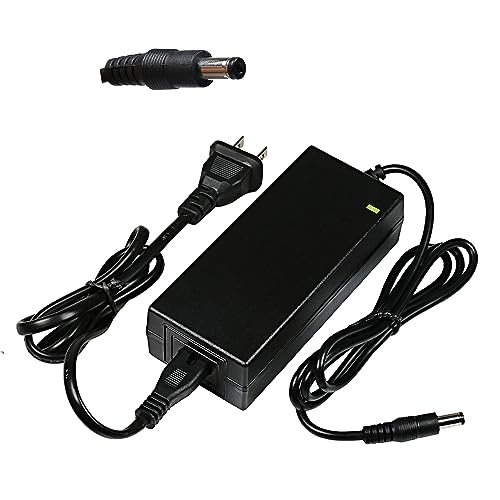
Jucuwe 42V 2A DC Male Power Adapter
Brokeir 42V 2A Replacement Scooter Charger With 4 Plugs
nvmw 24V 2A Electric Scooter Battery Charger

Carsty 42V Hoverboard Charger 5-in-1
Generic 24V Razor Scooter Charger E300 Series

KAVCENT 24V Razor MX350 Dirt Bike Charger
EVAPLUS 54.6V Fast Charger for 48V Lithium Batteries
More Details On Our Top Picks
This charger makes sense for older mobility scooters and power chairs that rely on a 24V sealed lead acid setup and a 3-pin XLR port. The 2A output sits in the middle ground, so you get a calmer charge pace than a tiny trickle unit without jumping into anything exotic. For daily use around the house or in a garage, that balance is often the point.
Compared with the later 42V scooter chargers in this list, this one is built for a different battery family entirely, so the connector and voltage check matter more than the brand name. The honest read is simple, this is a compatibility-first pick for people who already know their scooter uses the same port shape.
Strong Points
- 24V output suits many SLA scooter batteries.
- 3-pin XLR connector keeps matching straightforward.
- 2A output helps avoid overly sluggish charging.
- Works for scooters and power chairs in the same family.
Small Caveats
- Only fits compatible 24V systems, so port checks matter.
- Not the right match for lithium scooter packs.
- XLR charging leads can feel bulky in tight storage spots.
Feature Card
Who It Suits Best
Mobility scooter and power chair owners with a confirmed 24V sealed lead acid battery setup will get the most value from this one.
Where A Sibling Pick Shines
nvmw 24V 2A Electric Scooter Battery Charger is the better fit for someone who wants a similar 24V option with a broader scooter-oriented use case.
Compared with the 24V units above, this Jucuwe charger is aimed at 36V lithium battery setups, so the voltage match is the first thing to check. The 5.5mm connector size language matters because e-bike and scooter ports can look close enough to fool you at a glance. In a garage where you want a light, no-fuss wall charger, that simplicity is handy.
You may find the fixed connector approach more convenient than the multi-plug chargers later in the list, especially for a single bike or one regular scooter. The trade-off is obvious, this is less flexible than the four-plug Brokeir option, so it shines most when your gear is already settled.
Positives
- 42V output fits 36V lithium battery systems.
- Compact shape suits small storage spots.
- Direct connector style keeps setup simple.
- Good match for routine home charging.
Things To Consider
- Only works for the right lithium battery type.
- Connector size needs a careful port check.
- Less adaptable than multi-head chargers.
Core Details
Made For
People with a single 36V lithium e-bike or scooter battery and a known matching port will get the cleanest fit here.
Another Choice May Suit
Carsty 42V Hoverboard Charger 5-in-1 makes more sense for mixed scooter and hoverboard setups that need several connector styles in one place.
The extra plug set gives this Brokeir charger a clear edge for households with more than one scooter model or a stubbornly hard-to-match charging port. Since it is built for 36V lithium batteries, the category fit stays narrow, but within that lane it offers real flexibility. For a busy entryway or shared garage, having several tips in one charger can save a lot of trial and error.
Unlike the simpler Jucuwe charger, this one leans into adaptability rather than a single connector shape. The honest trade-off is that you still need to confirm battery chemistry and port compatibility, yet that is the sort of check that pays off before you plug in.
What We Like
- Four included plugs widen compatibility.
- 2A output is useful for steady everyday charging.
- Fits 36V lithium battery systems.
- Good choice for homes with mixed gear.
- UL-listed note adds confidence for cautious shoppers.
Areas To Watch
- Still limited to compatible 36V lithium batteries.
- Multiple plugs can add a little storage clutter.
- Port checking remains important before first use.
Details At A Glance
Right Fit For
Shoppers with more than one compatible scooter or e-bike at home will appreciate the broader connector choice.
Reach For A Different Pick When
Jucuwe 42V 2A DC Male Power Adapter suits a single-bike setup better, since it keeps the charging path more streamlined.
Hiboy owners tend to do best with a charger that already speaks the same model language, and this vhbw unit does that job plainly. The barrel-style round tip is the key detail, because it separates this one from the XLR-based 24V chargers earlier in the list and from the more universal 5-in-1 option below. For a daily commuter who just wants a predictable replacement at home, that narrow focus is useful.
The trade-off is flexibility, since this is built around specific Hiboy scooters rather than a broad pile of unrelated gear. You may find that limitation reassuring rather than restrictive, especially when a precise model match matters more than connector variety.
Highlights
- Made for several Hiboy scooter models.
- Barrel round plug keeps the fit specific.
- 42V output suits compatible lithium systems.
- Good replacement path for known Hiboy setups.
Worth Noting
- Only works with the right Hiboy version.
- Round plug makes it model-specific.
- Less helpful for mixed-scooter households.
Technical Sheet
The Right Fit
Hiboy scooter owners who know their charging port is a barrel-style round socket are the clearest match for this one.
Swap It Out When
Brokeir 42V 2A Replacement Scooter Charger With 4 Plugs works better for households that need connector flexibility instead of a model-specific cable.
This nvmw charger covers the same broad 24V lane as the first pick, but it leans a little more toward mixed compatibility across scooter and power chair names. The 3-pin XLR tip is the key to that fit, and the included power cord length helps in a garage or utility room where the outlet sits a bit away from the parking spot. For many households, that ordinary practicality is exactly the point.
The protection features give it a more careful feel than a bare-bones cord, and that matters when a charger lives on a shelf and gets used over and over. The catch is the same as with any 24V unit, you still need to confirm that your battery chemistry and plug type line up before you plug it in.
Reasons To Buy
- 24V output suits several mobility setups.
- 3-pin XLR connector is easy to identify.
- Protection features add peace of mind.
- Power cord length helps in less convenient outlets.
Minor Gripes
- Only works with confirmed 24V matches.
- XLR layout is less universal than multi-plug kits.
- Some storage shelves may feel crowded with the cord.
Feature Rundown
Whose Shelf It Belongs On
People who use a compatible 24V scooter or power chair and want a plain, dependable wall charger will feel right at home with this one.
Where Shoppers Go Wrong
Precision Auto Products 24V 2A GoGo Mobility Scooter Charger suits anyone who needs the same battery family but prefers the earlier pick’s more mobility-focused framing.
This Carsty charger is the flexible family-room pick, the one that makes sense when a home has hoverboards, scooters, and a few different charging ports in circulation. The five included connector styles are the story here, from XLR to several common barrel-style and pin arrangements. For a mixed garage, that can be more useful than owning three separate cords.
The 1.5A output is slower than some of the 2A options in this roundup, so patience matters a bit more. Still, for overnight charging or occasional top-offs, that slower pace can suit casual use just fine, especially when connector compatibility is the bigger headache.
What We Like
- Five connector styles add real flexibility.
- Fits many scooters, hoverboards, and e-bikes.
- 1.5A rate works well for overnight charging.
- Simple multi-device storage in one charger.
Points To Note
- Slower than the 2A options in this list.
- More plugs can mean more clutter.
- Still needs battery type and port matching.
Core Details
Built With In Mind
Households with a rotating mix of scooters, hoverboards, and similar rides will get the most mileage from this multi-head setup.
Look Elsewhere When
Brokeir 42V 2A Replacement Scooter Charger With 4 Plugs is the sharper fit for someone who wants a faster 2A charge and can live with one fewer connector option.
Razor families often live in garages where the charger gets swapped between kids’ rides, trail toys, and the occasional forgotten pocket mod. This Generic charger focuses on that world, with a 24V lead-acid-friendly setup and the familiar 3-prong inline female power cord style. The fit list is broad enough to cover a lot of Razor-shaped use cases without turning into a universal, does-everything promise.
Compared with the KAVCENT pick that follows, this one feels more like a general Razor replacement than a single-model specialist. The trade-off is that you need to be careful about battery type, since the 24V lead-acid note is the part that matters most here.
Bright Spots
- Wide Razor model coverage.
- 24V output matches many older scooter batteries.
- Inline cord style is familiar and easy to store.
- Good for households with several Razor rides.
Softer Spots
- Only fits the right battery type.
- Lead-acid use makes the category narrower.
- Model checking still matters before purchase.
At A Glance
Whose Shelf It Belongs On
Razor owners who need a straightforward replacement for an older 24V setup will find the strongest fit here.
Skip It When
KAVCENT 24V Charger for Electric Scooter Razor MX350 Dirt Bike is the better call for someone who wants a more specific Razor-focused listing with a slightly clearer model map.
The KAVCENT charger leans into Razor compatibility the way a specialist tool leans into one job. It covers a long list of familiar models, and the 6.6-foot cable gives more freedom than shorter cords in a crowded garage or basement. For families with a few different Razor rides, that extra reach can feel surprisingly useful.
Its built-in protection features matter most for routine home charging, where the charger may sit on a shelf and get used frequently. The drawback is still the same one that follows most Razor-specific chargers, you need to match the battery and model carefully, because broad compatibility claims never replace a quick check of your own unit.
Best Bits
- Long Razor compatibility list.
- 6.6-foot cable gives extra reach.
- Built-in protection suits regular home use.
- Works well for shared family scooter garages.
Areas To Watch
- Still depends on correct model matching.
- Razor focus narrows the use case.
- Cable length helps, but storage space still matters.
Spec Overview
Who Should Grab It
Razor owners who want a long-cord charger for a known 24V setup will appreciate this one most.
Where Shoppers Go Wrong
Generic 24V Razor Scooter Charger E300 Series is the more general replacement for anyone who wants a less model-specific option.
This EVAPLUS charger sits in the higher-voltage lane, so it belongs with 48V lithium battery systems rather than the 24V and 42V choices above. The auto shut-off behavior is the detail that matters in daily life, because a charger that stops itself once the battery is full is easier to live with in a garage or apartment corner. For riders who cycle through longer commutes, that kind of hands-off setup is appealing.
It also uses the common 5.5mm by 2.5/2.1mm connector family, which helps narrow the fit check before you order. The trade-off is simple, this is not a general scooter charger, so it only makes sense for the right voltage class and port size.
Reasons To Buy
- 54.6V output suits many 48V lithium batteries.
- Auto shut-off keeps charging from feeling babysat.
- Connector family is common on many devices.
- Good upgrade path for faster charging needs.
Room For Improvement
- Only fits the 48V lithium battery class.
- Port size still needs a careful match.
- Less useful for older 24V scooter setups.
Quick Facts
Perfect Match For
People with a compatible 48V lithium scooter or e-bike battery and a matching connector size will get the best fit here.
Where The Extra Money Goes
Compared with the simpler 24V chargers in this roundup, EVAPLUS makes sense for riders who want a higher-voltage charger with automatic shut-off behavior and a more modern battery setup.
How To Choose The Right Electric Scooter Battery Chargers
Start With Voltage And Battery Chemistry
Voltage is the first filter, because a charger built for 24V lead-acid batteries belongs in a very different lane from a 42V or 54.6V lithium unit. Battery chemistry matters just as much, since sealed lead acid, AGM, and lithium-ion systems do not use the same charging profile. A mismatch here is the kind of mistake that wastes time before you ever get to the port shape.
For older mobility scooters and power chairs, the 24V XLR chargers in this roundup are the natural starting point. For newer e-bikes and foldable scooters, 42V and 54.6V options usually make more sense, depending on whether the battery pack is 36V or 48V.
Match The Connector, Not Just The Brand
Connector shape can be the difference between a clean setup and a returned order. XLR, barrel round plugs, inline female cords, and 5.5mm connector heads all look similar until they are in your hand, so a quick port check saves trouble. The multi-plug Carsty and Brokeir options help when the household has a few different rides, while the Hiboy charger rewards a tighter brand-specific fit.
That connector check matters even more in shared garages, where more than one scooter can live side by side. One well-matched tip beats a drawer full of almost-right cables every time.
Think About Charge Speed And Routine
Amperage shapes how quickly the battery can charge, and the gap between 1.5A and 2A is noticeable in everyday use. A 2A charger like the Brokeir, Jucuwe, or EVAPLUS options is a better fit for people who plug in often and want less waiting, while 1.5A can be fine for overnight top-offs or lighter use. Faster is not automatically better, it just needs to suit the battery and the way you ride.
Households with a single daily commuter often value consistency more than a long list of connector heads. Families with several devices usually care more about flexibility, so a slower multi-connector charger can still earn its place.
Look For Fit Details That Save Maintenance Headaches
Cable length, wall power input range, and automatic shut-off all affect how pleasant a charger feels after the first week. A longer cable helps when the outlet sits awkwardly behind storage bins, and auto shut-off can make a charger easier to leave in place without hovering over it. The right charger should fit your charging corner as naturally as it fits the battery.
Storage also matters more than people expect. A compact wall adapter is easier to tuck away than a thick cable bundle, but a multi-plug unit can still be the smarter household choice when several rides share the same outlet.
A Quick Reality Check Before You Order
Mistakes Worth Dodging
The most common slip-up is chasing connector similarity and ignoring battery class. A 42V charger does not belong on a 24V lead-acid scooter, and a 24V XLR tip will not help on a lithium pack that needs a barrel connector. Port checking, battery label checking, and model checking all matter here.
Another easy miss is choosing a charger that looks universal but does not match the device you use most. The broadest-looking option is not always the smoothest one in daily life.
What The Higher Tier Buys
Higher-tier chargers usually spend their extra cost on connector flexibility, automatic shut-off, and more careful protection features. In this category, that can also mean a better cable length, broader device compatibility, or a charger built around a specific scooter family rather than a generic label. Those details matter most in homes where the charger gets used often and stored less carefully.
Spending up makes sense when you rely on the charger every day or need one unit to cover several rides. For an occasional backup, a simpler model can be enough, but the upgrade feels worthwhile when you want fewer compatibility hassles.
Closing Thoughts
The right charger here comes down to a calm checklist, battery type, voltage, connector, and how often you plug in. Once those four pieces line up, the category becomes much easier to sort through, and the best fit usually reveals itself fast. For most homes, the smartest choice is the one that matches your scooter first and your storage space second.
