

E-bike speeds change what your head needs on a ride. A helmet that felt fine at 12 mph can feel underbuilt at 25, especially in traffic where cars pass close and reaction time shrinks. This list covers nine options built for exactly that reality, from budget commuter shells to smart helmets with brake lights. Whether you ride a Class 3 e-bike, a scooter, or a mountain trail, there’s a fit here for how you actually ride.
The Shortlist At A Glance
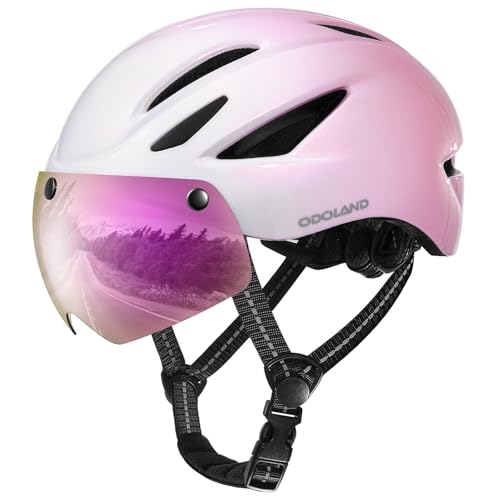
Odoland Adult Bike Helmet with Magnetic Sun Visor
Roozo Youth Kids Dirt Bike Helmet DOT Approved 4-in-1 Set

DKONI Bike Helmet with LED Lights, USB Rechargeable

BATFOX Mountain Bike Helmet with Visor, 54-63cm

Silkycasters Bike Helmet with Front and Back LED Lights

XNITO Bike Helmet with LED Lights, CPSC & NTA-8776
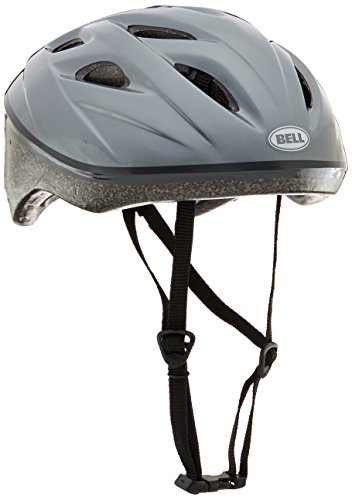
Bell Adult Reflex Helmet, Solid

JDBMAOYE Smart Bike Helmet with Light

ILM Adult Bike Helmet E3-12LS, Triple-Certified
More Details On Our Top Picks
Prescription glasses and bike helmets rarely get along. The Odoland solves that with a glasses-friendly channel design, so arms sit comfortably without the frame digging into your temple mid-ride. The magnetic sun visor pops on and off in seconds, blocking dust, wind, and glare on bright commutes.
For daily urban riding, that combination matters more than it sounds. You stop fumbling with sunglasses at every light, and the adjustable dial means the fit stays snug even over a winter beanie. It’s a straightforward commuter helmet that quietly handles the small annoyances.
Strong Points
- Magnetic visor detaches instantly for cloudy days or night rides
- Glasses-friendly fit means no pressure points on your temples
- One-hand rear dial keeps the fit secure without hair-pulling straps
- Suits mountain, road, and e-bike commuting in one shell
Things To Consider
- Visor magnets can loosen over time, so store the helmet padded rather than tossed in a bag
- Fit range is one-size-fits-most, which may feel loose on very small heads
Who It Suits Best
Commuters who wear prescription glasses daily and want a no-drama helmet for city and light trail riding.
Where A Sibling Pick Shines
Riders who commute after dark will get more value from the DKONI’s rechargeable front and rear lights.
Most youth helmets arrive alone, then you’re hunting for goggles and gloves separately. The Roozo bundle skips that: full-face shell, anti-fog goggles, breathable gloves, and a storage bag in one purchase. The shell carries DOT FMVSS-218 certification, the standard for motorcycle helmets in the US, backed by an ABS outer and dense EPS foam liner inside.
Weight is the detail parents notice first. At 1080 grams, roughly 2.38 pounds, it’s light enough that younger riders don’t complain about neck strain on longer ATV or dirt bike sessions. The washable, sweat-wicking liner helps too, since kids’ helmets get grimy fast.
Highlights
- DOT-certified full-face protection for off-road speeds
- Complete kit means nothing extra to buy before the first ride
- Top and chin vents push airflow to hot zones during hard riding
- One-hand quick-release buckle is easy for small fingers
- Four sizes from 49 to 56 cm cover most youth heads
Minor Gripes
- Full-face designs run warm in summer, so expect sweat even with the vents open
- The liner needs regular washing to stay fresh, a chore some families skip
Quick Facts
Made For
Parents of kids riding dirt bikes, ATVs, or UTVs who want certified protection and a complete kit in one order.
Swap It Out When
Teens riding street scooters at lower speeds will find the JDBMAOYE lighter and better ventilated.
Winter commuters know the problem: you leave work in the dark and clip-on lights are either dead or forgotten. The DKONI builds front and rear LEDs into the shell itself, charged over USB, so visibility is part of the helmet rather than an accessory you can lose.
The fit system is the other strong suit. A one-hand dial adjusts tension without yanking your hair, and three size ranges cover heads from roughly 19 to 24 inches. Compared with the Odoland’s visor-first approach, this one trades sun protection for around-the-clock visibility, which is the right trade for early-morning and evening riders.
Upsides
- Built-in front and rear LEDs charge over USB, no disposable batteries
- One-hand dial adjusts without pulling hair
- Three size ranges fit heads from about 48 to 61 cm
- Unisex design works for shared household use
Small Caveats
- Integrated lights mean charging the helmet regularly, an easy habit to forget
- Electronics add a failure point that plain shells don’t have
Right Fit For
Year-round commuters who regularly ride before sunrise or after sunset in low-visibility traffic.
Another Choice May Suit
Daytime-only riders get better sun coverage from the Odoland’s magnetic visor at a similar simplicity level.
Trail riders put helmets through more abuse than commuters ever will, and the BATFOX is built with that in mind. It carries three certifications: CPSC (the US bicycle standard), ASTM F1447, and CE (the European equivalent), which is more paperwork than most helmets in this range bother with.
The construction follows the classic formula: a polycarbonate shell over an EPS foam liner, the material that crushes on impact to absorb energy. Eighteen vents with internal channels keep air moving on climbs, and both the padding and chin pad come out for washing. The 54-63 cm range also fits teens through large adults, handy for families sharing gear.
Bright Spots
- Triple certification covers US, ASTM, and European standards
- Eighteen vents with internal channels manage heat on long climbs
- Removable, washable padding and chin pad keep it fresh
- Wide 54-63 cm fit range suits teens through adults
Worth Noting
- No integrated lighting, so night riders need separate lights
- EPS foam is single-impact; replace the helmet after any hard hit
Feature Rundown
Who Should Grab It
Mountain bikers and multi-surface riders who want certified protection without paying premium prices.
Look Elsewhere When
Class 3 e-bike riders need higher-speed coverage, which is the XNITO’s specialty.
The Silkycasters sits in a crowded spot: LED-equipped commuter helmets. What separates it is the certification stack. It’s CPSC certified for the US market and CE certified for Europe, so you’re not trading verified protection for the light feature.
Build quality follows the standard recipe, a high-density polycarbonate shell over EPS foam that absorbs crash energy. The adjustable brim is a nice touch for sun management, something the DKONI lacks, and the front and rear LEDs cover visibility in both directions. In practice, this is a sensible middle ground for riders who split time between road and light trail use and want lighting built in rather than clipped on.
Reasons To Buy
- Dual CPSC and CE certification backs the safety claim
- Front and rear LEDs improve visibility from both directions
- Adjustable brim shades eyes without a separate visor
- PC shell over EPS foam handles everyday impact absorption
Points To Note
- Light output on integrated LEDs is modest compared with dedicated bike lights
- Owners commonly report the brim adjustment needs periodic re-tightening
- Not certified for high-speed e-bike use
Best Suited To
Road and hybrid riders who commute in mixed light conditions and want certified protection with built-in lighting.
Not Your Match When
Fast e-bike riders should step up to the ILM or XNITO for speed-rated coverage instead.
Here’s a fact most riders miss: standard CPSC bicycle helmets are tested at bicycle speeds, not e-bike speeds. The XNITO adds NTA-8776, the Dutch e-bike standard, on top of CPSC, and it’s engineered for impact protection up to 28 mph, which covers Class 3 e-bikes, e-scooters, e-skateboards, and onewheels.
The design reflects that mission. Extra coverage wraps the temples and the rear of the head, areas standard road helmets often leave thin, and a thicker impact-absorbing layer does the heavy lifting. Integrated LEDs handle visibility. Compared with the BATFOX, you’re paying more for speed-rated certification and extended coverage rather than trail ventilation, and for Class 3 riders that’s the right place for the money to go.
Standout Traits
- Dual CPSC and NTA-8776 certification rated for speeds up to 28 mph
- Extended shell coverage protects temples and the back of the head
- Thicker impact-absorbing layer suits higher-speed crashes
- Works across e-bikes, scooters, skateboards, and onewheels
- Integrated LEDs keep you visible in traffic
Softer Spots
- Extra coverage adds warmth on hot summer rides
- Overkill for slow neighborhood cruising
At A Glance
Who Will Love This
Class 3 e-bike commuters and e-scooter riders who regularly travel at 20 mph or faster in traffic.
Reach For A Different Pick When
Budget-conscious casual riders on standard bicycles will be well served by the Bell Reflex.
Sometimes you just want a helmet from a company that’s been making them for decades, without apps or LEDs. The Bell Reflex is that helmet. It meets the US CPSC safety standard for riders age five and up, and the brand’s long track record in cycling protection speaks for itself.
Eleven vents keep air moving, and the side-squeeze buckle adjusts quickly without fiddling. The 57-60 cm fit range covers most average adult heads. There’s no dial-fit system here, so the adjustment is coarser than on the DKONI, and no lighting either. For short rides, errands, and casual weekend cruising, though, it covers the fundamentals at a friendly price point.
Positives
- CPSC-compliant protection from an established helmet brand
- Eleven vents provide solid airflow for the price class
- Side-squeeze buckle makes quick fit changes easy
Honest Caveats
- Fit range of 57-60 cm excludes smaller and larger heads
- No rear adjustment dial, so the fit is less precise than dial-based rivals
The Right Fit
Casual riders and occasional cyclists who want dependable basic protection without extra features.
Consider Something Else When
Riders wanting a finer fit adjustment will prefer the dial system on the DKONI.
Teens tend to switch between bikes, scooters, and skateboards week to week, and buying a certified helmet for each gets expensive. The JDBMAOYE covers that spread with one shell, tested to CPSC, ASTM, and RoHS standards in accredited American labs, and it carries an integrated light for visibility.
Construction is the familiar PC shell over EPS cushioning, and the adjustable inner diameter spans 58-61 cm, which suits teens and smaller-to-average adult heads. Compared with the Roozo’s full-face motocross approach, this is a lighter, airier option for street use rather than dirt jumps. The honest read is that it’s a versatile everyday shell, not a specialist piece.
Plus Points
- CPSC, ASTM, and RoHS tested for multi-sport street use
- Built-in light adds visibility on evening rides
- Adjustable 58-61 cm fit works for teens and adults
- Suits bikes, scooters, and skateboards with one purchase
Areas To Watch
- Narrower fit range excludes larger adult heads
- Not rated for high-speed e-bike certification
Who Should Grab It
Teens and young adults who rotate between bikes, e-scooters, and skateboards around town.
Where A Sibling Pick Shines
Off-road young riders need the Roozo’s full-face DOT-certified shell instead.
Signaling a turn with your arm while riding an e-bike at speed is awkward and takes a hand off the bars. The ILM E3-12LS handles it automatically: a G-sensor detects when you tilt the helmet about 15 degrees and triggers the turn signal, and it also fires a brake warning light when it senses deceleration. The lights adapt to ambient conditions on their own.
Certification is the deepest on this list: NTA-8776, CE, and CPSC together, with protection rated for impacts up to 28 mph and extended coverage over the temples and rear head. The PC shell and EPS core handle the impact side, and a detachable visor manages sun. Against the XNITO, you’re adding automated signaling on top of similar speed-rated protection, which is genuinely useful in dense city traffic.
Best Bits
- Automatic turn signals trigger from a 15-degree head tilt
- Brake warning light activates on detected deceleration
- Triple certification: NTA-8776, CE, and CPSC
- Speed-rated protection up to 28 mph for Class 3 e-bikes
- Auto-adapting lights adjust to surrounding brightness
- Detachable visor for sun and wind protection
Trade Offs
- Electronics need regular charging, one more thing on your routine
- Sensor-based signals can misread in very bumpy terrain
Core Details
Whose Shelf It Belongs On
Daily e-bike commuters riding 20-plus mph through dense traffic who want hands-free signaling.
Another Choice May Suit
Riders who find automated electronics fussy will prefer the simpler, still speed-rated XNITO.
What Matters Most Before Choosing Electric Bike Helmets
Certification Comes First
Standard CPSC certification covers ordinary bicycle speeds. Ride a Class 2 or Class 3 e-bike and you’re traveling faster than that test assumes, which is where NTA-8776, the Dutch e-bike standard, enters the picture. It verifies protection at higher impact speeds. Match the certification to your actual top speed rather than the bike’s category name.
Fit Beats Features Every Time
A helmet with every bell and whistle protects you poorly if it rocks on your head. Measure your head circumference just above the eyebrows, then check the manufacturer’s size range. Dial-adjust systems give finer tuning than side-squeeze buckles, and glasses wearers should look for channels that accommodate temple arms without pressure.
Weight And Ventilation Shape Daily Habits
You’ll wear a helmet more consistently when it’s comfortable, and comfort comes down to grams and airflow. Full-face designs like the Roozo protect best off-road but run warm in summer. Lightweight vented shells suit commuters who ride year-round and hate arriving at work sweaty.
Lighting: Built-In Versus Clipped-On
Integrated LEDs can’t fall off or get left behind, but they add charging to your routine and their output is usually modest. Dedicated clip-on lights are brighter and replaceable. Frequent night riders often run both.
Key Considerations Across These Picks
Pitfalls Shoppers Hit
The most common mistake is matching helmet certification to the wrong speed. A CPSC-only shell is fine for a standard bicycle but underbuilt for a 28 mph Class 3 e-bike. The second trap is guessing head size instead of measuring it, which leads to returns and loose fits. Skip both by checking the size chart against a tape measure before ordering.
The Case For Spending Up
Higher-tier helmets pay for certification testing, extended coverage zones, and electronics like G-sensor brake lights. That money is well spent at e-bike speeds or in heavy traffic. Below 15 mph on quiet streets, a simple certified shell like the Bell covers your needs without the premium.
Frequently Asked Questions
Do e-bike riders need a special helmet?
Riders on Class 3 e-bikes benefit from NTA-8776-certified helmets, which are tested for higher impact speeds than standard bicycle helmets. Slower Class 1 riding at typical bicycle speeds is generally covered by CPSC-certified shells.
How often should a bike helmet be replaced?
Most manufacturers recommend replacing a helmet every three to five years as foam degrades. Replace immediately after any significant impact, even when no damage is visible.
Are full-face helmets necessary for e-bikes?
Full-face designs suit off-road riding and high-speed use where facial impact is a risk. Most urban e-bike commuters are fine with extended-coverage open-face helmets.
How should a helmet fit?
The helmet should sit level on your head, just above the eyebrows, without rocking side to side. The retention system should hold it snugly with the straps forming a V under each ear.
Can I wash my helmet pads?
Most removable liners and pads can be hand-washed in mild soap and air-dried. Never machine-wash or submerge the helmet shell itself, as water and heat can degrade the foam.
Closing Thoughts
The right helmet depends less on the brand and more on how fast and where you ride. Match the certification to your speed, measure your head before ordering, and prioritize fit over gadgetry. Any of these nine will serve you well in the right scenario, and the best one is simply the one you’ll actually wear every ride.
