

Dry Cell Car Battery shopping gets easier once you match the battery to the way you actually drive. Daily commuters need steady starting power, weekend project cars need storage-friendly reliability, and high-demand builds need stronger reserve and mounting flexibility. This roundup keeps those use cases front and center, so you can sort through AGM starting batteries, dual-purpose options, and racing-focused picks without guessing.
Some of these choices lean toward cold starts and simple replacement fitment, while others are built for accessory loads, track use, or start-stop vehicles. You’ll see where each one fits, what it gives up, and which alternative on this list makes more sense for a different kind of vehicle.
Quick Shortlist for Faster Comparison

OPTIMA REDTOP 34 Sealed AGM Battery

OPTIMA YELLOWTOP D51R Sealed AGM Battery
OPTIMA DH7 YELLOWTOP Sealed AGM Battery
XS Power D3100 XS Series AGM Battery
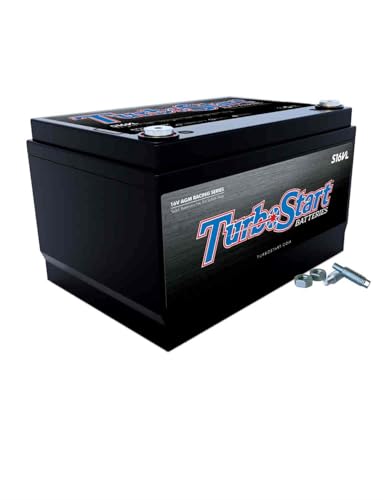
TurboStart S16VL Light-Weight 16-Volt Dry Cell Racing Battery

Odyssey ODS-AGM16L Extreme Series AGM Battery
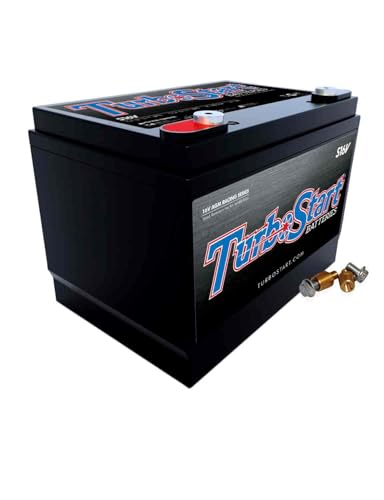
TurboStart S16V AGM Series 16-Volt Dry Cell Racing Battery

HQST 12V 60Ah AGM Car Battery Group 47 H5

OPTIMA 34/78 RedTop Sealed AGM Starting Battery
More Details On Our Top Picks
That 800 CCA rating makes this RedTop feel aimed at straightforward starting duty, especially for trucks, SUVs, and older cars that need a firm crank in cold weather. The sealed AGM build means you’re getting an absorbed-glass-mat battery, so the electrolyte stays locked in place and maintenance stays simple. The trade-off is plain enough, it’s not the pick for deep cycling or long accessory use.
You’ll appreciate it most in a vehicle that sits for a few days and then has to fire up without drama. Compared with the YELLOWTOP options below, this one stays more focused on starting power than on running extras for long stretches.
Strong Points
- 800 CCA gives you solid cold-start help.
- Sealed AGM construction keeps upkeep simple.
- Works well for daily starting duty.
- Versatile mounting helps in tighter battery trays.
- SAE terminal layout suits common installs.
Things To Consider
- Not built for heavy accessory cycling.
- Starting focus leaves less room for deep-use scenarios.
- Like many sealed batteries, fitment still needs a close check before install.
Feature Snapshot
Who It Suits Best
Drivers who want a maintenance-free starting battery for a car, truck, or SUV with ordinary electrical demands should feel at home here.
Where A Sibling Pick Shines
OPTIMA Batteries High Performance D51R YELLOWTOP® Sealed AGM Battery makes more sense for you if the vehicle carries extra electronics or aftermarket gear.
This YELLOWTOP steps beyond simple starting duty and leans into dual-purpose use, which matters for vehicles loaded with lights, audio gear, or winches. The lower 450 CCA rating tells you it’s not chasing the strongest crank number in the group, yet the design is meant to handle repeated charging and discharging better than a basic starter battery. For a weekend truck or a seasonal build, that balance can make more sense than the RedTop above.
The low self-discharge trait is useful for vehicles that sit between outings, since batteries that rest for long stretches often need more attention. You may find the fitment check a little more important here than on a standard group-size swap, so matching the tray and terminal layout still deserves attention.
Upsides
- Dual-purpose design suits mixed driving and accessory use.
- Handles repeated cycling better than a basic starter battery.
- Low self-discharge helps seasonal vehicles.
- Sealed AGM format keeps maintenance simple.
Points To Note
- 450 CCA is lower than some starting-first options.
- Best value shows up in accessory-heavy setups, not plain commuting.
- Fitment still needs a careful check before mounting.
Core Details
Who Will Love This
Accessory-heavy trucks, show vehicles, and seasonal rides benefit most from this kind of mixed-duty layout.
Another Choice May Suit
OPTIMA REDTOP 34 Sealed AGM Battery fits better for you if your main need is stronger starting power and less focus on cycling.
The DH7 gives you the strongest starting figure in the OPTIMA YELLOWTOP group here, and that 880 CCA number matters in cold weather or in vehicles with a longer cable run. It’s still a dual-purpose AGM battery, so you’re not just buying cranking strength, you’re also getting the kind of construction that handles repeated use better than a plain starter. The BCI Group Size 94R note is handy for fitment, though it also narrows the application a bit.
That makes this a smart fit for newer trucks or SUVs that carry real electrical loads and still need a clean start every morning. Compared with the D51R, this one has more headroom, while the OPTIMA REDTOP 34 stays a little more focused on simple starter duty.
Bright Spots
- 880 CCA gives you a stronger start reserve.
- Dual-purpose design suits mixed vehicle demands.
- BCI Group Size 94R helps narrow fitment matching.
- Sealed AGM construction keeps upkeep straightforward.
Areas To Watch
- Fitment still needs close confirmation because of the group-size focus.
- May be more battery than a basic commuter car needs.
Feature Rundown
The Right Fit
Drivers with trucks, SUVs, or heavily equipped builds will get the most out of this battery’s stronger output and dual-purpose stance.
A Better Fit Elsewhere
HQST 12V 60Ah AGM Car Battery Group 47 H5 suits you better if your vehicle needs a more ordinary Group 47-style replacement for daily commuting.
The D3100 stands apart because the source data points straight at high-output use, not just regular vehicle starting. That makes it a natural fit for competition audio or builds where a strong electrical reserve matters more than simple commuting behavior. The M6 terminal bolt note also tells you this is aimed at a more specific installation style than the OPTIMA picks above.
The honest read is that this one feels purpose-built, so it rewards planning and exact fitment checks. For a daily driver with basic needs, it may be more battery than you really need, but in a serious audio build that trade-off makes sense.
What We Like
- Very high output rating suits demanding electrical setups.
- AGM construction keeps the format sealed and tidy.
- M6 terminal bolt connection supports specific installs.
- Well matched to competition audio and other heavy loads.
Small Caveats
- More specialized than a standard replacement battery.
- Terminal style may narrow install compatibility.
- Daily drivers often won’t need this much capacity.
Technical Sheet
Built With In Mind
Shoppers planning a dedicated audio or performance build will get the clearest value from this high-output layout.
Swap It Out When
OPTIMA Batteries High Performance 34 REDTOP® Sealed AGM Battery is the more sensible choice if you want a simpler starter battery for a street car.
This TurboStart battery is plainly aimed at racing use, and the 16-volt format puts it outside normal street-car replacement territory. The listed dimensions, top-post screw-in terminals, and 550 cranking amps help you see where it fits in a race car setup that needs a compact, purposeful battery. It’s not trying to be versatile, which is exactly the point.
For a track car with limited space and a planned electrical setup, the lighter weight can be a real plus. The trade-off is obvious, regular road vehicles usually won’t need a 16-volt dry cell like this, so it belongs in a more specialized garage.
Best Bits
- 16-volt layout suits racing applications.
- Light-weight design helps in performance builds.
- Top-post screw-in terminals simplify certain race installs.
- Compact dimensions fit purpose-built battery trays.
Trade Offs
- Not a normal replacement for street use.
- Specialized voltage narrows the use case.
- Exact mounting space still needs a close check before purchase.
At A Glance
Made For
Race-car owners who already plan around 16-volt hardware and need a lighter battery with compact proportions will get the most from this pick.
Look Elsewhere When
Odyssey Battery ODS-AGM16L Extreme Series AGM Battery suits you better for powersport-style abuse where a more rugged AGM build matters.
Odyssey’s Extreme Series leans hard into rugged AGM construction, and that matters in machines that shake, bounce, or sit in rough environments. The source details point to pure lead plates and a non-spillable design, so you’re looking at a battery meant for harsher use than a typical road sedan. That usually means a heavier, more serious-feeling piece of gear, which is a fair trade in the right machine.
Compared with the TurboStart race batteries, this one feels less like a stripped-down specialist and more like a heavy-duty utility battery. It fits especially well in land, sea, or snow applications where vibration resistance matters, and it can also suit a hard-used vehicle that spends a lot of time off pavement.
Highlights
- Rugged AGM design suits rough conditions.
- Non-spillable construction helps keep ownership tidy.
- Pure lead plates point to serious-duty intent.
- Well matched to powersport and off-road use.
Worth Noting
- Built for specialized duty, not everyday commuting first.
- Heavier-duty construction may be more than a light-use vehicle needs.
- Fitment still deserves a careful check before install.
Details At A Glance
Whose Shelf It Belongs On
Owners of powersport vehicles, off-road rigs, or hard-used equipment with constant vibration will feel this battery fits the brief.
Reach For A Different Pick When
OPTIMA Batteries High Performance 34/78 RedTop Sealed AGM Starting Battery makes more sense if you want a more conventional car, truck, or SUV starting battery.
This TurboStart battery sits in the same racing lane as the S16VL, but the listed weight, dimensions, and reserve capacity make it feel more substantial. The 16-volt AGM layout, BCI Group Size 24 note, and 650 crank amps at 32°F give you a clearer picture of a race setup that wants dependable cranking and a defined mounting plan. That makes it a strong candidate for a dedicated build rather than a casual weekend swap.
For a car that sees repeated race-day heat and a more fixed electrical arrangement, the 85-minute reserve capacity can be useful. The trade-off is weight and specialization, because a battery like this rewards committed use more than flexibility.
Reasons To Buy
- 16-volt AGM design fits racing setups.
- 650 crank amps at 32°F supports firmer starts.
- BCI Group Size 24 helps with planning and fit.
- 85-minute reserve capacity adds useful runtime context.
Softer Spots
- Specialized voltage keeps it out of normal road use.
- Weight makes it less flexible for some lightweight builds.
- Fitment should be checked carefully before install.
Feature Card
Perfect Match For
Dedicated race-car setups that need a 16-volt AGM battery with known dimensions and reserve capacity belong here.
Skip It When
TurboStart S16VL Light-Weight 16-Volt Dry Cell Racing Battery fits better if you want a lighter package for a tighter race build.
HQST takes a more ordinary replacement-battery angle than the race-specific picks above, and that makes it useful for modern sedans, SUVs, and trucks that use start-stop systems. The 680 CCA rating gives you cold-start confidence, while the Group 47 H5 size and 9.5 x 6.9 x 7.6 inch footprint help with replacement planning. The 100RC figure, or reserve capacity, also matters because it hints at how long the battery can support a steady accessory load.
Compared with the OPTIMA RedTop, this one is less about old-school starter muscle and more about modern charging behavior. The trade-off is that it’s still a fitment-sensitive replacement, so checking your existing group size before you order remains smart.
What We Like
- Built for start-stop vehicle charging patterns.
- 680 CCA helps with winter starts.
- Group 47 H5 sizing makes replacement planning easier.
- 100RC adds useful backup for accessory loads.
- Maintenance-free design keeps ownership simple.
Room For Improvement
- Needs exact fitment checks before install.
- Not tailored to racing or heavy off-road abuse.
Quick Facts
Made For
Drivers who need a maintenance-free replacement for a start-stop sedan, SUV, or truck will find the fit most natural here.
A Better Fit Elsewhere
OPTIMA Batteries High Performance D51R YELLOWTOP® Sealed AGM Battery is the better call for you if accessory cycling matters more than a straightforward replacement fit.
This RedTop is attractive for one simple reason, the dual SAE and GM terminals make it easier to match more than one kind of cable setup. The 800 CCA rating puts it in the same strong-start conversation as the first OPTIMA RedTop, and the sealed AGM design keeps upkeep easy. For a shop or home garage that sees mixed vehicle hardware, that flexibility can save a little frustration.
The trade-off is that it still behaves like a starter battery first, not a dual-purpose unit with long accessory-running ambitions. Compared with the DH7 YELLOWTOP, this one is the more straightforward choice for starting duty, while the YELLOWTOP line makes more sense once electrical loads grow.
Positives
- Dual SAE and GM terminals add install flexibility.
- 800 CCA gives solid starting strength.
- Sealed AGM construction keeps maintenance low.
- Good fit for mixed-connector garages.
Honest Caveats
- Still built mainly for starting, not deep cycling.
- Mixed-terminal convenience matters less in vehicles with a clear standard layout.
- Exact tray fit should still be checked before install.
Feature Rundown
Who Should Grab It
Drivers with mixed connector types or a garage full of different cars will get the most practical value from this layout.
Where Shoppers Go Wrong
XS Power D3100 XS Series AGM Battery is the stronger match for serious high-output audio or other heavy electrical builds.
How To Choose The Right Dry Cell Car Battery
Match The Battery To The Job
Starting batteries, dual-purpose batteries, and race batteries do different jobs, so the first question is how your vehicle spends its time. A commuter that just needs reliable ignition can stay with a starting-focused AGM like the OPTIMA RedTop line, while a truck with lights, audio gear, or a winch calls for something that tolerates cycling better, such as a YELLOWTOP model. Race cars are a separate case entirely, because 16-volt dry cell batteries are built around track setups rather than normal street use.
That job match matters more than a flashy amp figure. A battery can look strong on paper and still feel wrong in a car that sits for weeks or runs accessories at idle.
Check Fitment Before Anything Else
Group size, terminal style, and physical dimensions decide whether the battery slides in cleanly or turns into a weekend headache. BCI Group 47, Group 24, and Group Size 94R all point to different tray and hold-down needs, so the label on your old battery and the space in the tray deserve a careful look. Terminal layouts matter too, especially with dual SAE and GM posts or M6 bolt connections.
For most home installs, the right size saves more trouble than any extra spec. A battery with the wrong footprint can be awkward to secure, and a secure mount is part of everyday reliability.
Read CCA And Reserve Capacity Together
Cold-cranking amps, or CCA, tell you how much starting force the battery can deliver in cold weather. Reserve capacity, often listed as RC, shows how long it can keep supplying a steady load, which matters more in vehicles with accessories or stop-start behavior. You get a fuller picture only when you look at both numbers together.
A high CCA battery with weak reserve capacity may start well but feel less comfortable in accessory-heavy use. The reverse can also happen, so the better choice depends on whether your main concern is morning starts or longer electrical support.
Think About Storage And Maintenance Habits
AGM and dry cell designs usually ask less of you than older flooded styles, which helps if the vehicle sits between uses. That said, seasonal cars still benefit from regular attention, because low self-discharge and maintenance-free labels do not remove the need for sensible storage. For a weekend toy, that can be the difference between a smooth first start and extra hassle.
Owners of track cars and powersport machines often care more about vibration resistance, weight, and terminal style than about the same things a commuter driver would. That’s why the best choice depends on your real routine, not on one spec alone.
Things Worth Knowing First
Mistakes Worth Dodging
Many shoppers focus on CCA and ignore group size, which is how a strong battery ends up being the wrong battery. Another common slip is buying a racing battery for a street car, then discovering the voltage and fit are meant for a very different setup. Matching the battery to your tray, terminals, and driving pattern saves you from that kind of mismatch.
It also helps to think about maintenance expectations early. AGM batteries are simpler to live with, but they still need a clean connection and a secure mount to stay dependable.
When Paying More Pays Off
Higher-tier batteries usually cost more because of stronger construction, better cycling behavior, or more specialized hardware. Dual-purpose models, heavy-duty AGM cases, and race-oriented dry cell designs all use more targeted engineering than a basic starter battery. That extra structure matters most in vehicles with winches, power-hungry audio systems, off-road vibration, or repeated hot starts.
For a plain commuter, the upgrade may not return much you can feel every day. For a truck with accessories or a car that lives at the strip, the added headroom is easier to justify because the battery is doing more than one job.
Closing Thoughts
Your best match depends on how hard the battery has to work and how closely the fit has to line up with your vehicle. For simple starting, the RedTop options stay easy to live with, while the YELLOWTOP and higher-output picks make more sense once accessories, cycling, or racing enter the picture. Measure first, match the use case second, and the shortlist becomes much easier to sort through. A good battery should feel like a clean solution, not a puzzle.
