

Roof-mounted bike carriers solve a problem every cyclist knows well: the trunk that won’t close, the wheels spinning loose, the paint getting chewed up on a tailgate pad. A good car top bicycle rack keeps your bike locked down overhead, leaves your vehicle’s footprint untouched, and frees interior space for gear or passengers. The eight options below cover upright carriers, fork mounts, and budget-friendly frame clamps, so there’s a match whether you drive a daily commuter or a weekend adventure rig.
A Snapshot Of The Selections

Yakima FrontLoader Rooftop Bike Rack (Black)
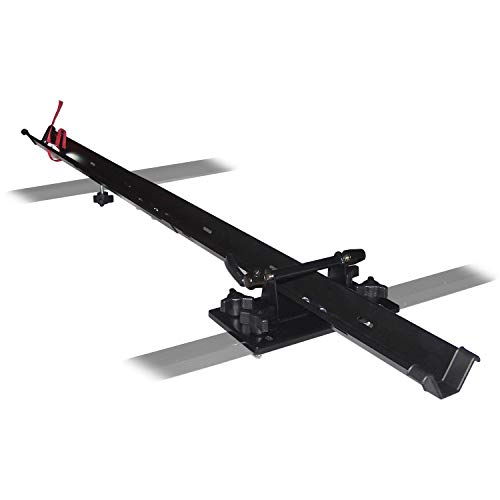
Swagman Standard Fork Mount Roof Bike Rack

Thule UpRide Roof Bike Rack

Yakima Forklift Fork Mount Bike Carrier

Yakima Highroad Rooftop Upright Bike Mount

Thule ProRide XT Roof Bike Rack

Elevate Outdoor Frame Mount Roof Bicycle Rack

Terriplaze Foldable Upright Roof Bike Rack
A Breakdown Of The Leading Choices
The FrontLoader takes an upright approach: your bike rolls onto a sliding wheel tray and clamps at both wheels, so nothing touches the frame. That matters most to anyone running a carbon frame or a custom paint job where a clamp mark would sting.
Setup is the headline here. The mount attaches to Yakima round bars, square bars, factory rails, and aero crossbars without tools, which means swapping between vehicles is realistic rather than a chore. Commuters who load a bike before sunrise will appreciate how little fiddling is involved.
Useful Strengths
- Tool-free installation and removal make moving the carrier between cars quick work
- Sliding wheel tray adjusts to a broad range of bike lengths, from kids’ frames to long-wheelbase road machines
- Wheel-based clamping suits disc brake setups that fork mounts can struggle with
- Works across round, square, factory, and aerodynamic crossbars right away
Things To Consider
- Locking hardware is sold separately, so budget for it if you park in public lots
- The upright profile sits taller than fork mounts, which matters in low garages
Key Specs
Who It Suits Best
Riders with mixed or aftermarket crossbars who want one carrier that moves between vehicles without fuss.
A Better Fit Elsewhere
Drivers with low-clearance parking may prefer the Swagman Standard Fork Mount, whose flatter fork-mount profile tucks closer to the roofline.
Fork mounts are the old-school answer to rooftop hauling, and Swagman has been refining them since the early nineties. This standard model holds the bike by its front fork dropout, keeping the whole package low and stable against wind.
It targets 9mm quick-release front axles specifically, the skewer style still common on road and older mountain bikes. First-time roof-rack owners tend to find this format easy to understand: remove the front wheel, seat the dropouts, close the skewer clamp. There’s little to misadjust.
Practical Advantages
- Low mounting height reduces wind noise and garage clearance worries compared with upright trays
- Simple skewer clamping gives beginners a clear, repeatable loading routine
- Proven design lineage from a brand that helped pioneer hitch and roof carriers
Small Caveats
- Only fits 9mm quick-release forks, so thru-axle bikes need an adapter or a different carrier
- You’ll store a detached front wheel inside the car, which eats cabin space on longer trips
Right Fit For
Road cyclists with quick-release bikes who value a low profile over one-step loading.
Where A Sibling Pick Shines
Mountain bikers running thru-axle wheels should look at the Yakima FrontLoader instead, since its wheel-tray design sidesteps axle standards entirely.
Carbon frames change the calculus for every carrier decision. The UpRide answers that concern by gripping only the front wheel with a secure hook, leaving the frame completely untouched during loading and transport.
It accepts bikes from 20 to 29 inches with a generous weight ceiling of 44 pounds, which covers everything from a gravel build to an e-bike under that limit. Owners commonly report the hook mechanism feels planted even at highway speeds, though you may find the premium price hard to justify for a single steel-frame commuter.
What Makes Sense
- Zero frame contact protects delicate carbon layups and expensive finishes
- 44-pound capacity accommodates heavier builds many upright racks reject
- Wide 20-to-29-inch wheel range means one carrier serves several bikes in a household
- Fast, secure wheel-hook mounting shortens the pre-drive routine
Points To Note
- Premium pricing stings when paired against simpler clamp designs doing similar work
- The wheel hook needs correct seating; a rushed load is the most commonly reported user error
Feature Snapshot
Made For
Owners of carbon or high-value bikes who refuse to trade frame safety for convenience.
Consider Something Else When
Budget-focused riders with sturdy aluminum frames get comparable everyday function from the Elevate Outdoor frame-mount rack at a fraction of the spend.
Long highway drives punish tall, boxy carriers with drag and noise. The Forklift counters with a sleek, low-profile silhouette finished in mirror black, hugging the roofline the way a good fork mount should.
Like the FrontLoader earlier in this list, it bolts to Yakima round, square, factory, and aero bars straight away, and installation needs no tools. Single-bike owners who log serious miles will notice the difference in fuel behavior versus bulkier upright trays, though the honest read is that any roof load adds some drag.
What Earns Its Place
- Aerodynamic low-profile body trims wind resistance on long drives
- Tool-free mounting across four crossbar styles removes compatibility guesswork
- Super-fast attachment routine suits riders loading before dawn group rides
Less Ideal Details
- Fork-mount format means removing the front wheel every trip
- Single-bike capacity limits growing households or tandem outings
Who Should Grab It
Solo riders with quick-release bikes who prioritize a quiet, streamlined ride over rapid loading.
Swap It Out When
Households hauling two or more bikes regularly will get more utility from adding a second Thule ProRide XT than from stacking fork mounts.
Hatchbacks and SUVs have a known enemy: the rear hatch swinging up into a tall roof cargo. The Highroad’s slim tray design keeps the loaded bike tucked close to the roof, minimizing that interference while looking tidy parked in the driveway.
Loading works entirely through the wheels, so carbon frames and fresh paint stay untouched. Its wheelbase reach extends to 52 inches, enough for most modern road and mountain geometries. In our view, this is the pick that best balances protection and aesthetics for daily-driven vehicles.
Good Reasons To Consider
- Low-profile tray reduces rear hatch clearance conflicts on SUVs and wagons
- Wheel-only securing keeps carbon fiber and custom finishes safe
- 52-inch wheelbase coverage fits contemporary long-reach bike designs
- Streamlined look blends with the vehicle rather than fighting it
What To Weigh
- Upright loading still requires lifting the full bike overhead, a real factor with heavier e-bikes
- Garage height checks are wise before committing to any upright carrier
Core Details
Best Suited To
SUV and hatchback drivers who load frequently and want frame protection without visual bulk.
Reach For A Different Pick When
Riders who dread overhead lifting should consider the Swagman Standard Fork Mount, which loads at tray height after the front wheel comes off.
New roof-rack users share one anxiety: did I tighten it enough? The ProRide XT answers with a torque limiter dial that clicks clearly once the soft claw pads reach proper tension, turning guesswork into a simple signal.
Diagonal wheel straps add stability in transit, and the tool-free interface lets you move the carrier between sides of the bar or between vehicles quickly. Compared with the Yakima Highroad above, it trades some visual refinement for that confidence-building feedback, a fair exchange for many first-timers.
Practical Pluses
- Torque limiter dial confirms correct clamping pressure every load
- Soft claw pads grip firmly without marring rims or paint
- Diagonal wheel straps steady the bike against crosswind sway
- Universal tool-free interface simplifies repositioning and vehicle swaps
Room For Improvement
- Clamp pads contact the frame, so carbon owners may prefer a wheel-hook design like the Thule UpRide
- Periodic strap inspection is smart maintenance before long trips
The Right Fit
Beginners who want unambiguous confirmation their bike is secured correctly before driving off.
Another Choice May Suit
Carbon-frame owners should step up to the Thule UpRide, whose zero-contact wheel hook removes frame-clamp concerns altogether.
Not every haul justifies a premium carrier. This Elevate Outdoor unit covers the basics competently: powder-coated steel construction, a locking frame clamp, and an adjustable wheel tray with tire straps, all built for a single bike up to 25 pounds.
Because it mounts to an existing roof rack system, your vehicle’s footprint stays unchanged, so parking and trunk access feel no different than usual. The 25-pound cap is the honest limitation here; lighter road and hybrid bikes fit comfortably, but heavier e-bikes are out of scope.
What Works In Its Favor
- Powder-coated steel resists rust and shrugs off seasons of weather exposure
- Locking clamp adds theft deterrence often missing at this tier
- Adjustable wheel tray with tire straps secures varied tire sizes
- Preserves your vehicle’s parking footprint completely
Details To Watch
- 25-pound capacity excludes e-bikes and many full-suspension builds
- Requires an existing crossbar system, so bare-roof vehicles need extra hardware first
At A Glance
Who Will Love This
Cost-conscious riders with a single lightweight bike and crossbars already installed.
Not Your Match When
E-bike owners need the higher 44-pound rating of the Thule UpRide to haul safely.
Garage space is finite, and a permanently mounted upright carrier makes every parking session a clearance calculation. Terriplaze folds its two load arms down flat when idle, shrinking the carrier’s presence dramatically between rides.
Those dual rotatable arms grip the bike by the wheels alone, so frames escape scratches entirely. Most parts arrive pre-assembled, and the modular design keeps initial setup around fifteen minutes according to the manufacturer. One firm caveat: it works only with removable crossbars, so fixed-railed roofs are excluded.
A Few Highlights
- Foldable arms collapse flat, easing garage entry and street parking
- Dual wheel-gripping arms mean zero frame contact during transit
- Pre-assembled modular parts shorten first-time installation considerably
Points To Keep In Mind
- Removable crossbars are mandatory; integrated factory rails won’t work
- As a newer entrant, long-term durability reports are thinner than for established brands
Quick Facts
Whose Shelf It Belongs On
Apartment and tight-garage dwellers with removable crossbars who want the carrier to disappear between trips.
Look Elsewhere When
Shoppers wanting a long track record should lean on the Yakima FrontLoader, whose design has years of owner feedback behind it.
What Matters Most Before Choosing Car Top Bicycle Racks
Match The Carrier To Your Axle And Frame
Fork mounts demand a 9mm quick-release fork, while upright trays accept nearly any bike regardless of axle standard. Carbon frames deserve wheel-only contact designs such as the Thule UpRide or Yakima Highroad. Steel-framed commuters tolerate frame clamps happily, which opens cheaper doors.
Verify Your Crossbars First
Every option here attaches to crossbars, not bare roofs. Confirm whether your vehicle has removable, factory, round, square, or aerodynamic bars before ordering. The Terriplaze is the strictest case, working solely with removable crossbars.
Mind Height And Weight Limits
Upright carriers raise your bike’s highest point substantially. Measure garage door clearance and check your building’s parking structure. Weight ratings matter equally: the Elevate Outdoor caps at 25 pounds, ruling out most e-bikes.
Key Considerations Across These Picks
Traps First Timers Fall Into
The most common mistake is ordering a carrier before confirming crossbar compatibility, then discovering the mount doesn’t fit. Second is ignoring axle standards: thru-axle wheels won’t seat in a 9mm quick-release fork mount. Measure twice, order once.
What Separates Premium From Basic
Higher-tier models buy torque feedback, frame-safe wheel hooks, and refined aerodynamics. Paying more pays off for carbon bikes, frequent highway driving, or daily loading. Occasional summer riders on steel frames rarely need that tier.
Closing Thoughts
Choosing among these eight comes down to three questions: what bike you ride, what bars sit on your roof, and how often you load. Answer those honestly and the right carrier reveals itself quickly. Whichever direction you go, double-check compatibility before checkout, and enjoy the open road ahead.
