

Car power stations earn their keep on the days that go sideways, from a dead battery in the driveway to a laptop that needs charging before a long drive. You also get more flexibility than a simple jumper, especially in vehicles that double as a mobile office, family shuttle, or weekend camper. The right pick depends on whether you care more about jump-starting, tire inflation, AC output, or just dependable device charging.
Quick Look At Our Shortlist

Tyrell Chenergy 2200 Amp Car Jump Starter with Air Compressor

DEWALT DXAEPS14 2000 Amp Jump Starter with Compressor

DARAN Portable Power Station 89.6Wh LiFePO4 Battery 100W

DEWALT DXAEJ14 1600 Amp Jump Starter with Compressor

400W Car Power Inverter for Vehicles DC 12V to AC 110V Inverter
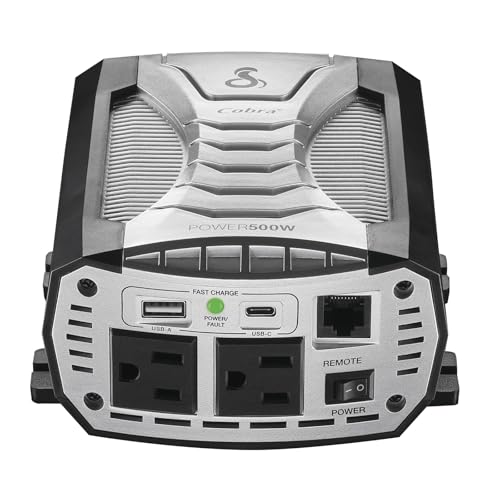
Cobra POWER 500W Power Inverter, Portable

Pro Chaser 400W Power Inverters for Vehicles DC 12v to 110v AC Car Inverter

VANTRUE POWER JS3 Real 3250A Jump Starter with Air Compressor

Dzytnsy 200W Car Fast Charging Station, 6 Ports
More Details On Our Top Picks
Tyrell Chenergy leans into the kind of roadside backup that covers more than one problem at once. You get jump-starting, a 260 PSI inflator, a 400W inverter, DC output, and a 2.1A USB port in one unit, so the trunk doesn’t need four separate gadgets. That mix makes sense for commuters, family vehicles, and anyone who wants a single box that can handle a weak battery and a soft tire.
The trade-off is size and complexity, because multi-function gear usually asks for a little more storage space and a little more attention to setup. Compared with the simpler inverter-only picks later in this list, this one is built for situations where the car itself needs help, not just your phone or laptop.
Strong Points
- 2200-amp jump capacity gives you a strong starting point for 12V vehicles.
- The built-in air compressor keeps a slow tire from turning into a longer stop.
- 400W inverter support adds usefulness for small AC-powered gear on the road.
- AC and DC outputs give you more ways to route power during a trip.
- One unit handles battery help, inflation, and light charging, which cuts trunk clutter.
Things To Consider
- All the extra functions make it less streamlined than a plain inverter.
- The handheld form is practical, but it still takes more space than a slim charger.
- You’ll want to keep the clamps and hose organized so the kit stays ready in a glove box or cargo bin.
Core Details
Made For
You’ll get the most from this pick in a daily-driver setup where jump-starting and inflation both matter.
Another Choice May Suit
DEWALT DXAEPS14 makes more sense for you if the 500W AC inverter and USB power matter more than the compressor-centric layout here.
DEWALT’s DXAEPS14 feels like the more complete trunk companion for someone who wants jump-starting plus real outlet support. The 500W AC inverter stands out here, because that’s the feature that moves this from emergency gear into something you can also use for laptops, small appliances, or workday devices on the road.
Compared with the Tyrell Chenergy unit above, this one is less about packing in every function and more about giving you a stronger AC-focused setup with a digital compressor and USB charging. That balance suits truck beds, travel trunks, and anyone who likes a cleaner, more branded tool layout.
What We Like
- 2000-amp jump-starting support gives you a solid reserve for most 12V vehicle use.
- 500W AC output opens the door to more useful road-trip power needs.
- The digital compressor is easier to read than a basic analog setup.
- USB-A and USB charging cover phones and smaller accessories without adapters.
- Its shape suits trunk storage, so it’s easy to keep with your roadside kit.
Worth Noting
- The larger AC inverter can be overkill for shoppers who only need a phone charger.
- You may find it bulkier than the slimmer Daran portable power station.
- As with most multi-function units, cable management matters once it lives in the vehicle.
Feature Snapshot
Best Suited To
You fit this pick well if you keep a truck, SUV, or family vehicle stocked with both emergency and travel power.
Swap It Out When
DARAN Portable Power Station 89.6Wh LiFePO4 Battery 100W makes more sense for compact carry and lighter packing.
DARAN is the light-duty option in this group, and that’s exactly why it earns a place here. At 89.6Wh, it sits in a size class that makes more sense for backpacks, bedside charging, or carry-on use than for jump-start drama. The LiFePO4 battery, short for lithium iron phosphate, usually matters because it’s a chemistry known for steadier everyday use and a calmer ownership feel than many basic pack designs.
Compared with the DEWALT and Tyrell units, you give up roadside rescue hardware and gain a far smaller package with AC outlets and fast charging support. The honest read is that this one fits light travelers, students, and anyone who wants a little portable power without hauling a trunk-sized brick.
Highlights
- The compact size makes it much easier to keep in a backpack or small storage space.
- LiFePO4 battery chemistry is a practical fit for regular, low-drama use.
- AC outlets add flexibility for small home or travel devices.
- PD fast charging helps reduce the wait for compatible gear.
- The low weight suits carry-on travel and quick moves between rooms or campsites.
Small Caveats
- The 89.6Wh capacity is better for light jobs than high-demand equipment.
- Solar panel support is optional, so that route needs extra gear.
- The small body is easy to carry, but also easier to misplace in a crowded bag.
Details At A Glance
Who Should Grab It
You’ll appreciate this one most in a travel bag, apartment, or light-carry setup where size matters more than emergency jump power.
Look Elsewhere When
VANTRUE POWER JS3 makes more sense for you if jump-start performance and tire inflation sit at the top of the list.
DEWALT’s DXAEJ14 trims the package a little while keeping the useful roadside mix intact. The 1600-amp jump rating, digital compressor, USB-A, and USB-C support make it a sensible fit for drivers who want practical backup without leaning all the way into the larger DXAEPS14 above.
That difference matters in everyday ownership, because a smaller footprint is easier to keep in the trunk and a little less fussy to move around. It’s a good middle ground for standard sedans, compact SUVs, and commuters who want a tool they can actually keep nearby without rearranging cargo space.
Reasons To Buy
- 1600-amp jump support covers a broad spread of common 12V vehicle needs.
- USB-C and USB-A ports make phone charging more flexible than older single-port designs.
- The built-in compressor adds a useful layer of roadside insurance.
- The more compact form is easier to store than the larger DEWALT DXAEPS14.
- It works well as a trunk staple for routine commuting and family errands.
Areas To Watch
- It still asks for more storage room than a slim inverter or charger.
- Roadside tools like this need periodic cable checks so the kit stays ready.
- Users who need a bigger AC inverter will likely prefer the DXAEPS14 instead.
Feature Rundown
The Right Fit
You’ll like this pick most if you want one trunk tool that can help with starting, inflation, and phone charging.
Where A Sibling Pick Shines
Tyrell Chenergy 2200 Amp Car Jump Starter with Air Compressor suits you better when you want a stronger all-in-one hardware loadout.
vansoet keeps this one focused on conversion rather than emergency rescue, which gives it a clean role in a vehicle setup. The 400W rating, dual AC outlets, PD 30W USB-C, extra USB-C and USB-A ports, and AC control switch make it a sensible road-trip companion for phones, tablets, and light laptop use.
Compared with the jump starters in this roundup, this is not the box for battery recovery or tire help. It’s the better fit for travelers who already have a separate jumper and just want to run or charge household-style devices from a 12V outlet without a mess of adapters.
Upsides
- 400W output is enough for a useful spread of small travel electronics.
- Two AC outlets let you power more than one device at a time.
- The PD 30W USB-C port is handy for modern phone and tablet charging.
- Independent AC control helps you keep the outlets from drawing attention when unused.
- It suits road trips, camping setups, and work sessions away from a wall outlet.
Minor Gripes
- You’ll still need to respect the 400W ceiling, so heavy appliances stay off the list.
- Car inverters work best when the cables are stowed neatly and the vents stay clear.
- Without jump-start features, it fills a narrower role than the DEWALT units above.
Quick Facts
Whose Shelf It Belongs On
You’ll make the most of this inverter if your vehicle already handles starting duties and you only need device power on the move.
Skip It When
Cobra POWER 500W Power Inverter, Portable suits you better if you want more outlet room and a little more output headroom.
Cobra’s POWER 500W takes the inverter idea and gives it a more traditional, household-like setup with grounded AC outlets. That matters on road trips or at a campsite, because you’re not juggling a jumble of small adapters just to keep a couple of essentials running. The remote controller also adds a bit of convenience, especially when the unit is tucked deeper in the vehicle.
Compared with the vansoet inverter, this one feels a touch more built for setting up a mini power station in the car or RV rather than only topping off phones. The catch is that you’re still in inverter territory, so it helps most when your main need is AC output, not jump-starting or battery rescue.
Best Bits
- 500W output gives you a little more breathing room than the 400W inverter options.
- Two grounded AC outlets make it friendlier for small household-style gear.
- Two fast-charge USB ports handle phone and accessory charging at the same time.
- The remote controller is useful when the inverter sits out of easy reach.
- It fits well in travel kits for camping, pregame setups, or mobile office work.
Points To Note
- It’s still an inverter, so you won’t get jump-start help from this box.
- Grounded outlets are useful, but the overall setup still depends on vehicle power.
- Storage is simpler than a jump starter, though the cables still need a tidy spot.
At A Glance
Perfect Match For
You’ll like this one best if you want a vehicle inverter that feels ready for road trips, tailgates, and camping duty.
A Better Fit Elsewhere
Pro Chaser 400W Power Inverters for Vehicles DC 12v to 110v AC Car Inverter fits you better when USB-C speed is the priority.
Pro Chaser pushes harder on charging flexibility than the other 400W inverter options in this list. The 65W USB-C port is the headline here, because that’s the kind of output that helps laptop-class gear feel much less awkward on the road. Add dual AC outlets and a USB-A QC port, and you get a setup that fits a packed commute or a long driving day.
Compared with Cobra POWER 500W, this one trades a little total output for a very strong USB-C story. That makes it a smart fit for tech-heavy travel, though you still need to stay mindful of the 400W continuous ceiling and the space your plugs occupy around the adapter.
Bright Spots
- 65W USB-C output is especially useful for newer laptops and higher-demand mobile devices.
- Dual AC outlets keep more than one small device in play.
- The USB-A QC port adds another fast-charging lane for everyday gear.
- 400W continuous output is enough for common car travel electronics.
- It suits people who keep multiple devices in the car at once.
Honest Caveats
- The adapter-style design can crowd nearby ports in tight cabin layouts.
- You’ll still want to keep cord length and plug placement in mind during use.
- It’s not a replacement for a jump starter, so roadside recovery needs a separate tool.
Core Details
Who Will Love This
You’re the right match for this inverter if your car time usually includes a laptop, tablet, or several phones.
Reach For A Different Pick When
Dzytnsy 200W Car Fast Charging Station, 6 Ports suits you better if pure USB charging matters more than AC outlets.
VANTRUE POWER JS3 is the most aggressive roadside tool in this lineup, and the feature mix shows it. You get a 3250A jump starter, a 160 PSI compressor, a display, a light, and 65W fast charging, so the package leans hard toward emergency usefulness rather than simple convenience. For bigger engines and tougher roadside situations, that extra headroom can matter.
Compared with DEWALT’s more restrained models, this one feels built for the driver who wants more pressure, more charging speed, and more visibility from the display. The trade-off is that a high-output kit usually asks for a bit more respect in storage and a little more room in the vehicle.
Standout Traits
- 3250A output gives you a very strong jump-start ceiling for 12V use.
- The 160 PSI compressor covers tire-top-off duty with room to spare.
- The display helps you monitor settings instead of guessing in a hurry.
- 65W fast charging adds real usefulness beyond emergency starting.
- The built-in light is helpful during night roadside work or dim garages.
Softer Spots
- The stronger feature set likely means more bulk than a slimmer charger or inverter.
- You’ll want to keep the nozzle storage organized so the kit stays ready.
- It’s a more specialized tool than the Dzytnsy six-port charger for everyday desk-style charging.
Technical Sheet
Built With In Mind
You’ll appreciate this most if you drive a larger gas or diesel vehicle and want stronger roadside backup in one kit.
Another Choice May Suit
DEWALT DXAEPS14 makes more sense if you want a more familiar brand layout with a 500W AC inverter.
Dzytnsy is the pure charging hub in this roundup, and that makes it useful in a very different way from the jump starters above. Six ports, a 200W ceiling, three USB-C connections, and three USB-A connections turn the car into a tidy charging point for laptops, tablets, and phones at once. For families, rideshare use, or tech-heavy commuting, that kind of spread is hard to ignore.
Compared with the inverter options, this one stays focused on direct device charging instead of powering AC gear through conversion. The honest read is that it suits people who want a cleaner, more cable-friendly setup in the cabin, not roadside rescue hardware.
What We Like
- Six ports make it easy to charge several devices without a separate hub.
- 200W total output gives the setup enough strength for mixed daily device use.
- Three USB-C ports are especially handy for newer laptops and tablets.
- Three USB-A ports keep older cables useful in the same vehicle.
- It works well for families where every seat seems to need a cable.
Worth Noting
- It charges devices rather than supplying AC power, so it serves a narrower role than the inverter picks.
- The feature density can make cable sorting important in a busy center console.
- You’ll want a tidy storage spot so all six ports stay easy to reach.
Feature Card
Right Fit For
You’ll get the most out of this unit in a car full of mixed devices, especially where several people need charging at once.
Where Shoppers Go Wrong
Pro Chaser 400W Power Inverters for Vehicles DC 12v to 110v AC Car Inverter is the better match if you need AC outlets instead of USB-only charging.
How To Choose The Right Car Power Stations
Match The Unit To The Job
Start with the problem you want to solve most often. A jump starter belongs in a glove box or trunk when battery trouble is the main concern, while an inverter makes more sense for charging laptops and small devices on the road. A charging station like the Dzytnsy model fits cabin life better, because it keeps phones and tablets topped up without extra adapters.
Capacity and output matter in different ways. Amp ratings point to starting strength, wattage tells you how much device power the unit can supply, and PSI or PSI-related compressor ratings help you judge tire inflation usefulness. The right choice is the one that matches your routine, not the one with the longest feature list.
Think About Storage And Handling
Vehicle-friendly power gear lives better when it’s easy to reach and simple to repack. Compact units like the DARAN model suit backpacks and small compartments, while larger all-in-one kits need a trunk corner or cargo bin with room for cables, clamps, and hoses.
Heavier kits often give you more tools, but they also ask for better organization. That’s why commuters and families usually appreciate tidy port layouts and clear controls, while weekend campers may tolerate a bulkier shape in exchange for more versatility.
Choose Between AC, USB, And Emergency Support
AC outlets help when you want the feel of a wall plug in a car, but they aren’t necessary for every trip. USB-C and USB-A ports cover most everyday electronics, and high-output USB-C can be more practical than AC for modern laptops.
Emergency support changes the entire category. If the goal is roadside recovery, jump-start output and compressor features belong at the top of your list. If your goal is passenger-device charging, a cleaner inverter or multi-port charging station often feels easier to live with.
Things Worth Knowing First
Wrong Turns To Avoid
Don’t assume every car power station solves the same problem. Some units only convert power, some only charge devices, and some combine jump-starting with inflation. That difference matters more than a flashy port count, especially in a trunk setup where you want the right tool rather than a crowded one.
Another common miss is underestimating size. A compact charger disappears into a bag, while a jump starter with clamps and a hose needs a real storage plan. You’ll have a smoother setup when you match the footprint to the vehicle you actually drive.
The Case For Spending Up
Higher-tier models usually cost more because they do more at once. Stronger jump output, bigger AC inverters, built-in compressors, displays, and faster USB-C charging all add hardware, and hardware takes room, engineering, and better control layout.
The upgrade is worth it when you use the extra functions often. A commuter who only charges a phone can stay simple, but a road-trip driver, a family hauler, or someone who keeps a larger vehicle on hand may appreciate the extra margin and convenience.
Closing Thoughts
The best car power station for you depends on the kind of driving you actually do. A jump starter with a compressor feels right for roadside peace of mind, while a 400W or 500W inverter makes more sense for travel electronics. If you carry several devices, a six-port charging hub can be the cleaner answer. Pick the tool that matches your car, your cargo space, and the problems you want to solve first.
