

Choosing motor oil gets confusing fast once you factor in viscosity grades, mileage, and additives. This shortlist covers conventional oils, high-mileage blends, engine treatments, and the tools that make DIY changes less messy. Whether you’re topping off between services or doing a full drain in your driveway, there’s a fit here for your situation.
The Shortlist At A Glance
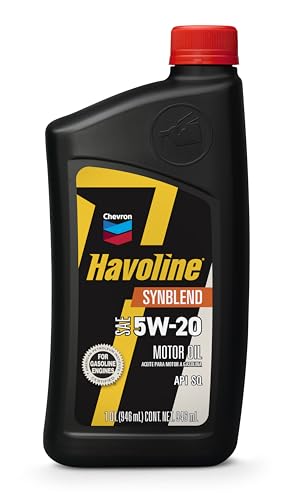
HAVOLINE 5W-20 Motor Oil 1 qt.

Chevron Supreme SAE 5W-30 Motor Oil

FAITIO 12V 100W Oil Extractor Pump

Pennzoil High Mileage 5W-30 Motor Oil

zMAX 51-212 Engine Formula Treatment

Made Here Co. Lubricating Penetrant Oil 4oz

Hot Shot’s Secret Tick Fix + Protect Additive
More Details On Our Top Picks
A lot of late-model gasoline engines call for 5W-20, which makes this quart one of those bottles worth keeping on the garage shelf. Havoline builds it around its Deposit Shield chemistry, aimed at keeping sludge from forming during stop-and-go driving and heavy loads.
In real terms, that matters most for commuters whose engines rarely get a long highway run to burn off contaminants. City drivers doing short trips tend to see deposit buildup faster, so an oil formulated against it earns its place.
Strong Points
- Deposit Shield formulation targets sludge before it hardens into restricted oil passages
- Anti-wear protection covers critical parts like cam lobes and bearings under load
- Resists thermal breakdown, useful in hot climates or towing situations
- Helps keep PCV systems clean, which supports smoother idle over time
Things To Consider
- Single-quart bottles mean buying several for a full change on most vehicles
- Always confirm 5W-20 matches the grade printed in your owner’s manual first
Key Specs
Who It Suits Best
Commuters with newer gasoline engines specifying 5W-20 who want dependable baseline protection without paying premium-synthetic money.
Where A Sibling Pick Shines
Engines with more than 75,000 miles are better served by the Pennzoil High Mileage 5W-30 below, since its seal conditioners address leak-prone older motors directly.
Where the Havoline above targets deposit control, Chevron positions Supreme as extra insurance for vehicles you care about keeping long-term. The brand frames it toward SUVs, performance cars, and luxury models, though any 5W-30-spec engine can run it.
The honest read is that this is a straightforward conventional-grade option from a refiner with decades of formulation history. For drivers who follow their manual’s service intervals rather than stretching them, it covers the fundamentals well.
What We Like
- Positioned for SUVs and higher-output engines that run harder than commuter sedans
- 5W-30 remains the most common grade across American and Japanese vehicles
- Quart bottle format makes partial top-offs simple without opening a five-quart jug
Worth Noting
- It’s a conventional formula, so extended drain intervals aren’t the intent here
- Owners of turbocharged or severe-duty vehicles may want a full synthetic instead
At A Glance
Made For
SUV and sedan owners who want trusted-brand conventional oil at sensible intervals, especially those following the maintenance schedule in the owner’s manual.
Consider Something Else When
High-mileage engines burning oil between changes will get more value from Pennzoil High Mileage 5W-30, which adds seal-conditioning additives this formula doesn’t emphasize.
Not every oil on this list goes inside the crankcase; this one helps you get the old stuff out. Topside extraction means pulling warm oil up through the dipstick tube instead of crawling under the car and wrestling a drain plug, which is a genuine quality-of-life upgrade for driveway changers.
The 12-volt, 100-watt motor runs off a vehicle battery or portable power source, and the pump handles motor oil, gear oil, differential fluid, and transmission fluid. Boats, motorcycles, lawn mowers, and personal watercraft all fall within its stated range too.
Highlights
- Extracts through the dipstick tube, no jack stands or drain pan required
- Handles four fluid types beyond engine oil, adding gear and diff service capability
- Works across cars, motorcycles, boats, mowers, and Jet Skis per the manufacturer
- Electric operation beats hand pumps for speed on larger sumps
Minor Gripes
- Strictly for oils and fluids; never use it with gasoline, diesel, or water
- Hoses and the pump body need flushing after each session to avoid cross-contamination
Quick Facts
Right Fit For
Weekend DIY mechanics servicing several vehicles or toys who dread the crawl-under-and-drip routine more than anything else about oil changes.
Look Elsewhere When
Anyone wanting to improve the oil itself rather than the change process should look at the zMAX 51-212 treatment below instead of spending here.
Once an engine passes roughly 75,000 miles, seals start shrinking and clearances widen, and standard oil often can’t keep up. This synthetic blend is built specifically for that stage, with additives meant to condition aging seals and slow the oil consumption that plagues worn engines.
Coming as a two-pack of quarts is a quiet advantage; most four- and six-cylinder engines need four to six quarts per change, so stacking a few packs covers a full service. Compared with the Chevron Supreme earlier, this one trades general-purpose framing for a targeted fix.
Upsides
- Formulated to help stop leaks at tired valve and crank seals
- Reduces the oil burn-off typical of higher-mileage engines
- Synthetic blend base gives better stability than straight conventional stock
- Two-quart packaging simplifies stocking up for complete changes
Trade Offs
- Blends don’t match full synthetics for extreme cold starts or extended drains
- Seal conditioning takes a couple of change cycles before results show, based on widely reported owner experience
Feature Snapshot
Who Will Love This
Owners of aging daily drivers past the 75k mark who notice oil disappearing between changes and want a low-effort countermeasure.
Another Choice May Suit
Newer engines still under normal wear should stick with the HAVOLINE 5W-20 or Chevron Supreme 5W-30, since seal conditioners add cost without benefit on tight motors.
This isn’t an oil replacement; it’s a micro-lubricant you pour alongside fresh oil at each change. The idea behind zMAX is that its formula soaks into metal surfaces, improving lubricity where ordinary oil films struggle, particularly on cylinder walls and bearing journals.
The brand markets it for both new and used gasoline and diesel engines, which makes it flexible across a household fleet. Results vary by engine condition, so temper expectations: think of it as supplemental care layered on top of good oil and sane intervals, not a rescue for a neglected motor.
Bright Spots
- Micro-lubricant approach targets metal surfaces conventional additives may miss
- Aims to reduce carbon buildup that slowly chokes ring lands and passages
- Works in both gas and diesel engines, covering mixed garages with one bottle
- Simple pour-in application at every oil change, no tools or downtime involved
- 12-ounce size suits single-treatment dosing without leftover storage concerns
Softer Spots
- Benefits are incremental; badly worn engines won’t be transformed by a bottle
- Ongoing cost per change adds up compared with running quality oil alone
Spec Overview
Perfect Match For
Enthusiasts who already change oil on schedule and want an extra layer of deposit and wear defense for engines they plan to keep for years.
Not Your Match When
Drivers chasing a specific symptom like lifter tick will get more direct results from the Hot Shot’s Secret Tick Fix below, which targets that problem head-on.
Rounding out the fluids category, this small-bottle penetrant handles everything around the engine bay that isn’t the engine itself. Stuck bolts, squealing hinges, dry chains, and corroded fasteners are its territory, and the brand claims a non-toxic formula, a nice touch for households with kids or pets nearby.
The 4-ounce size fits a glovebox or tool drawer, which encourages actually using it before rust wins. Anyone prepping for a brake job or exhaust work will find a penetrant like this pays for itself the first time a frozen bolt turns instead of shearing.
Plus Points
- Penetrates deep to free seized nuts, bolts, and hinges
- Non-toxic formula suits home garages shared with family spaces
- Leaves a protective film that slows rust from returning
- Compact 4-ounce bottle stores easily in a toolbox or glovebox
Small Caveats
- Small volume means frequent repurchase for heavy shop use
- It’s a maintenance lubricant, not engine oil; keep it out of the crankcase entirely
Built With In Mind
Homeowners and light-duty DIYers who split time between automotive fixes and general household maintenance and want one safe bottle for both.
Skip It When
Professional shops burning through penetrant daily will find the FAITIO extractor pump and bulk consumables a more efficient investment than repeated small bottles.
A persistent ticking from the top of the engine usually traces back to hydraulic lifters, small components that rely on steady oil pressure to stay quiet. This 32-ounce additive is formulated to clean sticking lifters and restore oil flow through restricted passages, addressing the noise at what the brand considers its source.
Unlike the broad-strokes zMAX treatment, this one has a specific complaint in its crosshairs. Owners commonly report gradual improvement over some driving distance rather than instant silence, so patience matters. The large bottle also leaves room for a follow-up dose if the tick lingers.
Reasons To Buy
- Targets hydraulic lifter tick directly rather than masking it
- Improves lubricity and circulation through narrow oil galleries
- 32-ounce volume allows treatment and a second application if needed
- Also serves as ongoing protection against valvetrain deposits
Points To Note
- Loud ticks can signal mechanical wear no additive can reverse; a mechanic’s diagnosis comes first
- Results depend on how restricted the passages are when you start
Details At A Glance
The Right Fit
Owners of higher-mileage V8s and trucks bothered by cold-start tick who want a focused chemical attempt before committing to mechanical work.
Swap It Out When
General preventive maintenance without a specific noise concern is better served by the zMAX 51-212, which spreads its benefits across the whole engine.
What Matters Most Before Choosing Car Oils To Use
Match The Grade In Your Manual
Viscosity numbers like 5W-20 describe how thick oil stays across temperatures; the W stands for winter performance. Your owner’s manual lists the exact grade your engine was engineered around, and deviating from it affects oil pressure and fuel economy. Treat that number as fixed unless a manufacturer bulletin says otherwise.
Conventional, Blend, Or Full Synthetic
Conventional oil covers basic protection at lower cost, while synthetic blends add stability for harder-working engines. Full synthetics resist breakdown longest and suit turbos, towing, and extreme climates. Most drivers with stock commuter engines do fine on quality conventional changed on schedule.
Respect Your Engine’s Age
Engines past 75,000 miles often benefit from high-mileage formulas with seal conditioners, as the Pennzoil entry shows. Newer engines gain nothing from those additives. Match the product to the mileage bracket rather than assuming more additives always help.
Additives Solve Specific Problems
Treatments like zMAX and Tick Fix exist for particular symptoms, not general insurance. Diagnose first, then choose a targeted product. Pouring additives blindly into a healthy engine mostly adds cost per change.
Key Considerations Across These Picks
Wrong Turns To Avoid
The most common slip is guessing at viscosity instead of checking the manual, followed closely by mixing incompatible fluids in tools like extractor pumps. Also avoid treating additives as fixes for mechanical failures; a knocking engine needs a shop, not a bottle.
What Separates Premium From Basic
Higher-tier oils spend more on base stock refinement and additive packages, which shows up as longer safe drain intervals and better behavior under heat. That premium pays off for turbocharged engines, towing duty, and harsh winters. Stock commuter engines rarely justify the difference.
Bottom Line
Start with your owner’s manual, then let your engine’s age and symptoms guide the rest. Fresh 5W-20 or 5W-30 from a reputable refiner covers most drivers, high-mileage blends earn their keep past 75,000 miles, and targeted additives handle specific complaints like lifter tick. Pair the right fluid with the FAITIO pump and oil changes stop being a chore. Check the current listings, confirm the grade, and give your engine what it was built to drink.
