

Cold mornings punish engines that run on tired oil. Thickened fluid, sluggish cranks, and slow warm-ups are exactly what a well-chosen winter-grade product prevents, and this shortlist covers both engine oils and supporting fluids that earn their keep between December and March. Daily commuters, diesel truck owners, and anyone parking outside overnight will find something here worth a look.
The Shortlist At A Glance

Sopami Car Coating Spray Quick Effect Coating Agent 33.8 FL OZ
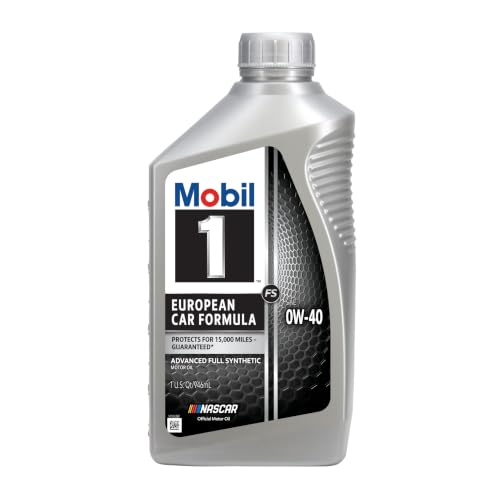
Mobil 1 European Car Formula Full Synthetic Motor Oil 0W-40, 6 Pack

Good Essential Professional Fruity Cereal Fragrance Oil 1 fl oz

CAKKI Winter Essential Oils for Diffusers for Home, 6 Scents

Winter Essential Oils Gifts Set for Diffuser Christmas 6x10ML

Castrol EDGE Euro 0W-30 A3/B4 Advanced Full Syn Motor Oil, 6 Pack

Hot Shot’s Secret Premium DEFender DEF Treatment Additive, 8 oz
More Details On Our Top Picks
Salt spray and road grime cling harder to unprotected paint in winter, which is where a coating agent earns its spot in your routine. This Sopami bottle doubles as a waterless wash and wax polish, so you can clean and seal in one pass when dragging out the hose in freezing weather isn’t realistic.
The 33.8 fluid ounce volume is generous compared with typical 16-ounce sprays, meaning fewer reorders across a season of touch-ups. It also includes a towel, so the kit works straight out of the box.
Strong Points
- Large 33.8 oz supply covers many applications per purchase
- Combines washing, polishing, and coating steps into one product
- Towel included, ready to use immediately
- Suits all car finishes according to the listing
Things To Consider
- Waterless methods work best on lightly soiled surfaces; heavy mud still needs a proper rinse first
- Some owners report needing buffing to avoid streaks on dark paint
Who It Suits Best
Apartment dwellers and weekend detailers who want quick, hose-free upkeep through the salt season.
Where Another Pick Suits Better
Shoppers focused purely on engine internals should look at the Mobil 1 European Car Formula instead.
The 0W prefix matters most in January. It describes how thinly the oil flows at startup temperatures, and this formula stays pourable down to minus 40 degrees Fahrenheit, so your crankshaft gets lubrication within seconds rather than grinding dry through those first brutal seconds of ignition.
Mobil built this blend for European engines that demand a 40-weight hot viscosity, and the synthetic molecules resist oxidation long enough to support extended drain intervals up to 10,000 miles under favorable conditions. Heat protection up to 500 degrees F rounds out the spec sheet. Compared with the Castrol option later in this list, it trades some low-end viscosity for higher hot-side strength.
What We Like
- Flows reliably at minus 40 degrees F for confident cold starts
- Oxidation control supports viscosity over long drain intervals
- Uniform synthetic molecules reduce internal friction
- Resists sludge and deposit buildup between changes
- Six quarts cover most full oil services in one box
Worth Noting
- Always confirm your owner’s manual calls for 0W-40 before switching grades
- Extended intervals assume moderate driving; severe cold and short trips shorten them
Key Specs
Made For
Owners of BMW, Mercedes-Benz, Audi, and Volkswagen models specifying a European-formula 0W-40.
Consider Something Else When
Your manual lists 0W-30 A3/B4 instead, in which case the Castrol EDGE Euro below matches that requirement directly.
Not every oil on this list goes near an engine, and that’s deliberate. Winter garage time means long hours next to a workbench or craft table, and a nostalgic scent like fruity cereal makes those sessions more pleasant than any pine air freshener clipped to a vent.
This one-ounce bottle from Good Essential is formulated for candle pouring, soap batches, lotions, perfumes, and diffusers alike, so one purchase stretches across several hobby projects. Crafters commonly note the aroma reads sweet and playful rather than subtle, which suits bold blends better than minimalist ones.
Highlights
- Works across candles, soap, lotion, perfume, and diffuser projects
- One ounce goes far in small-batch crafting
- Distinctive scent profile stands out from standard spice blends
Trade Offs
- Sweet profile can dominate a blend, so measure conservatively at first
- Fragrance oil, not a true essential oil, so skip it for aromatherapy-focused use
Right Fit For
Hobby crafters who want a fun, dessert-like accent scent for winter candle and soap runs.
Not Your Match When
You want traditional cold-weather aromas, where the CAKKI Winter set delivers woodsy and frosty notes instead.
Packaging tells you a lot about how an oil set will survive daily handling. CAKKI ships its six scents in amber glass bottles with controlled droppers, a setup that blocks light degradation and stops you from over-pouring, unlike thin plastic vials that leak in a drawer.
The lineup leans atmospheric: Burning Wood, Campfire, Dancing Flame, Snowy Morning, Frozen Stream, and Falling Crystal. That mix splits roughly between smoky warmth and crisp coolness, giving you options for evenings by the fireplace versus bright weekend mornings. Each bottle holds 10 milliliters, a practical size for rotating scents without anything going stale.
Upsides
- Amber glass with droppers protects the oils and controls dosing
- Six distinct winter moods, from campfire smoke to snowy freshness
- 10 ml bottles balance value against shelf life
- Gift-ready presentation for the holiday season
Minor Gripes
- Scent strength varies by diffuser size; large rooms may need extra drops
- These are fragrance-style blends, so expectations should match that category
At A Glance
Who Will Love This
Homebody types who run a diffuser daily and want a coordinated winter rotation rather than one lone scent.
Look Elsewhere When
Gifting is the goal, since the BlissfulBlend Christmas set leans harder into festive holiday themes.
Where the CAKKI set chases atmosphere, BlissfulBlend chases the holidays outright. Hot Chocolate, Gingerbread, Harvest Spice, Christmas Tree, Christmas Wreath, and Winter Fairy read like a bakery counter crossed with a tree lot, and that specificity makes it an easy gift for anyone who decorates early.
The six 10 milliliter bottles arrive boxed for gifting, and the brand states the formulas contain no additives. In practice, bakers’ scents like gingerbread tend to be the strongest performers in a diffuser, while the tree and wreath notes give you that evergreen baseline many people associate with December.
Bright Spots
- Six festive scents covering edible, spicy, and evergreen profiles
- Additive-free formulation per the brand’s stated ingredients
- Boxed presentation suited to holiday gifting
- 10 ml sizing keeps each scent fresh through the season
Points To Note
- Strongly themed scents feel out of place once January arrives
- Dropper precision depends on the included caps, so pour slowly
Quick Facts
Perfect Match For
Gift shoppers and hosts who want their living room smelling like the holidays from Thanksgiving onward.
A Better Fit Elsewhere
Year-round diffuser users will get more mileage from the CAKKI set’s neutral winter palette.
European engines are picky about oil, and the approvals printed on this bottle are the reason it made the list. Castrol lists compliance with BMW Longlife 01, Mercedes-Benz 229.5, VW 502.00/505.00, and GM-LL-A-025/B-025 specs, plus ACEA A3/B4 classification, which together mean the formulation passed the manufacturer tests those badges demand.
The 0W-30 grade keeps cold-start flow strong while the A3/B4 rating preserves a thicker protective film at high temperature, a combination turbocharged direct-injection engines favor. Castrol also claims superior deposit control versus conventional and synthetic-blend oils, and the six-quart pack handles most services without a second order.
Reasons To Buy
- Carries multiple European OEM approval listings
- 0W-30 grade balances cold flow with hot-film strength
- Deposit and wear resistance aimed at turbocharged engines
- Six quarts suit a complete drain-and-fill service
Softer Spots
- Match the exact approval list to your manual; older or newer models may specify different standards
- Not intended for engines requiring a 40-weight hot grade like the Mobil 1 above
Core Details
The Right Fit
Drivers of VW, Audi, BMW, or Mercedes models whose manuals call for an ACEA A3/B4 0W-30 oil.
Skip It When
Your vehicle specifies 0W-40, where the Mobil 1 European Car Formula is the correct match.
Diesel owners know the weak link in winter isn’t always the engine oil, it’s the DEF system. Diesel exhaust fluid feeds the SCR (selective catalytic reduction) aftertreatment system, and temperature swings encourage crystal buildup around pumps, sensors, and injectors that can trigger warning lights and limp modes.
This 8-ounce treatment from Hot Shot’s Secret is designed to lubricate and stabilize DEF fluid, targeting corrosion and crystallization inside the SCR circuit. Truckers running through freeze-thaw cycles are the obvious audience, and the small bottle stores easily in a cab toolbox between doses.
Plus Points
- Targets crystal buildup in SCR pumps, sensors, and lines
- Lubricates and stabilizes DEF for smoother system operation
- Compact 8 oz bottle fits cab storage easily
- Aimed at reliability through changing weather conditions
Room For Improvement
- Follow the dosing directions closely; overtreatment wastes product
- Only relevant to diesel vehicles equipped with SCR aftertreatment
Feature Snapshot
Whose Shelf It Belongs On
Diesel pickup and semi operators facing their first hard winter with an SCR-equipped truck.
Swap It Out When
Your concern is base lubrication rather than emissions hardware, where the Mobil 1 or Castrol picks serve better.
What Matters Most Before Choosing Car Oils For Winter
Start With Your Owner’s Manual
Viscosity grades exist for a reason, and your engine was engineered around one of them. A 0W-30 and a 0W-40 behave differently at operating temperature even though both pour freely on a frozen morning. Matching the listed grade and any OEM approval codes protects performance and avoids warranty disputes down the line.
Read The Low-Temperature Number First
That leading digit before the W indicates cold-crank behavior. Garage-kept cars in moderate climates manage fine with common grades, but vehicles parked outdoors in snowbelt states benefit from the lowest W number your manual permits. Faster oil circulation at startup means less metal-on-metal wear during the seconds that matter most.
Count Your Quarts Before Ordering
Most passenger engines hold between four and seven quarts, so a six-pack usually covers one complete service with a little spare. Buying multipacks beats single bottles on cost per quart, provided you’ll actually perform the change yourself or hand the whole box to your shop.
Don’t Forget Supporting Fluids
Winter readiness extends past the crankcase. Diesel drivers should think about DEF system care, while anyone washing outdoors in freezing weather may find a waterless coating spray more practical than a bucket wash. Matching products to your actual routine beats buying on impulse.
Key Considerations Across These Picks
Wrong Turns To Avoid
The most common slip is grabbing whatever grade is cheapest on the shelf instead of the one your manual specifies. Second place goes to ignoring OEM approval codes on European vehicles, where a generic full synthetic may not carry the required certification. Both mistakes are avoidable with five minutes of reading.
The Case For Spending Up
Higher-tier synthetics justify their cost through tighter base-stock purity, stronger additive packages, and documented OEM testing. For high-mileage engines, turbocharged setups, or trucks working through genuine winters, that margin shows up as cleaner internals and steadier cold starts. For a low-mileage commuter in a mild climate, a standard synthetic does the job.
Closing Thoughts
Winter doesn’t forgive guesswork, but it rewards preparation. Confirm the grade your engine wants, check the approval codes if you drive European, and add the supporting products that match how you actually use your vehicle through the cold months. Any of these seven can earn its place in your garage this season, and the right starting point is simply the one that fits your drivetrain and your driveway.
