

Once a car passes 75,000 miles, the oil that served it fine at 20,000 starts falling short. Seals harden, clearances widen, and oil consumption creeps up until you’re topping off between changes. The right high-mileage formula, with seal conditioners and anti-wear additives built in, is often the cheapest way to quiet those symptoms and buy an aging engine more years of service. This shortlist covers full synthetics, synthetic blends, a thicker 10W-40 option, and even a pour-in treatment, so you can match the product to what your engine actually needs rather than guessing.
The Shortlist At A Glance

Mobil Full Synthetic High Mileage Motor Oil 5W-30

STP High Viscosity Oil Treatment

Pennzoil High Mileage 10W-40 Motor Oil

K&N 5W-30 Synthetic High Mileage Engine Oil

Mobil 1 10W-40 High Mileage Full Synthetic Motor Oil

Royal Purple HMX Synerlec 5W-20 Synthetic Motor Oil
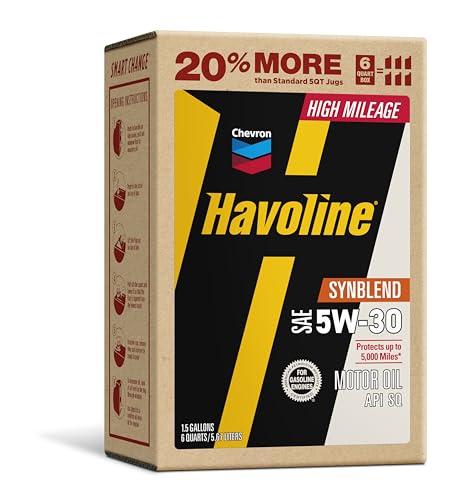
Havoline 5W-30 High Mileage Synthetic Technology Oil

Castrol GTX Full Synthetic High Mileage 0W-20 Motor Oil
More Details On Our Top Picks
Mobil built this 5W-30 specifically for engines past the 75,000-mile mark, including vehicles stepping up from conventional or blend oils. The headline claim is protection rated to last 1.5 times longer than Mobil’s own conventional formulas, with oil changes possible at up to 7,500 miles. For anyone commuting daily, fewer changes per year means real time saved.
The extra seal conditioner targets the leak-prone gaskets typical of older engines, while the balanced additive system works against sludge and deposit buildup. Viscosity holds steady at high operating temperatures, which matters in stop-and-go traffic or towing.
Strong Points
- Extended drain capability up to 7,500 miles cuts annual maintenance trips noticeably
- Seal conditioning helps slow the weeping leaks common in aging valve covers and pan gaskets
- Resists thermal breakdown, keeping protection consistent during hot summer driving
- Full synthetic base flows quickly on cold starts, reducing dry-start wear
Things To Consider
- Owners commonly report the 7,500-mile interval assumes normal driving; severe duty calls for shorter cycles
- Priced above blend oils, so the upgrade only pays off if your engine genuinely needs it
Key Specs
Who It Suits Best
Commuters racking up highway miles in a well-maintained car past 75k who want longer intervals without sacrificing protection.
Where A Sibling Pick Shines
Engines already burning or leaking oil visibly may respond better to Pennzoil High Mileage 10W-40, whose thicker grade and leak-focused formulation suit that problem directly.
This one isn’t an oil change; it’s a supplement poured into the crankcase alongside whatever oil you’re running. STP thickens the lubricant slightly, creating a cushion between moving parts that have worn looser over decades of service. The formula includes ZDDP, shorthand for zinc dialkyldithiophosphate, a long-established anti-wear agent that forms a protective layer on metal surfaces under high pressure.
Lifter tick and valvetrain noise are the classic use case here. In our view, it’s a bandage rather than a cure, but for an older beater you plan to keep another year or two, that bandage can be worth every cent.
What We Like
- ZDDP content fights metal-to-metal friction where clearances have opened up
- Thicker film can reduce oil consumption in engines that drink a quart every few hundred miles
- Pours into any existing oil, conventional or synthetic, no special procedure needed
Minor Gripes
- Added viscosity can thicken cold starts in winter, a consideration in northern climates
- Not a substitute for fixing a genuine mechanical fault; ticking that persists deserves a mechanic’s look
- One 15-ounce bottle treats a single change cycle, so costs recur at every oil change
Made For
Owners of high-mileage engines showing minor noise or consumption who want a low-effort stopgap between proper repairs.
Another Choice May Suit
A full oil designed for wear, like Mobil 1 10W-40 High Mileage, delivers similar thick-film protection as a complete replacement rather than an additive.
Where the Mobil pick above runs a modern 5W-30, Pennzoil goes thicker with a 10W-40 grade aimed squarely at engines that leak or burn oil. The formulation is built to help swollen-but-worn seals do their job again and to cut down the consumption that leaves you adding quarts between services. Detergents in the mix also work on sludge and deposits left behind by years of marginal oil.
Notably, Pennzoil states this oil suits turbocharged engines needing low-speed pre-ignition protection, a phenomenon where fuel ignites at the wrong moment under load. That LSPI coverage is unusual at this price point and adds credibility for older turbo cars.
Highlights
- Leak-targeting chemistry addresses the number-one complaint from owners of 100k-plus engines
- Thicker hot viscosity maintains oil pressure in engines with worn bearings
- LSPI suitability makes it a rare fit for aged turbocharged applications
- Deposit control keeps rings and passages cleaner over successive changes
- Five-quart jug covers most sedans in one purchase
Softer Spots
- 10W-40 is too thick for many late-model engines; always confirm your owner’s manual allows it
- Cold cranking in freezing weather is harder on the battery than with a 5W-grade oil
Feature Snapshot
Right Fit For
Drivers of older domestic or import engines that drip, smoke, or need frequent top-offs and accept a heavier oil grade.
Swap It Out When
Your manual specifies 0W-20 or 5W-20; Castrol GTX Full Synthetic High Mileage 0W-20 later in this list fits those thinner-spec engines properly.
K&N made its name on filtration, and this oil carries that performance-first mindset into the crankcase. The brand’s Synthamax additive technology is the differentiator here, a proprietary package aimed at wear reduction and keeping an older engine performing closer to its original output. It’s a full synthetic in the widely compatible 5W-30 grade, so it slots into most gas engines without drama.
You may find this pick appeals most when you enjoy maintenance as much as driving. Pairing it with K&N filters creates a coherent setup, though nothing stops you mixing brands.
Bright Spots
- Synthamax additives are engineered specifically for wear defense in higher-mileage engines
- Full synthetic base supports consistent flow from frigid mornings to highway heat
- Positions itself around maintaining performance, not just basic protection
Points To Note
- Brand recognition rests on filters; the oil line is newer, so long-term track record is thinner than Mobil’s or Castrol’s
- Availability can be spottier at local parts stores than the big-name alternatives
Who Will Love This
DIY enthusiasts who already run K&N filtration and want a matching synthetic tuned for aging engines.
Reach For A Different Pick When
Proven longevity data matters more to you than additive marketing; Mobil Full Synthetic High Mileage offers decades of documented field history.
This is the heavier sibling of the Mobil pick that opened the list, trading the 5W-30 grade for a 10W-40 that lays down a thicker protective film. Full synthetic chemistry brings strong cleaning action along with wear defense, which helps strip away the varnish and sludge an older engine has accumulated. Think of it as a deep clean and a warm coat in the same bottle.
In hot climates or under towing loads, that extra thickness keeps oil pressure steadier than a lighter grade would. The trade-off shows up on cold mornings, where 10W-40 takes longer to reach tight clearances than a 5W oil does.
Upsides
- Thicker hot film sustains pressure in engines with worn bearings or pumps
- Full synthetic detergency gradually cleans deposits from rings and galleries
- Heat stability suits desert drivers and anyone hauling with an older truck
- Five-quart volume handles a full change for most engines
Small Caveats
- Wrong choice for engines spec’d for 5W-30 or thinner; check the manual first
- Slower cold-flow means harder winter starts in very cold regions
At A Glance
Built With In Mind
Owners of older V8s, trucks, and hot-climate daily drivers whose manuals permit a 10W-40 grade.
Not Your Match When
Your engine calls for a light 0W-20 spec; the Castrol GTX option near the end of this roundup matches that requirement cleanly.
Royal Purple occupies the enthusiast end of this category, and HMX is its dedicated answer for engines past their prime. The signature ingredient is Synerlec, a proprietary additive technology the brand credits with strengthening the oil film itself, which translates into less metal contact and, per the manufacturer, longer usable oil life. Zinc and phosphorus anti-wear additives reinforce that defense where cam lobes and lifters take the worst punishment.
HMX also carries explicit protection against LSPI, the low-speed pre-ignition issue explained earlier with the Pennzoil pick, plus oxidation stability for extended service. Sold by the quart, it suits top-offs and partial fills as easily as full changes.
Reasons To Buy
- Synerlec film-strength technology aims to restore some lost performance, not merely slow decline
- Zinc/phosphorus package protects high-load valvetrain components
- LSPI resistance covers modern direct-injection designs
- Oxidation stability supports longer intervals between changes
- Quart bottles make targeted top-offs simple
Worth Noting
- Per-quart pricing sits above mainstream brands, so full changes cost noticeably more
Quick Facts
The Right Fit
Enthusiasts with a 5W-20-spec engine they intend to keep long-term and who view premium oil as cheap insurance.
Look Elsewhere When
Budget drives the decision; Havoline’s Smart Change six-quart jug delivers high-mileage protection at a friendlier cost per quart.
Chevron’s Havoline takes a middle path: synthetic technology rather than a full synthetic base, priced and packaged for straightforward ownership. The Smart Change six-quart jug is the practical hook here, sized for trucks and SUVs that need more than five quarts, saving you from buying a second bottle mid-change. Additives focus on keeping seals and gaskets pliable, which controls both leaks and the oil consumption that follows them.
Evaporative loss at high temperatures is another stated target, meaning less oil disappears out the PCV system during long highway runs. For most suburban drivers, that combination covers everything an aging engine asks for.
Plus Points
- Six-quart container fits larger engines in a single purchase
- Seal-conditioning additives address leaks and consumption together
- Reduced evaporative loss keeps levels steadier between changes
Areas To Watch
- Synthetic technology blend won’t match a full synthetic’s extreme-temperature headroom
- Drain intervals should stay conservative compared with premium full-synthetic claims
- Jug shape pours awkwardly without a funnel, a small but recurring annoyance owners mention
Whose Shelf It Belongs On
Budget-minded owners of six-cylinder SUVs and trucks past 75k who want dependable protection without premium pricing.
Consider Something Else When
Maximum heat stability and longest intervals matter most; step up to Royal Purple HMX or the Mobil full synthetic earlier in this list.
Castrol closes the list with the thinnest grade here, 0W-20, aimed at the wave of vehicles from the last decade that demand it even as mileage climbs. The standout engineering detail is Phosphorus Replacement Technology, a proprietary approach that lowers phosphorus content because excess phosphorus degrades catalytic converters over time. Older engines still need wear protection, so the challenge is delivering both, and this formula attempts exactly that balance.
Protection extends to leaks, oil burn-off, and power-robbing deposits, covering the usual high-mileage complaint list. Compared with the 10W-40 options reviewed above, this pick trades film thickness for emissions-system friendliness and effortless cold starts.
Standout Traits
- Reduced phosphorus helps preserve catalytic converters and emission equipment life
- 0W-20 flow gives near-instant lubrication on winter startups
- Addresses leaks and burn-off despite the thin grade
Honest Caveats
- Only correct for engines specifying 0W-20; using it elsewhere risks inadequate film strength
- Thin oils can expose existing seal wear faster, so expect closer monitoring of levels early on
Core Details
Perfect Match For
Owners of newer-model Toyotas, Hondas, and Fords past 75k whose manuals mandate 0W-20 and who want emission-safe wear protection.
Skip It When
Your engine drinks oil heavily and permits a heavier grade; Pennzoil High Mileage 10W-40 handles consumption problems more directly.
Choosing Between These Car Oils For High Mileage
Start With Your Owner’s Manual
Viscosity grade is non-negotiable. An engine designed for 0W-20 won’t thank you for 10W-40, no matter how many miles it has, and the reverse holds too. Confirm the grade printed on the oil cap or in the manual before anything else, then narrow by base type and additive focus.
Match The Formula To The Symptom
Visible leaks point toward seal-conditioning formulas like the Pennzoil or Havoline picks. Heavy consumption in an engine that allows a heavier grade favors 10W-40 options. Clean-running engines that simply crossed 75k benefit most from a balanced full synthetic such as Mobil’s 5W-30. Diagnose first, then spend.
Blend Versus Full Synthetic
Synthetic technology blends cost less and handle everyday commuting adequately. Full synthetics resist oxidation longer, flow better in cold weather, and generally support extended intervals. Towing, extreme heat, or long highway commutes justify the step up; gentle city use may not.
Think In Cost Per Change Cycle
A pricier oil stretched to 7,500 miles can undercut a cheaper oil changed every 3,000. Factor container size too, since six-quart jugs save money on trucks while quart bottles suit top-off habits.
Key Considerations Across These Picks
Traps First Timers Fall Into
The biggest mistake is buying on brand loyalty alone and ignoring the viscosity spec. Second is treating an additive like STP’s treatment as a repair; it manages symptoms, it doesn’t fix worn bearings. Third is assuming “high mileage” on the label overrides what the manual demands. It doesn’t.
Where The Extra Money Goes
Premium oils fund proprietary additive packages, like Royal Purple’s Synerlec or Castrol’s phosphorus management, plus stricter base-stock refining. Those dollars translate into longer intervals, better cold flow, and gentler treatment of seals and catalysts. Paying up makes sense for engines you plan to keep; for a vehicle nearing retirement, a solid blend is honest economics.
Bottom Line
An engine past 75,000 miles rewards attention, and oil is the easiest attention to give. Start with the viscosity your manual specifies, then choose based on your engine’s actual behavior: leaks, consumption, noise, or just age. Any pick on this list will serve its intended driver well, and matching the formula to the symptom beats chasing the fanciest bottle on the shelf. Your engine will tell you what it needs; listen at every dipstick check.
