

A slow oil drip on the driveway is more than an eyesore. It signals aging seals, and left alone it can turn a cheap fix into a four-figure engine job. The right stop-leak additive can rejuvenate hardened rubber seals in minutes, buying your engine years of clean parking spots. This roundup covers eight options across engines, transmissions, power steering, hydraulics, and even head gaskets, so you can match the bottle to the actual leak.
The Shortlist At A Glance

Lucas Oil 10019 Hydraulic Oil Booster and Stop Leak (32 oz)

SealLube Stops Leaks Multi-System Additive (8 oz)

Liqui Moly Motor Oil Saver (300 ML) – 2 Pack
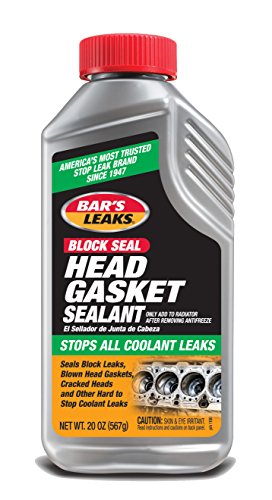
Bar’s Leaks 1100 Head Gasket Repair Sealant (20 oz)
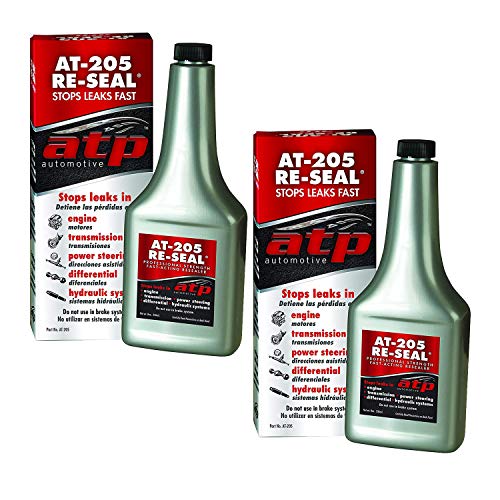
ATP Automotive AT-205 Re-Seal Stops Leaks (2 Pack)
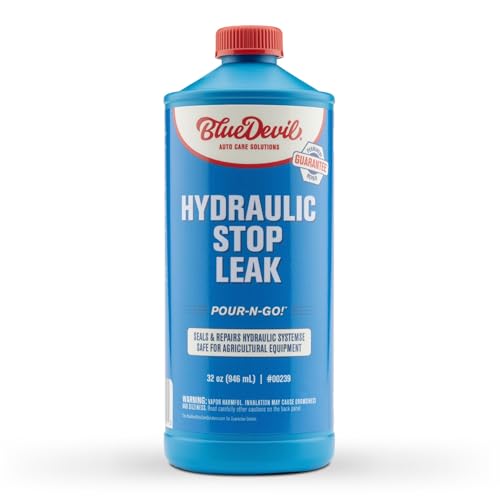
BlueDevil Hydraulic Stop Leak (32 oz)

Bardahl NoSmoke StopLeak Motor Oil Additive (16 oz)

XADO ATOMEX Stop Leak Engine Treatment (250 ml)
More Details On Our Top Picks
A quart bottle goes further than most sealers here, which matters when you’re topping off a tractor loader or a log splitter with a big reservoir. Lucas built this one around hydraulic systems specifically: it conditions seals while thickening worn fluid enough to quiet slip and chatter in rams and cylinders.
Owners of older equipment commonly report steadier pressure and cooler-running hydraulics after a treatment, and the brand’s long track record in the fluids aisle adds confidence. It also doubles as preventive maintenance between fluid changes.
Strong Points
- Quart size suits large hydraulic reservoirs without buying multiples
- Conditions seals to reduce weeping at hoses, rams, and cylinders
- Helps dampen slip and chatter in tired lift circuits
- Serves double duty as routine preventive maintenance
Things To Consider
- Formulated for hydraulics, so it’s not the pick for an engine oil drip
- You may find dosing takes some trial on very large tanks
Key Specs
Who It Suits Best
Equipment owners running tractors, splitters, or shop presses who want one bottle that handles both leak control and fluid conditioning.
Where A Sibling Pick Shines
For an engine or transmission drip instead, the SealLube multi-system additive covers far more ground in a smaller dose.
Most households own more than one leaking machine, and this little bottle is built for exactly that reality. SealLube lists compatibility with gasoline and diesel engines, manual and automatic transmissions, power steering, rack and pinion units, differentials, jacks, and hydraulic systems, all from one 8-ounce container.
The mechanism is straightforward: the formula restores flexibility, elasticity, and tensile strength to rubber seals that have dried and shrunk with age. One honest note worth flagging up front is that brake systems are off limits, so keep it away from brake fluid circuits entirely.
What We Like
- One bottle addresses leaks across nearly every fluid system you own
- Rejuvenates rubber seals rather than just plugging gaps temporarily
- Compact 8-ounce dose fits tight fill necks and small reservoirs
- Works in both gasoline and diesel applications
Worth Noting
- Never suitable for brake systems, which limits its use on some jobs
- Small volume means multiple bottles for large differentials or tanks
Made For
DIYers maintaining a mixed garage of cars, mowers, and jacks who want a single sealer that travels between them.
Swap It Out When
When the leak is strictly hydraulic and the reservoir is big, the Lucas Oil 10019 quart gives you more conditioning per dollar.
Liqui Moly carries serious weight among European-car owners, and this two-pack of 300 ml bottles reflects that audience. Where cheaper sealers focus on external drips, this formula also targets internal wear points like valve stem seals, the small rubber rings that let oil sneak past into the combustion chamber on high-mileage engines.
The practical payoff shows up at the tailpipe: less blue smoke on cold starts and slower oil consumption between changes. Owners commonly report quieter running too, since conditioned seals and slightly thicker oil film dampen engine noise. In our view, that combination makes it the most complete engine-focused option on this list.
Highlights
- Regenerates rubber and plastic seals throughout the oil circuit
- Addresses valve stem seal wear that causes blue exhaust smoke
- Two bottles cover two treatments or two vehicles
- Compatible with both gasoline and diesel engines
- Can reduce top-up frequency between oil changes
Small Caveats
- Priced above basic domestic-brand sealers per treated liter
- Results on badly hardened seals may take a few hundred miles to show
Feature Snapshot
Right Fit For
High-mileage European sedans and wagons showing smoke on startup plus a weeping valve cover, handled by an owner comfortable with a simple pour-in fix.
Not Your Match When
Your problem is a transmission or power steering seep rather than engine oil, where the ATP AT-205 two-pack spreads across more systems.
This one plays a different game than the rest of the list. A blown head gasket sits between the engine block and cylinder head, and fixing it properly means tearing the engine down. Bar’s Leaks 1100 exists for the moment that job isn’t financially sensible, using aramid and refractory fibers that pack into the failure point and lock together under heat and pressure.
The result is a hard, ceramic-style bond rather than a soft chemical plug. For an aging vehicle facing a repair bill larger than its value, many owners treat this as the last stop before retirement. It won’t rescue every catastrophic failure, and severely overheated engines often need mechanical work regardless, so temper expectations accordingly.
Reasons To Buy
- Aramid fiber blend forms a rigid, heat-resistant seal at the failure site
- Offers a credible alternative to a four-figure teardown on older cars
- Single 20-ounce bottle sized for typical cooling systems
Honest Caveats
- Success depends heavily on how severe the gasket damage already is
- Installation requires draining and refilling coolant, a messier job than a pour-in oil additive
- It’s a cooling-system product, not a fix for oil pan or valve cover drips
Who Should Grab It
Owners of a beater or second car with combustion-to-coolant symptoms who want one last affordable attempt before parking it.
Another Choice May Suit
For ordinary external oil leaks, the Bardahl NoSmoke additive below is the simpler, lower-stakes route.
Two 8-ounce bottles in one package changes the math for anyone chasing more than one leak. ATP positions AT-205 as professional-strength, aimed at reviving dried-out rubber seals and gaskets across engines, transmissions, power steering racks, differentials, and hydraulic circuits.
The detail that separates it from bargain-bin sealers is what it doesn’t touch: the formulation is designed to leave internal bearings and moving components unharmed, so you’re treating the rubber, not gumming up the works. Shop techs have kept this one in rotation for years, which says something about its consistency. Compared to the Liqui Moly saver earlier, it trades the valve-stem-seal focus for broader system coverage at a friendlier cost per bottle.
Plus Points
- Two-bottle pack covers separate leaks or a follow-up treatment
- Rejuvenates rubber seals and gaskets rather than masking them
- Safe formulation that spares bearings and internal parts
- Works across five-plus vehicle systems from one product
Points To Note
- Eight ounces per bottle may require two doses on large V8 sumps
- Some users report needing a week or two of driving before seepage fully stops
At A Glance
Best Suited To
Weekend mechanics dealing with a transmission seep and a power steering drip at once, who want pro-grade chemistry without the pro invoice.
Reach For A Different Pick When
Heavy equipment with a large hydraulic tank is the patient, in which case BlueDevil’s 32-ounce hydraulic formula fits better.
Hydraulic leaks on working equipment cost real money, both in lost fluid and in downtime. BlueDevil’s 32-ounce jug targets that world directly, restoring flexibility to shrunken, cracked, or dried rubber seals inside hydraulic circuits on tractors, forklifts, and industrial machinery.
Compatibility is the headline attribute here: the formula mixes with all types of hydraulic fluid, so there’s no guesswork about whether it plays nicely with what’s already in the tank. It’s also engineered to avoid clogging valves or damaging components, a common worry with particulate-based sealers. Against the Lucas quart at the top of this list, BlueDevil leans harder on seal restoration alone, while Lucas adds fluid conditioning on top.
Bright Spots
- Full 32-ounce volume suits commercial-size hydraulic reservoirs
- Mixes with every hydraulic fluid type without draining first
- Non-clogging formula protects pumps and control valves
- Restores cracked and shrunken seals, not just surface weeping
Softer Spots
- Overkill for a passenger car with no hydraulic circuit beyond power steering
- Jug format is bulky to store on a home shelf
Quick Facts
Whose Shelf It Belongs On
Farm and light-industrial operators whose loaders, lifts, or forklifts weep fluid and can’t afford scheduled downtime for resealing.
Look Elsewhere When
For a car’s engine, transmission, or steering rack, the ATP AT-205 pair delivers similar seal-reviving action in automotive-sized doses.
An engine that burns oil leaves two clues: a puff of smoke at startup and a dipstick that keeps dropping. Bardahl’s NoSmoke + StopLeak attacks both at once, combining seal conditioning with viscosity support for worn engines where clearances between pistons, rings, and cylinders have loosened over the years.
Bardahl has been formulating additives since long before most brands on this list existed, and the 16-ounce bottle slots into a standard oil change without fuss. The honest read is that it manages symptoms of wear rather than reversing them, but for a daily driver past 150,000 miles, slowing consumption and quieting the exhaust can stretch the engine’s remaining life considerably.
Standout Traits
- Tackles oil burning and external leaks in the same treatment
- Helps compensate for worn piston ring and cylinder clearances
- Generous 16-ounce bottle covers most sump sizes in one go
- Long-established brand with decades of additive history
Room For Improvement
- Won’t reverse significant mechanical wear, only manage it
- Thicker oil film may slightly affect fuel economy on some engines
The Right Fit
Owners of well-used commuter cars and trucks that smoke on cold starts and need a top-up between every oil change.
Consider Something Else When
Your engine leaks externally but doesn’t burn oil, where the XADO ATOMEX treatment below focuses purely on seal restoration.
XADO rounds out the list with a lean 250 ml bottle aimed squarely at engine seals and gaskets, including the notorious rear main seal that drips onto the transmission bellhousing. The formula works by restoring elasticity to rubber components that heat cycles have stiffened over time.
Fitment is unusually broad for such a small container: the company lists everything from cars to motorcycles, which makes it a handy single solution for a household with a bike in the garage alongside the sedan. Compared to the Bardahl bottle just above, XADO skips the anti-smoke angle and concentrates purely on resealing, so results depend on the leak being seal-related rather than ring-related.
Positives
- Restores elasticity of hardened gaskets and rubber seals
- Suits both automotive and motorcycle engines
- Small bottle stores easily and doses precisely
- Targets rear main seal leaks other products often miss
Minor Gripes
- 250 ml may under-dose large-displacement V8 and diesel sumps
- No anti-wear or anti-smoke support beyond sealing itself
Core Details
Who Will Love This
Motorcycle riders and compact-car owners chasing a persistent valve cover or rear main seep with minimal fuss.
A Better Fit Elsewhere
Engines that both leak and burn oil get more from the Bardahl NoSmoke additive’s dual-action formula.
What Matters Most Before Choosing Car Oil Leak Sealers
Match The Product To The System
Stop-leak chemistry isn’t universal. Rubber-seal conditioners work in engines, transmissions, power steering, and hydraulics, while head gasket sealers bond inside the cooling circuit and should never cross over. Identify where the fluid is actually coming from before ordering anything.
A cardboard sheet parked overnight tells you more than any guesswork. Fresh amber oil near the front usually means valve cover or timing cover; dark drips mid-chassis suggest transmission or rear main territory.
Understand What Seals Need
Most leaks trace back to nitrile rubber seals that have hardened, shrunk, or cracked after years of heat cycling. Conditioner-type additives restore flexibility and tensile strength so the rubber re-seats against its shaft. That approach fails on torn or physically damaged seals, which need mechanical replacement no matter what you pour in.
Respect Dosage And Fluid Type
Undertreating a large sump produces weak results, and overdosing a small one can thicken oil beyond spec. Check your crankcase capacity against the bottle’s stated coverage, and confirm the formula matches your fluid type, especially with hydraulic systems where compatibility varies.
Set Realistic Timelines
Seal conditioners need circulation and heat to work, so expect gradual improvement over days or a couple hundred miles rather than instant dry pavement. Products promising overnight cures for structural failures are overselling what chemistry can do.
Key Considerations Across These Picks
Wrong Turns To Avoid
The most common mistake is pouring an engine-oil conditioner into a brake or clutch hydraulic circuit, which several manufacturers explicitly forbid. Another frequent misstep is using a sealer as a substitute for diagnosis: a cracked housing or stripped drain plug won’t respond to any bottle on this list. Match the product category to the confirmed leak source first.
The Case For Spending Up
Premium formulas earn their price through concentration and breadth. A professional-grade resealer like the ATP pair or the Liqui Moly duo treats more systems per ounce and tends to spare internal components, while budget options often demand repeat doses. For a vehicle you plan to keep, the stronger chemistry pays for itself in fewer reapplications.
Wrap Up
Start by finding the leak, then let the system dictate the bottle. Hydraulic equipment owners have strong options in the Lucas quart and BlueDevil jug, mixed-garage DIYers get the most mileage from SealLube or the ATP two-pack, and tired engines do well with Liqui Moly, Bardahl, or XADO depending on whether smoke accompanies the drip. Whichever route you take, give the treatment time to circulate before judging the results.
