

A stuck bolt at dusk or a door hinge that squeals every morning is a small problem that ruins a whole day. The right lubricant on your shelf ends both in minutes. This roundup covers greases, sprays, penetrants, and detailing fluids for home garages, weekend wrenching, and daily drivers. Match the product to the job and most of these annoyances disappear for good.
The Shortlist At A Glance
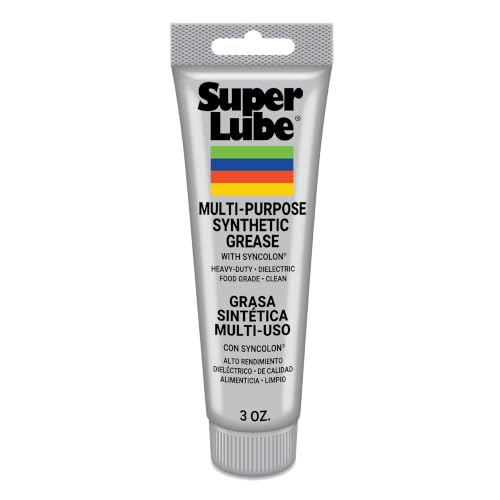
Super Lube Multi-Purpose Synthetic Grease w/ Syncolon 3 oz Tube

Keze Copper Anti Seize Thread Lubricant 1 Oz
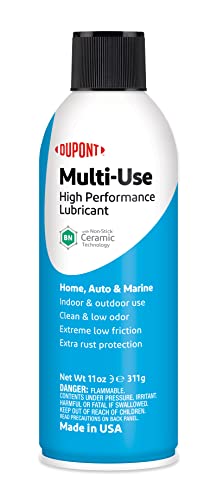
Dupont Teflon Multi-Use Lubricant Aerosol Spray 11 Oz

LubriMatic 11316 Multi-Purpose Grease 1 Pound

3D Clay Lubricant GLW Series 16oz

AGS SIL-Glyde Brush Top Can Silicone Lubricant 4 oz

Made Here Co. Multi-use Lubricating Penetrant Oil 4oz

Keze White Lithium Grease Car Door Tube
More Details On Our Top Picks
Synthetic grease with PTFE (the slick polymer better known by the Teflon trade name) behaves differently from petroleum grease: it doesn’t melt off hot bearing surfaces or wash away in rain. Super Lube’s translucent white tube suits tool pivots, gear boxes, and automotive fittings alike, and it shrugs off salt water and dirt where cheaper greases break down.
The food-grade registration is the quiet differentiator here. In a shared garage or kitchen-adjacent workspace, one tube covers both the car and the stand mixer without cross-contamination worry.
Strong Points
- Handles high heat without thinning out, so wheel bearings and oven-adjacent tools stay protected
- Resists water, salt spray, and corrosion, which matters for coastal drivers and winter road salt
- Registered food grade, safe around kitchen equipment and pet areas
- Syncolon (PTFE) particles reduce friction and wear on sliding metal parts
- Small 3 oz tube stores cleanly in a glovebox or toolbox drawer
Things To Consider
- The 3 oz size runs out quickly on chassis jobs; owners doing frequent greasing often keep a second tube on hand
Key Specs
Made For
Home mechanics and workshop users who want one trustworthy grease covering automotive, tool, and household jobs.
A Better Fit Elsewhere
For bulk chassis work on trucks and farm equipment, the LubriMatic 11316 pound tub delivers far more volume per dollar.
Nobody thinks about anti-seize until an exhaust manifold stud snaps off flush. This copper blend of powder, lithium composite thickener, and petroleum distillates coats threads so dissimilar metals never gall or weld themselves together under heat cycles. Spark plug installs, oxygen sensors, brake hardware, and lug nuts all benefit.
Unlike the general-purpose greases earlier on this list, Keze’s formula is built specifically for threaded fasteners in hot zones. A little goes a long way, which is why the 1 oz pack lasts most DIYers years.
What We Like
- Copper particles shield threads from rust, galling, and seizure between service intervals
- High temperature resistance suits exhaust manifolds and spark plug wells
- Works on brake guide pins, hub bolts, bushings, and even lawnmower hardware
- Tiny footprint means it lives in a toolbox corner indefinitely
Minor Gripes
- Copper formulation isn’t intended for oxygen sensor threads on some newer vehicles; checking your service manual first avoids trouble
- Greasy residue transfers easily, so gloves during application save cleanup time
Who Should Grab It
Weekend wrenchers doing their own spark plugs, brakes, or exhaust work who want fasteners to come apart next season.
Swap It Out When
For squeaky hinges and light household lubrication rather than threaded fasteners, the DuPont Teflon aerosol spray handles those jobs more conveniently.
An aerosol can earns its shelf space by being the thing you reach for first. DuPont’s wet-style formula leaves a lingering film rather than evaporating like dry sprays, so hinges, latches, cables, and sliding mechanisms stay quiet for months instead of weeks. Teflon particles boost wear protection on moving contact points.
Compared with the Super Lube grease in pick one, this trades thickness for reach: the straw-style spray gets into pivot points a grease tube simply can’t touch.
Highlights
- Wet-style film provides maximum long-term lubrication on frequently used mechanisms
- Teflon enhancement improves lubricity and reduces wear over time
- Corrosion-resistant additives protect bare metal in damp garages
- Strong water resistance keeps protection intact after rain or washing
- 11 oz can covers dozens of household and automotive applications
Softer Spots
- Wet lubricants attract dust in dirty environments, so wiping excess off exposed surfaces keeps things clean
- Overspray drifts easily indoors; a rag behind the joint prevents mess on paint or flooring
Feature Snapshot
Right Fit For
Anyone wanting a single grab-and-go spray for door hinges, seat tracks, latches, and light-duty car maintenance.
Where A Sibling Pick Shines
Seized bolts need penetrating action, not film lubrication, and the Made Here Co. penetrant oil in pick seven is built exactly for that.
Greasing a trailer’s bearings, a truck’s U-joints, and a tractor’s chassis in one afternoon burns through small tubes fast. LubriMatic sells this amber NLGI #2 grease (the standard stiffness rating for wheel bearings and chassis fittings) by the pound, which changes the economics entirely for anyone maintaining more than one vehicle.
The drop point sits at 350 degrees Fahrenheit, comfortably above what chassis and universal joint applications generate. Rolling parts are its sweet spot, and the hard-working formula holds up under heavy loads.
Upsides
- Pound-size tub means roughly five times the volume of a typical 3 oz tube
- Rated NLGI #2 with a 350 degree F drop point, matching common chassis and bearing specs
- Long-lasting formula performs across heavy-duty farm, shop, and road applications
- Amber color makes applied coverage easy to see on dark components
Points To Note
- An open tub collects dust and grit over months; decanting into a grease gun cartridge keeps contamination down
- No synthetic or food-grade credentials, so it’s less versatile than the Super Lube option for mixed-use households
At A Glance
Who Will Love This
Trailer owners, farmers, and multi-vehicle households who grease fittings regularly and want bulk value.
Consider Something Else When
Precision tool and household lubrication calls for the cleaner, food-grade Super Lube tube instead of a shop tub.
Clay barring without proper lubrication is how swirl marks happen. Run a clay bar (the resin block that lifts embedded grime from paint) across dry clearcoat and every trapped particle drags like sandpaper. The GLW series exists to prevent exactly that, giving the bar an ultra-slick cushion so contaminants release into the bar instead of scratching the panel.
This is the only true detailing product on the list, and it fills a gap the mechanical lubes above can’t touch. Brake dust, tree sap, and industrial fallout all surrender to a properly lubricated pass.
Bright Spots
- Hyper-slick formula lets the clay bar glide instead of grabbing on painted panels
- Lifts embedded dirt, brake dust, and environmental pollutants that washing alone won’t remove
- Safe on clearcoat when used as directed, protecting the finish during decontamination
- 16 oz bottle covers several full-car sessions before running dry
Room For Improvement
- Single-purpose by design; unlike the multi-use sprays here, it won’t help with hinges or bolts
- Works best on freshly washed paint, so plan for a two-step session
Whose Shelf It Belongs On
DIY detailers prepping paint for wax, sealant, or ceramic coating who want smooth, mar-free decontamination.
Not Your Match When
General mechanical squeaks and seized hardware fall outside its scope; the AGS silicone compound below covers those everyday needs.
Silicone is the only lubricant you should trust near rubber. Petroleum-based products swell and crack weatherstripping over time, while silicone conditions it. AGS packages this compound in a brush-top can, which sounds old-fashioned until you use it: precise dabs on trunk seals and window channels with zero overspray, a real advantage over the DuPont aerosol for interior trim work.
The stated range runs from minus 20 degrees Fahrenheit to 400 degrees, so door seals stay supple through winter and summer alike.
Plus Points
- Compatible with rubber, plastic, metal, wood, and glass without damaging finishes
- Performs from -20°F to 400°F without freezing, melting, or gumming
- High film strength reduces wear on frequently cycled seals and bumpers
- Brush-top applicator places lubricant exactly where needed, no mist
Small Caveats
- Brush application is slower than a spray on large areas like full weatherstripping runs
- Four ounces goes quickly on big sealing projects; heavy users may want a backup can
Quick Facts
Who It Suits Best
Daily drivers fighting sticky doors, frozen seals, and squeaking trim through seasonal temperature swings.
Reach For A Different Pick When
Loaded metal-on-metal joints such as bearings and chains need the thicker waterproof barrier of the Keze white lithium grease.
Penetrating oil and lubricating oil are different animals. A penetrant creeps into the microscopic gap between rusted threads, breaking corrosion’s grip so the bolt turns; a plain lubricant just sits on top. Made Here Co.’s non-toxic formula does both, freeing stuck hardware and then leaving protective film behind against future rust.
The 4 oz bottle is deliberately compact, sized for a toolbox drawer or trunk emergency kit rather than a shop shelf. Hinges, chains, and stubborn nuts are its natural territory.
Reasons To Buy
- Deep penetration frees seized nuts, bolts, and hinges without force
- Non-toxic formula is friendlier around kids, pets, and enclosed garages than solvent-heavy sprays
- Leaves rust-preventing protection on treated parts afterward
- Compact bottle fits gloveboxes and small tool kits
Honest Caveats
- Severely corroded fasteners may need repeat applications and soak time; patience beats muscle here
- Oil-based film attracts dust on exposed indoor hardware, so wipe excess from visible hinges
The Right Fit
Homeowners and DIYers reviving neglected outdoor equipment, garden tools, and older vehicles with corroded fasteners.
Another Choice May Suit
Preventive thread protection on new installations belongs with the Keze copper anti-seize, which stops seizing before it starts.
White lithium grease is the classic answer to metal grinding on metal, and Keze’s tube version targets the spots cars actually complain about: door hinges, hood latches, seat rails, and tailgate pivots. The thick consistency clings where a spray would run off, and it quiets squeaks in both metal and plastic contact points.
Where it pulls ahead of the LubriMatic tub is moisture defense. The cured layer forms a waterproof barrier, which is why marine and outdoor-equipment owners favor lithium formulas in humid climates.
Standout Traits
- Eliminates squeaks and grinding in metal-to-metal and metal-to-plastic joints
- Waterproof barrier blocks moisture in humid or marine environments
- Thick film stays put on vertical hinges and latch mechanisms
- Serves garage doors, gears, chains, and bearings alongside car duties
Trade Offs
- Tube format means finger or small-tool application; a grease gun setup is faster for chassis zerk fittings
- Too thick for precision locks or lightweight plastic sliders, where the AGS silicone works better
Core Details
Built With In Mind
Car owners tired of squeaking doors and latches, plus anyone maintaining gates, garage doors, or boat trailers outdoors.
Look Elsewhere When
Hot threaded fasteners such as spark plugs call for the dedicated Keze copper anti-seize rather than general-purpose lithium grease.
Choosing Between These Car Lubricants
Match The Formula To The Job
Greases cling and carry load; oils penetrate and flow; sprays cover wide areas fast. Wheel bearings and U-joints demand an NLGI-rated grease, weatherstripping demands silicone, and a rusted bolt demands a penetrant. Using the wrong category is the fastest route to wasted money and a still-squeaking part.
Temperature And Environment Count
A garage in Minnesota and a driveway in Florida punish lubricants differently. Check the stated operating range before committing: compounds rated to 400 degrees handle engine bays, while anything living outdoors needs genuine water resistance. Coastal owners should prioritize salt-corrosion protection above almost everything else.
Think About Application Style
Aerosols reach hidden pivots but overspray; brush cans offer precision at a slower pace; tubes and tubs suit thick greases. Your storage space matters too, since a 1 lb tub rewards regular use and punishes occasional dabblers with dried-out product.
Compatibility Protects Your Car
Petroleum products degrade rubber and some plastics, so keep silicone near seals and trim. Food-grade registration adds flexibility for shared spaces. Reading the compatibility notes on each listing takes two minutes and saves repainting trim later.
Key Considerations Across These Picks
Wrong Turns To Avoid
The classic error is buying one giant multipurpose jug and using it everywhere, including on rubber seals it will slowly ruin. Another slip: skipping anti-seize on spark plugs and exhaust hardware, then paying for extraction later. Size honestly too, since a 16 oz detailing bottle makes sense only with a clay bar in hand.
The Case For Spending Up
Higher-tier synthetics justify their cost through temperature stability, longer reapplication intervals, and material safety. A premium synthetic grease protects a $200 wheel bearing job; cheap grease protects nothing for long. Spend up where failure is expensive, economize on light household duty.
Wrap Up
Your garage needs fewer products than the aisle suggests. A quality synthetic grease, a silicone compound, a penetrant, and one job-specific pick cover nearly everything a daily driver throws at you. Start with the problem that annoys you most this week, match it to the right category above, and let each purchase earn its shelf space. Quiet hinges and free-turning bolts follow naturally.
