

Anyone who wrenches on their own car knows the frustration of a seized bolt or a brake caliper that squeals after one wet winter. The right grease prevents both, yet the shelf at any auto parts store is crowded with tubes that all look alike. This roundup sorts through eight options that cover the jobs most home mechanics actually face: wheel bearings, caliper pins, spark plug threads, and general chassis work. Some are specialists built for extreme heat, others are do-everything tubs worth keeping in the garage drawer year-round.
The Shortlist At A Glance
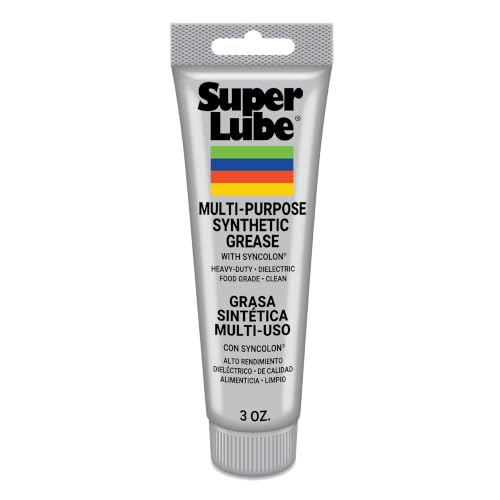
Super Lube Multi-Purpose Synthetic Grease w/ Syncolon 3 oz Tube

Keze Copper Anti Seize Thread Lubricant Grease 1 Oz
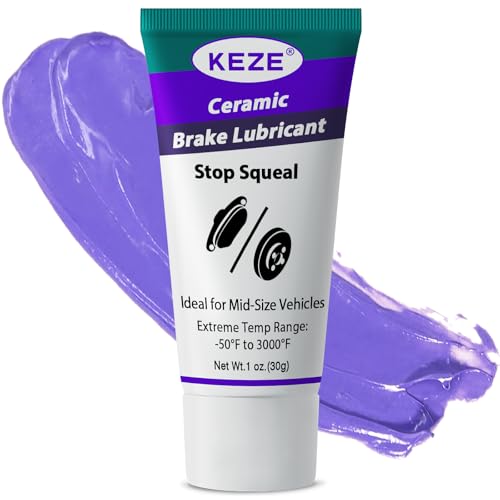
Keze Ceramic Brake Grease for Caliper Parts 1 oz

Keze High Temp Ceramic Brake Caliper Grease 8 oz Brush Top Can

AtomLube All Purpose Grease 2-Pack 14 Oz Tubes

ABRO Masters #3 Wheel Bearing Grease 16 oz

LubriMatic 11316 Multi-Purpose Grease 1 Pound

Valvoline Multi-Vehicle Moly-Fortified Gray Grease 1 LB
More Details On Our Top Picks
This translucent white synthetic grease earns its spot at the top of a car-focused list because it refuses to stay in one lane. Syncolon, the brand’s PTFE-based friction reducer, lets it serve as tool grease, gear grease, and bearing grease without switching containers mid-job.
The food-grade registration is the detail most people overlook. It means you can keep one tube in the garage and safely borrow it for kitchen mixer heads or bike components without worry about contamination around the house.
Strong Points
- Synthetic base holds up in high-temperature engine bays where petroleum greases thin out
- Resists water, salt spray, dirt, and corrosion, so exposed fittings survive winter roads
- Food-grade rating makes it safe to share between automotive and household tasks
- Small 3 oz tube stashes in a glovebox or tool roll without taking up space
Things To Consider
- The 3 oz tube runs out fast on chassis guns; bigger jobs will want multiple tubes
- Not formulated specifically for brake hardware, where a dedicated ceramic lube performs better
Key Specs
Who It Suits Best
DIYers who want one trustworthy tube covering tools, bearings, gears, and household gear alike.
Where A Sibling Pick Shines
For dedicated brake caliper work, the Keze Ceramic Brake Grease later in this list is the more purpose-built choice.
Anti-seize compounds solve a problem regular grease cannot touch: two dissimilar metals fused together by heat and corrosion. This Keze blend mixes copper powder into a lithium-composite carrier, and that copper film is what keeps spark plug shells and exhaust studs from welding themselves into their bores.
Think of it as insurance you apply before the disaster. A thin coat on plug threads today saves you an extractor kit and a stripped head next time those plugs come out, especially on aluminum heads where galling risk runs highest.
What We Like
- Copper particles shield threads from rust, corrosion, galling, and seizure under heat cycling
- Works across spark plugs, oxygen sensors, lug nuts, bushings, and exhaust manifold studs
- Handy on lawnmower blades and garden equipment bolts too, not just cars
- One-ounce pack lasts years for occasional home use
Worth Noting
- Copper formulations are generally avoided on some modern wheel stud designs, so check your vehicle’s service guidance first
- A little goes a long way; over-application on spark plugs can affect torque readings
Made For
Weekend mechanics doing their own plug changes, sensor swaps, and exhaust work who want fasteners to come out clean years later.
Consider Something Else When
Your job involves moving caliper pins rather than static threads; the Keze Ceramic Brake Caliper Grease handles sliding surfaces far better.
Brake hardware lives in the hottest corner of your car, and ordinary grease simply cooks off there. This Keze formula pairs a synthetic MCA base with ceramic powder, a combination the maker rates for extreme temperatures where standard lubricants would melt away.
Where the copper anti-seize earlier in this list protects stationary threads, this one is built for movement: slide pins, pad ears, and caliper sleeves. Squeal after a pad swap usually traces back to dry metal-on-metal contact, and a dab here quiets things down.
Highlights
- Synthetic MCA plus ceramic powder resists breakdown at brake-level heat
- Quiets squealing pads and smooths friction on bolts, sleeves, and caliper pins
- Helps prevent pin seizing so future pad jobs come apart easily
- Corrosion resistance extends hardware life in salt-belt climates
Trade Offs
- The 1 oz pouch covers roughly one axle job, so frequent DIYers burn through it quickly
- Application takes care; grease on friction surfaces or rotor faces causes braking problems
Right Fit For
Home mechanics tackling their first full brake job who need a proper caliper-specific lubricant rather than a generic tub.
Swap It Out When
You service brakes several times a season; the 8 oz brush-top version of this same Keze formula cuts cost per job considerably.
Same chemistry as the 1 oz Keze pouch above, packaged for people who turn wrenches often. The synthetic MCA and ceramic powder blend carries the same extreme-temperature rating, but the 8 oz can means you stop rationing every dab.
The brush-top lid is the quiet upgrade here. You paint a controlled layer onto slide pins and pad shims without gloving up or digging fingers into a tub, which also keeps grit out of the remaining product between jobs.
Upsides
- Eight ounces covers many brake services, lowering the cost per caliper dramatically
- Brush applicator delivers precise coats on pins, sleeves, and backing plates
- Same anti-seize and squeal-stopping performance as the smaller sibling
- Lidded can seals out workshop dust between uses
Minor Gripes
- An open can needs upright storage in a stable spot; a tipped container makes a mess of a toolbox drawer
- Overkill volume for someone servicing brakes once every few years
Who Should Grab It
Shade-tree mechanics maintaining a multi-car household or a small fleet who want pro-shop quantity at home.
Look Elsewhere When
You need an all-purpose grease for bearings and chassis too; the AtomLube twin-pack later in this list spreads across more vehicle systems.
Most greases force a compromise between automotive and marine duty. AtomLube blends heavy-duty, multi-purpose, and marine characteristics into a single NLGI #2 formulation, which is the standard stiffness rating for wheel-bearing and chassis work, then ships it as two 14 oz cartridges.
That cartridge format matters more than it sounds. Standard tubes load straight into a hand grease gun, so repacking trailer wheel bearings or greasing truck chassis zerks becomes a five-minute task instead of a finger-and-tub affair.
Reasons To Buy
- NLGI #2 consistency suits wheel bearings, chassis points, and boat trailer hubs equally
- Marine-grade water resistance protects fittings on boats, jet skis, and coastal-driven vehicles
- Two-tube pack keeps a spare sealed on the shelf for the next season
- Designed and manufactured in the USA
Softer Spots
- General-purpose chemistry lacks the extreme-heat rating needed inside brake calipers
- Cartridge format requires a compatible grease gun, which some first-time users may not own yet
Whose Shelf It Belongs On
Truck owners, trailer towers, and anyone splitting time between driveway repairs and weekend boating.
Another Choice May Suit
Dedicated brake work still calls for the Keze High Temp Ceramic Caliper Grease, whose heat rating this generalist does not match.
Old-school sodium-based grease has largely given way to lithium formulas, yet ABRO keeps this fibrous #3 grade alive for good reason: severe service. The thicker, stringy texture stays put on bearings in tractors, buses, and trucks that see constant load and vibration.
The 16 oz tub suits farm and property equipment better than a passenger car alone. Owners commonly report reaching for it on mower spindles, trailer jacks, and implement PTO fittings where a firmer grease clings instead of slinging off.
Plus Points
- Heavy-duty formulation built for severe-service conditions and long component life
- Outstanding resistance to water washout and rust on exposed bearings
- Serves automotive, marine, agricultural, and fleet equipment from one tub
- Generous 16 oz volume outlasts several tube-sized competitors
Honest Caveats
- Sodium-based thickeners tolerate water less gracefully than lithium types once emulsified, so re-greasing intervals matter in very wet environments
- Tub packaging means hand-packing bearings unless you own a loading plate for your gun
Best Suited To
Rural property owners and equipment maintainers running tractors, mowers, and trailers under sustained heavy loads.
Reach For A Different Pick When
Your priority is modern passenger-car wheel bearings in a grease gun; the Valvoline Moly-Fortified Gray Grease fits that workflow more directly.
Every garage needs a no-drama tub of grease, and this amber pound of LubriMatic fills that role without pretense. The NLGI #2 formula carries a 350-degree Fahrenheit drop point, meaning the temperature at which it turns liquid, plenty for chassis fittings and universal joints on daily drivers.
Compared with the ABRO tub reviewed just above, this one trades severe-duty credentials for everyday affordability. Chassis lube points, U-joints, and rolling elements around the home, farm, or shop are exactly its intended territory.
Bright Spots
- Long-lasting hard-working formula rated for a wide spread of heavy-duty applications
- Handles chassis, U-joints, and general rolling-part lubrication in one container
- Full pound of product at a wallet-friendly tier
- Amber color makes applied areas easy to spot during inspection
Points To Note
- The 350-degree drop point falls short of what brake caliper interiors demand
- No cartridge format, so grease-gun users will need a tub loader or hand application
The Right Fit
Budget-conscious home mechanics stocking a first toolbox with one dependable multipurpose tub.
Not Your Match When
Extreme-pressure protection is the goal; the Valvoline Moly-Fortified Gray Grease brings molybdenum reinforcement this basic formula lacks.
Molybdenum disulfide, shortened to moly, is a solid lubricant that plates onto metal under extreme pressure. That is why this gray Valvoline tub has been a fixture in truck bays for decades: the moly shields heavily loaded joints from wear that plain grease allows.
The operating window spans minus 10 degrees Fahrenheit to 275 degrees, wide enough for cold-morning plowing and hot towing alike. Ford, Lincoln, and Mercury owners get an added bonus, since the formula meets the M1C75-B specification those vehicles call for.
Standout Traits
- Moly fortification provides extreme-pressure and anti-wear protection under heavy loads
- Lithium 12-hydroxystearate EP base in NLGI #2 grade suits grease-gun and hand packing
- Wide temperature range from bitter cold starts to loaded towing heat
- Meets Ford M1C75-B requirements for specified domestic vehicles
Areas To Watch
- Moly greases are generally not recommended for wheel bearings in some applications, so confirm fitment for your specific vehicle
- Tub-only packaging adds a loading step compared with cartridge products like the AtomLube pair
Quick Facts
Perfect Match For
Ford truck and SUV owners, plus anyone towing or hauling who wants reinforced joint protection.
Where Another Pick Suits Better
General household and marine lubrication is handled more flexibly by the AtomLube All Purpose Grease twin-pack.
Choosing Between These Car Greases Without Guesswork
Match The Grease To The Job
Grease categories exist for reasons rooted in chemistry. Wheel bearings want an NLGI #2 lithium or similar base that resists water washout, while brake caliper pins demand a high-temperature ceramic or silicone formula that survives heat plain grease cannot. Threads and studs call for anti-seize compounds instead.
Using one tub everywhere feels economical until a caliper pin seizes or a bearing fails early. Two or three purpose-chosen products cost little more than one wrong one.
Read The Temperature Numbers
Drop point tells you when grease liquefies; operating range tells you where it actually protects. A 350-degree drop point handles chassis work comfortably, while brake hardware routinely exceeds that, which is exactly why dedicated caliper lubes exist.
Cold climate drivers should also check the low end. Grease that stiffens below freezing can starve fittings on winter mornings.
Consider Packaging And Workflow
Cartridges load directly into a grease gun, making chassis and bearing service quick. Tubs suit hand-packing bearings and dipping brushes but add mess and a loading step. Frequent DIYers benefit from bulk sizes; occasional users waste money on quantities that dry out on the shelf.
Weigh Specialty Additives Carefully
Moly-fortified greases excel under extreme pressure on U-joints and slip yokes, though they are not universally recommended for every bearing type. Food-grade synthetics earn their premium in shared household settings. Match the additive to the documented requirement in your vehicle’s manual rather than assuming more is always better.
Key Considerations Across These Picks
Traps First Timers Fall Into
The most common mistake is treating all grease as interchangeable. Copper anti-seize belongs on threads, never on sliding caliper pins, and generic tubs melt inside brake assemblies. Over-application creates its own problems too, particularly on spark plug threads where excess compound skews torque values. A thin, even coat wins every time.
The Case For Spending Up
Higher-tier products justify their cost through specialized chemistry: ceramic powders rated for brake-level heat, moly additives that plate onto loaded metal, or synthetic bases holding viscosity across wider temperature swings. For a single annual oil change and tire rotation, budget grease suffices. Anyone rebuilding brakes or towing regularly recovers the price difference the first time a job goes smoothly.
Bottom Line
There is no single grease that does everything well, and pretending otherwise is how seized calipers happen. Keep a versatile synthetic like the Super Lube tube for general work, a dedicated ceramic lube for brakes, and either the Valvoline moly or AtomLube cartridges for bearings and chassis depending on what you drive. Build that small kit once and most lubrication jobs on your list become ten-minute tasks instead of weekend projects.
