

Whether you’re hauling a scooter behind an SUV or flying with a cat in the cabin, the right carrier changes the whole trip. This list covers both worlds: hitch-mounted cargo platforms and rooftop bags for road-trip overflow, plus soft-sided pet carriers built for airline cabins and vet visits. Each pick below was chosen for how it actually behaves on real trips, not just what the spec sheet promises.
The Main Contenders
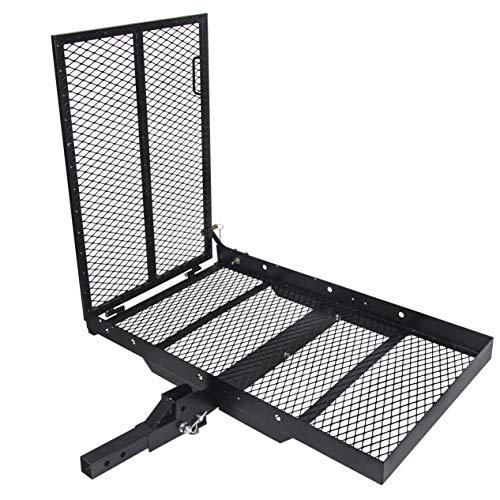
ECOTRIC Hitch Cargo Carrier with Ramp, Foldable 500 Lbs

Asinking Rooftop Cargo Carrier Bag 15 Cu Ft (840D)
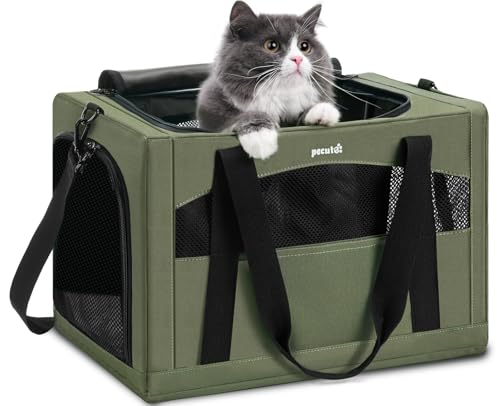
Pecute Cat Carrier with Privacy Partition (Green)

YUNIQUE Soft-Sided Pet Carrier for Pets Up to 15 Lbs (Grey)

Asinking Rooftop Cargo Carrier Bag 20 Cu Ft Waterproof

Asinking Car Rooftop Cargo Carrier Bag 21 Cubic Feet

Asinking Heavy Duty Roof Luggage Carrier 21 Cubic Feet

BAGSMART Soft-Sided Quilted Collapsible Cat Carrier
Meet The Standout Selections
A hitch-mounted platform like this one solves a problem rooftop bags can’t touch: wheeled cargo. The ECOTRIC bolts into a standard 2-inch receiver and gives you a 26.8 by 46.2 inch deck, which is enough room for a folding wheelchair, a mobility scooter, or even a snow blower you’d rather not lift.
The integrated ramp is the part that matters most day to day. Instead of deadlifting heavy gear onto a raised basket, you roll it straight up. Owners of scooters and medical equipment tend to call this the difference between using the carrier weekly and leaving it in the garage.
Notable Upsides
- The foldable design lets the platform tilt up against the vehicle when empty, so parallel parking stays manageable.
- A 500-pound capacity covers most mobility scooters and power chairs with headroom to spare.
- No roof access needed, which makes loading realistic for one person.
- Ramp length of roughly 38.7 inches keeps the climb angle gentle for low-clearance wheels.
Things To Consider
- Steel platforms like this add meaningful tongue weight, so confirm your hitch rating before loading near the max.
- Exposed metal will need occasional rust checks if you drive in snow or coastal air.
Key Specs
Who It Suits Best
Caregivers and scooter owners who load wheeled equipment regularly and want a one-person routine instead of a two-person lift.
Where A Sibling Pick Shines
For soft luggage rather than machines, the Asinking 15 Cu Ft rooftop bag is lighter, cheaper to store, and leaves your hitch free for a bike rack.
This is the smallest bag in the Asinking lineup here, and that’s exactly its appeal. Fifteen cubic feet swallows two large suitcases plus duffels, which covers a long weekend for two people without turning your sedan into a sail. It works on vehicles with or without roof racks because the included door hooks clamp the straps inside the car frame.
The fabric is 840D PVC, a dense woven material coated for abrasion resistance, and the seams are triple-reinforced welds rather than stitching. Stitched seams are where cheap bags leak; welded ones don’t have needle holes to seep through. In steady rain, that construction detail is what keeps sleeping bags dry.
What Helps Most
- Six door hooks plus two extra straps give you more anchoring points than most entry-level bags include.
- An anti-slip mat protects your roof paint from strap rub during long drives.
- The zipper sits under a six-inch Velcro flap, a simple barrier that deflects wind-driven water.
- A luggage lock adds a little deterrence at hotel stops.
Small Caveats
- Fifteen cubic feet fills fast for families; larger groups should look at the 20 or 21 cubic foot versions below.
- You’ll want to dry it fully before storage, since folded damp PVC can develop mildew smells over time.
The Right Fit
Couples or solo travelers in sedans and small SUVs who take occasional road trips and don’t own a roof rack.
Swap It Out When
Packing for five people? The Asinking 21 Cubic Feet model later in this list adds serious volume and ten straps for highway stability.
Anyone who has driven with a stressed cat knows the soundtrack: constant yowling from the back seat. The Pecute’s privacy partition addresses that directly, letting you shade part of the interior so your cat can hide from passing traffic and headlights. For anxious animals, that visual cover often settles them faster than any calming spray.
Structurally, it’s more rigid than typical soft carriers. A 5mm steel wire frame holds the shape, four fixing buckles secure it in the car, and a honeycomb base panel stops the floor from sagging under your pet’s weight. At 16.9 inches long, it suits cats and small dogs up to around 11 pounds, with the most comfortable fit reported for pets between roughly 6.6 and 8.8 pounds.
Positive Takeaways
- The privacy screen genuinely reduces visual stress triggers on busy roads.
- Four buckles anchor the carrier so it doesn’t slide during hard braking.
- An internal safety strap keeps smaller pets from bolting out the moment you unzip.
- The reinforced floor means no embarrassing mid-trip sag when your cat shifts position.
Points To Note
- Larger cats near the 11-pound limit may find the turning room tight, so measure first.
- The structured frame makes it bulkier to store than fully collapsible designs like the BAGSMART below.
Quick Facts
Made For
Owners of nervous cats who dread every car ride, especially those doing regular vet runs or multi-hour drives.
Another Choice May Suit
Frequent flyers should look at the YUNIQUE carrier instead, since its airline-approved soft-sided build is designed for cabin compliance.
Weight is the quiet enemy of airline travel with pets. Every pound of carrier counts against your carry-on allowance, and the YUNIQUE’s lightweight fabric design keeps the shell itself barely noticeable while still rated for pets up to 15 pounds. That combination makes it a sensible match for cabin travel and everyday errands alike.
Airflow is the other strength worth flagging. Large mesh panels run along both sides, so heat doesn’t pool inside during a summer layover or a warm car ride. The waterproof outer fabric shrugs off accidents, and the whole unit collapses flat between trips, which apartment dwellers will appreciate since pet gear tends to multiply.
Reasons It Performs
- Dual-side mesh ventilation keeps pets comfortable on warm travel days.
- Collapsible design stores flat in a closet or under a bed.
- Waterproof fabric handles the inevitable accident without soaking through.
- Carry it by hand or wear it on your back depending on the terminal sprint.
Less Ideal Details
- Soft-sided walls flex, so determined scratchers may eventually work at the mesh seams.
- Always verify current airline dimension rules before booking, since cabin requirements shift by carrier and aircraft.
Who Will Love This
Small-dog owners and cat parents who fly a few times a year and need something light, breathable, and stowable between trips.
Reach For A Different Pick When
Car-focused stability matters more than flight weight, and the Pecute’s steel-frame buckled design handles that job better.
Twenty cubic feet sits in the sweet spot of this whole list. Compared to the 15 cubic foot Asinking reviewed earlier, you gain roughly a third more volume, enough for a family of four’s vacation luggage, yet the footprint stays reasonable on mid-size SUV roofs. Bigger isn’t always better up there; wind noise and fuel economy both suffer as bags grow.
The non-rip construction pairs abrasion-resistant PVC with reinforced seams, and the kit includes a non-slip mat, a luggage lock, and four door hooks for rack-free installation. Setup takes most owners well under fifteen minutes once they’ve done it once, and the included storage bag keeps the whole thing trunk-sized when empty.
Practical Advantages
- Twenty cubic feet holds about a week of family luggage without crowding the cabin.
- Door-hook strapping works on bare roofs, no rack required.
- The anti-slip mat prevents paint scuffing on longer hauls.
- Locking zipper pulls add peace of mind during motel overnighters.
What To Weigh
- Four hooks versus the six found on some siblings means slightly fewer anchor points in crosswinds.
- Loading the top layer means climbing on a bumper or running board for taller vehicles.
Details At A Glance
Right Fit For
Families upgrading from trunk-only packing who want real volume without stepping up to the largest, priciest bags.
Consider Something Else When
Regular high-speed interstate driving argues for the 21 Cubic Feet model next, whose ten-strap system holds steadier in gusts.
Straps are the unglamorous reason rooftop bags fail. One loose corner at 70 mph and the whole bag starts flapping, then fraying. This version ships with ten reinforced straps, the highest count in this roundup, and that redundancy is what you want for sustained highway speeds and crosswind-prone routes.
The shell uses 900D PVC tarpaulin, a heavier weave than the 840D fabric on the smaller Asinking bag, with every seam closed by high-frequency welding rather than thread. Six security hooks and a luggage lock round out the kit, alongside the familiar anti-slip mat. You give up nothing on capacity either: twenty-one cubic feet matches the largest option here.
What Pays Off
- Ten straps spread tension across more points, reducing flutter and wear on any single anchor.
- 900D tarpaulin stands up better to branch strikes and repeated packing cycles than lighter weaves.
- Welded seams leave no stitch holes for rain to wick through.
- Six hooks accommodate a wider range of door-frame shapes.
Trade Offs To Consider
- More straps mean a longer setup the first few times until the routine clicks.
- The heavier fabric folds down bulkier, so plan closet space accordingly.
Core Details
Who Should Grab It
Drivers logging long interstates with a full load, where strap count and fabric weight translate directly into confidence.
Not Your Match When
Occasional weekend use favors the simpler 15 Cu Ft Asinking, which costs less and stores smaller.
Where the previous Asinking wins on strap count, this one leans into seam engineering. The manufacturer describes triply reinforced heat-welded joints across the 900D abrasion-resistant PVC body, and that layered approach targets the exact point where most soft carriers eventually give up: the corners, where stress concentrates every time you pack it full.
Capacity matches its sibling at twenty-one cubic feet, and installation follows the same door-hook pattern that works with or without a roof rack. The honest read is that these two 21-cubic-foot Asinking bags overlap heavily; choosing between them comes down to whether you value extra anchoring points or extra seam reinforcement more. All-weather drivers who park outside lean toward this one.
The Case For It
- Triply reinforced seams hold up to years of pack-and-unpack cycles.
- Heat-welded construction eliminates the leak paths stitched bags develop.
- Full-size capacity handles camping gear, not just suitcases.
- Works on bare roofs via door hooks, no rack purchase needed.
Worth Bearing In Mind
- With fewer straps than the ten-strap sibling, check tension after the first hour of driving.
- Like all PVC bags, it needs thorough drying before long-term storage.
Whose Shelf It Belongs On
Year-round users in rainy climates who prioritize watertight durability over maximum anchor points.
Look Elsewhere When
Wind-heavy routes favor the ten-strap Asinking 21 Cubic Feet version for its added tie-down redundancy.
The quilted exterior is more than styling. Padding cushions bumps against door frames and seat backs, and the puffy profile reads less clinical to a nervous animal than a hard plastic box. At 18 by 11 by 10.6 inches, the footprint is sized for airline cabin use, with the maker recommending pets up to 16.5 inches long and 20 pounds.
Security details are where it earns its spot. An upgraded anti-collapse frame keeps the top from caving onto your pet when the bag slumps in an overhead bin or under a seat, and an adjustable internal leash plus self-locking zippers close off the escape routes clever cats always seem to find. Unlike the structured Pecute earlier in this list, it folds nearly flat when the trip ends.
What Earns Its Place
- Anti-collapse frame maintains headroom even when the bag tips or compresses.
- Internal leash clip prevents dash-out escapes at gate check-in.
- Self-locking zippers defeat paw-powered breakouts.
- Quilted padding softens every knock along the way.
A Few Limitations
- Confirm your specific airline’s current dimension limits before flying, since policies vary and change.
- Pets pushing the 20-pound mark will find the space snug; measure your animal first.
Essential Details
Perfect Match For
Cat owners who fly occasionally and want a padded, escape-proof cabin carrier that disappears into a closet afterward.
Skip It When
Car-only households with anxious pets get better value from the privacy-partitioned Pecute, built specifically for back-seat calm.
What Matters Most Before Choosing Car Carriers
Match The Carrier To The Cargo
Start with what you’re actually moving. Wheeled equipment such as scooters and wheelchairs belongs on a hitch platform with a ramp, since lifting it onto a roof is neither safe nor practical. Soft luggage travels best in a rooftop bag, and living passengers obviously need a purpose-built pet carrier with ventilation and restraint points. Matching form to freight avoids the most common mismatch in this category.
Capacity And Vehicle Fit
Rooftop bags range from 15 to 21 cubic feet here, and bigger isn’t automatically better. A 21-cubic-foot bag on a compact sedan creates wind drag, noise, and awkward loading. Measure your roof length and check that door-hook straps can reach your door frames. Hitch carriers demand a different check: confirm your receiver size and tongue-weight rating before trusting a 500-pound platform.
Weather And Durability Details
Seam construction separates bags that survive seasons from bags that survive one storm. Welded seams have no needle holes, so rain has no path in, while stitched alternatives tend to wick over time. Fabric denier matters too; higher numbers indicate denser, tougher weaves. For pet carriers, look for internal leashes, locking zippers, and frames that resist collapse.
Storage Between Trips
Soft carriers fold, hitch platforms don’t. Garage space is a real constraint many shoppers discover too late, so decide honestly whether you’ll mount and remove hardware regularly or leave it installed year-round.
Key Considerations Across These Picks
Traps First Timers Fall Into
The classic error is buying on capacity alone and ignoring strap count, then discovering bag flutter at highway speed. Another frequent miss: skipping the pet measurement step. A carrier rated for 15 pounds won’t comfortably hold a long-bodied cat near that limit. Always measure length and height, not just weight.
What Separates Premium From Basic
Higher-tier bags spend their budget where failure happens: heavier denier fabric, welded rather than stitched seams, more anchor points, and included accessories like locks and mats. Paying up makes sense for frequent, long-distance use. Two road trips a year rarely justify it.
Closing Thoughts
The right choice depends entirely on what rides along. Scooter and wheelchair users have a clear answer in the ECOTRIC’s ramp-equipped platform. Road trippers should weigh the Asinking range against their roof size and route profile, while pet owners can split cleanly between the Pecute for car calm and the BAGSMART or YUNIQUE for flights. Measure first, buy second, and every trip gets easier.
