

Cabin air filters matter more once your car starts collecting daily miles, parking under trees, or sitting in stop-and-go traffic. You feel the difference in the first few minutes of a commute, especially when dust, road grime, and stale HVAC odors keep circling back through the vents. The right filter is mostly about fit, airflow, and how much cleanup you want from the cabin. That’s where these eight picks split into sensible choices for different vehicles and driving habits.
The Shortlist At A Glance
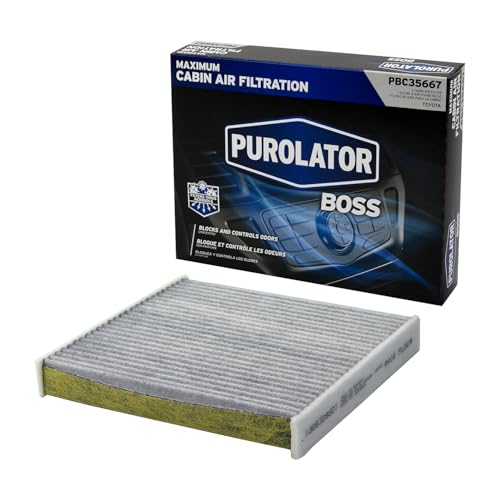
Purolator PBC35667 PurolatorBOSS Cabin Air Filter

KURIMUP Premium Cabin Air Filter CF10728

Puroma Cabin Air Filter CF12160 CAF1948P

Puroma Cabin Air Filter CP930 CF10930 CAF1869P

EPAuto CP285 (CF10285) Cabin Air Filter

Spearhead Odor Defense Breathe Easy AC & Heater Cabin Air Filter (BE-735)

Zoewalk Engine and Cabin Air Filter Combo Kit
More Details On Our Top Picks
Purolator’s BOSS cabin filter leans toward broad compatibility and practical everyday use, which matters for households that keep a Toyota RAV4, Camry, or Corolla in regular rotation. The activated carbon layer gives it a stronger odor-handling profile than a basic particulate filter, so it suits commuters who notice stale HVAC air after parking near traffic or in a garage.
The trade-off is simple, this is a replacement part built for fit and filtration rather than anything flashy. In a busy car, that’s often the right call, especially if you want a steady, low-drama swap during scheduled maintenance.
Strong Points
- Activated carbon helps manage cabin odors from traffic, fuel smell, and general urban use.
- Wide Toyota and truck fit coverage makes it easier to match common vehicles.
- Replacement format keeps installation straightforward for routine filter changes.
- Good fit for daily driving, where a clean HVAC stream matters more than extras.
Small Caveats
- It is aimed at specific Toyota and related applications, so fit checks still matter.
- There’s no extra kit or accessory bundle, just the filter itself.
Feature Snapshot
Who It Suits Best
You get the most from this one if your car matches the listed Toyota fitments and you want a straightforward replacement with odor control built in.
Where A Sibling Pick Shines
EPAuto CP285 (CF10285) Cabin Air Filter suits Toyota and Lexus owners who want a longer compatibility list, especially across older model years.
KURIMUP keeps the focus tight, which is useful for older Hyundai and Kia models that need a specific CF10728 replacement. The activated carbon construction gives you odor-handling support, and the narrow vehicle list makes fitment easier to sort out before you open the package.
For city driving, that kind of specificity is a real advantage. The honest read is that it’s less flexible than Purolator’s broader Toyota coverage, but for the right Accent, Elantra, or Forte, it gets straight to the point.
What We Like
- Direct CF10728 replacement makes compatibility easier to confirm.
- Activated carbon adds a practical layer for stale cabin air and traffic odors.
- Fits several Hyundai and Kia applications, which helps multi-car households.
- Targeted format reduces guesswork for owners who already know the part number.
Points To Note
- Coverage is narrower than the most general-fit options in this roundup.
- It is a single replacement filter, so there’s no extra maintenance hardware included.
Technical Sheet
Made For
You should look here if your Hyundai or Kia uses CF10728 and you want a simple, vehicle-matched replacement without extra complication.
Look Elsewhere When
Purolator PBC35667 PurolatorBOSS Cabin Air Filter makes more sense for Toyota and truck owners who need a broader fit list instead of a compact one.
Puroma takes a more layered approach here, pairing activated carbon with a multi-layer build aimed at Hyundai and Kia crossovers and hatchbacks. That matters for drivers who spend a lot of time in mixed traffic, because the filter is built to handle the dull, constant cabin contamination that shows up in city use.
The lighter sound-absorbing effect is a small but welcome detail, especially in compact cabins where road noise already has enough room to move. You also get a design that aims to support airflow while handling odor concerns, though the benefit is most noticeable in vehicles that stay on a regular replacement schedule.
Highlights
- Multi-layer construction gives it more structure than a plain basic filter.
- Activated carbon targets the kind of odors that linger after parking in traffic-heavy areas.
- High-airflow orientation helps the HVAC system feel less strained.
- Fits several Hyundai and Kia models, which makes it useful across a small garage.
- Sound-damping material is a quiet extra for everyday cabin comfort.
Areas To Watch
- Its longer feature list adds value, but only for vehicles on the fitment list.
- Complex filter media can cost more than a plain panel-style replacement.
- Like most cabin filters, it still needs regular replacement to stay effective.
At A Glance
Best Suited To
You’ll get the most from this pick in a Hyundai or Kia that sees frequent commuting, school runs, or errands through heavy traffic.
Swap It Out When
KURIMUP Premium Cabin Air Filter CF10728 is the simpler match for Accent, Elantra, and Forte owners who prefer a more tightly defined replacement path.
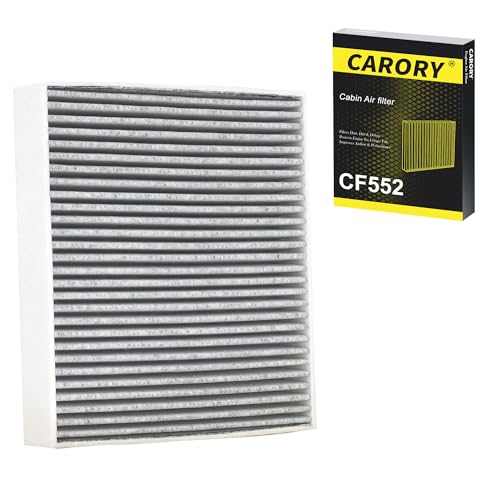
CARORY covers a lot of ground for Nissan and Infiniti owners, and that broad vehicle spread is the main reason it stands out. For families juggling multiple cars, a filter like this cuts down on part-number confusion because the same listing can serve several recent models.
The activated carbon layer is there for the kind of everyday odor control that matters after long idling, school pickups, or stop-start commuting. Compared with the more focused KURIMUP and Puroma picks, this one feels like the family fleet option, practical first and foremost.
Positives
- Wide Nissan and Infiniti coverage supports more than one vehicle in the garage.
- Activated carbon helps keep the cabin fresher during urban use and long drives.
- Multiple model years reduce the chance of replacing a filter every time the vehicle changes.
- Useful for households that want one part family across several compatible vehicles.
Room For Improvement
- Large compatibility lists still require a careful fit check before ordering.
- Its strengths are practical, not fancy, so it won’t appeal to shoppers chasing extra features.
Core Details
Who Will Love This
This fits you best when you maintain several compatible Nissan or Infiniti vehicles and want one straightforward replacement path.
A Better Fit Elsewhere
Spearhead Odor Defense Breathe Easy AC & Heater Cabin Air Filter (BE-735) suits drivers who want a more carbon-forward option for odor-heavy commutes.
Subaru owners tend to appreciate part-number clarity, and this Puroma filter gives you exactly that with CP930, CF10930, and CAF1869P references in view. The activated carbon plus woven filter structure is aimed at everyday cabin air cleanup, which is useful on wet days when fog and stale air can show up together.
Compared with the larger-fit CARORY and EPAuto options, this one feels tighter and more vehicle-specific. That usually works well for drivers who want a focused replacement, not a long cross-reference list to sort through.
Best Bits
- Clear Subaru-focused fitment keeps the search process simple.
- Carbon media supports odor control during commuting and errands.
- Useful part-number references help you verify compatibility.
- Compact replacement style suits routine maintenance without extra clutter.
Softer Spots
- It serves a narrower vehicle group than the broader multi-brand choices.
- Like most cabin filters, it works best when changed on schedule.
Details At A Glance
The Right Fit
You’ll appreciate this most in a Subaru that already calls for one of the listed part numbers and sees regular city or suburban use.
Reach For A Different Pick When
EPAuto CP285 (CF10285) Cabin Air Filter makes more sense for Toyota and Lexus owners who want a broader, long-running replacement option.
EPAuto’s CP285 has the sort of broad Toyota and Lexus coverage that makes routine maintenance feel less fussy. It’s a practical fit for owners who want one known replacement path across a lot of models, from older Camry and RAV4 applications to newer enough daily drivers that still need clean airflow.
That broadness is the selling point, but also the trade-off, because you still need to verify the exact fit against your vehicle. For most garages, though, that’s a fair exchange, especially when the goal is a dependable cabin filter with activated carbon built in.
Plus Points
- Long Toyota and Lexus fitment coverage helps across many model years.
- Activated carbon adds odor control for everyday driving.
- Good choice for households that maintain several compatible vehicles.
- Replacement format keeps installation simple during scheduled service.
Minor Gripes
- Broad fitment means you still need to double-check vehicle and year.
- The listing leans practical, so there’s no added bundle or accessory value.
Quick Facts
Built With In Mind
This is a solid fit for Toyota and Lexus owners who want one dependable cabin filter choice across a broad set of applications.
Where Shoppers Go Wrong
Puroma Cabin Air Filter CP930 CF10930 CAF1869P is the better call for Subaru drivers who need a tighter, brand-specific fit path.
Spearhead pushes farther into odor-focused design than most of the filters here, using real coconut shell activated carbon and a heavier construction profile. That makes sense for drivers who spend a lot of time in traffic, run the HVAC hard, or keep the cabin closed up for long stretches.
The longer service life claim is tied to the spec sheet, and that points toward less frequent changeovers than a basic filter would usually ask for. The catch is that this is still a fitment-specific part, so it rewards careful matching more than casual shopping.
Reasons To Buy
- Coconut shell activated carbon gives it a more specialized odor-control profile.
- Heavier filter construction suggests a more substantial replacement part.
- 15,000-mile service target suits drivers who cover steady annual mileage.
- Fits a range of Genesis, Hyundai, Kia, and other compatible models listed by the brand.
Trade Offs
- Its strongest appeal is narrow, so it’s only useful for the listed vehicle fitments.
- A more performance-focused build can cost more attention during compatibility checks.
Core Details
Whose Shelf It Belongs On
This belongs with you if odor control and longer service spacing matter more than keeping the filter as basic as possible.
Another Choice May Suit
CARORY Cabin Air Filter CF552 is the easier pick for Nissan and Infiniti households that need wider model coverage instead of a performance-focused build.
Zoewalk stands apart because it bundles the engine air filter and the cabin filter together, which is useful during a broader Lexus service refresh. That pairing matters for owners of ES and NX models who want to line up both filters in one maintenance pass instead of hunting separately for two parts.
The fitment references are specific, and the combo approach saves the mental friction of assembling a matched pair from different listings. The trade-off is that it only makes sense for the exact Lexus applications named in the listing, so it’s a targeted service kit rather than a general cabin-filter buy.
Highlights
- Two-filter kit simplifies a routine service cycle.
- Supports both engine intake and cabin airflow maintenance in one purchase.
- Useful for Lexus owners who prefer a single refresh path.
- Part references are listed clearly, which helps reduce compatibility errors.
Worth Noting
- It only fits the Lexus vehicles named in the listing.
- Combo kits are best used when you actually need both filters, not just one.
Feature Rundown
Perfect Match For
You get the most value from this kit during a planned Lexus maintenance session where both filters are due at the same time.
Skip It When
EPAuto CP285 (CF10285) Cabin Air Filter is the more flexible route for Toyota and Lexus owners who only need a cabin-only replacement.
How To Choose The Right Car Cabin Filters
Match The Part Before You Chase Features
The first filter decision is fit, not carbon density or marketing language. Cabin filters sit inside your HVAC system, so the correct part number and vehicle range matter more than a long feature list.
Part references such as CF10728, CP285, or BE-735 help narrow the field quickly. That saves you from ordering a filter that looks close but refuses to seat properly in the housing.
Think About Your Driving Conditions
City driving, rideshare use, and parking near traffic all create different filter needs than quiet suburban miles. Activated carbon helps with odors, while multi-layer media is useful when dust and pollen keep showing up in the cabin.
Drivers who spend long stretches in stop-and-go traffic usually feel the difference sooner than weekend drivers. The same goes for anyone who keeps the windows up most of the year.
Balance Airflow And Filtration
Stronger filtration is only useful if the HVAC system still moves air well enough for you. A dense filter can help capture more debris, but it may also feel less open than a simpler panel-style replacement.
That trade-off matters most in hot climates and in cars where the fan already works hard. For those vehicles, a filter with a cleaner airflow profile often feels more comfortable in daily use.
Choose For Ownership Habits, Not Hype
Frequent maintenance, multiple vehicles, and shared family cars each point toward a different kind of filter. Broad-fit options suit mixed garages, while vehicle-specific parts work better for owners who want a precise match and less guesswork.
In plain terms, the right pick is the one that matches your service habits. A tidy fit, sensible odor control, and easy replacement usually matter more than anything flashy.
A Quick Reality Check Before You Order
Hidden Buying Traps
People often miss the exact vehicle year or part reference, then end up with a filter that almost fits. Cabin filters look interchangeable until the housing says otherwise.
You also want to keep an eye on the filter type itself. A plain replacement and an activated carbon version are not the same thing in day-to-day use.
What The Higher Tier Buys
Higher-end cabin filters usually spend the extra cost on layered media, carbon content, or a more specialized structure. That can help with odor control, airflow balance, and service life in vehicles that see hard daily use.
The upgrade makes sense for commuters, rideshare drivers, and families that keep the HVAC on a lot. For lighter use, a simpler replacement often covers the basics just fine.
Bottom Line
You do not need the most complicated cabin filter to get a cleaner-feeling drive. You need the right fit, a sensible media choice, and a design that matches how you use the car every week. Purolator, EPAuto, and the vehicle-specific picks here cover the main use cases without overcomplicating the job. Choose for your exact model and the kind of air you want to breathe on the road.
