

Big audio setups ask more from a battery than a basic commuter rig, and the weak link usually shows up at idle, on short drives, or during long bass-heavy sessions. You need a battery that fits the vehicle, handles the load cleanly, and makes sense for how you actually drive. That’s the balance this roundup focuses on, from compact AGM options to heavier audio cells.
Quick Look At Our Shortlist
ACDelco Gold AUX14-200 Auxiliary AGM 200 CCA Battery

OPTIMA D51R YELLOWTOP Sealed AGM Battery
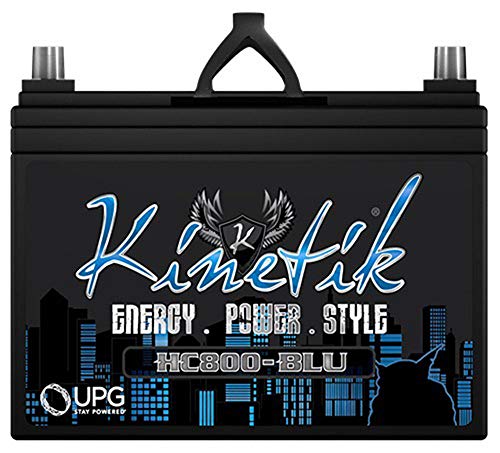
Kinetik HC800 BLU 800W 12V High Current AGM Car Audio Battery Power Cell
Goodyear 47-H5-AGM BCI Group Size 47 12V 60 AH 100RC 680 CCA Platinum series Rechargeable AGM Battery
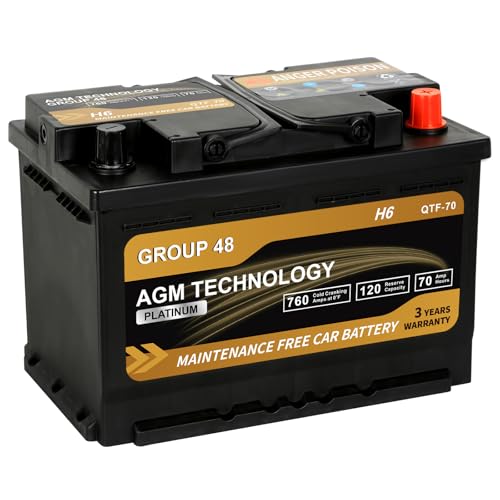
Platinum AGM Car Battery Group Size 48 H6 12V 70Ah 760 CCA 120 RC Rechargeable Start-Stop Automotive Battery
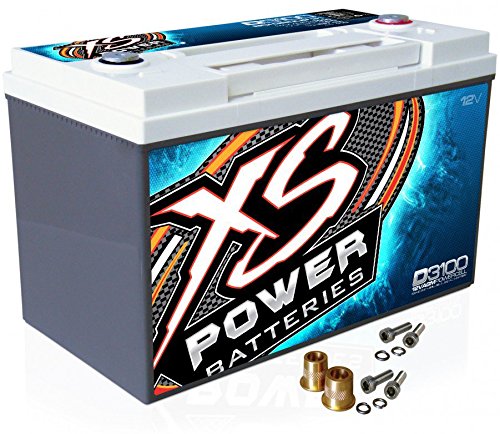
XS Power D3100 12V AGM 5000A Car Audio Battery Cell with 580 Top-Post Terminals

ENERGIE PR1200 1200 Watt 12 Volt Power Cell

XS Power XP950 950 Amp AGM Secondary Battery with M6 Terminal Hardware 12 Volt 35Ah 950W Deep Cycle AGM Powercell

Reikken PR1000 Energie 1000 Watt 12 Volt Power Cell
That small AGM format makes sense for cars that need auxiliary support rather than a giant audio-focused cell. In a daily driver with added electronics, the 200 CCA rating gives you a modest but useful reserve without taking over the battery bay.
The honest trade-off is simple, it’s not built for huge amplifier pulls the way the heavier XS Power picks are. For someone keeping a factory-style setup tidy, though, that lower-key fit can be exactly what keeps the install clean.
Strong Points
- AGM, or absorbed glass mat, uses a fiberglass separator that helps keep the battery sealed and tidy in normal use.
- Auxiliary sizing works well for vehicles that need backup support more than brute-force audio output.
- That compact footprint can make under-hood placement easier in tight factory spaces.
- Lower current demands are handled without making the system feel oversized or awkward.
Things To Consider
- It’s a better fit for support duties than for a high-draw stereo build.
- Owners with larger amplifier setups will likely want more reserve than this class provides.
- You still need to confirm terminal style and tray space before assuming it drops in cleanly.
Feature Snapshot
Who It Suits Best
Daily drivers with light aftermarket electronics or an auxiliary battery slot are the clearest match here.
A Better Fit Elsewhere
Goodyear 47-H5-AGM suits you better when your setup needs a more versatile main battery with stronger everyday output.
This one fits the accessory-heavy build better than the ACDelco auxiliary battery above. The sealed AGM design and dual-purpose intent make it a practical match for vehicles carrying audio gear, lighting, or other added electrical load.
Its low self-discharge profile also makes sense for seasonal use, such as a weekend truck or a stored project vehicle. The trade-off is size and weight, so you’ll want enough tray room and a plan for proper mounting before you count on it.
What We Like
- Dual-purpose design suits both starting and accessory support.
- AGM construction tends to stay cleaner than a vented flooded battery in custom installs.
- Versatile mounting opens up more placement choices in a crowded bay.
- 450 CCA gives it enough starting support for many smaller vehicles.
Worth Noting
- Its body style may not suit every tray or bracket without checking fit first.
- The build is more specialized than a plain replacement battery, so it makes the most sense in accessory-heavy vehicles.
Core Details
Built With In Mind
You get the most from this battery in a vehicle that carries more than stock electronics but still needs a practical daily-driver footprint.
Where A Sibling Pick Shines
XS Power XP950 fits better for someone building a more dedicated car audio setup and wanting a secondary battery with deeper reserve behavior.
Compared with the two batteries above, this Kinetik shifts much more clearly toward car audio use. The 12V high-current AGM build is aimed at systems around 800 watts, so it’s a more obvious fit for a trunk setup with real amplifier demand.
The sealed design also helps in factory-style battery locations, where you want less mess and fewer fitment headaches. It’s not the broadest all-purpose option in the list, but for a focused stereo build, that narrower purpose is the point.
Highlights
- Purpose-built for 800W audio systems.
- Sealed AGM construction suits enclosed battery bays.
- Can work as a replacement or an added battery in a stronger aftermarket setup.
- Black case with blue logo gives it a cleaner visual than many bare utility-style cells.
Small Caveats
- It’s narrowly tuned to audio demand, so it’s less flexible than the OPTIMA or Goodyear choices.
- You still need to confirm mounting space and terminal arrangement before installation.
- High-output builds may still call for a larger reserve cell.
Quick Facts
Right Fit For
Street cars and trunks with an 800W stereo setup are the clearest match, especially where you want a dedicated audio battery.
Look Elsewhere When
Goodyear 47-H5-AGM is the more rounded choice for a vehicle that needs daily drivability first and audio support second.
This Goodyear sits in the middle ground in a useful way. Compared with the Kinetik, it gives you a more conventional automotive fit, while the 680 CCA and 60 Ah rating make it easier to picture as a daily-use battery with some audio headroom.
The 100-minute reserve capacity matters because it points to how long the battery can support electrical loads before the voltage drops too far, which is handy in traffic or during parked listening. That said, the upside is greatest for drivers who want a dependable primary battery, not a pure audio cell.
Bright Spots
- BCI Group 47 sizing helps it line up with many common vehicle trays.
- 680 CCA gives you stronger starting support than the smaller auxiliary options.
- 100-minute reserve capacity helps in stop-and-go use or short accessory sessions.
- Multi-position mounting flexibility can simplify under-hood placement.
Areas To Watch
- It still needs a fit check against your exact tray, hold-down, and terminal layout.
- The battery is more versatile than audio-specialized, so extreme systems may want a larger cell.
Details At A Glance
Whose Shelf It Belongs On
Drivers who want one battery to handle commuting, weekend audio use, and regular engine starts will get the most from this Goodyear.
Swap It Out When
OPTIMA D51R makes more sense for a vehicle that needs deeper-cycle behavior and more accessory-specific flexibility.
This one stands out for modern vehicles that ask a battery to do more than the old-school job of cranking and cruising. The 70Ah capacity, 760 CCA, and 120 RC combination make it feel like a sensible middle-to-upper choice for drivers with audio gear and start-stop use.
The left-negative, right-positive layout helps you verify fit before ordering, which matters more than people think in this category. In a busy garage or driveway install, that kind of detail saves you from a battery that looks right but sits wrong.
Best Bits
- Strong starting numbers suit newer vehicles with more electrical demands.
- 120-minute reserve capacity adds breathing room for accessory use.
- Start-stop compatibility makes it a better match for late-model drivetrains than many plain AGM replacements.
- Its standard group size helps narrow the fit check quickly.
- 36-month warranty language gives the listing a clearer ownership horizon than some of the shorter, vaguer options in the category.
Minor Gripes
- You need to match both dimensions and terminal layout before expecting a drop-in install.
- It’s aimed at modern automotive use, so it isn’t as specialized for big audio-only builds as the XS Power cells.
Core Details
Who Will Love This
Late-model vehicle owners who want an AGM battery that can handle both daily driving and a decent audio load will get the most out of it.
Another Choice May Suit
ACDelco Gold AUX14-200 fits better for a smaller auxiliary role, especially in vehicles that already have a main battery doing the heavy lifting.
For serious audio builds, this is the largest and most forceful-feeling choice in the group. The Group 31 AGM format, 127Ah capacity, and 5000A max rating point to a battery built for heavy electrical demand, not casual add-on speakers.
That much capability comes with the expected trade-off, though, since the battery is large and heavy. In a show truck, competition build, or car with a truly demanding amplifier setup, that size feels justified, but it’s more battery than a simple weekend system needs.
Plus Points
- Very high output headroom suits big amplifier loads.
- 127Ah capacity supports longer accessory sessions than smaller cells.
- Included top-post terminals make the hardware side simpler.
- Group 31 sizing gives it the footprint of a serious power cell.
- Sealed AGM construction keeps maintenance light for a battery in this class.
Points To Note
- The size and weight require real planning for mounting and support.
- It’s overbuilt for modest audio systems, so the value only makes sense when your load is genuinely large.
- You’ll want to measure space carefully before assuming it fits a standard bay.
Technical Sheet
Best Suited To
You get the most from this XS Power in a high-output audio build where space, weight, and electrical demand all justify the upgrade.
Reach For A Different Pick When
Kinetik HC800 BLU fits better for a smaller stereo setup that still needs audio-focused current support without jumping to a Group 31 battery.
This ENERGIE cell is the simple, low-drama choice in the lineup. At 8 x 8 x 4 inches and 13 pounds, it looks made for tighter installs where you want audio support without turning the trunk into a puzzle box.
The 1200-watt rating makes it easier to place than the big XS Power D3100, though it’s clearly a step down in reserve and scale. For compact custom work, that smaller footprint can be the whole point.
Reasons To Buy
- Small dimensions suit tight custom spaces.
- Light weight makes handling and placement easier.
- 12V format keeps it compatible with standard vehicle systems.
- 1200-watt rating gives it a defined audio role without the bulk of larger power cells.
Softer Spots
- It’s a narrower-power choice than the higher-capacity XS Power models.
- Owners with larger amplifier plans may outgrow it quickly.
- Fit still depends on your available mounting space and cable layout.
Feature Rundown
Made For
Smaller custom audio installs and compact vehicle builds are the clearest match for this power cell.
Where Another Pick Suits Better
Reikken PR1000 works better for you when a similarly compact power cell is enough and you want to keep the setup even simpler.
This secondary battery makes the most sense for a car audio setup that already has a primary battery doing the everyday work. The 35Ah capacity, sealed AGM build, and M6 terminal hardware point to a tidy, purpose-driven install for added electrical support.
At 24.5 pounds, it’s easier to place than the larger XS Power D3100, which makes it attractive in a trunk or side compartment. The trade-off is obvious, though, since it’s a support battery rather than the main muscle for a very large system.
Standout Traits
- Secondary-battery role fits audio builds with extra accessory demand.
- Sealed AGM format keeps upkeep low.
- M6 terminal hardware simplifies connection planning.
- Lower weight than the big Group 31 cells makes placement easier.
Room For Improvement
- It’s not the right answer for someone trying to power a whole system from a single battery.
- The smaller capacity means you need realistic expectations about runtime.
- Installers still have to think through mounting and cable length carefully.
At A Glance
The Right Fit
Audio setups that already have one main battery and need a tidy secondary power source are the best match here.
Skip It When
XS Power D3100 fits better for a single-battery, high-output build that needs far more reserve and output headroom.
This Reikken-branded Energie cell lands as a tighter, simpler power choice than the larger audio batteries above it. The 1000-watt rating and 18Ah capacity point to a modest install where space is limited and the system load stays controlled.
It makes sense in a compact trunk build, a small amp setup, or any project where you want a straightforward 12-volt cell without stepping up to a heavier group-size battery. The trade-off is plain, you give up reserve and runtime for a smaller footprint.
Positives
- Compact size suits limited install space.
- 18Ah capacity gives it a clear role for lighter audio support.
- 12-volt design keeps it aligned with standard vehicle systems.
Trade Offs
- It’s not the right match for large amplifier systems.
- Smaller capacity means you’ll want realistic expectations about runtime.
- Support details are sparse compared with the more fully described entries above.
Spec Overview
Who Should Grab It
Space-conscious builds with a modest stereo load are the clearest fit for this power cell.
Look Elsewhere When
ENERGIE PR1200 fits better for you when a slightly larger, 1200-watt cell makes more sense for the layout.
How To Choose The Right Car Battery For Sound System
Match The Battery To The Load
The first question is how hard your audio system actually pulls. A mild setup with a small amp and stock speakers can live happily with a modest AGM battery, while a trunk full of amplifiers asks for much more reserve and stronger current delivery.
Cold cranking amps, or CCA, matter for starting, but they don’t tell the whole story for music use. For sound systems, you also want to look at reserve capacity, amp-hour rating, and whether the battery is meant to be a main source or a secondary support cell.
Fit Comes Before Flash
Group size, terminal position, and case dimensions can make or break the install. A battery that sounds ideal on paper still becomes a headache if the tray is shallow, the hold-down is awkward, or the terminals point the wrong way.
AGM, which stands for absorbed glass mat, is common in this category because it keeps the electrolyte contained in fiberglass mats. That sealed style tends to suit custom installs better than a traditional flooded design, especially in a trunk or side compartment.
Think About Daily Use, Not Just Peak Power
A show car that sits most of the week needs different support than a commuter that idles in traffic and powers music every day. Low self-discharge, stronger reserve, and easier maintenance all matter more once the system becomes part of your normal routine.
For daily drivers, a well-rounded battery like the Goodyear or Platinum AGM often makes more sense than the huge XS Power D3100. For a dedicated audio build, though, the extra headroom from a larger cell can keep voltage sag from becoming annoying during bass-heavy sessions.
Separate Main Batteries From Support Batteries
Some of the picks here are meant to replace the main battery, while others work best as a secondary unit. That distinction matters because a support battery can help a hungry stereo, but it won’t always be the right answer for starting the vehicle alone.
Think through how the system is wired, where the battery will sit, and how much space remains for cable routing and mounting hardware. A clean install usually starts with the right battery role, not just the biggest number on the page.
What To Weigh Before You Choose
Common Shopping Slip Ups
One common mistake is chasing wattage alone and forgetting the vehicle around it. A cell that handles a big amp may still be wrong for a cramped tray or a start-stop car that needs a different fit profile.
Another slip-up is ignoring terminal layout. Left-positive and right-positive layouts sound minor until the cables land on the wrong side and the install turns awkward fast.
What The Higher Tier Buys
More expensive batteries in this category usually bring thicker reserves, stronger output, better enclosure design, and more flexibility for custom mounting. That matters when your stereo spends time drawing power at idle or during long sessions with the engine off.
The upgrade tends to make sense for bigger amplifiers, competition-style installs, and vehicles with a lot of accessories. For a modest daily setup, a midrange AGM battery often gives you enough without adding unnecessary bulk.
Closing Thoughts
Your best match depends on how much power your system truly asks for and how much space your vehicle gives back. For a daily driver with some audio extras, the Goodyear and Platinum AGM choices feel especially sensible, while the XS Power cells serve bigger, more demanding builds. Keep fit, terminal layout, and reserve in view, and the right battery becomes easier to spot.
