

Dust, stale air, and clogged vents make a car cabin feel tired fast. The right cleaner helps you handle dashboards, vents, coils, and ductwork without guessing which tool or spray fits the job. This roundup keeps the focus on real use, whether you maintain a daily commuter, tidy a family SUV, or handle HVAC upkeep for a work vehicle. You’ll see where a brush helps more than a spray, and where a foaming cleaner is the cleaner fit.
Quick Look At The Shortlist

Mailaoqi Mini Duster for Car Air Vent Set of 3

Nordicare Air Conditioner Cleaner Spray 17.6oz

DUCT AID HVAC Air Deodorizer Fogger 3-Pack

NORTHWEST ENTERPRISES Air Duct Cleaner Spray & Deodorizer

FINXCEL HVAC Coil Cleaner Brush
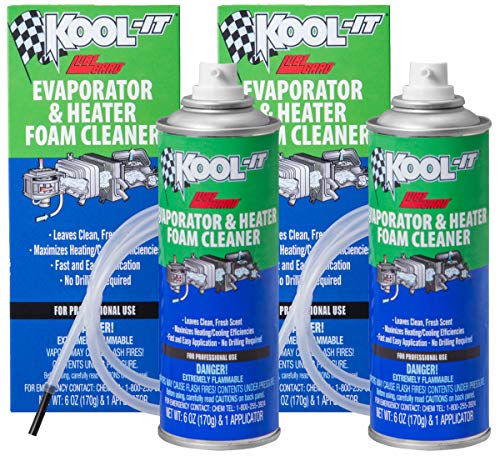
Lubegard 96030 Kool-It Foam Cleaner 2 Pack

TAICHODEER 4pcs Flexible Cleaning Brush Set

Interdynamics 760 Auto Air Conditioner Duct Cleaner
More Details On Our Top Picks
Vent dusting gets easier with a tool built around narrow slats and small gaps. This Mailaoqi set mixes microfiber, polypropylene, and nylon, so you get a soft side for dust pickup and a brush side for stubborn debris.
That split personality matters in a car cabin, where vents collect lint, pet hair, and road dust faster than most owners expect. The removable cloth sleeve also makes cleanup less fussy, though the small format suits detail work more than broad interior cleaning.
Strong Points
- Double-ended layout gives you two cleaning actions in one tool.
- Microfiber sleeve helps lift fine dust from vent fins and trim seams.
- Brush side adds bite for textured surfaces and tight corners.
- Detachable cloth cover makes maintenance straightforward after messy use.
Minor Gripes
- The small size is better for detail work than larger cabin jobs.
- Very packed vents may take a slower hand to avoid snagging.
- The mixed-material build feels more like a precision tool than a heavy-duty scrubber.
Feature Snapshot
Who It Suits Best
Drivers who want a small, simple tool for vent slats, cupholder seams, and dashboard edges will get the most from this set.
A Better Fit Elsewhere
TAICHODEER 4pcs Flexible Cleaning Brush Set fits better for you if dryer vents and deeper appliance gaps matter more than small cabin dusting.
Spray cleaners earn their keep in systems that collect dust behind grilles and in filter paths. Nordicare’s bottle format fits that role well, especially for home AC units or car systems that need a straightforward refresh without disassembly.
The draw here is simplicity, and that’s where the trade-off shows up too. Sprays can be less surgical than a coil brush or foam cleaner, but they’re much easier to work into ducts, vents, and filters during routine upkeep.
What We Like
- Spray application keeps the process quick and uncomplicated.
- Works across ducts, vents, and filters for broader coverage.
- Useful for routine maintenance in cars and home systems.
- Targets odor at the source rather than just the air in the room.
Areas To Watch
- Sprays are less precise than a brush for packed debris on fins.
- Heavy buildup may still call for a separate physical cleaning tool.
- The bottle format means you’ll want to store it upright and sealed.
Details At A Glance
Who Will Love This
Commuters and home owners who want a low-fuss spray for regular vent and filter upkeep will find this format easy to live with.
Where A Sibling Pick Shines
FINXCEL HVAC Coil Cleaner Brush fits better for you if fin-by-fin coil work matters more than broad spray coverage.
This one leans harder into air treatment than simple surface cleaning. The three-can bundle, plus scented O-rings, gives you a repeat-use setup for vents, returns, and enclosed spaces that tend to hold on to stubborn odors.
Compared with Nordicare’s spray, DUCT AID is the more staged option for recurring HVAC maintenance. The payoff is coverage across multiple spaces, though the fogger format makes the process feel more involved than a quick wipe or spray.
Highlights
- Three-can bundle supports repeated upkeep over time.
- Includes scented O-rings for ongoing odor management.
- Useful in homes, cars, offices, RVs, and commercial spaces.
- Designed for vent and return use, which broadens placement options.
- Works well for spaces that hold musty, smoky, or pet-related odors.
Trade Offs
- Fogger-style use takes more planning than a simple spray bottle.
- The odor-focused angle is less hands-on than a physical brush.
- Storage matters, since you’re dealing with multiple cans and pads.
Core Details
The Right Fit
Homes, RVs, and work vehicles with lingering duct odors are the best match for this bundle.
Another Choice May Suit
NORTHWEST ENTERPRISES Air Duct Cleaner Spray & Deodorizer suits you better if you want a simpler scented spray instead of a fogger routine.
Some vent cleaners aim to scrub, and this one is built more like a scent-focused refresher with a cleaner profile. The linen-style blend suits cabins, offices, and home vents where the main issue is stale air rather than visible buildup.
Compared with DUCT AID’s more layered bundle, this is the simpler path for anyone who wants a spray with a polished finish. The honest read is that scent-forward products work best as upkeep between deeper cleanings, not as a cure-all for neglected ductwork.
Upsides
- Spray format keeps application fast and familiar.
- Targets musty duct odor at the source rather than only masking it.
- Fits home, office, and car use without a complicated setup.
- Linen Breeze profile gives the air a cleaner, softer finish.
Worth Noting
- Best suited to odor control, not heavy mechanical cleaning.
- Spray users still need regular dust removal for visible grime.
- The scent profile is a matter of taste, so it’s worth considering your cabin preferences.
Feature Card
Whose Shelf It Belongs On
Drivers and home owners who want a straightforward odor refresher with a clean scent profile will get the most from it.
Swap It Out When
Lubegard 96030 Kool-It Foam Cleaner fits better for you if you want a foaming cleaner that can reach evaporator and heater passages more directly.
Coil cleaning is where a purpose-built brush earns its place. FINXCEL uses stainless steel pins on one side and bristles on the other, so you can work between fins and then sweep the surface without swapping tools.
That matters in a garage, workshop, or home HVAC setup where airflow drops because debris sits deep in the coil. Compared with the softer Mailaoqi duster, this one is built for more technical cleaning, though the firmer feel calls for a careful hand around delicate fins.
Bright Spots
- Dual-side design covers both fin gaps and surface debris.
- Stainless steel pins help loosen trapped buildup between fins.
- Bristle side helps finish the job on exposed coil faces.
- Good fit for users who want a more exact cleaning approach.
Small Caveats
- Steel pins call for a careful touch around soft aluminum fins.
- It’s more specialized than a simple dusting tool.
- Storage is easiest when you keep it with other HVAC maintenance tools.
Quick Facts
Best Suited To
DIY HVAC maintenance and careful coil cleaning are the strongest match for this brush.
Look Elsewhere When
Mailaoqi Mini Duster for Car Air Vent Set of 3 fits better if your main task is light cabin dusting rather than coil work.
Foam cleaners suit hidden passages because the product can cling where liquid spray runs off too quickly. Lubegard’s two-pack format makes sense for cars, trucks, and SUVs that need repeat maintenance rather than a one-and-done cabin freshening.
Compared with the InterDynamics aerosol, this cleaner feels more like a maintenance supply for longer-term use. The upside is reach and residue contact, while the trade-off is that you need to follow the vehicle’s access path carefully to use it properly.
Best Bits
- Foam format helps it stay in contact with evaporator and heater areas.
- Two-pack setup supports repeat service over time.
- Designed for cars, trucks, and SUVs, which broadens fit.
- Helpful for owners who want a cleaner HVAC scent after upkeep.
Points To Note
- Foam use usually asks for more patience than a quick spray.
- Vehicle access points vary, so installation-style fit matters.
- The cleaner is more about internal upkeep than visible surface cleaning.
Core Details
Perfect Match For
Vehicle owners who want a foam cleaner for recurring HVAC upkeep will find this a practical fit.
Where Shoppers Go Wrong
Interdynamics 760 Auto Air Conditioner Duct Cleaner suits you better if you want a smaller aerosol format for simple cabin refresh work.
This set is built for awkward places, not just car vents. Flexible stainless-steel shafts help the brushes bend into dryer vents, fridge coils, HVAC openings, and the gaps behind heavy furniture, which makes it unusually useful around the house and garage.
The added mini tweezer tucked into the crevice tool is a smart touch for lint, hair, and stray threads. Compared with Lubegard’s foam cleaner, this is the more hands-on option, and that’s the right trade when debris needs to be pulled out rather than softened.
Reasons To Buy
- Flexible shafts reach into narrow and awkward spaces.
- Four-piece layout gives you more than one cleaning angle.
- Built-in tweezer helps with stubborn lint and hair removal.
- Useful for both HVAC work and general appliance upkeep.
Room For Improvement
- The flexible shafts can feel more specialized than everyday dusters.
- Thicker debris may still need a second pass.
- Tool storage takes a little organization because the set includes several pieces.
Spec Overview
Made With In Mind
Home maintenance users who deal with vents, coils, and tight appliance spaces will get the strongest fit here.
Reach For A Different Pick When
Mailaoqi Mini Duster for Car Air Vent Set of 3 makes more sense if your main job is light, delicate dash cleaning inside the vehicle.
Small-format cleaners make sense for drivers who want a simple, no-frills way to freshen A/C and heater ducts. InterDynamics keeps the footprint compact, which helps when you want an aerosol-style product that doesn’t take much shelf space.
Compared with Lubegard’s foam cleaner, this feels lighter and more direct for basic refresh jobs. The trade-off is obvious enough: a compact aerosol is convenient, but it won’t feel as specialized for deeper evaporator or heater passage cleanup.
Positives
- Compact 4 oz. format is easy to store in a garage or trunk organizer.
- Suited to quick duct freshening in everyday vehicles.
- Aerosol style keeps application straightforward for routine use.
Honest Caveats
- Small size means it suits light upkeep more than larger service jobs.
- Best fit is basic duct cleaning rather than detailed coil work.
- Drivers with more stubborn buildup may want a foam or brush option instead.
At A Glance
The Right Fit
Drivers who want a small, direct cleaner for periodic duct refresh work will appreciate this format.
Skip It When
FINXCEL HVAC Coil Cleaner Brush suits you better if your job involves fins and coil surfaces rather than a small aerosol cleanup.
How To Choose The Right Car Ac Vent And Duct Cleaners
Match The Tool To The Job
Vent dust is a surface problem, so a microfiber duster or fine brush usually makes sense for slats and trim. Coil grime and deep duct buildup need a different approach, which is where foam cleaners, spray cleaners, or a fin-safe brush start to matter more.
That split is worth remembering because a product that looks useful can still be wrong for the task. A cabin that only needs dust removal does not need a fogger, while a system with stuck debris benefits from something that reaches beyond the visible opening.
Think About Access And Reach
Reach matters in a tight cabin, especially around center-stack vents and recessed HVAC openings. Flexible shafts, dual-ended tools, and foaming formulas help when the dirt sits where fingers and cloths can’t get in cleanly.
For larger vehicles, access becomes even more important. Trucks, SUVs, and RVs often need longer tools or products that can travel through duct paths without making the job awkward.
Choose Based On Maintenance Style
Some shoppers want a quick dusting tool they can keep in the glove box. Others prefer a bottle or can that stays with the garage gear and comes out during scheduled upkeep.
The honest read is that convenience usually beats complexity for routine cabin care. More involved products can be worth it for deeper cleaning, but they also ask for more time, storage, and a little more attention to instructions.
Balance Freshening With Actual Cleaning
Scented sprays and foggers help with stale air, but they do not replace physical cleaning when vents are dusty or coils are packed. Brush tools and foam cleaners handle the grime side, while deodorizing products handle the air quality side.
That distinction helps you avoid overbuying the wrong type of product. A car that smells off after long commutes may need both a cleaner and a deodorizer, while a lightly used weekend vehicle may only need one of them.
Things Worth Knowing First
Mistakes Worth Dodging
One common slip is choosing a deodorizer when the real issue is visible lint, dust, or coil buildup. Another is buying a brush that’s too rigid for soft fins or too small for deeper household vents.
Storage is easy to overlook too. Spray cans, foam cleaners, and multi-piece brush kits all take different kinds of space, so the right choice depends on where you’ll keep it and how often you’ll use it.
What The Higher Tier Buys
More expensive options usually add better reach, more precise surfaces, or multi-step cleaning setups. That can mean flexible shafts, fin-safe materials, bundle packs, or formulas designed to cling instead of running off immediately.
For drivers with repeated odor problems or homeowners maintaining several vents, the upgrade can make routine care less awkward. For a lightly used car, a simpler brush or spray often does enough without extra complexity.
Final Thoughts
The strongest choice depends on how deep the problem goes. For simple cabin dust, Mailaoqi and TAICHODEER cover different ends of the detail-cleaning spectrum, while Nordicare, DUCT AID, and NORTHWEST ENTERPRISES handle air treatment more directly. If you’re dealing with coils or evaporator passages, FINXCEL and Lubegard make more sense, and InterDynamics keeps things simple for small upkeep jobs. Pick the tool that matches the mess, not the packaging.
