

Car drying gets easier once you stop treating every job the same. A compact cordless blower helps after a rinse in a narrow driveway, while a corded dryer makes more sense for detailed work around mirrors, emblems, and wheels. You also get better control than a towel alone, which matters on dark paint and busy weekends.
This roundup focuses on airflow, handling, cord length, battery setup, and use-case fit. You’ll see which picks suit quick driveway cleanups, which suit careful detailing, and which make more sense for larger vehicles or repeated use.
Quick Shortlist For Fast Comparison

Turbo Cordless Leaf Blower 150 MPH 600 CFM Turbo Jet 1.45 lb

Adam’s Polishes Mini Air Cannon Handheld Filtered Car Wash Dryer

Leaf Blower Cordless with Battery and Charger 1000,000 RPM Handheld Green

VANTRUE POWER T150 Compressed Air Duster Mini Hand Blower 110000RPM
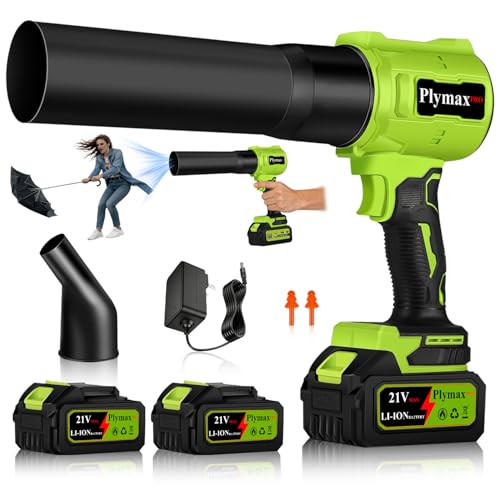
Cordless Leaf Blower 800,000 RPM Electric Handheld 2×4.0Ah Batteries

Handheld Cordless Lightweight Powerful Car Dryer Air Blower with 1800G

WOLFBOX MF400 Cordless Leaf Blower Lightweight Jet Blower Car Dryer
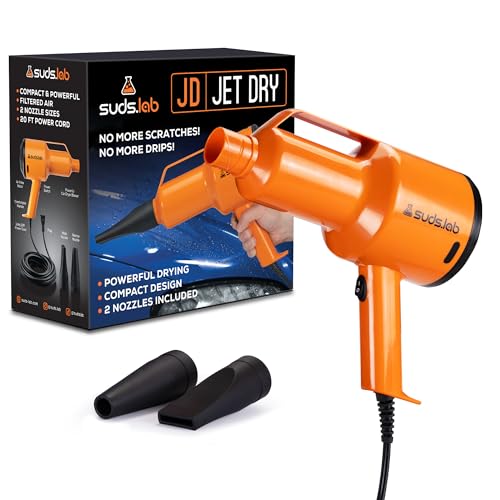
Suds Lab JD Jet Dry Car Air Drying Blower 2 Nozzles 20 ft. Cord
More Details On Our Top Picks
This Seese pick leans hard into portability, and that matters more than it sounds. At 1.45 lb, it’s the kind of tool you can steer with one hand while keeping the other free for a towel or a door edge. The 21V 4.0Ah battery adds the cordless convenience that helps in a driveway or garage.
The 150 MPH and 600 CFM pairing gives it more range than a tiny duster-style blower, so you’re not stuck only clearing dust from trim. Compared with the more detailing-focused Adam’s Polishes Mini Air Cannon, this one feels broader in purpose and better suited to quick car drying plus yard cleanup. The trade-off is that a lightweight body usually gives up some sustained authority versus heavier corded units.
What We Like
- Very light body that reduces arm strain during longer passes.
- One-handed handling helps around mirrors, badges, and roof edges.
- Battery power keeps you away from outlet placement and extension cords.
- Useful beyond car drying, so it earns shelf space in a garage.
Things To Consider
- Battery runtime can matter more than airflow in larger cleaning sessions.
- Handheld cordless tools need regular battery charging and storage space.
- It’s less specialized than a purpose-built car dryer for delicate detailing.
Feature Snapshot
Who It Suits Best
Homeowners who want a light, general-purpose blower for car drying, patio cleanup, and quick touch-ups will get the most from it.
Skip It When
Suds Lab JD Jet Dry Car Air Drying Blower suits you better when a corded setup and heated airflow matter more than portability.
Adam’s Polishes takes the detailing angle seriously, and the filtered airflow is the part that stands out. For paint, chrome, and tight trim areas, a clean stream of air is easier to trust than a towel that can catch grit. That makes it a strong fit for careful washing routines and ceramic coating prep.
It’s also a useful size for vehicle owners who want a dryer that feels more intentional than a general garden blower. Compared with the Seese cordless unit, this one is more focused on finish care than yard work, though you give up the convenience of battery freedom. The honest read is that you’re paying for a more specialized car-care layout, not a do-everything blower.
Highlights
- Filtered airflow suits careful drying around polished surfaces.
- Handheld format works well on mirrors, grilles, and emblems.
- Good match for wash-day routines that avoid contact drying.
- Useful for cars, boats, RVs, and motorcycles.
- Designed with detailing tasks in mind rather than yard duty.
Small Caveats
- It’s more specialized than a general cordless blower.
- Heavier-duty outdoor jobs may call for a broader airflow tool.
- Detailed cleaning still takes patience around creases and badging.
At A Glance
Made For
Detail-oriented car owners who care about finish contact and use a dryer after every wash will appreciate the narrow purpose.
Another Choice May Suit
WOLFBOX MF400 Cordless Leaf Blower fits better for a shopper who wants one lightweight tool for both outdoor cleanup and drying.
Latrcm pushes this one toward raw output, and the extended nozzle design gives you a little more reach than a plain stubby handheld body. That matters in a driveway, where water gathers along seams and around wheel wells. It also makes sense for patio dust and garage debris, not just car drying.
Compared with the Seese and Adam’s picks, this one feels more aggressive and less specialized, which broadens the job list but can ask a bit more from your hands over time. One thing worth considering is how often you’ll use the turbo setting, because stronger output is useful only when you actually need it. For occasional heavy cleanup, it has a convincing case.
Standout Traits
- Very high-speed motor supports brisk clearing of loose debris.
- Extended nozzle helps reach under trim and into tighter pockets.
- Good fit for wet leaves, dust, and garage cleanup.
- Cordless setup keeps movement easy around the vehicle.
- Works as a car dryer and a yard helper in one tool.
Areas To Watch
- The stronger output may be more than you need for light dusting.
- High-output cordless tools often demand more attention to battery care.
- Extended use can feel less relaxed than a lighter, lower-output blower.
Core Details
The Right Fit
Shoppers who want one cordless tool for patio cleanup, dust, and car drying will get more use out of it than a pure detailing duster.
Where A Sibling Pick Shines
Adam’s Polishes Mini Air Cannon suits you better for finish-sensitive detailing, especially after careful washing or coating work.
The VANTRUE POWER T150 is shaped more like a precision tool than a general blower. Three speed settings give you a low setting for delicate electronics and a stronger setting for car vents, keyboards, and dust around trim. That makes it especially useful in a garage where one tool may need to cover more than one kind of mess.
Compared with the more open-ended Latrcm blower, this one leans into control and compact handling. You may find that helpful around interior panels or small gaps where a larger nozzle feels clumsy. The trade-off is obvious, though, it’s built for detail work more than broad drying coverage.
Bright Spots
- Three speed levels give you more control over airflow.
- Compact handheld format works well in tight spaces.
- Useful for keyboards, vents, PCs, and vehicle interiors.
- Fast charging support fits busy schedules with short turnaround.
- Better suited to gentle cleaning than bulk debris work.
Worth Noting
- Precision design narrows its role compared with larger blowers.
- Not the right match for wide driveway drying sessions.
- Small tools tend to need more frequent charging habits.
Details At A Glance
Best Suited To
Home office users and detail-minded car owners will get the most value from the smaller body and adjustable output.
Look Elsewhere When
Suds Lab JD Jet Dry Car Air Drying Blower fits better for garage drying stations that need corded reach and heated airflow.
Plymax looks like the practical middle ground in this list. Two 4.0Ah batteries give you more flexibility than a single-pack cordless setup, which helps on longer driveway or garage sessions. The dual-nozzle layout also matters, because a wide nozzle and a narrow one handle different kinds of cleanup without swapping tools.
That mix makes it appealing for people who want one blower for leaves, dust, and light car drying. Compared with the VANTRUE POWER T150, it’s less about tiny precision and more about general outdoor use. The downside is that a more versatile design usually gives up some focus in any one task.
Positives
- Two batteries make longer sessions easier to manage.
- Dual nozzles support both broad and narrow cleanup work.
- Good fit for wet leaves, driveway dust, and light snow.
- Cordless format keeps movement simple around vehicles and patios.
- Useful as an everyday garage tool rather than a niche gadget.
Room For Improvement
- Versatility can come at the cost of specialist finesse.
- Battery storage and charging add routine upkeep.
- Broad-use blowers may feel less polished for finish-sensitive detailing.
Feature Rundown
Whose Shelf It Belongs On
Practical homeowners who want one cordless tool for yard cleanup and car drying will get a straightforward fit here.
Reach For A Different Pick When
Adam’s Polishes Mini Air Cannon suits you better for more careful paint-side drying and detailing work.
KOLENDA leans toward the stronger end of the cordless car-drying crowd. The listed 335 MPH airflow and 1800G pressure point to a tool built for moving water quickly, and the smart display helps keep you aware of battery status during longer work. That combination makes sense for bigger vehicles or owners who dry more often.
Compared with the lighter Seese model, this one sounds more serious and more committed to drying performance, though that usually comes with more weight or a firmer grip feel. The payoff shows up most clearly in broad panels, wheel arches, and repeated use around the house. For most driveways, it’s a strong step up without going fully corded.
Best Bits
- High airflow and pressure suit faster drying passes.
- Battery capacity supports longer cleaning sessions.
- Smart display gives useful runtime visibility.
- Good match for patios, lawns, and car care.
- Useful for owners who want a cordless upgrade.
Softer Spots
- More power can mean less ease for casual one-minute jobs.
- Battery and charging routines matter with a tool this capable.
- The stronger format may feel like more tool than some garages need.
Quick Facts
Built With In Mind
Garage owners who want stronger cordless drying and longer runtime will get the clearest value here.
Where A Sibling Pick Shines
WOLFBOX MF400 Cordless Leaf Blower fits better when you want a lighter body for more frequent everyday handling.
The WOLFBOX MF400 sits in a sweet spot between yard tool and car dryer. A 453W brushless motor helps explain why it sounds more serious than a basic handheld duster, and the 72 m/s airflow figure gives it enough force for leaves, dust, and vehicle surfaces. That balance makes it appealing for garages where you want one tool to do a lot.
Compared with the KOLENDA blower, this one feels a little more stripped back and easier to imagine using often for small chores. The lightweight format is the real story here, because a blower you actually reach for tends to get more done than a heavier machine that stays on the shelf. The trade-off is that it’s still a cordless handheld, so very large drying jobs may push its comfort zone.
Reasons To Buy
- Lightweight build supports comfortable everyday handling.
- Brushless motor design usually brings smoother, cleaner power delivery.
- Good crossover use for leaves, dust, and car drying.
- Handheld shape feels easy to store in a garage cabinet.
- Works well for quick repeat jobs around the house.
Minor Gripes
- Not as purpose-built for detailing as a filtered dryer.
- Larger vehicle wash sessions may want a corded option.
- Like most cordless tools, charging habits matter.
Key Specs
Perfect Match For
Homeowners who want a lightweight cordless blower for weekly cleanup and car drying will feel right at home with this one.
Swap It Out When
Adam’s Polishes Mini Air Cannon is the smarter choice for paint-sensitive detailing and filtered airflow needs.
Suds Lab takes the corded route, and that immediately changes the experience. The 1.5 HP motor with heated airflow gives you a stronger drying station than the cordless models above, while the 20 ft cord helps you move around a vehicle without constant outlet hopping. In a garage or driveway, that extra reach is practical in the plainest sense.
The dual nozzles help too, because a wide tip for broad panels and a narrow tip for grilles or mirrors keeps the dryer useful across the whole car. Compared with the WOLFBOX and KOLENDA cordless picks, this one is less about freedom and more about sustained, controlled drying. The honest read is that it fits best where outlet access is easy and storage space isn’t tight.
Plus Points
- Heated airflow helps water move off surfaces more quickly.
- Filtered air is a strong fit for finish-sensitive drying.
- Long cord supports uninterrupted work around a full vehicle.
- Two nozzle shapes improve coverage and detail control.
- Good match for dedicated garage drying routines.
Points To Note
- Corded use asks more of your setup than cordless tools.
- Heavier-duty layout takes more storage room than a mini blower.
- Best results depend on easy access to power near the work area.
Technical Sheet
Who Should Grab It
Garage-based car owners who want a corded dryer with more reach and a stronger drying feel will get the most from this setup.
A Better Fit Elsewhere
Seese Turbo Cordless Leaf Blower suits you better when portability and a lighter one-hand feel matter more than corded power.
How To Choose The Right Blowers For Car Drying
Airflow, Control, And Real Use
Airflow matters, but raw numbers only tell part of the story. MPH describes speed, while CFM describes the amount of air moving through the tool, and both affect how quickly water clears from panels, seams, and trim. A high-speed handheld can feel lively on mirrors and emblems, while a broader airflow path helps on hoods, roofs, and wider body panels.
Control matters just as much as output. A three-speed unit like the VANTRUE POWER T150 makes more sense for interior vents and fragile electronics, while a stronger blower such as the KOLENDA or WOLFBOX is better suited to bigger drying passes. The sweet spot depends on whether you want delicate precision or a faster sweep across the whole vehicle.
Cordless Freedom Versus Corded Reach
Cordless models help in driveways, apartment parking spots, and places where outlet access is awkward. Battery size, included charger support, and weight shape the real experience more than a headline motor figure alone. A light pack like the Seese unit is easier to carry, but a larger battery setup, such as the Plymax dual-pack style, tends to suit longer cleanup sessions.
Corded dryers win on continuous run time and often on sustained output. The Suds Lab JD Jet Dry is the clearest example here, since a 20 ft cord and heated airflow make it feel more like a home drying station than a grab-and-go tool. That setup is worth it for garage users who dry several vehicles or want less interruption.
Nozzles, Finish Care, And Storage
Nozzle shape changes how the air reaches the surface. Wide nozzles cover more panel area, while narrow tips help around grilles, lug nuts, badges, and mirror housings, so dual-nozzle kits are more practical than they sound. The trade-off is more parts to keep track of, though that’s a fair exchange for better control.
Finish care also points you toward filtered air and a gentler approach. That’s where the Adam’s Polishes Mini Air Cannon earns its place, especially after washing dark paint or ceramic-coated panels. Storage is the last piece, and a compact tool usually gets used more often because it’s easier to park on a garage shelf without fuss.
Things Worth Knowing First
Mistakes Worth Dodging
Shoppers often chase speed numbers and ignore the shape of the tool. A very fast blower can still feel awkward around mirrors or wheel spokes, and that slows the job down in practice. Weight, grip, and nozzle style matter because you hold the blower, not the spec sheet.
Another common miss is buying a general yard tool for finish-sensitive drying. That can work in a pinch, but the airflow may be too blunt for careful detailing or interior dust removal. A more focused dryer like Adam’s Polishes or Suds Lab usually fits better for paint-conscious work.
The Case For Spending Up
Higher-tier blowers usually cost more because they add stronger motors, more refined control, longer runtime, or corded convenience. Heated airflow, filtered output, multi-speed control, and dual nozzles all add parts and complexity, and that shows up in the use experience. You’re paying for easier handling and less compromise, not just more force.
That upgrade makes sense when you dry vehicles often, own larger vehicles, or want a tool that does more than light dusting. A cordless model with a larger battery like the KOLENDA, or a corded setup like Suds Lab, earns its place when you want repeatable results without constant recharging. For occasional use, a lighter pick often makes more sense.
Closing Thoughts
The right blower for car drying depends on how you work, not just how much air the listing shouts about. For quick errands and driveway cleanups, a light cordless model does the job with less fuss. For careful detailing, filtered airflow and narrower control matter more, and for regular garage use, a corded dryer can feel more dependable. Match the tool to your space, your vehicle, and how often you’ll actually reach for it.
