

Picking a scooter for a five-year-old means balancing the thrill of the ride with a parent’s instinct to keep things safe and simple. The right choice depends on where your child will ride, how confident they feel on two or three wheels, and whether you want a push-style build-up or an electric-powered first taste. This list sorts through both options so you can find a match for a driveway, a sidewalk, or a cul-de-sac loop.
A Side-By-Side Look

Gotrax KS1 Kids Kick Scooter, 3 Wheels

Gotrax KS3 Pro Foldable Kick Scooter with Seat
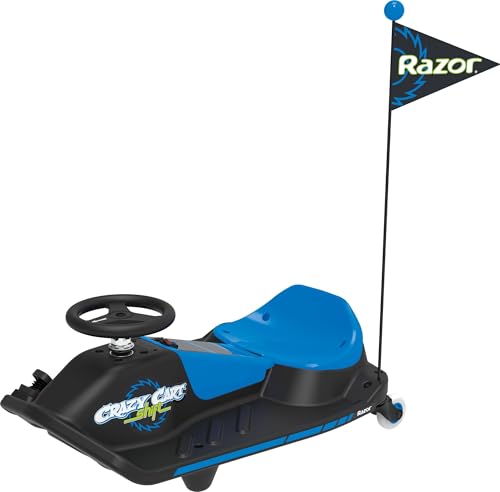
Razor Crazy Cart Shift Electric Go Kart

Gotrax K03 Kids Kick Scooter, 2 Wheels

Hiboy Q2 Lite Electric Scooter with Seat

Gyroor C1 Electric Scooter with Seat
Meet The Standout Selections
The Gotrax KS1 leans-to-steer three-wheel platform is the kind of starter scooter that lets a cautious child build steering instincts without the wobble that comes from a two-wheel design. The wide front deck and lean-to-turn mechanics teach weight-shifting instead of handlebar yanking, which makes sidewalk practice a little less hair-raising for everyone watching.
Built for ages two through eight, the KS1 holds up through the early wobble phase and keeps rolling once a child finds their stride. The three wheels stay planted on uneven driveway seams, and the wide base gives a five-year-old room to find a comfortable stance. For a parent introducing scooting for the first time, this is the gentlest entry point in the roundup.
Everyday Advantages
- Lean-to-steer design turns balance practice into play, so kids learn control without overthinking it
- Three-wheel layout stays stable on cracked sidewalks and grass-adjacent driveways
- Age range from two to eight means it lasts through a younger sibling after the older one outgrows it
- Light-up wheels add visibility at dusk, which is a real safety plus during early-evening neighborhood rides
Points To Keep In Mind
- No brake on the rear wheel means kids stop by foot-dragging, which takes a few sessions to master
- Plastic deck construction feels light, so rough handling on curbs can scratch the finish over time
Right Fit For
A first-time rider between two and five years old who is still building the leg strength and balance needed for longer rides.
Swap It Out When
Your child has outgrown the three-wheel phase and wants a two-wheel challenge, which makes the Gotrax K03 a better step up.
The KS3 Pro brings a removable seat to the three-wheel lean-to-steer formula, which is a quiet upgrade for parents tired of watching tired toddlers give up halfway down the block. The seat pops off when a child is ready to stand and scoot, so the same scooter grows through two riding styles instead of being replaced.
Compared to the KS1, this one folds for car trips and stash-ability in a small apartment closet, which matters more than you might think for a family already juggling bikes, strollers, and toy bins. The wider LED wheels light up at speed, doubling as a low-light visibility cue. For a household that wants a do-it-all starter, the KS3 Pro threads a useful middle ground.
Everyday Wins
- Removable seat extends the use window from seated cruising to stand-up scooting without buying a second scooter
- Folding frame collapses for car trunks and narrow storage closets
- Wider LED wheels stay bright at slower speeds, so visibility works even for cautious new riders
Trade-Offs
- The seat position is fixed, so taller siblings may not fit comfortably once they outgrow the toddler stage
- Folding hinge can loosen with rough handling, so a quick check of the latch before each ride is wise
Key Product Details
Made For
A toddler or younger five-year-old who still wants the option to sit and scoot on longer trips to the park.
Consider Something Else When
Your child is past the seated-riding stage and ready for more speed, in which case the Hiboy Q2 Lite offers a real electric step up.
The Crazy Cart Shift sits in a different category from the kick scooters on this list: it is a 12V electric go-kart with a simplified drift system, intended for ages six and up, and riders up to 120 pounds. For a five-year-old who is taller or more coordinated than average, it can be a backyard centerpiece, though it really shines a year or two later.
The drift engages automatically as the kid turns into it, which takes the frustration out of learning to spin. A high/low speed switch gives parents a setting to start with, and a foot pedal controls acceleration, so the build-up feels intuitive. Think of it as a driveway toy that grows with your child, starting as a slow cruise and turning into controlled chaos.
Practical Advantages
- Simplified drift system removes the learning curve, so kids can spin out within minutes of sitting down
- High and low speed settings let you dial the ride down for new drivers
- 120-pound rider capacity means the cart keeps working as a child grows over several years
Worth Bearing In Mind
- Designed for ages six and up, so a five-year-old may need to grow into the recommended fit
- Battery-powered ride time is limited, and a flat 12V battery means a longer recharge pause mid-play
- Needs a smooth driveway or patio surface to drift properly; rough asphalt dulls the fun fast
Best Suited To
A six-or-older kid with a smooth driveway who wants a motorized ride that feels more like a mini go-kart than a scooter.
Not Your Match When
Your five-year-old still wants a scooter-style ride, in which case the Hiboy Q2 Lite is a closer match for the electric experience.
The Gotrax K03 steps down from three wheels to two, which is a meaningful move once a child has built enough balance to handle a narrower stance. ABEC-7 bearings, the small precision components inside a wheel hub that determine how smoothly a scooter rolls, sit at the heart of this model, and the 5-inch front and 4-inch rear PU (polyurethane) wheels keep the ride feeling planted rather than twitchy.
The LED wheels brighten with speed, so the faster a child pushes, the more dramatic the light show. For a five-year-old ready to graduate past the tri-wheel starter phase, the K03 is the natural handoff. It is light enough for small hands to manage but sturdy enough for daily sidewalk duty.
A Few Strong Suits
- ABEC-7 bearings keep the roll smooth, which matters more than parents expect for short legs pushing hard
- Two-wheel setup teaches the balance skills needed before any future bike or two-wheel electric scooter
- Speed-activated LED wheels add a layer of fun that keeps kids pushing
Soft Spots
- Two-wheel balance is harder than three, so a brand-new rider may frustrate themselves on day one
- Smaller wheels handle sidewalk cracks less smoothly than the wider KS1 setup
Who Will Love This
A confident five-year-old who has outgrown a three-wheel scooter and wants the real-deal two-wheel experience.
Look Elsewhere When
Your child is still wobbling on three wheels, because the Gotrax KS1 remains the safer first step.
The Hiboy Q2 Lite is where this roundup turns electric, and it does so with a seat, three speed settings, and a brake built for small hands. Rated for ages four through ten, it is the first scooter on the list that a five-year-old can actually ride without pushing. A 100W brushless motor (a quieter, lower-maintenance motor design than older brushed alternatives) handles sidewalks and park paths without drama.
For most driveways and cul-de-sac rides, the low-speed setting keeps things sensible, while the higher speeds open up for kids ready to push. The seat supports shorter legs, and the brake gives a familiar hand-pull stop. This is the model that bridges the gap between push-scooter play and the kind of electric rides older kids get, and it does so without overwhelming a young rider.
Notable Upsides
- Three speed settings let you match the ride to your child’s confidence, starting slow and building up
- Seat supports short legs and helps prevent the fatigue that cuts rides short
- UL 2272 certification (a third-party electrical safety standard for personal e-mobility devices) covers the battery and charging system, which is the kind of detail a careful parent wants to see
- Brushless motor runs quieter and generally needs less routine maintenance than older brushed designs
Practical Considerations
- Range depends heavily on terrain, so hilly sidewalks cut into ride time faster than flat paths
- Battery charge cycles take time, so back-to-back play days need a charging plan
Feature Snapshot
Perfect Match For
A five-year-old ready for a real electric ride, especially one with a slightly longer commute to school or a park loop.
Reach For A Different Pick When
Your child is not yet ready for motorized speeds, in which case the Gotrax K03 keeps things simpler and push-powered.
The Gyroor C1 is technically an adult scooter, but it earns a place here because households often need one parent-sized ride to keep up with a five-year-old on wheels. The 450W motor handles 10-degree inclines without bogging down, and the seat makes longer neighborhood loops far more comfortable than a stand-up ride.
UL 2272 electrical safety certification applies to the battery and charging setup, which is the kind of detail that matters on a higher-powered scooter. The catch is that this is not a kids’ product, so any five-year-old riding it would be unsafe and the wrong size. The real use case is the parent who wants to cruise alongside a child on a kick scooter, then pick them up when little legs give out.
Where It Helps
- 450W motor handles neighborhood inclines and longer commutes without struggling
- Seat makes multi-mile rides practical for a parent who would rather sit than stand
- UL 2272 certification covers the battery system, which is reassuring on a higher-powered electric ride
Where It Is Less Suited
- Built for adult riders, so a five-year-old cannot safely use it as their primary scooter
- Heavier frame makes it harder to lift into a car trunk than a kid-sized kick scooter
Whose Shelf It Belongs On
A parent who wants a comfortable electric ride to keep pace with a kid on a scooter or bike.
A Better Fit Elsewhere
For a kid’s actual electric first ride, the Hiboy Q2 Lite is the right size and the right speed for a five-year-old.
Picking The Right Ride For A Five-Year-Old
The first decision is whether your child is ready for electric at all. A 100W kid-sized electric scooter introduces throttle, brake feel, and a different kind of momentum than a kick scooter, and a five-year-old who is still mastering balance on three wheels is not ready for it. Most five-year-olds do well starting on a lean-to-steer three-wheel kick scooter, which is the format the Gotrax KS1 and KS3 Pro both use.
Wheels and bearings are worth understanding. ABEC-7 bearings (a rating scale where higher numbers mean tighter tolerances and smoother rolling) feel noticeably smoother than cheaper alternatives, and PU, or polyurethane, wheels absorb sidewalk cracks better than hard plastic. These details matter because a five-year-old’s legs tire faster than an adult’s, and a smooth roll means less work per block.
The seat-versus-stand question is more personal than it sounds. Seated scooters extend ride time for kids with shorter legs, and a removable seat like the one on the KS3 Pro gives both options in one scooter. Stand-only setups teach better balance, so the right answer depends on whether you want longer rides now or stronger balance for later.
The two-wheel upgrade is the next big handoff. Once a child steers confidently on three wheels, a two-wheel kick scooter like the Gotrax K03 sharpens balance fast. Most kids handle this transition somewhere between ages five and six, and the ABEC-7 bearings on the K03 make that jump easier than it would be on a rougher wheel.
What To Watch Before You Click
Pitfalls Shoppers Hit
The most common mistake is buying an electric scooter before a child has the balance and attention span for throttle control. The Hiboy Q2 Lite is a great product, but it is wasted on a five-year-old who still needs a stable platform. Starting on a three-wheel lean-to-steer scooter, then moving to a two-wheel kick scooter, then to an electric, follows the actual developmental curve.
Another trap is underestimating the seat question. A five-year-old with average-height legs tires quickly on a stand-only ride, and a parent who assumed their child would “just keep up” often ends up carrying a scooter home. Seated options or scooters with removable seats solve this without committing to a full sit-down ride.
What The Higher Tier Buys
Higher-priced electric scooters for kids tend to add meaningful safety certifications, stronger motors, and longer run times per charge. The Hiboy Q2 Lite earns its place with a brushless motor and UL 2272 electrical safety certification, which covers the parts that matter most when a battery and a child share the same frame. Paying more also tends to mean a longer use window, since a 4-to-10 age range covers more years than a tighter 2-to-5 range.
The upgrade is worth it when your child will actually ride often enough to use the extra range and speed settings. For occasional driveway laps, a basic three-wheel kick scooter is plenty, and the extra money goes further toward a helmet and pads.
Frequently Asked Questions
What age is right for a first electric scooter?
Most five-year-olds handle a low-speed electric scooter with a seat and a hand brake, like the Hiboy Q2 Lite. Kids who are still wobbly on three wheels benefit from starting with a lean-to-steer kick scooter first.
Are three-wheel scooters safer for beginners?
Three-wheel designs, like the Gotrax KS1 and KS3 Pro, offer a wider base and more natural balance for kids who are still learning to steer. Two-wheel kick scooters, like the K03, teach stronger balance but require more practice before they feel stable.
How important are wheel bearings on a kids’ scooter?
ABEC-7 bearings, a precision rating that affects how smoothly wheels spin, make a noticeable difference in how easy a scooter is to push. Cheaper bearings feel gritty and add work, especially for short legs that are already working hard.
Can a five-year-old ride an adult electric scooter?
An adult electric scooter like the Gyroor C1 is built for larger riders and is not a safe match for a five-year-old. It earns a spot in this roundup as a parent-sized ride for keeping up with a kid on wheels.
Do light-up wheels actually help with safety?
LED wheels add visibility during low-light rides, which is a real plus around dusk. They also make the scooter more fun, and a kid who wants to ride their scooter more often is getting more practice in the process.
Wrap Up
The right scooter for a five-year-old depends on where your child sits on the balance-and-confidence curve, and on whether the driveway, sidewalk, or park is the main riding surface. For most families, a three-wheel lean-to-steer kick scooter is the right first step, with a two-wheel upgrade and a low-speed electric ride to follow as skills grow. Pick the one that matches the rider you have today, and let the next scooter be a later decision.
