

Anyone who logs serious hours behind the wheel knows the slow build of pressure that turns a commute into a punishment. Long drives, tall bucket seats, and not-quite-right posture all stack up, and a well-chosen cushion can change the entire feel of a trip. The list below leans into picks that actually support the sit bones, ease tailbone pressure, and hold up under daily use, whether you’re a road warrior, a desk-bound remote worker, or someone whose truck cab feels more like a punishment chamber.
A Snapshot Of The Selections

The Seat Shop Durofoam for Ford Expedition XLT/NBX/King Ranch/Limited
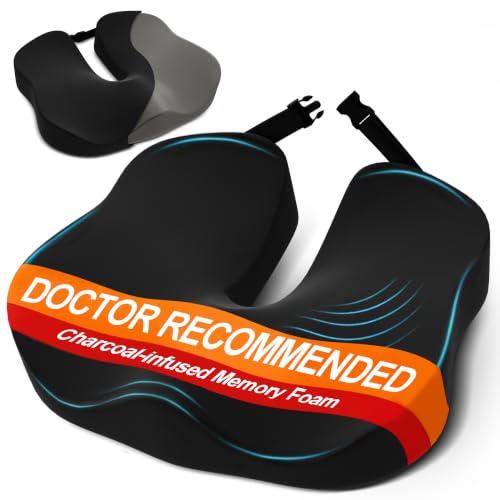
Comfidur High-Density Charcoal Memory Foam Office Chair Cushion

WSGJHB Car Booster Seat Cushion Posture Cushion for Long Sitting
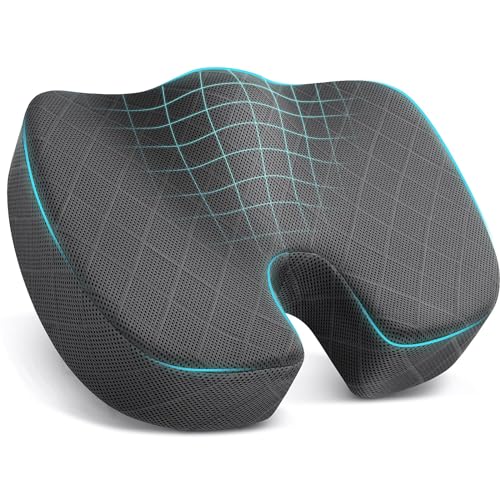
TushGuard Seat Cushion, Memory Foam Office Chair Cushion – Grey, Large
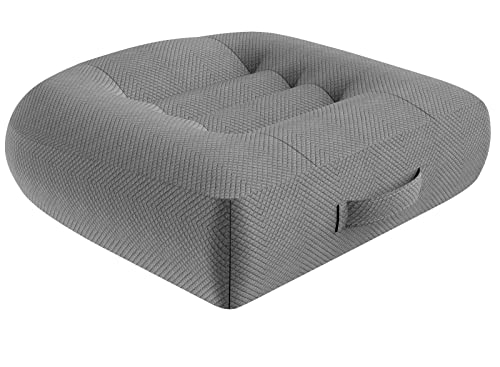
WSGJHB Adult Booster Seat Cushion for Short People, Thick Office Chair Booster (Grey)

WSGJHB Seat Cushion Pillow for Office Chair/Car, Comfort Car Booster
The Seat Shop Durofoam is a different animal from the rest of the list, since it isn’t an add-on pad but a true factory-matched replacement foam core. Owners of Ford Expedition XLT, NBX, King Ranch, and Limited trims use it to swap out cushions that have gone flat after years of loading cargo and kids. The pieces follow OEM anchoring and size specs, which means a worn-out seat can feel close to new again without going to a dealer.
This pick is for the hands-on truck or SUV owner who’d rather restore than replace. You will get the most out of it if your upholstery is shot but the underlying foam has compressed beyond recovery, a common story for vehicles with over 100,000 miles on them. If you just need a soft layer on top of a still-functional seat, the memory foam options later in this list are a better fit.
What Earns Its Place
- Built to the dimensions and attachment points of OEM Expedition foam, which keeps install and finish close to factory.
- Targets the exact failure mode that drives buttock pain: compressed, hammock-like cushions that no longer support the pelvis.
- Works on both driver and passenger sides, so a worn bench or captain’s chair can be refreshed in one go.
- Brand is run by a small family business in Dallas, with direct-fit parts that align with multiple Expedition trim packages.
Things To Consider
- It is a structural replacement, not a slip-on topper, so some disassembly of the seat is required.
- Only useful if your foam is actually the problem; intact foam with worn leather will not see much benefit.
Quick Facts
Whose Garage It Belongs In
Expedition owners with flattened, hammocking seats who want a true OEM-style foam refresh rather than a temporary topper.
Look Elsewhere When
The Comfidur charcoal memory foam cushion makes more sense for anyone driving a different vehicle who simply needs a supportive seat pad.
Comfidur’s charcoal memory foam cushion is aimed at the office chair crowd, but the shape, density, and strap system make it a natural fit for drivers too. The charcoal infusion is a small but useful touch, since charcoal foam tends to resist odor and moisture better than plain memory foam. The washable cover and non-slip base are the kind of practical details that start to matter around month three of daily use.
Where the previous Seat Shop entry rebuilds a seat, this one layers support on top of whatever you already have. Remote workers who split time between a desk chair and a car will appreciate the cross-compatibility. For most people spending six or more hours a day parked on a chair, the high-density construction will outlast the bargain-basement foam pads that lose shape in a few months.
The Helpful Details
- Charcoal-infused memory foam helps manage heat and odor during long, sweaty sits.
- Adjustable strap keeps the pad locked in place on a chair or a car seat, even with frequent entry and exit.
- Removable, washable cover makes cleanup straightforward when coffee, snacks, or sweat show up.
- High-density build supports the sit bones rather than bottoming out, which is the main fix for buttock pressure.
Honest Caveats
- Charcoal foam can feel firmer at first; give it a week of body heat before judging the feel.
- Thickness may push shorter drivers closer to the steering wheel, which is something to test in the driveway first.
Who Should Grab It
Remote workers and commuters who sit for six or more hours a day and want a single cushion that works on both an office chair and a car seat.
Swap It Out When
The TushGuard seat cushion suits shoppers who want a deeper U-shaped tailbone cutout rather than a flatter memory foam slab.
The WSGJHB car booster leans into two jobs at once, since it lifts the driver for a better sightline and adds a posture layer that reduces the slumped, cross-legged feeling that often causes buttock soreness. Shorter drivers and anyone who feels swallowed by their vehicle will recognize the issue right away: too low, too far back, too much pressure on the tailbone.
It works well as a daily-driver solution for someone whose commute or job keeps them in the cab for hours. The added height also helps with neck strain, since you are not craning to see over the dashboard anymore. The trade-off shows up if you are already at the right eye line; piling on a booster can put you too close to the roof or the wheel, so measure first.
Strengths Worth Knowing
- Raises the seating position to broaden road visibility, a real safety plus for shorter drivers.
- Posture-focused design encourages a more upright, neutral pelvis, which spreads pressure away from the tailbone.
- Doubles as an office chair pad, useful for desk days after long driving stretches.
- Firmer build holds shape better than soft, cloud-style cushions that compress in a few weeks.
Points To Keep In Mind
- Headrest clearance can shrink, so tall drivers in low-roof vehicles may find it pushes them up too far.
- Without an anti-slip base on every surface, owners commonly report a quick reposition after sharp turns.
Made For
Shorter drivers who want both a higher sightline and a posture-friendly seat for daily commuting and weekend road trips.
A Better Fit Elsewhere
The Comfidur charcoal memory foam cushion is a smarter choice for someone who does not need the height lift and wants a flatter, more breathable pad.
TushGuard is built around a simple but effective idea: a U-shaped cutout at the rear of the cushion that floats the coccyx (the tailbone) instead of pressing on it. For people whose buttock pain traces back to a sensitive tailbone, sciatic nerve irritation, or a recent flare-up, that little open space can be the difference between dreading a long drive and tolerating one.
It is also one of the larger pads in this roundup, which pays off for broader drivers who feel like standard cushions leave their thighs hanging off the edge. The non-slip rubber base keeps it planted on a chair, though on leather car seats owners commonly pair it with a thin seat cover for extra grip. Pure memory foam, no charcoal or gel, so the feel is soft rather than firm.
Everyday Advantages
- U-shaped cutout removes direct pressure on the tailbone, the most common source of buttock pain behind the wheel.
- Memory foam molds to your shape, distributing weight across the sit bones instead of one pressure point.
- Larger surface area supports full thighs, which helps prevent the numb-leg feeling after long stretches.
- Non-slip base grips fabric chairs and most car seats without constant readjusting.
Worth Noting
- On smooth leather seats, the pad can still drift during aggressive cornering, so a cover or strap is a common add-on.
- Pure memory foam can sleep warm in hot climates without a breathable cover layer.
Key Attributes
Right Fit For
Anyone whose buttock pain is centered on the tailbone or coccyx, and who wants the largest possible surface area in a memory foam pad.
Consider Something Else When
The WSGJHB adult booster cushion is a smarter pick for drivers who also need added height to see the road better.
The second WSGJHB entry on this list is the thicker of the two, built to lift and support across a wider range of seats. Trucks, low sedans, office chairs, and even wheelchairs show up in its intended use cases, which makes it one of the more flexible pads in the roundup. The angled lift, rather than a flat block, helps the pelvis settle into a more neutral position rather than sliding forward.
It is a strong match for taller trucks and SUVs where the eye line is high, but also helpful for wheelchair users who want extra padding over a hard sling-style seat. The trade-off is thickness: shorter drivers love the boost, while average-height drivers can find it puts them too close to the wheel. If you sit at the right height already, consider the TushGuard instead.
Useful Strengths
- Thick profile gives a meaningful height boost in low trucks and sedans where sightlines are limited.
- Angled lift supports a neutral pelvis, which tends to take pressure off the tailbone and hamstrings.
- Works across trucks, cars, office chairs, and wheelchairs, so one pad covers several environments.
- Grey cover hides everyday wear better than lighter cushions, useful for shared or work vehicles.
Practical Considerations
- Thick build can push average-height drivers too close to the steering wheel, so test fit before long trips.
- Angle-lift design can feel like a slope at first for users used to a flat cushion.
Quick Facts
Best Suited To
Drivers and wheelchair users who need a thick, multi-surface pad that lifts them into a better posture and a better view of the road or room.
Not Your Match When
The WSGJHB seat cushion pillow is a leaner, more compact alternative for shoppers who want a slimmer profile for the car and office alike.
WSGJHB’s third entry here is the most travel-friendly of the bunch, with a slimmer profile that fits behind you without making a low-roof car feel cramped. The middle groove is a small but smart design choice, since it helps keep the pad centered on the seat rather than sliding with every turn. It is aimed at people who move between desk, car, and couch through the day.
This is a useful all-rounder for someone who wants one cushion to live in the passenger seat or trunk, ready for road trips and rentals alike. Compared to the thicker WSGJHB booster earlier in the list, the lift here is modest, so the road-view benefit is limited. The comfort and grip story is where it earns its keep.
Notable Gains
- Center groove design keeps the cushion from sliding, a real plus on smooth leather or vinyl seats.
- Slimmer profile works in low-roof cars and compact sedans without forcing the driver up against the ceiling.
- Cross-compatible between office chair, home chair, and car, so one pad covers several daily settings.
- Light enough to toss in a bag for travel, rentals, or rideshares where seat comfort is unpredictable.
Some Limits To Know
- Lower height means less of a sightline boost than the WSGJHB adult booster cushion.
- Comfort foam is supportive rather than plush, so shoppers wanting a soft, sink-in feel may want a thicker pad.
Feature Snapshot
Perfect Match For
Commuters and road-trippers who want a single, portable cushion that transitions easily between a car seat, a desk chair, and a rental.
Reach For A Different Pick When
The TushGuard seat cushion is the better call for shoppers who need a larger U-shaped cutout for direct tailbone relief.
## What Matters Most Before Choosing Car Seat Cushions For Buttock Pain Pressure distribution is the core job. A pad that simply feels squishy does not fix much, since the issue is usually that the sit bones and tailbone are bearing all the weight. Memory foam and high-density foam both spread load across a wider area, which is the actual mechanism behind buttock pain relief. A tailbone cutout, like the one on the TushGuard, takes this further by removing contact with the coccyx altogether, which is helpful for anyone with a recent flare-up or a known sensitivity. Material density and cover choice drive long-term comfort. Higher-density foam holds its shape through years of daily use, while cheap foam can compact in a few months. Charcoal-infused foam, as on the Comfidur pad, helps with odor and moisture, and a removable, washable cover is essential for daily drivers who sweat into the seat. For hot climates, a breathable mesh cover layer can keep the pad from becoming a sauna. Fit and security matter more than people expect. A cushion that slides around forces constant readjusting, which breaks concentration on the road. Non-slip bases, center grooves, and adjustable straps are worth prioritizing. Taller or thicker pads also change your eye line and reach to the wheel, so measure your headroom and steering distance before committing. For cars with low ceilings or shorter drivers, a slim pad like the WSGJHB seat cushion pillow may fit better than a thick booster. ## Key Considerations Across These Picks ### Mistakes Worth Dodging Choosing a cushion by thickness alone is the most common slip. A thick pad sounds appealing, but for an average-height driver in a low-roof car, it can push your head into the ceiling and your arms too close to the wheel. Match the pad’s profile to your vehicle and your height first, then to your comfort preference. Skipping this step is how you end up with a cushion that lives in the trunk. Another trap is ignoring cover maintenance. Foam that cannot be wiped down or laundered becomes a sweat and crumb magnet within weeks, and a dirty pad is more likely to irritate skin during long drives. Look for removable, washable covers and breathable fabrics, especially for hot climates or for anyone who shares the cushion between the car and the office. ### Where The Extra Money Goes Premium cushions in this category tend to pay for higher-density foam that resists flattening, charcoal or gel infusions for temperature and odor control, and better cover fabrics that breathe and wash cleanly. A bargain pad can work for occasional use, but daily drivers and desk workers usually feel the difference within a month. The case for paying up is strongest if you sit more than four hours a day or you already know your pain is linked to a specific pressure point, like the tailbone. In those cases, the right pad is closer to a piece of work equipment than an accessory, and the upgrade pays off in fewer flare-ups and longer, more comfortable drives. ## Frequently Asked Questions ### Do car seat cushions really help with buttock pain? Yes, when the cushion is designed to redistribute pressure off the sit bones and tailbone rather than just add a soft layer. Memory foam, high-density foam, and U-shaped cutout designs are the most effective styles for this kind of relief. ### How thick should a seat cushion be for long drives? For most drivers, a medium profile between two and four inches strikes a good balance between support and headroom. Shorter drivers in low cars may prefer a slimmer pad, while truck or SUV owners often appreciate a thicker lift for better visibility. ### Can I use the same cushion in my car and at my desk? Many of the picks here, including the Comfidur charcoal memory foam and both WSGJHB pads, are designed to move between a car seat and an office chair. Look for non-slip bases, washable covers, and straps if you plan to swap locations often. ### Are seat cushions safe with side airbags? Most aftermarket cushions are designed to sit on top of the seat without interfering with side airbag deployment, but a thick pad can shift your seating position relative to the airbag. For vehicles with side airbags, choose a pad with a non-slip base and avoid stacking it with other loose materials. ### How do I clean a memory foam seat cushion? Most memory foam pads come with a removable, machine-washable cover. The foam itself should be spot-cleaned with a mild detergent and allowed to air dry fully before the cover goes back on, since moisture trapped in foam can lead to mildew. ## Final Take The right cushion comes down to where your pain lives and how you spend your day. Tall trucks and shorter drivers tend to do best with a thicker booster, while tailbone-specific pain usually points toward a U-shaped cutout. Pick the cushion that fits your vehicle, your height, and your sitting hours, and your next long drive will feel completely different.