

A packed trunk is the universal sign of a family road trip gone sideways. Car roof boxes solve that by moving luggage, camping gear, and sports equipment up top, freeing the cabin for people instead of duffel bags. This roundup covers eight options across hard shells and soft bags, from budget-friendly workhorses to a premium aerodynamic box, so you can match capacity and mounting style to your vehicle and travel habits.
A Quick View Of The Lineup
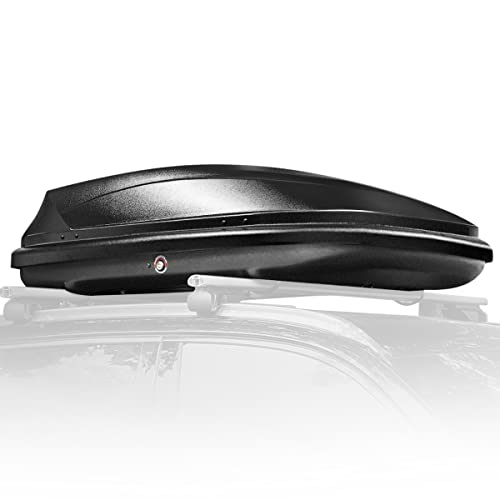
Auto Dynasty Hard Shell Roof Cargo Carrier (11 Cu Ft)

Auto Dynasty Hard Shell Roof Cargo Carrier (12.7 Cu Ft)

Asinking Car Rooftop Cargo Carrier Bag 21 Cubic Feet

Sailnovo Rooftop Cargo Carrier Bag 21 Cubic

DNA MOTORING Rooftop Cargo Box Carrier Lockable

JEGS 18 cu. ft. Rooftop Cargo Carrier Hard Shell

Naturnest Rooftop Cargo Carrier Bag Waterproof Soft Box

Thule Motion 3 Rooftop Box
A Breakdown Of The Leading Choices
This Auto Dynasty box keeps things refreshingly simple: a rigid shell, an 11 cubic foot interior, and a 110 lb load limit that covers a weekend’s worth of luggage with room left over. The 14-inch wide opening means you can slide in bulky items like folded strollers or duffel bags without wrestling them through a narrow slot.
It mounts to cross bars up to 13 inches wide, which covers most factory and aftermarket racks. For anyone adding their first roof box, that combination of modest size and forgiving fit makes setup far less intimidating than it sounds.
Useful Touches
- The 14-inch opening lets you load awkward gear without repacking everything first.
- An 11 cubic foot interior swallows roughly three to four large suitcases’ worth of soft luggage.
- Universal cross-bar compatibility up to 13 inches wide suits most sedans and crossovers.
- The hard shell shrugs off highway wind and rain better than any tarp-and-strap setup.
Things To Consider
- Owners commonly report checking bar width before ordering matters; wider aftermarket bars may not clamp properly.
- At 11 cubic feet, ski equipment and oversized coolers will be a tight squeeze.
At A Glance
Who It Suits Best
First-time roof box owners driving a sedan or small SUV who want dependable hard-shell storage without overspending.
Where A Sibling Pick Shines
Shoppers needing more room should step up to the Auto Dynasty 12.7 cubic foot version, which adds volume while keeping the same mounting approach.
Think of this as the bigger sibling in the same family. Capacity grows to 12.7 cubic feet while the 110 lb rating stays put, so you gain packing room rather than payload headroom. The opening narrows slightly to 13.5 inches, still generous enough for duffels, tents, and stacked soft bags.
Mounting remains universal across cross bars up to 13 inches wide. Families whose luggage list keeps growing year over year will appreciate the extra space more than they’ll notice the half-inch difference at the hatch.
Useful Highlights
- Nearly two extra cubic feet versus the smaller Auto Dynasty model fits another suitcase or a camp stove kit.
- The 13.5-inch mouth still accepts bulky soft-sided gear comfortably.
- Same 13-inch cross-bar compatibility keeps installation predictable across vehicles.
Small Caveats
- The longer shell may overhang smaller car roofs, so measure your roof length first.
- Payload stays capped at 110 lb regardless of the added volume.
Made For
Families of four or five who consistently run out of trunk space on week-long vacations.
Swap It Out When
Solo travelers or couples taking short trips will find the 11 cubic foot Auto Dynasty box lighter, cheaper-feeling, and easier to store between uses.
No roof rack? No problem. This Asinking bag straps directly to your roof using door hooks, which opens rooftop hauling to sedans, hatchbacks, and rentals that never see a crossbar. The 900D PVC tarpaulin construction (a heavy coated fabric) gets welded seams rather than stitched ones, closing off the leak paths that plague cheaper sewn bags.
At 21 cubic feet, it holds more than every hard shell in this lineup. The trade-off is shape: soft bags shift and settle, so fragile items need padding no matter how well the bag sheds rain.
A Favorable Mix
- Works on vehicles with or without a rack thanks to six door hooks and ten reinforced straps.
- Welded seams plus a luggage lock give real weather and security coverage.
- An anti-slip mat keeps the bag from sliding on bare roofs during cornering.
- 21 cubic feet handles camping weekends for a family without playing Tetris.
Points To Note
- Door-hook straps route through door frames, which some owners find fiddly on frameless windows.
- Soft fabric needs drying before storage to avoid mildew smells.
Quick Facts
Right Fit For
Drivers of rack-less sedans and renters who need serious capacity once or twice a season.
Another Choice May Suit
Anyone wanting rigid protection for delicate gear should look at the DNA MOTORING lockable box instead, since hard walls beat fabric around fragile loads.
Where the Asinking bag wins on accessories, the Sailnovo leans into aerodynamics. Its streamlined profile is designed to cut wind drag compared with conventional boxes, which translates into less fuel penalty and noticeably less wind whistle on interstate runs. The 1000D PVC shell carries sealed seams and extended zipper flaps, a pairing aimed squarely at all-day downpours.
You may find the softer nose section flexes slightly at sustained highway speeds; loading heavier items toward the front helps. For drivers logging long hauls rather than short hops, that drag reduction is where this bag earns its keep.
A Few Highlights
- Sealed seams and extended zipper flaps target leak points during extended rain exposure.
- The tapered shape reduces drag, helping fuel economy on multi-hour drives.
- 1000D PVC coating stands up to abrasion better than thinner bag materials.
Less Ideal Details
- Soft construction offers no crush protection for glassware or electronics.
- Zipper flaps need to be seated properly after each load, or wind-driven rain can find its way in.
Built With In Mind
Road-trippers covering long highway distances who care about noise and fuel burn as much as capacity.
Reach For A Different Pick When
Short urban trips favor the Naturnest low-profile bag below, whose fold-flat storage suits drivers removing their carrier weekly.
This DNA MOTORING case brings locking hardware to the budget end of the market, something neither Auto Dynasty option includes. The textured black shell measures 53 by 34 by 15 inches, sized for cross-bar-equipped vehicles only, and installs without tools according to the manufacturer. An 11 cubic foot interior with a 14-inch opening mirrors the practical layout of the Auto Dynasty boxes reviewed earlier.
The honest read is that you’re trading polish for security here. Fit and finish won’t rival Thule, but leaving gear locked on the roof during a hotel stop changes how you travel.
A Strong Showing
- Lockable lid secures contents during stops, unlike the open-latch budget boxes.
- Tool-free installation means one person can mount it in a driveway session.
- The 14-inch opening accommodates bulky duffels and gear bags.
- Textured black finish hides road grime between washes.
Trade Offs To Consider
- Requires existing cross bars; there’s no bare-roof option.
- Some owners report latch alignment needs occasional adjustment after rough roads.
Core Details
Who Should Grab It
Commuters and campers with cross bars who want lockable hard-shell storage without premium-brand pricing.
Consider Something Else When
Drivers needing maximum volume should compare the JEGS 18 cubic foot carrier, which nearly doubles the interior for big-family loads.
Eighteen cubic feet changes the math entirely. Built from HDPE plastic (high-density polyethylene, the same tough polymer used in kayak hulls), this JEGS shell offers interior dimensions of 57 by 39 by 19.5 inches, deep enough for stacked coolers, crib mattresses, or a full family’s luggage in one pass. Rear-hatch loading keeps the whole process manageable from ground level.
Security comes via a four-corner locking system with a front latch and a weather-tight seal. Compared with the DNA MOTORING box, you give up nothing on protection and gain seven cubic feet, though the larger shell demands a longer roof.
Where It Excels
- Interior depth of 19.5 inches accepts tall, stacked loads other boxes can’t swallow.
- Four-corner locks plus a front latch secure the shell from multiple points.
- The aerodynamic profile limits the fuel-economy hit typical of big boxes.
- Rear loading means no climbing on door sills or reaching across the roof.
What To Weigh
- The 57-inch length overwhelms compact cars; measure your roofline before committing.
- HDPE shells can flex slightly under point loads, so spread heavy items evenly.
Key Specs
Who Will Love This
Large families and road-trippers driving full-size SUVs, vans, or trucks who refuse to leave anything behind.
Not Your Match When
Compact-car owners will find the 12.7 cubic foot Auto Dynasty box a saner fit for shorter rooflines.
Storage between trips is the quiet dealbreaker nobody mentions until the box lives in the garage forever. This Naturnest folds flat to just 1.6 inches thick once emptied, sliding onto a closet shelf or under a bed. In use, it provides 12.7 cubic feet (360 liters) with a 77 lb weight limit, sitting between the Auto Dynasty boxes and the 21-cubic-foot bags above.
The build pairs an XPE foam core with heavy-duty Oxford fabric, reinforced seams, and rugged zippers. Its low-profile tapered shape also trims wind resistance and road noise, a genuine benefit on cross-state drives.
Well-Handled Touches
- Folding to 1.6 inches thick solves the off-season storage problem entirely.
- XPE foam core adds structure and cushioning that plain fabric bags lack.
- Fits vehicles with or without a roof rack, broadening vehicle compatibility.
- The tapered profile cuts drag and cabin noise relative to boxy designs.
Details To Watch
- The 77 lb limit trails the 110 lb rating of comparable hard shells.
- Oxford fabric benefits from a wipe-down and full dry-out before storage.
The Right Fit
Apartment dwellers and garage-tight households who use a carrier seasonally rather than weekly.
Look Elsewhere When
Maximum-capacity packers should choose the Asinking 21 cubic foot bag, which trades foldability for substantially more volume.
Every category has its benchmark, and for roof boxes that’s long been Thule. The Motion 3 wears a wing-shaped profile with a forward-leaning nose engineered to reduce drag, and the difference shows up as quieter cruising and gentler fuel consumption over long distances. The lid opens and closes one-handed thanks to a wide, sturdy handle, a small luxury you’ll notice every single trip.
Thule also supports the box with optional accessories such as an interior light and protective liners. Compared with the DNA MOTORING and JEGS shells, you’re paying for refinement, fit consistency, and a brand ecosystem rather than raw capacity.
The Value In It
- The wing-shaped, forward-leaning nose cuts drag for smoother, quieter highway travel.
- One-handed lid operation with a wide handle makes loading faster in bad weather.
- An accessory ecosystem (interior light, protective liners) extends usefulness over years.
- Build quality and fit consistency reflect decades of dedicated roof-rack engineering.
Honest Caveats
- The premium positioning costs considerably more than every other option here.
- Accessories like the interior light are sold separately, adding to total spend.
Technical Highlights
Whose Shelf It Belongs On
Frequent long-distance travelers and outdoor enthusiasts who want a refined, quiet box they’ll keep for a decade.
Skip It When
Occasional users will get everything they need from the JEGS 18 cubic foot carrier at a fraction of the investment.
Factors To Weigh Before Choosing Car Roof Boxes
Hard Shell Versus Soft Bag
Hard shells protect fragile gear, lock securely, and hold their shape at speed, but they demand storage space and a roof rack. Soft bags cost less, fold away when idle, and often mount to bare roofs with door hooks. Match the format to how often you’ll actually use it.
Capacity And Vehicle Fit
Cubic feet only matters if your roof can carry it. Measure roof length and check cross-bar spacing before ordering anything over 14 cubic feet. A box that overhangs your windshield or hatch creates wind noise and handling problems no amount of capacity justifies.
Weight Limits And Loading Style
Load ratings range from roughly 77 lb on soft bags to 110 lb on most hard shells, always assuming even distribution. Rear-opening designs let you load from the ground, while side-opening boxes need clearance to swing fully open in garages and tight parking spots.
Weather Protection That Holds Up
Look past the word waterproof to the details: welded versus stitched seams, zipper flap depth, and gasket quality on hard-shell lids. These specifics decide whether gear arrives dry after four hours of highway rain.
Key Considerations Across These Picks
Traps First Timers Fall Into
The most common mistake is ordering a box wider than your cross bars, then discovering the clamps don’t reach. Second place goes to ignoring roof length; an 18 cubic foot shell on a compact sedan looks and drives poorly. Always measure both before checkout.
Why Top Tier Costs More
Premium boxes like the Thule Motion 3 charge for aerodynamic shaping, consistent manufacturing tolerances, and accessory support. Those traits pay off over thousands of miles and many seasons. For a handful of trips a year, a well-reviewed mid-range shell delivers most of the benefit at a friendlier number.
Wrap Up
Your best choice comes down to three questions: how much stuff, what kind of roof, and how often. Rack-less drivers should start with the Asinking or Naturnest bags, cross-bar owners have strong hard-shell options from Auto Dynasty, DNA MOTORING, and JEGS, and frequent travelers will feel the Thule difference every mile. Measure first, buy once, and enjoy a cabin that finally belongs to people again.
