

Three bikes on a weekend ride sounds great until you’re staring at your car wondering how they’ll get there. The right carrier solves that in minutes, whether you have a hitch receiver or nothing but a trunk lid to work with. This list covers both worlds, from budget trunk straps to platform racks built for heavy e-bikes.
Your Options, Compared
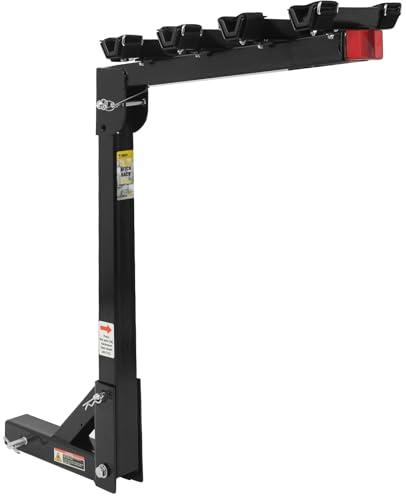
MaxxHaul 70210 Hitch Mount 4 Bike Rack
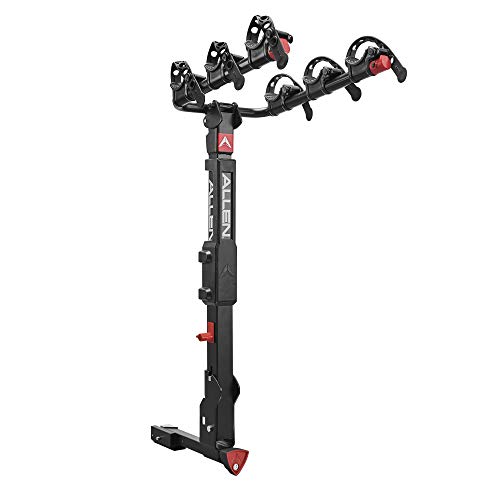
Allen Sports 3-Bike Hitch Rack

Saris Bones 3-Bike Trunk Rack
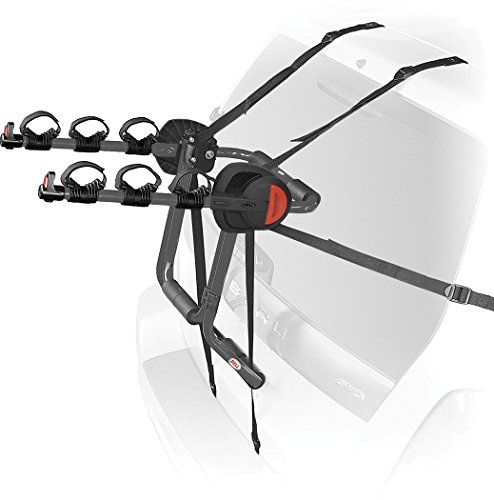
Bell Bike Trunk Rack
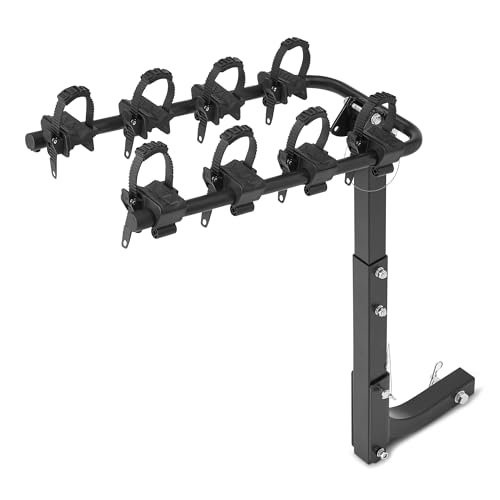
Amazon Basics 4-Bike Hitch Rack

Young Electric EZ-Fold Aluminum E-Bike Carrier

Thule Outpace 3 Bike Hitch Rack

FORWODE Premium 3-Bike Trunk Mount Rack
A Closer Look At Each Pick
The headline number here is 150 pounds of total load, which covers three standard bikes with room to spare or even a fourth when the crew grows. A hitch mount rack like this slides into a 2-inch hitch receiver, the square socket most trucks and larger SUVs already carry at the rear.
The swing-down design is the feature you’ll appreciate most on road trips. Tilt the loaded rack downward and the tailgate still opens, so snacks and gear stay reachable without unloading anything. Powder-coated steel shrugs off rain and road salt better than bare metal, though owners commonly report the coating can chip where bikes rub over time.
Where It Helps
- 150-pound capacity handles three adult bikes plus heavier frames comfortably
- Swing-down pivot keeps your cargo area usable with bikes still mounted
- Powder-coated steel resists rust through wet seasons
- Safety reflector improves visibility for night driving
- Adjustable cradles with hook-and-loop straps protect paint finishes
Things To Consider
- Requires a 2-inch receiver, so smaller crossovers are out of luck
- Hanging-style arms mean some frame contact; carbon frames deserve extra padding
Key Specs
Who It Suits Best
Truck and minivan families who haul three or four bikes regularly and want cargo access on the road.
A Better Fit Elsewhere
Drivers with a 1.25-inch receiver should look at the Allen Sports 3-Bike Hitch Rack instead, since it accepts both hitch sizes.
Where the MaxxHaul demands a 2-inch receiver, this Allen rack plays nicely with both 1.25-inch and 2-inch setups. That dual compatibility matters more than it sounds, because plenty of sedans and compact crossovers ship with the smaller hitch size and most budget racks ignore it entirely.
It follows the classic hanging-arm format: bikes rest on padded cradles and cinch down with straps. For daily riders who toss bikes on before work or school runs, that simplicity is the whole point. Assembly is minimal, and the universal fit means one rack can move between household vehicles. The honest trade-off is frame contact, so delicate carbon tubes need a towel wrapped around the cradle.
Real Benefits
- Fits both common hitch sizes, rare at this level
- Lightweight enough for one person to install solo
- Padded cradles reduce paint scuffing on steel and aluminum frames
- Compact footprint stores easily in a garage corner
Small Caveats
- Bikes can sway slightly on rough roads unless straps are snug
- Straps wear out after seasons of sun exposure and may need replacing
The Right Fit
Commuters and casual cyclists with a 1.25-inch hitch who want a no-fuss carrier for two or three rides a week.
Reach For A Different Pick When
Anyone hauling e-bikes will find the Young Electric EZ-Fold Aluminum E-Bike Carrier far better suited, thanks to its ramp and 100-pound-per-bike rating.
No hitch? No problem. The Bones straps onto the trunk or hatch of most vehicles, and its arced legs are shaped to clear spoilers that defeat flatter trunk racks. Each arm carries up to 35 pounds, which covers nearly every non-electric bike on the market.
The injection-molded arms and legs are the engineering story here: molded plastic won’t rust the way painted steel eventually does, and the material is fully recyclable. Anti-sway straps keep neighboring bikes from knocking together, a real issue on washboard backroads. Compared with the Bell below, the Bones costs more but earns it through build quality and a fit that owners report holding tight over years of use.
The Case For It
- Arc-based legs clear most factory spoilers cleanly
- Rust-free molded construction survives coastal and winter climates
- Anti-sway straps stop bike-to-bike contact
- Bikes sit on separate levels, reducing handlebar tangles
- Made in the USA with fully recyclable materials
Points To Note
- Strap tension needs checking before every long drive
- Paint contact points benefit from a cloth barrier on older vehicles
At A Glance
Who Will Love This
Sedan and hatchback drivers who refuse to install a hitch but ride most weekends.
Skip It When
Riders wanting rock-bottom cost will find the Bell Bike Trunk Rack covers the same job for less money.
This is the entry point of the list, and it doesn’t pretend otherwise. Six straps anchor the frame to virtually any car body style, and the whole thing folds in a single step at the hub, which makes garage storage almost trivial.
Setup requires no tools, and reflective red end caps add a touch of visibility on evening drives home. Cradles accept bikes of different types, so a kid’s mountain bike and a road bike can share the rack. You give up the refined fit and sway control of the Saris Bones, and owners commonly note the straps demand careful tightening on bumpy routes. For a handful of trips a year, that compromise is easy to live with.
Good Reasons To Consider
- One-step folding makes storage genuinely effortless
- Six-strap system stabilizes fit across varied car shapes
- Reflective end caps help other drivers see you at dusk
- Tool-free assembly straight out of the box
Less Ideal Details
- Straps loosen faster than pricier rivals on rough pavement
- Basic cradles offer less frame protection than padded premium arms
Who Should Grab It
First-time carriers and occasional riders who take bikes out a few times a season and want the lowest commitment.
Another Choice May Suit
Frequent travelers should step up to the FORWODE Premium 3-Bike Trunk Mount Rack, whose thicker padding and longer carry arm handle weekly use far better.
Anti-rattle is the phrase that separates this rack from cheaper hanging designs. An anti-rattle mechanism dampens the wobble between rack shank and hitch receiver, which means less clanking noise and less metal wear on long highway stretches. Anyone who has driven four hours listening to a loose rack knows why that matters.
The 132-pound capacity and reinforced tie-downs cover three bikes generously, with a fourth slot held in reserve. The foldable frame tucks against the vehicle when not in use, and the powder-coated steel shrugs off typical weather. Against the MaxxHaul, you lose the swing-down feature and some raw capacity, but gain quieter travel and easier storage.
Useful Touches
- Anti-rattle design cuts noise and hitch wear dramatically
- 132-pound rating suits three adult bikes with margin
- Folds flat against the vehicle for parking and storage
- Reinforced tie-downs keep wheels and frames secure
What To Weigh
- Fixed 2-inch hitch requirement excludes smaller receivers
- No tilt function, so tailgates stay shut while loaded
Quick Facts
Right Fit For
Noise-sensitive drivers and families who value a quiet, stable ride over extra features.
Swap It Out When
Shoppers needing tailgate access while loaded should choose the MaxxHaul 70210 Hitch Mount 4 Bike Rack and its swing-down pivot.
E-bikes break ordinary racks. A single electric bike often weighs 60 pounds or more, which is why this platform carrier rates 200 pounds total and 100 per bike. Platform style means wheels sit in trays rather than frames hanging from arms, so batteries, motors, and odd tube shapes never touch the rack itself.
The included ramp is the detail that changes daily life: roll a heavy e-bike up instead of deadlifting it onto a hitch rack. Universal tire holders accept tires up to 5 inches wide, covering fat bikes alongside road and mountain models. Aluminum construction keeps the rack’s own weight manageable, and the EZ-fold design collapses for storage. The 360-degree anti-wobble hardware holds everything steady off-road too.
Why It Works Well
- 100-pound-per-bike rating carries any production e-bike
- Built-in ramp eliminates heavy lifting during loading
- Wheel trays fit tires up to 5 inches wide, fat bikes included
- Aluminum frame resists corrosion and stays lighter than steel
- Anti-wobble structure prevents sway and vehicle contact
Trade Offs
- Two-bike limit despite the hefty capacity
- Platform racks occupy more hitch length and store bulkier
Feature Snapshot
Made For
E-bike commuters and RV travelers whose heavy rides exceed what hanging racks can legally and safely carry.
Consider Something Else When
Households carrying three lightweight pedal bikes get more value from the Thule Outpace 3 Bike Hitch Rack below.
Thule builds this one around flexibility. Any bike loads in any order, and the clamp accepts frame tubes from 0.8 to 3.5 inches in diameter, which means step-through frames, thick downtubes, and unusual geometries all find a grip. Most budget racks simply can’t say that.
Each position carries 55 pounds, totaling 110 across three slots, enough for most e-bikes too. The platform layout keeps frames clear of contact, and the compact footprint suits smaller vehicles better than the bulky Young Electric carrier. Dual hitch sizing, 1.25 and 2 inches, widens vehicle compatibility further. In our view, this is the pick for mixed-garage households where no two bikes share a frame style.
What Makes Sense
- Clamps fit tube diameters from 0.8 to 3.5 inches
- Load and unload bikes in any order, no reshuffling
- 55-pound per-slot rating covers many e-bikes
- Works with both 1.25-inch and 2-inch receivers
Room For Improvement
- 110-pound total trails the Young Electric’s 200-pound ceiling
- Premium pricing puts it above budget-focused shoppers’ range
Best Suited To
Multi-bike families with mismatched frame styles who want a refined, low-contact platform solution.
Not Your Match When
Strictly budget-minded shoppers hauling basic frames will be happier with the Allen Sports 3-Bike Hitch Rack.
Thirteen pounds is remarkably light for a three-bike carrier, and that figure shapes everything about ownership here. One person lifts it onto a hatchback without strain, folds it flat afterward, and slides it into the trunk it was just protecting. Apartment dwellers with no garage finally have a realistic option.
The 16-inch carry arms add stability that shorter budget arms lack, and soft rubber cradles grip frames without scratching. An 82-inch strap controls tire direction while side straps resist lateral sway, and thickened padded feet spread the load across your paint. It arrives fully assembled, angle adjusts via a pin design, and the corrosion-resistant steel holds up across seasons.
Advantages To Know
- 13-pound weight makes solo mounting and removal painless
- Folds flat into a trunk, ideal where storage space is scarce
- Soft rubber cradles and padded feet protect both bike and car
- Arrives assembled, zero tools required
- 82-inch tire strap plus side straps limit sway
Details To Watch
- 35-pound per-bike cap rules out e-bikes entirely
- Strap-based mounts need re-checking after long drives
Product Snapshot
Whose Shelf It Belongs On
Apartment residents and hatchback owners who ride weekly and need a carrier that disappears into small storage spaces.
Look Elsewhere When
Heavy e-bike owners should turn to the Young Electric EZ-Fold Aluminum E-Bike Carrier, whose ramp and 100-pound per-bike rating match the load.
What Matters Before Choosing Car Bike Racks For 3 Bikes
Match The Mount To Your Vehicle
Hitch racks offer the strongest stability and easiest loading, but only if your car has a receiver, and the size matters: 1.25-inch versus 2-inch determines half the market’s compatibility. Trunk-mounted racks work on nearly any sedan, hatchback, or SUV through strap systems, trading some stability for universal fit. Check your vehicle first, then shop second.
Weight Ratings Are Not Suggestions
Add up your actual bikes, including water bottles, locks, and battery packs. A 35-pound-per-bike trunk rack handles road and mountain bikes fine but fails immediately with an e-bike, which commonly weighs twice that. Exceeding ratings stresses straps, hitches, and your bumper.
Frame Contact And Protection
Hanging racks grip top tubes, which suits steel and aluminum frames but worries carbon owners. Platform racks hold wheels instead, keeping frames untouched. Soft rubber cradles and padded feet matter just as much on trunk racks, where paint damage is the most common complaint.
Storage Reality
Garage owners can leave a hitch rack installed year-round. Everyone else should weigh folded dimensions, since a rack that lives in a closet gets used far more often than one that’s a hassle to deploy.
Key Considerations Across These Picks
Traps First Timers Fall Into
The classic error is buying for today’s bike count. Three kids grow, a partner starts riding, and suddenly a 3-bike rack is short. Buying one slot of headroom costs little now and saves a replacement later. Another frequent miss: ignoring hitch size until the box arrives. Measure your receiver before ordering anything hitch-mounted.
When Paying More Pays Off
Higher-tier racks earn their price through capacity and convenience. The jump from a basic trunk strap to a platform carrier buys higher weight limits, integrated ramps, and zero frame contact. Riders hauling e-bikes or traveling monthly recover that difference quickly in saved time and avoided damage. Occasional riders rarely need the upgrade.
Bottom Line
Three bikes don’t ask much of a car, just the right carrier matched to your hitch, your frames, and your storage space. Hitch owners get the strongest stability from the MaxxHaul or Thule, e-bike riders need the Young Electric’s ramp and capacity, and trunk-mount users should weigh the Saris Bones against the lighter FORWODE. Measure first, buy once, and the trailhead is always twenty minutes away.
