

Every oil change is a small decision with big consequences. The filter you screw on decides how much grit circulates through your engine between services, and the wrong one can undo the benefit of good synthetic oil entirely. This shortlist covers seven filters suited to different vehicles and habits, from extended-interval commuters to Honda loyalists who want factory parts in a three-pack.
The Shortlist At A Glance

K&N Select Oil Filter SO-1010

Toyota Genuine Oil Filter 90915-YZZN1
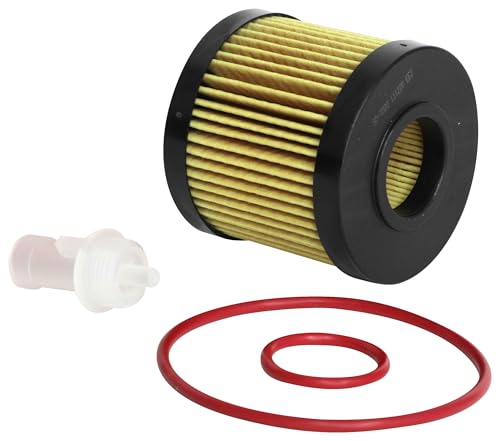
K&N Select Oil Filter SO-7020

Dacall Premium-Synthetic Oil Filter for Benz
Dacall HU6020Z Premium-Synthetic 20k Oil Filter

A-Premium 10K Miles Spin On Oil Filter

Honda/Acura Engine Oil Filter + Washers Set of 3
More Details On Our Top Picks
The SO-1010 is built around a simple idea: one filter that survives an entire extended drain interval. Its pleated synthetic-blend media captures roughly 99% of contaminants larger than 30 microns, which matters most during those first few hundred miles after a change when debris loosens up inside the engine.
For anyone stretching changes toward the 20,000-mile mark their manufacturer allows, that combination of capacity and efficiency is the whole point. Daily commuters running full synthetic get the clearest benefit here.
Strong Points
- Rated for engine protection across intervals approaching 20,000 miles, so fewer changes per year
- Pleated synthetic-blend media traps about 99% of particles over 30 microns, keeping fresh oil cleaner longer
- Works with conventional, blended, high-mileage, and full synthetic oils, so switching oils never forces a filter switch
- Follows your vehicle’s own change intervals rather than imposing a shorter service schedule
Things To Consider
- Fitment is application-specific, so confirm the SO-1010 matches your engine before ordering
- Extended-interval claims assume you follow the manufacturer’s oil spec; owners commonly report shorter real-world drains in severe stop-and-go use
Key Specs
Who It Suits Best
Commuters logging serious annual mileage on full synthetic who want to stretch changes without sacrificing filtration.
A Better Fit Elsewhere
Toyota or Lexus owners who prioritize factory-original parts will find the Toyota Genuine 90915-YZZN1 a more natural match.
Where the K&N chases extended intervals, this one chases certainty. Part number 90915-YZZN1 is the same filter your Toyota dealer installs, engineered specifically for Toyota and Lexus engines rather than adapted to them. Sealing surfaces, bypass valve calibration, and thread dimensions all line up with factory specifications by default.
That matters more than it sounds. Leased vehicles and cars under manufacturer coverage often specify genuine parts, and matching the factory filter removes any argument at service time. For most Toyota households, this is the boring, correct answer.
What We Like
- Genuine factory part carrying the original 90915-YZZN1 number, so fitment questions disappear
- Engineered to Toyota and Lexus specifications, preserving the behavior the engine was designed around
- Keeps maintenance aligned with manufacturer requirements, which helps at dealership service visits
Worth Noting
- Covers only Toyota and Lexus applications, so mixed-brand garages need a second filter type on the shelf
- Standard service intervals apply; it isn’t positioned as an extended-drain product like the K&N options
Right Fit For
Toyota and Lexus owners who want the exact factory part and zero guesswork at every oil change.
Swap It Out When
Drivers of other makes should look at the A-Premium 10K Miles Spin On Oil Filter instead, whose compatibility list spans far more brands.
This is the SO-1010’s sibling from the same K&N Select family, sharing the long-life architecture but cut for a different set of engines. You get the same pleated synthetic-blend media, the same tolerance for every oil type from conventional to full synthetic, and the same extended-drain philosophy aimed at roughly 20,000 miles of protection.
High-mileage engines are where this design earns its keep. Older motors shed more carbon and wear material, and a filter with strong dirt-holding capacity keeps that debris out of circulation between changes. Verify the SO-7020 against your specific engine before checkout, since K&N splits its coverage across many part numbers.
Highlights
- Same 99%-plus capture rate for contaminants over 30 microns as its sibling, tuned for different applications
- Long-life construction supports extended drain intervals when your oil and driving pattern allow it
- Handles high-mileage formulations happily, useful for aging engines that burn dirtier oil
Small Caveats
- Application-specific sizing means ordering the wrong variant is the most common mistake; double-check the part number against your VIN lookup
- Severe-duty driving such as frequent towing may justify shorter change intervals than the maximum rating suggests
Quick Facts
Made For
Owners of higher-mileage vehicles running synthetic blends who still want extended-interval capability.
Consider Something Else When
Mercedes-Benz four-cylinder owners need the Dacall Premium-Synthetic Oil Filter for Benz, which targets those platforms directly.
European engines often take cartridge-style filters, and aftermarket coverage for them tends to be thinner than for domestic and Japanese cars. Dacall fills that gap with a premium-synthetic unit covering Mercedes-Benz four-cylinder 2.0L applications including C300, CLA250, GLA250, and AMG variants, plus selected Infiniti and Freightliner models.
The brand asks you to verify the part number printed on the filter body and key dimensions before installation, which is honest guidance for a cartridge fitment this broad. Do that check first and the rest is straightforward. Owners of these platforms generally pay dealer prices for filters, so an independent option has obvious appeal.
Plus Points
- Covers a wide run of Mercedes-Benz L4 2.0L models from CLA250 through C300 and AMG variants
- Extends to Infiniti and Freightliner applications, consolidating several vehicles onto one filter choice
- Premium-synthetic media positioning suits the synthetic oil these European engines specify
Points To Note
- Model-year windows are strict; a C300 from outside the listed range may need a different cartridge
- Cartridge installs demand care with O-rings and housing torque, so less experienced DIYers should allow extra time
Details At A Glance
Who Should Grab It
Mercedes-Benz compact and C-Class owners comfortable with a cartridge swap who want an alternative to dealer counters.
Reach For A Different Pick When
Sprinter van operators should step up to the Dacall HU6020Z, built specifically for the 2.0L diesel in those vans.
Sprinters work hard. Loaded cargo runs, delivery routes, and camper conversions all push the 2.0L diesel’s oil harder than a commuter sedan ever will, and this HU6020Z is sized for exactly that duty cycle. Coverage spans Sprinter 2500, 3500, 3500XD, and 4500 vans across recent model years, diesel engines only.
The premium-synthetic media and heavy-duty framing suggest it holds up under sustained load, though fleet operators may still prefer conservative intervals given how much soot a working diesel generates. As with its sibling above, confirm the stamped part number and dimensions before you commit.
Bright Spots
- Purpose-built for the Mercedes-Benz 2.0L diesel found across the modern Sprinter range
- Covers 2500 through 4500 variants, simplifying parts stocking for multi-van operations
- Premium-synthetic construction aligns with the demands of loaded, sustained driving
Softer Spots
- Strictly a diesel-application part; gasoline Sprinter or other Mercedes models need a different filter
- Severe commercial duty may warrant shorter change cycles than the 20k framing implies, based on widely reported diesel ownership experience
Whose Shelf It Belongs On
Sprinter van owners and small-fleet operators running the 2.0L diesel who want dependable coverage across multiple chassis weights.
Not Your Match When
Passenger-car Mercedes owners should stay with the Dacall Premium-Synthetic Oil Filter for Benz, whose fitment list targets those sedans and hatchbacks.
Spin-on filters are the classic threaded canister most home mechanics grew up with, and this A-Premium unit keeps things simple while casting a remarkably wide net. Its compatibility list stretches from Lexus RX350 and NX crossovers to Nissan Sentra, Chevy Tracker, Pontiac Vibe, even Lotus Elise. Few single part numbers cover that much ground.
The 10,000-mile protection rating sits comfortably inside most modern change schedules, making this a sensible default for households juggling two or three different brands in the driveway. One caveat worth respecting: with coverage this broad, always run your exact year, make, and model through the fitment guide before ordering.
Reasons To Buy
- Compatibility spans Lexus, Nissan, Toyota-era Geo and Pontiac models, Daihatsu, Lotus, and more
- Rated for 10,000 miles of protection, matching typical synthetic-oil change intervals
- Traditional spin-on format means a fast, familiar install with standard tools
- Value-oriented pricing makes stock-ups for multiple vehicles painless
Minor Gripes
- Broad fitment lists invite ordering errors; verify your specific trim before purchase
- Doesn’t reach the extended-drain territory the K&N Select filters claim
Feature Snapshot
Who Will Love This
Multi-vehicle households and budget-conscious DIYers who want one reliable filter across several ordinary cars.
Look Elsewhere When
Honda and Acura owners get better value from the genuine three-pack below, which includes crush washers.
Honda’s 15400-PLM-A02 is arguably the most recognizable oil filter part number in the DIY world, and this set bundles three genuine units with the crush washers each drain plug needs. That last detail saves a separate trip to the parts counter, since reusing an old washer risks a slow seep.
Coverage spans nearly every Honda except the S2000, plus most Acuras, which makes the three-pack a tidy season of changes for a two-Honda garage. The honest read is that nothing here is exotic; it’s simply the factory part, sold the way people actually use it.
Standout Traits
- Genuine Honda-manufactured filters bearing the 15400-PLM-A02 part number
- Crush washers included for all three changes, completing the job properly
- Fits nearly the entire Honda lineup plus most Acuras, ideal for multi-car families
- Three-pack format matches a full year of changes for many drivers
Honest Caveats
- Excludes the S2000, so that roadster needs its own specified filter
- Some Acura models fall outside coverage; confirm your vehicle against the fitment chart
Core Details
Built With In Mind
Hands-on Honda and Acura owners who change their own oil and prefer factory parts bought in sensible quantities.
Another Choice May Suit
Drivers wanting extended 20,000-mile capability on non-Honda engines should compare the K&N Select SO-1010 reviewed earlier.
What Matters Most Before Choosing Car Oil Filters
Match The Filter To Your Interval
Your oil change habit dictates the filter more than anything else. Drivers changing oil every 5,000 miles have modest filtration demands, while anyone stretching toward 15,000 or 20,000 miles on full synthetic needs media with enough dirt-holding capacity to survive the distance. Buying a basic filter and then running an extended interval defeats the purpose of premium oil.
Confirm Fitment Before Anything Else
Part numbers exist because engines differ wildly. A filter that threads on but carries the wrong bypass valve pressure can leave your engine unprotected during cold starts. Run your VIN or exact year-make-model through the fitment tool on every listing, and for cartridge-style European applications, verify the stamped number on the housing itself.
Understand Media Types
Cellulose media is inexpensive and adequate for short intervals. Synthetic-blend and full synthetic media hold more contaminant, resist breakdown longer, and maintain flow as they load up. High-mileage formulas add detergents that swell aging seals, and pairing them with a capable filter maximizes what they do.
Weigh Genuine Versus Aftermarket
Factory filters guarantee specification compliance, which matters for leased or warranty-covered vehicles. Reputable aftermarket brands often match or exceed factory filtration at lower cost. Both paths work; the mistake is buying neither knowingly.
Key Considerations Across These Picks
Traps First Timers Fall Into
The most common error is trusting a compatibility claim without checking your specific trim level, especially with broad-fitment parts like the A-Premium. Second is ignoring the crush washer on spin-on installs; reuse leads to weeping drain plugs. Third is mixing an extended-interval filter with bargain conventional oil, which caps your drain length anyway.
What Separates Premium From Basic
Higher-tier filters spend money on media density, anti-drainback valves, and sturdier canister seams. Those upgrades pay off for long-interval drivers, turbocharged engines, and severe-duty use. Around-town drivers changing oil twice a year gain little from them, so spend according to your actual service habits.
Closing Thoughts
Seven filters, seven different jobs. Commuters chasing long intervals have the K&N Select pair, Toyota and Honda loyalists get genuine factory metal, Mercedes and Sprinter owners finally have solid independent options, and multi-car households can lean on the A-Premium. Match the filter to your engine, your oil, and your change schedule, and any pick on this list will serve you well.
