

Car exhaust upgrades shape sound, fit, and day-to-day drivability in ways that matter on commutes, long highway runs, and weekend wrenching alike. Some picks suit a specific Honda Civic generation, while others are built for trucks or repair work around hangers and mufflers. The right match depends on vehicle fitment, pipe diameter, material, and how much install complexity can be handled without extra fabrication.
That mix makes this category less about flash and more about compatibility. A straight-through muffler, a cat-back layout, or a replacement hanger set each solves a different problem, and the parts below reflect that split clearly.
Quick Look At Our Shortlist
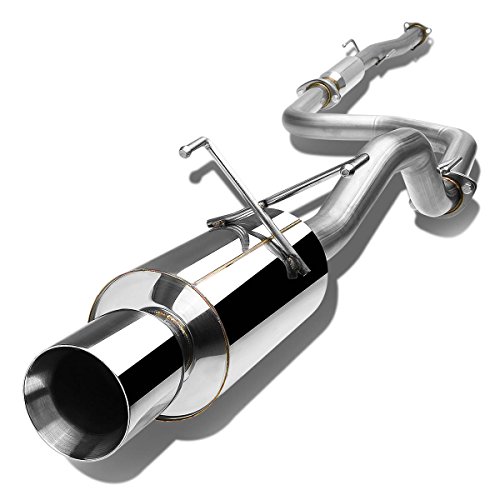
DNA MOTORING CBE-HC922-NRT Stainless Steel Cat Back Exhaust System

Truck Exhaust Kits ShopLine Dual Exhaust System 2.5″ Aluminized Pipe

3 Inch Valved Muffler Electric Exhaust Cutout with Muffler Cat Back Exhaust System Kit

MBRP S5326AL 2.5″ Cat Back, Single Side Exhaust System

16PCS Exhaust Hanger 3/8″(10MM) Mild Steel Zinc Coated Rod Rubber Mount Set

Rear Exhaust Muffler Compatible With 2006-2011 Honda Civic 1.3L/1.8L

Northeastern Exhaust Resonator Muffler System Kit for 2006-2011 Honda Civic 1.8L
More Details On Our Top Picks
Older Civic coupe and sedan builds need fitment discipline first, and this DNA MOTORING cat-back is aimed squarely at that job. T-304 stainless steel is the corrosion-resistant stainless grade commonly used for stronger exhaust hardware, while mandrel bends keep the tube’s inner shape more open through curves.
That matters in daily driving because clearance, sound, and flow all sit on the same part. The trade-off is simple: vehicle-specific parts demand exact application checks, so this is a sharper fit for owners of 92 to 00 Civic chassis than for general garage use.
Strong Points
- Stainless construction suits long-term street use.
- Mandrel bends help preserve exhaust passage shape.
- Fits coupe and sedan Civic applications from that era.
- Cat-back layout keeps the upgrade focused behind the catalyst.
Points To Note
- Fitment matters more here than with universal parts.
- Owners often plan a careful install around hanger and clearance checks.
Feature Card
Who It Suits Best
Owners of 1992 to 2000 Honda Civic coupe or sedan builds who want a dedicated cat-back replacement will get the most from it.
A Better Fit Elsewhere
Truck Exhaust Kits ShopLine Dual Exhaust System 2.5″ Aluminized Pipe suits truck projects that need hardware-inclusive installation rather than compact Civic fitment.
Truck projects usually reward parts that reduce add-on labor, and this ShopLine dual system leans hard into that idea. The Flow II muffler is a straight-through design, meaning exhaust gases travel through a more direct path than in a chambered muffler, which tends to suit owners after a cleaner, less restrictive layout.
Aluminized pipe is the practical side of the equation, offering a coated-steel setup that often makes sense for work trucks and budget-conscious refreshes. The honest trade-off is that it sits below stainless in corrosion resistance, so conditions and maintenance habits matter more over time.
What We Like
- 2.5-inch mandrel-bent tail pipes support a smoother path.
- Installation hardware is included, which helps simplify the job.
- No welding requirement lowers the barrier for a driveway install.
- Straight-through muffler design suits a more open exhaust note.
Small Caveats
- Aluminized tubing usually asks for more corrosion awareness than stainless.
- Truck owners still need to check chassis fit and routing space carefully.
Feature Rundown
Made For
Truck owners planning a practical exhaust refresh with less fabrication work will find the layout especially relevant.
Skip It When
MBRP S5326AL 2.5″ Cat Back, Single Side Exhaust System fits more naturally for shoppers prioritizing a lighter single-exit setup on a smaller vehicle.
Sound control is the whole story here, and this peastorm kit gives that job a very specific mechanical path. A valved exhaust uses a movable gate to open or restrict flow, so the same setup can behave differently on a quiet commute than it does on a weekend drive.
Two remotes and a waterproof motor push it toward convenience rather than bare-bones simplicity. The trade-off is obvious, though, because electronic parts add installation and troubleshooting complexity that a plain muffler never asks for.
Upsides
- Three sound modes support different driving situations.
- Remote control makes adjustment easier from the cabin area.
- Spare remote adds a useful backup for everyday ownership.
- Partially open mode offers a middle ground instead of all or nothing.
Areas To Watch
- Electronic components usually need a cleaner install path than passive mufflers.
- Drivers who want a simple fixed tone may find the extra controls unnecessary.
Who Should Grab It
Enthusiasts who want adjustable exhaust character without swapping hardware between drives will get the most value from it.
Reach For A Different Pick When
DNA MOTORING CBE-HC922-NRT Stainless Steel Cat Back Exhaust System makes more sense for owners of older Civic coupes and sedans who want a fixed, vehicle-specific upgrade.
MBRP keeps this one focused and tidy: a 2.5-inch cat-back with a single-side exit and a straight-through muffler. Straight-through, in practical terms, means exhaust flows through a less obstructed path, which often suits drivers who want a cleaner tone and a straightforward layout.
Single-exit systems are usually easier to live with in tight garages and around curbs than dual setups, and that lower visual bulk is part of the appeal. The trade-off is that aluminized steel asks for more rust awareness than stainless, especially in wet or salted climates.
Highlights
- 2.5-inch tubing keeps the system in a common fit range.
- 3.5-inch tip diameter adds a more substantial rear finish.
- Single-side exit works neatly on many daily-driven layouts.
- Straight-through muffler suits a more open exhaust path.
Room For Improvement
- Aluminized steel needs more upkeep than stainless in harsh weather.
- Owners looking for a dual-exit appearance should look elsewhere.
Core Details
Best Suited To
Street-driven owners who want a simpler cat-back with a clean single-exit format will find this layout easy to justify.
Another Choice May Suit
Northeastern Exhaust Resonator Muffler System Kit for 2006-2011 Honda Civic 1.8L suits Civic owners seeking a vehicle-specific replacement bundle with stainless steel and hardware.
Exhaust hangers rarely get attention until a system starts sagging, rattling, or sitting off-angle, and that’s exactly where this Ganluuree kit fits. The set includes both 90-degree and straight rods, so it covers a wider range of routing angles than a single-shape hanger pack.
Mild steel with zinc coating gives the rods a practical finish for garage repairs and custom brackets. The honest read is that this is a parts-bin style kit, so installation skill still matters more than the hardware count alone.
Best Bits
- Sixteen pieces cover more hanger jobs at once.
- Mixed rod shapes help match different exhaust paths.
- Zinc coating adds a useful layer for routine road exposure.
- Handy for rebuilds, replacements, and custom support work.
Minor Gripes
- DIY welding or fitting skill still matters here.
- Hardware-only kits depend on the rest of the exhaust setup.
Details At A Glance
Whose Shelf It Belongs On
Garage tinkerers, muffler shops, and anyone piecing together a support repair will get the most from this style of kit.
Where A Sibling Pick Shines
DNA MOTORING CBE-HC922-NRT Stainless Steel Cat Back Exhaust System is the better fit for owners who need a full vehicle-specific exhaust rather than hanger hardware.
Replacement mufflers live or die on fit, and this peastorm unit is aimed directly at 2006 to 2011 Honda Civic 1.3L and 1.8L applications. Heavy-duty steel gives it a straightforward repair-focused profile, which suits drivers replacing a worn rear section rather than reshaping the whole exhaust.
Reinforced flanges and welded seams are the details that matter most here, because they help the joint area stay better aligned under everyday vibration. The trade-off is a familiar one for replacement parts: exact vehicle matching matters, and installation still depends on the rest of the existing system.
Reasons To Buy
- Vehicle-specific fitment narrows the guesswork for Civic repairs.
- Heavy-duty steel suits a practical replacement job.
- Reinforced flange areas support a more secure connection point.
- Included gasket simplifies the parts list for installation.
Worth Noting
- Fitment checks are still essential before ordering.
- Replacement work can reveal worn hardware elsewhere in the exhaust path.
Right Fit For
Honda Civic owners handling a rear muffler swap on a 2006 to 2011 chassis will get the clearest match here.
Look Elsewhere When
Northeastern Exhaust Resonator Muffler System Kit for 2006-2011 Honda Civic 1.8L suits shoppers who want a stainless kit with broader hardware support.
This Northeastern Exhaust kit sits near the center of the category because it bundles the parts that matter most for a Civic 1.8L refresh. 409 stainless steel is the practical grade here, giving the system a durability profile that suits years of ordinary road use without turning the install into a fabrication project.
Gaskets, clamps, and bolt kits are included, which trims the number of extra trips a driveway installer usually faces. That convenience pairs well with the no-welding design, though exact chassis condition still shapes how smooth the work feels in practice.
Bright Spots
- 409 stainless steel brings a sturdy, road-ready construction.
- Included gaskets and clamps reduce parts chasing.
- No-weld installation suits professional fitting and simpler service work.
- Designed to support healthier exhaust flow through the system.
Honest Caveats
- Compatibility is limited to the listed Civic application.
- Installed or altered parts generally lose easy return flexibility, so careful verification matters.
Feature Snapshot
The Right Fit
Civic 1.8L owners looking for a full replacement kit with bundled hardware and a stainless build will find the strongest match here.
Swap It Out When
MBRP S5326AL 2.5″ Cat Back, Single Side Exhaust System suits shoppers who want a broader universal-style cat-back rather than a Civic-specific repair kit.
What Matters Before Choosing Car Exhaust Systems
Fitment And Routing
Vehicle-specific parts reduce guesswork, but only after the year, engine, and body style are matched exactly. Universal or semi-universal setups need extra attention around hanger locations, exit style, and pipe routing.
Material And Climate
Stainless steel suits harsher weather and longer ownership, while aluminized steel can make sense for milder conditions or shorter replacement cycles. Zinc-coated support parts work well for hanger hardware, though they still depend on how exposed the vehicle sits.
Install Complexity
No-weld kits fit home garages better, especially on straightforward replacement jobs. Electronic valves and mixed hardware packages add flexibility, but they also add more points to check during installation.
Two Quick Checks Before Checkout
Mistakes Worth Dodging
Pipe diameter, exit layout, and exact model-year fit should be confirmed before any exhaust order. A part that looks close on paper can still miss the hangers, tips, or flange points that matter in real use.
What The Higher Tier Buys
More expensive kits usually bring stronger materials, more complete hardware, or more precise vehicle matching. The upgrade pays off in tighter fit, easier install work, and less second-guessing during ownership.
Frequently Asked Questions
What Is A Cat-Back Exhaust?
A cat-back system replaces the exhaust path from the catalytic converter back to the tip. It usually changes sound and flow without touching the front of the exhaust layout.
What Does Mandrel-Bent Mean?
Mandrel bending keeps the tube from flattening as it curves. That helps maintain a steadier internal passage than a crushed bend.
Why Does Stainless Steel Matter?
Stainless steel holds up better against corrosion than basic steel in many driving conditions. It often suits owners who plan to keep the vehicle longer.
Do No-Weld Kits Make Installation Easy?
No-weld kits simplify the tool list and reduce fabrication needs. Fitment still matters, so bolt-up does not always mean instant installation.
Are Universal Exhaust Parts A Safe Choice?
Universal parts can work well for custom projects and repairs. Exact measurement checks become more important because hanger placement and pipe length vary by vehicle.
