

Paint correction gets easier when you match the compound or polish to the defect, not just the finish you want. Heavy oxidation, swirl marks, towel haze, and micro-scratches each ask for a different cut level, and the wrong bottle can waste time fast. This roundup focuses on eight products that fit real garage routines, from weekend refresh work to darker finishes that need a cleaner final gloss. You’ll also see where a two-step system makes more sense than a single bottle.
The Shortlist At A Glance
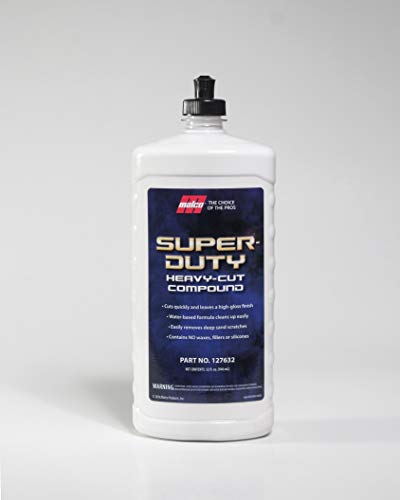
Malco Super Duty Heavy Cut Compound

Chemical Guys V36 Optical Grade Cutting Polish
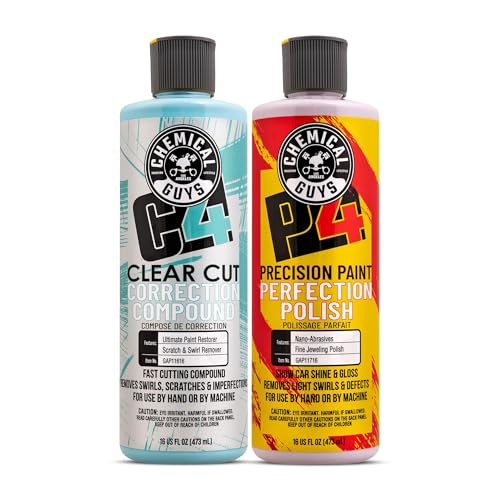
Chemical Guys C4 & P4 Paint Correction Kit

ABRO Rubbing Compound 10 oz

menzerna Super Finish Plus 3800
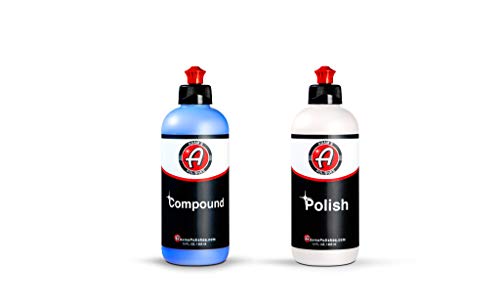
Adam’s Polishes 2-Step Polishing System 12oz Combo

menzerna One-Step Polish 3in1

menzerna Heavy Cut Compound 400
More Details On Our Top Picks
That heavier cut makes sense for paint that looks tired before it looks glossy again. Malco Super Duty Heavy Cut Compound sits in the aggressive end of this category, so it belongs in a garage that sees oxidation, sanding marks, or marine-style cleanup work more than light weekend dusting.
You get a 32 oz bottle, which suits larger jobs and repeated use better than the smaller bottles in this roundup. The trade-off is simple, it asks for a proper finishing step afterward, and that makes it less forgiving than the cleaner one-step options below.
Strong Points
- Heavy cut profile fits rougher correction work.
- Large 32 oz size stretches across multiple panels.
- Useful for paint that needs clear defect removal before finishing.
- Good match for boat or truck upkeep.
Things To Consider
- Needs a follow-up polish for best gloss.
- The stronger cut may be more than light swirls need.
Who It Suits Best
You benefit most here if you correct worn paint on cars, trucks, or boats and already plan a second finishing step.
A Better Fit Elsewhere
Chemical Guys V36 Optical Grade Cutting Polish suits you better for lighter correction and a cleaner finishing pass.
V36 sits in a nicer middle ground than Malco’s heavier compound, because it aims at defect removal without pushing quite as hard. That matters on modern clear coat, where you often want a cleaner surface and less haze before the final finishing step.
The 4 oz size makes sense for spot repair, smaller vehicles, or anyone chasing a controlled amount of product instead of a big bottle. Its trade-off is obvious, the smaller quantity is easier to burn through, so frequent detail work will go through it faster.
What We Like
- Good middle-cut behavior for swirls and lighter defects.
- Small bottle size works well for targeted repair.
- Leaves a cleaner surface for a finishing polish.
Minor Gripes
- 4 oz is better for occasional use than large correction jobs.
- Less suited to badly oxidized paint than a heavier compound.
Who Will Love This
You fit this pick well if your paint mostly needs swirl cleanup and you want a polish that moves toward gloss instead of stopping at correction.
Swap It Out When
menzerna Heavy Cut Compound 400 makes more sense for deeper scratch repair and a more aggressive first pass.
This kit does the thinking for you, which is handy when you want a clear sequence instead of mixing and matching bottles. C4 handles correction, then P4 brings the paint back toward depth and clarity, so the work path feels more organized than using a lone compound like ABRO or Malco.
The 2 x 16 oz format is useful for full-vehicle detailing and not just spot fixes. The trade-off is time, because a two-step kit is still a two-step kit, and you’ll spend more effort than with a single finishing polish.
Upsides
- Two bottles cover correction and refinement in sequence.
- Good size for a full-car paint reset.
- C4 and P4 create a cleaner handoff between cut and gloss.
- Works well for clear coat paint care.
Softer Spots
- More involved than a one-step product.
- Takes more storage space than a single bottle.
Made For
You get the most from this kit if you want a structured correction routine for a daily driver or weekend car with visible swirls and towel marks.
Another Choice May Suit
Adam’s Polishes 2-Step Polishing System 12oz Combo is a cleaner fit for people who want a silicone-free, body shop safe approach in one paired system.
ABRO keeps the pitch simple, a fast-cut compound for paint that has gone dull or oxidized. That makes it a sensible step before wax or sealant, especially on older daily drivers where the finish needs help more than delicacy.
The 10 oz bottle is compact, and the hand-or-machine use note gives you flexibility in a home garage. The catch is that smaller size and stronger cut usually point to targeted use, so it’s less convenient for bigger multi-panel correction sessions.
Highlights
- Fast-cut behavior suits faded paint.
- Works by hand or with a machine.
- 10 oz size stores easily on a shelf.
- Useful before waxing or other finish steps.
Points To Note
- Best results usually call for a follow-up finish product.
- Smaller bottle is less ideal for large vehicles.
Right Fit For
You suit this pick well if you want a straightforward oxidation remover for occasional correction on a car that just needs a cleaner surface again.
Where A Sibling Pick Shines
Malco Super Duty Heavy Cut Compound is the better fit for larger, rougher paint correction jobs that need a tougher first pass.
Super Finish Plus 3800 sits near the fine end of the scale, where the goal is clarity rather than heavy correction. That makes it a natural follow-up after a cutting compound, especially on darker paint where tiny haze marks can stand out like chalk on glass.
The 8 fl oz bottle is well suited to finish work, not heavy defect removal. Silicone-free also matters for some garage routines, because it keeps the formula focused on polishing rather than adding extra residue-heavy behavior.
Best Bits
- Strong choice for final gloss and clarity.
- Works well after a more aggressive compound.
- Compact 8 fl oz bottle fits finish-only use.
- Silicone-free formula suits careful detailing routines.
Room For Improvement
- Too gentle for serious scratch correction on its own.
- Small bottle size fits finishing more than full restoration.
Who Should Grab It
You get the most value here if you already solved the bigger defects and now want a cleaner final look on cars or SUVs.
Skip It When
menzerna Heavy Cut Compound 400 is the better starting point for paint that needs real correction before any finishing polish.
Feature Card
This combo is for you when you want the process laid out instead of piecing together separate bottles. The two-step approach covers correction and polishing for clear coat, gel coat, and single-stage finishes, which gives it broader fit than a finishing-only product like menzerna Super Finish Plus 3800.
Silicone-free and body shop safe are meaningful labels in this category, because they point to a formula built for careful paint work. The trade-off is that two-step systems still ask for more time and organization than a one-bottle shortcut.
Bright Spots
- Two-step setup simplifies the correction process.
- Works across clear coat, gel coat, and single-stage finishes.
- Silicone-free formula suits careful garage use.
- 12 oz combo gives a practical amount for home detailing.
Areas To Watch
- Takes more effort than a true one-step polish.
- Separate stages mean a bit more planning and cleanup.
The Right Fit
You fit this system best if you want structured correction on mixed paint types and prefer a clear two-stage routine at home.
Look Elsewhere When
ABRO Rubbing Compound 10 oz is the simpler choice for quick oxidation cleanup on older paint.
One-step products exist for people who want less bottle juggling, and this menzerna formula leans hard into that idea. It combines medium cut, finishing, and sealing in one bottle, so it fits maintenance days when you want visible improvement without building a full correction workflow around the job.
The carnauba-based seal layer is the detail here, because it adds a finish step inside the formula rather than leaving you to chase one later. The trade-off is the usual one for combination products, it won’t separate each stage as cleanly as a dedicated compound and dedicated finisher.
Positives
- Three functions in one bottle reduce product swapping.
- Useful for routine upkeep on a maintained finish.
- Sealant step is built into the workflow.
- Medium cut gives more bite than a pure finisher.
Small Caveats
- Combination design gives up some specialization.
- Better for upkeep than severe paint damage.
Built With In Mind
You should lean toward this one if you want a practical maintenance polish for a car that already looks decent and just needs a cleaner surface.
Where A Sibling Pick Shines
Chemical Guys C4 & P4 Paint Correction Kit works better for a more deliberate two-step correction sequence.
Core Details
This is the most correction-first menzerna option in the list, so it belongs on paint that needs real work before it can look refined. Heavy cut, medium cut, and finishing all sit under one formula family here, which gives you a flexible route through different defect levels without changing brands.
The 8 oz bottle keeps it compact, which is fine for focused repair work but not as convenient for repeated large-panel use. That narrower bottle format makes sense for enthusiasts who care more about correction control than bulk volume.
Reasons To Buy
- Strong correction profile suits scratched paint.
- Multi-stage use makes it adaptable across defect levels.
- Compact 8 oz size is easy to store.
- Good fit for repair-focused detailing routines.
Honest Caveats
- Smaller bottle is less convenient for large vehicles.
- Heavy cut focus is more than many light refresh jobs need.
Perfect Match For
You suit this pick best if you want a correction-heavy bottle for scratch repair and you’re comfortable following up with a finer polish.
Reach For A Different Pick When
menzerna Super Finish Plus 3800 is the better choice for final gloss work after the rougher defects are already handled.
Feature Card
What Matters Most Before Choosing Car Compound And Polishes
Mistakes Worth Dodging
Match cut level to the paint, not to the label. Heavy compounds help with oxidation and deeper marks, but they can be more than you need for light swirls, and that usually means extra finishing work afterward.
Bottle size matters too. Small 4 oz and 8 oz options suit correction or finishing jobs, while larger bottles fit repeated full-vehicle work better.
When Paying More Pays Off
Higher-tier products usually cost more because they separate stages more cleanly, use finer abrasives, or package correction and finish steps in a more controlled way. That’s worth it for dark paint, clear coat touch-ups, or cars that need a cleaner final gloss after defect removal.
Basic compounds still make sense for faded paint and quick revival jobs. Spend up when you want less compromise between cut and finish, or when the car’s paint already rewards a more careful approach.
Closing Thoughts
You get the best result by matching the product to the real condition of the paint. Heavy cut options solve rougher surfaces, while finishing polishes and one-step formulas suit cleaner panels and regular upkeep. Choose the bottle that fits your level of correction, and the job tends to feel much more manageable.
