

Car paint correction gets easier once you match the compound to the job. Heavy-cut formulas suit faded clear coat and sanding marks, while finishing polishes matter more for gloss and haze removal. You also need to think about the tool in your hand, because a hand-applied rub works very differently from a dual-action polisher on a hood or door panel. The eight picks below cover that range without wasting space on filler.
The Shortlist At A Glance
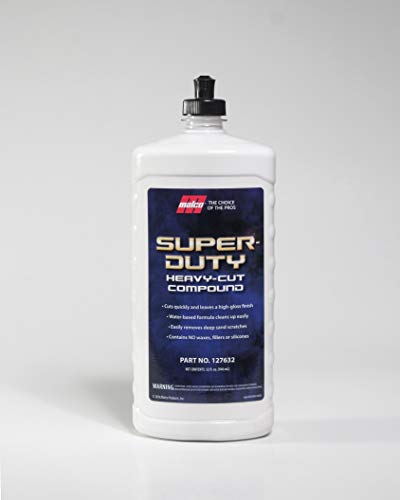
Malco Super Duty Heavy Cut Compound 32 oz

Meguiar’s Professional M110 Ultra Pro Speed Compound 32oz

Chemical Guys V32 Optical Grade Extreme Cutting Compound 4 oz

Carfidant Scratch and Swirl Remover with Pad and Towel
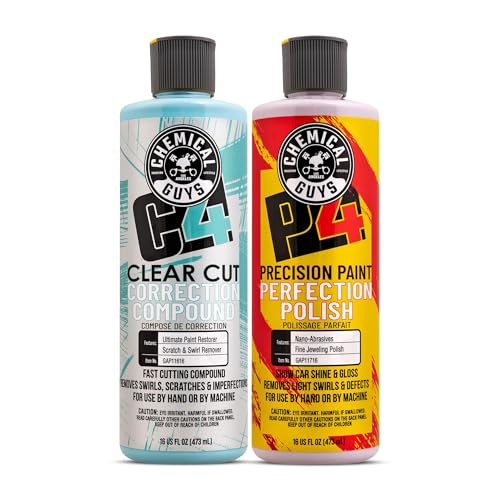
Chemical Guys C4 and P4 Paint Correction Kit 2 x 16 oz

Cordless Car Buffer Polisher Kit with 2x 21V Batteries

ABRO Rubbing Compound 10 oz

menzerna Super Finish Plus 3800 8 fl oz
More Details On Our Top Picks
Malco leans hard into correction work, so you’re looking at a compound for paint that needs real attention rather than a light cosmetic touch. The 32 oz bottle makes sense for repeated garage use, especially on larger vehicles or marine surfaces where heavy oxidation can eat through small bottles fast.
Compared with the lighter-finish focus of menzerna Super Finish Plus 3800, this one belongs at the rougher stage of the job. You may find it most useful on clear coat and gel coat that need a stronger first pass before refinement.
Strong Points
- Heavy-cut profile suits deeper correction work.
- Large 32 oz size supports repeated use.
- Works across automotive and marine surfaces.
- Fits the first step in a correction sequence.
Things To Consider
- It’s more aggressive than a finishing polish, so it belongs on defects that justify the cut.
- On a daily driver, you’ll usually still want a follow-up refinement stage.
- The larger bottle takes more shelf space than the compact Chemical Guys V32.
Feature Snapshot
Who It Suits Best
You’ll get the most from this pick if you handle older paint, boats, or trucks with visible oxidation and sanding marks.
A Better Fit Elsewhere
Meguiar’s Professional M110 Ultra Pro Speed Compound suits detail-focused users who want a faster-moving compound with a more polished end result.
Meguiar’s M110 sits in the professional lane, and the long work cycle matters more than the label suggests. That gives you breathing room on larger panels, where compounds can dry out too quickly and force extra passes.
Compared with Malco Super Duty, this one leans harder into fast correction and a glossier finish in the same stage. For body-shop style work or a weekend correction on a whole sedan, that balance is a real advantage, though it still asks for proper follow-up if the paint needs a perfect final sheen.
What We Like
- Built for faster defect removal.
- Longer working time helps on broad panels.
- Professional focus suits correction-heavy routines.
- Can leave a strong gloss before finishing polish.
- Large 32 oz size covers repeat jobs.
Points To Note
- Its strength can be more than you need for simple swirl cleanup.
- You’ll usually want a separate finish step after compounding.
- The pro-oriented profile makes it less casual than Carfidant’s kit.
Details At A Glance
Who Should Grab It
Detailers and serious hobbyists handling medium-to-heavy correction work will get the most from this formula.
Another Choice May Suit
ABRO Rubbing Compound 10 oz is the simpler route for older paint that needs a straightforward cut without a pro-level bottle size.
V32 is the compact, correction-heavy option in this group, which makes it a smart fit for spot work or a first bottle while you learn how a heavier compound behaves. The 4 oz size keeps the commitment small, yet the formula is aimed at deep scratches, swirls, and sanding marks rather than light cleanup.
Compared with the 32 oz bottles from Malco and Meguiar’s, this one is easier to store and easier to justify for occasional use. The trade-off is obvious, though, because you’re buying a smaller amount of a more aggressive product.
Bright Spots
- Small size is easy to store and handle.
- Heavy cut suits deeper correction jobs.
- Good fit for isolated problem areas.
- Works as a trial-size entry into stronger compounds.
Softer Spots
- The 4 oz bottle can run out quickly on larger vehicles.
- Its aggressive nature makes it less suitable for light maintenance work.
- You’ll likely need follow-up polishing for the cleanest finish.
Core Details
Made For
This suits occasional detail work, spot correction, and anyone who wants a smaller bottle before stepping into larger formats.
Where Another Pick Shines
Meguiar’s Professional M110 Ultra Pro Speed Compound is the better fit for larger panels and more frequent correction sessions.
Carfidant keeps things simple, and that matters more than flashy claims when you’re dealing with light scratches or swirl marks on a daily driver. The included pad and towel make the package feel more complete, so you’re not forced to assemble a separate starter kit.
Compared with the stronger standalone compounds above, this one is easier to approach for casual paint cleanup. The honest read is that it fits lighter blemishes best, so deeper marks usually belong to a heavier compound such as Malco Super Duty or Meguiar’s M110.
Upsides
- Includes pad and towel for a more complete kit.
- Good starting point for light scratches and swirls.
- More approachable than aggressive correction compounds.
- Works well for regular touch-up maintenance.
Minor Gripes
- Deep scratches are outside its comfort zone.
- You may still need a stronger compound for neglected paint.
- Accessory kits add convenience, but they also mean a bit more cleanup after use.
Technical Sheet
Right Fit For
Newer hobbyists and casual garage detailers will appreciate the low-friction setup and lighter correction focus.
Reach For A Different Pick When
Chemical Guys C4 and P4 Paint Correction Kit is the smarter move for a two-step approach on more worn paint.
C4 and P4 make a clear case for two-step correction, which is exactly why this kit stands apart from single-bottle compounds. You start with the cutting stage, then move into refinement for gloss and clarity, so the process fits paint that needs both correction and cleanup.
That setup suits weekend detailers working on a car that has towel marks, swirls, and general dullness all at once. Compared with Carfidant’s simpler kit, this one asks for more patience, but it gives you a more complete correction path.
Reasons To Buy
- Two-stage system covers cutting and refinement.
- Helpful for restoring clarity on worn paint.
- Each bottle is 16 oz, which feels practical for home use.
- Better fit for paint that needs more than a quick touch-up.
Areas To Watch
- It takes more time than a single compound.
- Results depend on using the stages in the right order.
- The kit format is more involved than ABRO’s single-bottle approach.
Feature Rundown
Best Suited To
This belongs with home detailers who want a more complete correction routine without moving into pro-shop territory.
Skip It When
Meguiar’s Professional M110 Ultra Pro Speed Compound is the simpler choice for users who want a single, fast-moving compound step.
The cordless layout changes the experience more than a spec sheet suggests, because a random orbital polisher without a cord is easier to move around curved panels and tight garage spaces. The LED display and six-speed control also give you more visibility into how the tool is set up, which helps beginners and careful hobbyists alike.
Compared with compound-only picks like ABRO or Malco, this is the tool layer of the job rather than the chemical layer. You may find it especially useful on long detailing sessions, since the kit includes two 21V batteries and 18 pads, though that also means you’ll want a tidy storage spot for the extra pieces.
Highlights
- Cordless design reduces cable clutter.
- Random orbital motion helps keep movement controlled.
- Six speed settings support different paint tasks.
- LED display adds clear status feedback.
- Two batteries support longer work sessions.
Room For Improvement
- The kit has more parts to store and keep track of.
- Battery-based tools need charging discipline before longer jobs.
- It’s not a compound, so you still need the right polishing liquid.
Core Details
Built With In Mind
This is a strong fit for garage detailers who want cordless freedom and a more guided setup.
Swap It Out When
Chemical Guys C4 and P4 Paint Correction Kit makes more sense for someone who already has a polisher and only needs the compounds.
ABRO is the no-nonsense choice in this group, aimed at dull paint that needs a firmer cut before waxing. The 10 oz bottle is a sensible middle ground for owners who want something more focused than a tiny sample but less committed than a large pro bottle.
Compared with Meguiar’s M110, this one feels more straightforward and less specialized, which can be a plus in a home garage. It also suits hand use or machine use, so you can pair it with the tool you already own rather than buying around the compound.
Best Bits
- Targets oxidized and weathered paint directly.
- Useful before a wax or polish step.
- Works by hand or machine.
- 10 oz size fits home-detailing needs well.
Small Caveats
- It’s designed for correction, so it isn’t the final appearance step.
- Older paint may need more than one stage of work.
- The simpler bottle format means you supply the rest of the setup.
Feature Card
The Right Fit
This works well for home owners restoring faded paint, especially where the job starts with oxidation and ends with wax.
Look Elsewhere When
menzerna Super Finish Plus 3800 is the better call for finishing work where gloss and final clarity matter more than cut.
menzerna Super Finish Plus 3800 belongs near the end of a correction process, not at the rough start. The focus is on deep gloss and a cleaner mirror-style finish, which suits darker paint and final refinement after a compound has already done the heavy lifting.
Compared with Malco, ABRO, or even Chemical Guys V32, this one is about the last pass, not the hardest cut. That makes it a strong choice for detailers who care more about clarity and finish quality than sheer correction force, though the smaller 8 fl oz size suits focused work better than large projects.
What We Like
- Finish-focused formula suits final polishing.
- Useful for micro scratches and hologram cleanup.
- Silicone-free formula appeals to careful finish work.
- Works well on cars and SUVs.
Honest Caveats
- It is a finisher, so it won’t replace a stronger compound.
- The 8 fl oz bottle is best for selective or final-stage use.
- You need a corrected surface first for the best payoff.
At A Glance
Whose Shelf It Belongs On
This is a smart match for detail-oriented owners who already have correction steps covered and want a better finish pass.
Where A Sibling Pick Shines
Chemical Guys V32 Optical Grade Extreme Cutting Compound is the better fit for deeper scratches that need more aggressive removal first.
How To Choose The Right Car Buffing Compounds
Match Cut Level To Paint Condition
The first choice is cut level, which means how aggressively a compound removes defects. Heavy-cut formulas help with oxidation, sanding marks, and deeper swirls, while finishing polishes are for haze, micro scratches, and gloss recovery. A stronger compound can speed correction, but it also raises the risk of removing more material than a lighter step would need.
Choose The Format That Fits Your Routine
Single-bottle compounds suit straightforward jobs, especially on a daily driver that only needs a cleanup before wax. Kits with separate cut and polish stages work better for neglected paint, because they separate correction from refinement. Cordless polishers, like the Niusken kit, change the experience again by reducing cord drag, though they add batteries, charging, and storage into the mix.
Check The Surface And Tool Pairing
Not every compound suits every finish in the same way. Clear coat, gel coat, and older oxidized paint all react differently, so the product page should line up with the surface you actually have. Hand use can work for light cleanup, but larger panels and deeper correction usually benefit from a random orbital or dual-action polisher, which spreads effort more evenly.
Think About Bottle Size And Job Frequency
Smaller bottles make sense for spot repair or occasional use, while 16 oz and 32 oz sizes fit repeated work on multiple vehicles. That trade-off is simple, more product means more shelf space, but it also means less chance of running short midway through a full correction. For a weekend enthusiast, the right size often comes down to how many panels you expect to cover in a month.
What To Weigh Before You Spend Up
Wrong Turns To Avoid
Many shoppers pick an aggressive compound for a minor swirl problem, then wonder why the finish still needs a second pass. Another common miss is ignoring the tool requirement and buying a correction liquid without the pad, towel, or polisher to use it well. Size matters too, because a small bottle can feel economical until a full-vehicle job drains it quickly.
Accessory kits help, but they also add more parts to clean and store after the job. That’s not a flaw, just the real cost of convenience. A compact bottle like Chemical Guys V32 can be easier to manage than a larger correction kit, while a package like Carfidant suits someone who wants fewer separate purchases.
Why Top Tier Costs More
Higher-tier options usually cost more because they give you more control, more product, or a more complete process. A two-step set such as Chemical Guys C4 and P4 includes both cutting and refinement, while a cordless buffer adds batteries, speed control, and a full accessory bundle. You’re paying for range and convenience, not just liquid in a bottle.
That upgrade makes sense for frequent detail work, larger vehicles, or paint that has both defects and gloss loss. For a single touch-up on a commuter car, a simpler bottle such as ABRO often makes more sense. The better choice is the one that fits the amount of correction you actually need.
Final Thoughts
The right compound depends on whether you’re cutting, refining, or both. Malco, Meguiar’s, and Chemical Guys V32 cover the stronger end, while menzerna is the cleaner finish step and Carfidant keeps things approachable for lighter blemishes. If you want the least hassle, start with the problem on your paint, then match the bottle, the kit, and the tool to that job. That path usually saves more time than chasing the flashiest label.
