

You want the right buffer for your car without guessing through a wall of nearly similar listings. Some picks are built for heavy correction, others suit wax, finish work, or compact touch-up jobs around trim and tight panels. The right match depends on power source, pad size, speed control, and how much control you want in your hands.
Quick Look At The Shortlist

SPTA 7 Inch 180mm Rotary Polisher
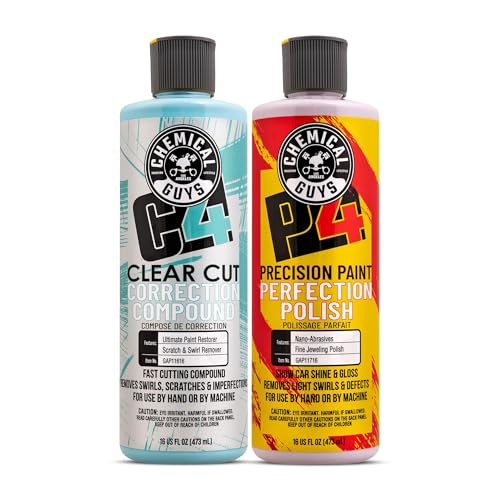
Chemical Guys C4 & P4 Paint Correction Kit
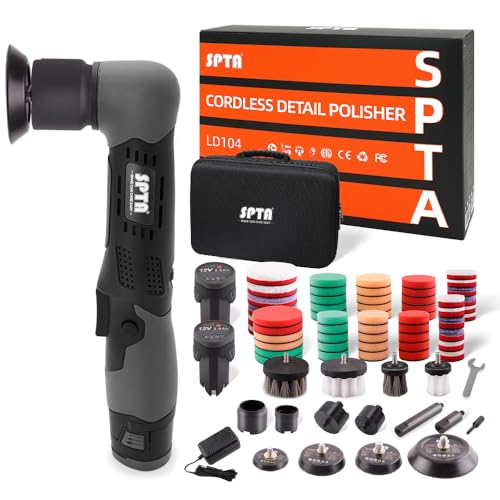
SPTA Cordless Mini Polisher 12V
GEARLASSO 8-Speed Cordless Car Polisher

SPTA Cordless Car Buffer Polisher 2 Batteries

CRAFTSMAN 10 Inch Corded Polisher CMEE100

SIQUK 23 Pieces 6 Inch Buffing Pads Kit

VERVEWAVE Cordless Buffer Polisher Kit for Milwaukee 18V/M18
More Details On Our Top Picks
A 7-inch rotary head puts this SPTA in the heavier work lane, so it suits larger panels and more aggressive correction jobs. The 1200W motor and 500 to 3000 rpm range point toward a machine that gives you room to adjust from slower finishing passes to faster defect removal.
The trade-off is control, because a rotary polisher asks for a steadier hand than a smaller dual-action tool. For driveway detail work on older paint or a project car, that extra reach is useful, and the included pads mean you can start without building a separate kit from scratch.
Strong Points
- Large 180mm pad coverage speeds up broad-panel work.
- Variable speed control helps you match the job.
- Side handle and D-handle options support different grips.
- All ball-bearing construction suggests better long-term durability.
Things To Consider
- Rotary motion demands more attention on thin edges and body lines.
- 7-inch size feels less nimble in tight spaces.
- Pad and machine cleanup matter after compound-heavy sessions.
Feature Snapshot
Who It Suits Best
You fit this pick best when you handle full-panel polishing, driveway correction, or weekend restoration on a vehicle with plenty of open paint.
Where A Sibling Pick Shines
SPTA Cordless Mini Polisher 12V is the better fit for emblem work, trim edges, and other small spots where the 7-inch head feels oversized.
This kit stands apart from the machine-heavy picks because it focuses on paint chemistry, not hardware. C4 handles defect removal and P4 finishes the surface, so you get a two-step path that suits a car with swirls, light scratches, or towel marks that need a cleaner visual finish.
For a weekend detailer, that separation of jobs matters more than it sounds, since compounding and refining are not the same task. The honest read is that it rewards patience, and it makes the most sense when you already have, or plan to use, a machine polisher rather than chasing hand-only results.
What We Like
- Two-step workflow separates correction from refinement.
- Works toward clearer paint before final gloss work.
- Liquid format stores neatly on a shelf or cart.
- Useful for clear-coat maintenance on everyday vehicles.
Small Caveats
- Results depend on pairing it with proper pads and technique.
- Compound and polish add a learning curve for first-time use.
- Needs careful cleanup around trim, emblems, and textured plastic.
Core Details
Who Will Love This
You fit this kit best when you already own a polisher and want a clearer path from defect removal to a refined surface.
A Better Fit Elsewhere
SPTA 7 Inch 180mm Rotary Polisher suits you more when the job calls for a machine that does the correction work itself rather than a liquid-only kit.
Small detailing tools solve a different problem than the bigger SPTA rotary, and this one is built for that narrow work. The 25 mm, 50 mm, and 80 mm backing plates help you work around badges, mirror caps, curves, and body lines where a full-size machine feels clumsy.
The cordless 12V layout makes it easier to move around the car without managing a cord, which helps in a cramped garage or a driveway with limited outlets. You may find it most useful as a precision sidekick rather than your only polisher, since the compact format is about access more than speed.
Positives
- Mini size reaches around tight contours and trim.
- Multiple backing plate sizes expand its use range.
- Cordless setup keeps movement simple around the vehicle.
- Low-noise, lightweight format suits longer touch-up sessions.
Areas To Watch
- Compact tools are slower on broad hoods and roofs.
- Battery-based use adds charging and storage planning.
- Best results come from careful pad matching on delicate surfaces.
At A Glance
Built With In Mind
You suit this pick best when your work centers on emblems, pillars, mirrors, and other compact paint areas that need a lighter touch.
Another Choice May Suit
GEARLASSO 8-Speed Cordless Car Polisher fits better for larger panels, since its broader speed range and 6-inch format suit larger correction passes.
Speed range is the headline here, and the GEARLASSO gives you eight steps from 2800 to 6000 rpm, which is a useful spread for jobs that move from wax to more serious correction. Compared with the slower-feeling mini tool above, this one is aimed at broader body panels and more decisive material removal.
Two 21V 2000mAh batteries also matter in real ownership terms, because cordless tools are only useful when they stay ready. The included 17-piece kit adds practical value for a garage detailer who wants a starter set without assembling pads and accessories one piece at a time.
Highlights
- Eight-speed control gives you a wide working range.
- Dual batteries help keep the tool in rotation.
- Random orbital motion suits finish work with less visible patterning.
- Accessory kit covers common detailing tasks out of the box.
- Works across car, boat, RV, and motorcycle use cases.
Points To Note
- Larger cordless kits need organized charging and storage space.
- Wide speed range still asks for careful pad selection.
- Heavier setups can feel more tiring during long sessions.
Details At A Glance
Who Should Grab It
You fit this model well when you want a cordless buffer with a broad speed range and enough accessory support for mixed garage use.
Swap It Out When
SPTA Cordless Mini Polisher 12V is the cleaner fit for badge work and narrow trim, where this larger machine feels like more tool than you need.
The brushless motor is the main reason this SPTA stands apart, because brushless designs typically reduce internal wear compared with brushed motors and often run with less noise. Paired with two 12V lithium batteries, it suits driveway waxing and maintenance passes where you want cordless freedom without a tiny form factor.
Its 1 to 6 speed range and 2500 to 5000 rpm span make sense for waxes, sealants, and glazes, which are less demanding than heavy correction compounds. Compared with the GEARLASSO, it feels a little more focused on lighter finishing work, and that may suit you better if your paint upkeep is routine rather than restorative.
Best Bits
- Brushless motor layout supports smoother long-term use.
- Two batteries reduce downtime between sessions.
- Variable speed suits wax and sealant application.
- Cordless format keeps the workflow uncluttered.
Room For Improvement
- Compact battery tools still need regular charging discipline.
- Light-duty focus makes it less suited to harder correction jobs.
- Large pads and long sessions can add hand fatigue.
Feature Rundown
Best Suited To
You fit this pick best when you want a cordless polisher for wax, sealant, and routine gloss upkeep rather than heavy paint correction.
Look Elsewhere When
SPTA 7 Inch 180mm Rotary Polisher is the better route for larger correction work, since it brings more head size and a more aggressive rotary setup.
CORDLESS tools get a lot of attention, but a corded machine still has a very practical appeal in a home garage. This CRAFTSMAN keeps things straightforward with 2800 OPM, which stands for oscillations per minute, and that kind of steady output suits you when the outlet is close and the job stays on one vehicle.
The wheel-style handle with overmolded grips should feel familiar in hand, and the variable speed dial gives you more control than a fixed-speed buffer. You may not love the cord management, though the trade-off is less worry about battery charge and more consistent runtime for longer sessions.
Upsides
- Corded power removes battery monitoring from the equation.
- 2800 OPM suits broad, steady polishing passes.
- Overmolded grips support a more secure hold.
- Variable speed adds control across different finishes.
Minor Gripes
- Cord handling can get awkward around full-size vehicles.
- 10-inch format feels less nimble around mirrors and trim.
- Best suited to garage access rather than remote work.
Key Specs
Made For
You fit this model best when you stay near a garage outlet and want a simple, dependable machine for larger body panels.
Reach For A Different Pick When
VERVEWAVE Cordless Buffer Polisher Kit for Milwaukee 18V/M18 suits you more when cord-free movement matters and you already own the right battery platform.
Accessories often matter as much as the polisher itself, and this SIQUK kit is built around coverage rather than a single machine. The mix of foam pads, wool, microfiber bonnets, non-woven fabric pads, a hook-and-loop pad, and a drill adapter gives you a flexible setup for polishing, waxing, and surface finishing.
That breadth helps in a busy garage where one set has to serve several jobs, though it also means you still need to match the right attachment to the paint task. For drill-based detailing, this feels like a practical add-on, especially when you want to refresh your existing tool without buying a full buffer.
Reasons To Buy
- 23-piece assortment covers several polishing and waxing tasks.
- Foam pads come in flat and wave shapes.
- Includes a drill adapter for tool reuse.
- Multiple bonnet and pad types expand versatility.
Honest Caveats
- Accessory sets depend on the drill or machine you already own.
- More pieces mean more sorting and storage after use.
- Matching pad softness to the job still takes care.
Feature Card
Whose Shelf It Belongs On
You fit this kit best when you already own a compatible drill or backing setup and want more pad options without stepping up to a full machine.
Skip It When
SPTA Cordless Car Buffer Polisher 2 Batteries suits you better when you want an all-in-one powered tool instead of a pad-only accessory set.
Tool-platform compatibility is the whole story here, and that can be a smart move for you if your Milwaukee 18V or M18 batteries already live in the garage. The 6-inch orbital format and 1800 to 5500 rpm range place it between a compact detail tool and a larger correction machine, which keeps it versatile for polishing and waxing.
The catch is simple, it ships as a tool only, so the value shows up mainly when you already own the battery system it needs. For that kind of setup, the 17 accessories make it feel complete enough for regular car care without duplicating the chargers and batteries you already manage.
Standout Traits
- Milwaukee battery compatibility can simplify your garage setup.
- Orbital action suits a more forgiving polishing style.
- Six speed levels cover a useful working range.
- Seventeen accessories add immediate task coverage.
Areas To Watch
- Tool-only packaging means you need compatible batteries already.
- Battery-platform tools make sense only within that ecosystem.
- 6-inch size is versatile, though not as compact as a mini unit.
Technical Sheet
The Right Fit
You fit this model best when you already use Milwaukee batteries and want a cordless buffer that slots into an existing tool ecosystem.
Where Shoppers Go Wrong
CRAFTSMAN 10 Inch Corded Polisher CMEE100 makes more sense for a garage that favors steady plugged-in runtime over battery-platform matching.
How To Choose The Right Buffers For Car
Match Power To Paint Work
Rotary polishers move aggressively and suit correction jobs that need stronger material removal. Orbital and mini tools feel calmer in hand, which matters more for wax, gloss, and trim work than for heavy defect removal. A 7-inch head like the SPTA rotary favors broad panels, while a 6-inch or mini format gives you more control near edges and emblems.
Corded models fit long garage sessions because they keep running as long as the outlet does. Cordless versions matter more when you detail in a driveway, at a storage unit, or anywhere cord drag gets annoying. The right power style depends less on hype and more on how often you move around the car.
Think In Terms Of Pads And Speed
Pad size changes the feel of the tool as much as motor power does. Bigger pads cover more paint with each pass, which helps on doors and hoods, while smaller pads make tighter work easier around mirrors, badges, and creases.
Speed control matters because polishers often move across several jobs, not just one. Lower settings suit spreading wax or sealant, while higher ranges help with correction compounds and finishing passes. A broad range is useful, but only when the tool also feels steady enough for the speed you choose.
Look At Ownership, Not Just Output
Battery count, included pads, handle shape, and accessory kits all affect how the tool fits into daily use. Two batteries reduce idle time. A side handle or overmolded grip can make longer sessions less tiring, especially on heavier machines.
Cleaning and storage matter too, because polishing residue builds up quickly on pads and bonnets. A kit with several attachments is handy, but it asks for a little more organization afterward. That small trade-off is worth it for anyone who wants a ready-to-use setup instead of piecing things together later.
A Quick Reality Check
Mistakes Worth Dodging
Many people choose the wrong buffer by focusing on speed numbers alone. Pad size, motion type, and control shape the result just as much. A high rpm range does not automatically make a tool better for your garage.
Another common miss is buying a powered tool when the real need is accessories. SIQUK’s pad kit is useful, but it only helps when you already have the right drill or buffer. Matching the product to your current setup saves you from duplicate gear.
What The Higher Tier Buys
More expensive polishers usually bring better motor design, stronger battery setups, and more included accessories. Brushless motors tend to reduce internal wear points, and dual batteries help keep you working without waiting on a recharge. That extra money often goes toward consistency, not flash.
You feel the upgrade most when you detail often or handle multiple vehicles. A stronger machine also helps when you want one tool to move from wax to correction, though the added weight and complexity can be unnecessary for occasional touch-ups. For occasional use, a simpler corded or compact tool often makes more sense.
Closing Thoughts
You have a solid spread here, from heavy correction tools to compact finishers and accessory-only kits. The right choice depends on how much paint you cover, how often you detail, and whether your garage favors cords, batteries, or a battery platform you already own. SPTA and GEARLASSO cover the powered side well, while Chemical Guys and SIQUK solve very different problems. Match the tool to the job you actually do, and the rest gets easier.
