

You want a battery that matches your car’s tray, terminal layout, and starting needs without turning a routine swap into a headache. That matters even more for vehicles with start-stop systems, auxiliary electronics, or tight engine bays, where the wrong group size can waste time fast. This roundup keeps the focus on AGM choices, from compact auxiliary units to higher-capacity main batteries, so you can sort out fit, reserve capacity, and cold-weather starting with less guesswork.
The Shortlist At A Glance
ACDelco Gold AUX14-200 (88866185) Auxiliary AGM Battery

ACDelco Gold 94RAGM (88864542) AGM Group 94R Battery
ACDelco Gold 48AGM (88864541) AGM Group 48 Battery
Goodyear 47-H5-AGM Group 47 Battery

Goodyear AUX14-AGM Group 400 Auxiliary Battery

Goodyear 35-AGM Group 35 Battery
Platinum AGM Group 47 H5 Start-Stop Battery

Weize Platinum AGM Battery Group 48 H6

Weize Platinum AGM Battery Group 35
More Details On Our Top Picks
AUX batteries like this matter most in vehicles that use a separate support battery for electronics, so the fit is more specific than a standard main battery swap. The AGM build, meaning absorbent glass mat with the electrolyte held in fiberglass separators, suits cramped installs where spill resistance and low upkeep matter.
You may find this a neat solution for a commuter car with tighter under-hood packaging, especially when the replacement point calls for AUX14 sizing rather than a larger tray. It’s not the broadest fit in this roundup, and that’s exactly the point, it stays focused on a narrower job.
Strong Points
- AGM construction suits auxiliary-duty use without asking much in day-to-day upkeep.
- 200 CCA gives you a clear starting-power reference for the intended application.
- The compact auxiliary format helps in vehicles with separate support-battery layouts.
- ACDelco’s Gold line usually appeals to shoppers who want OE-style fit and form cues.
Things To Consider
- It’s not the right match for a main starting battery in most cars.
- The smaller size means you need to verify the exact tray and terminal layout.
- Auxiliary batteries can be harder to identify than standard replacements, so a part-number check helps.
Feature Snapshot
Who It Suits Best
Drivers replacing a dedicated auxiliary battery in a vehicle with a separate support-battery slot get the cleanest match here.
Where A Sibling Pick Shines
ACDelco Gold 94RAGM is the better fit for shoppers who need a full-size AGM main battery rather than a compact auxiliary unit.
Group 94R batteries sit in the sweet spot for many late-model vehicles that want a proper AGM main battery with start-stop compatibility in mind. Compared with the auxiliary AUX14 above, this one is built for the primary engine-start role, so the job is broader and the fit check matters more.
For daily driving, especially in cars that cycle accessories often at traffic lights, the AGM format is a strong match because it’s designed to handle repeated charging. The honest read is that the size and terminal layout must line up cleanly, but once they do, this is a sensible, no-fuss replacement path.
What We Like
- Group 94R sizing makes it relevant to a wide slice of modern vehicles.
- AGM construction fits start-stop systems better than a basic flooded battery.
- The battery style is well suited to frequent starts and accessory use.
- ACDelco’s professional line is a comfortable choice for OE-style replacements.
Worth Noting
- Reverse-terminal layouts can catch people out, so a careful part match helps.
- Not every car with a 94R tray uses the same hold-down setup.
- It’s a main battery, not a smaller support unit, so space checks matter.
Core Details
Made For
Drivers with a vehicle that specifically calls for a Group 94R AGM battery will get the clearest fit here.
A Better Fit Elsewhere
Goodyear 47-H5-AGM makes more sense for shoppers who want a similar AGM setup but a different Group 47 profile.
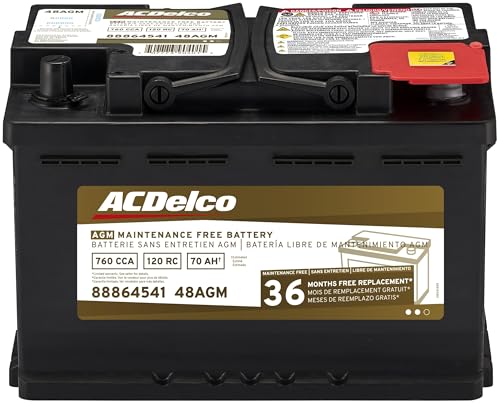
Group 48 is a familiar size for many midsize cars, and that makes this ACDelco a practical route when you want a mainstream AGM replacement without jumping into a more specialized setup. Compared with the 94R above, the appeal here is simpler fitment for a lot of everyday sedans and crossovers.
The trade-off is straightforward, you still need to match the group size and terminal pattern, but the battery class itself is easy to understand. For commuting, school runs, and ordinary errands, that kind of clarity is worth a lot.
Highlights
- Group 48 sizing covers a common replacement category.
- AGM design fits vehicles that ask for steadier cycling behavior.
- It’s a sensible middle-ground choice for daily driving routines.
- ACDelco’s Gold labeling usually signals a more refined replacement tier.
Minor Gripes
- You still need to verify tray dimensions before ordering.
- Nothing about the listing suggests it’s meant for unusual custom installs.
Feature Rundown
The Right Fit
Shoppers replacing a Group 48 battery in a commuter car will usually find the sizing and use case easy to line up.
Another Choice May Suit
Weize Platinum AGM Battery Group 48 H6 is a better match for drivers who want a higher reserve-capacity spec set.
Some batteries are built to be simple drop-in replacements, and this Goodyear leans a little more toward specification depth. You get 12V, 60Ah, 100RC, and 680 CCA, which means the listing speaks clearly to starting power, usable reserve, and day-to-day energy support.
That matters for drivers dealing with mixed weather or accessory-heavy commutes, because reserve capacity can help a car feel less strained during short-hop use. The multiple-position mounting note also adds flexibility, though upside-down mounting is off the table, so installation planning still counts.
Best Bits
- 680 CCA gives you a clear starting-power figure for the size class.
- 100RC adds useful reserve language for accessory-heavy driving.
- Multiple mounting positions help in vehicles with tighter layout choices.
- AGM construction keeps the upkeep side relatively straightforward.
- Goodyear’s Platinum series badge suggests a more spec-focused product.
Areas To Watch
- The fit still depends on matching Group 47 and terminal layout exactly.
- Multiple-position mounting does not include upside-down installation.
- It may feel like more battery than needed for very simple daily drivers.
Technical Sheet
Best Suited To
Drivers who want a Group 47 AGM battery with clear specs for commuting, mixed weather, and moderate accessory use fit this one well.
Look Elsewhere When
ACDelco Gold 48AGM suits a shopper who wants the same AGM idea in a more common Group 48 layout.
This AUX14 model is built for the smaller, support-battery side of car ownership, not the main starting role. Its 12V, 14Ah, 22RC, and 200 CCA specs make that role clear, especially in vehicles that keep a separate battery for electronics or system support.
Owners of cars with compact battery compartments may appreciate the flexible mounting note, as long as the fit check is precise. Compared with the larger Goodyear 47-H5-AGM, this one is much more specialized, and that specialization is exactly why it belongs on the shortlist.
Positives
- 200 CCA gives a useful starting reference for auxiliary use.
- 22RC helps frame how much reserve support the battery offers.
- The compact AUX format suits vehicles with separate support-battery layouts.
- Multiple-position mounting can help in awkward install spaces.
Small Caveats
- It’s not a substitute for a regular main battery.
- Auxiliary fitment can be easy to misread without checking the vehicle manual.
- The smaller capacity makes its role narrower than the full-size picks here.
At A Glance
Whose Shelf It Belongs On
Drivers replacing a dedicated auxiliary battery in a vehicle with a separate support-system slot will get the most direct fit.
Swap It Out When
Goodyear 35-AGM is the stronger choice for shoppers who need a full-size main battery in a standard Group 35 tray.
Group 35 is a common size for smaller sedans and many compact vehicles, so this Goodyear lands in a very useful middle lane. The 55Ah capacity, 100RC, and 650 CCA combination gives you enough detail to judge both starting power and reserve support without having to read between the lines.
That kind of clarity helps in daily use, especially for drivers who keep short trips, school runs, and urban stop-and-go on the calendar. The trade-off is simple, you still need to verify the tray depth and terminal position, but the size class itself is easy to work with.
Bright Spots
- Group 35 sizing is widely relevant for smaller vehicles.
- 650 CCA provides a solid starting-power figure for the class.
- 100RC adds useful reserve support language for daily driving.
- AGM construction keeps the maintenance burden low.
Points To Note
- Fitment still depends on matching the exact Group 35 dimensions.
- Terminal placement needs a careful check before you order.
- It won’t suit drivers who need a larger battery tray size.
Details At A Glance
Built With In Mind
Shoppers replacing a Group 35 battery in a compact daily driver will find the size and spec mix easy to understand.
Where A Sibling Pick Shines
Weize Platinum AGM Battery Group 35 is the better match for drivers who want a similar size with published dimensions in the listing.
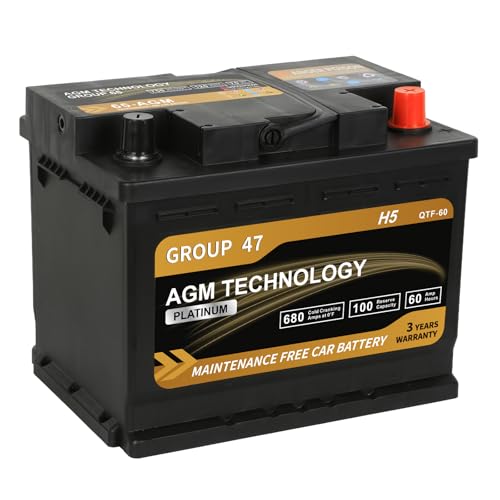
This one stands out for drivers whose vehicle asks for a start-stop AGM battery, because the listing spells out the core numbers cleanly. Group 47 H5, 12V, 60Ah, 680 CCA, and 100RC together make a strong case for a modern car that leans on repeated restarts and frequent accessory use.
Compared with the ACDelco Group 47 and Goodyear Group 47 options, the appeal here is that the battery is framed specifically around start-stop use. You may still want to double-check the tapered terminal layout against your original unit, but the rest of the fit story is nicely direct.
Reasons To Buy
- Start-stop labeling matches a common modern-car need.
- 680 CCA gives a strong cold-start benchmark for the class.
- 100RC offers helpful reserve information for short-trip driving.
- Group 47 H5 sizing keeps the replacement search focused.
Honest Caveats
- Terminal orientation should be checked carefully before ordering.
- The listing is focused on compatibility, so exact vehicle matching still matters.
- It’s a narrower fit than a more general-purpose replacement battery.
Quick Facts
Perfect Match For
Drivers with a start-stop vehicle that specifically calls for Group 47 H5 sizing will get the cleanest alignment here.
Skip It When
ACDelco Gold 94RAGM is a better fit for anyone whose vehicle calls for a different AGM group and terminal arrangement.
Among the full-size options here, this Weize leans hardest into reserve capacity and charging headroom. With Group 48 H6 sizing, 70Ah, 120RC, and 760CCA, it gives you a more aggressive spec sheet for vehicles that draw a bit more from the electrical system.
That can make sense for cars with more accessories, repeated short trips, or owners who prefer extra reserve margin on cold mornings. The longer body size is the first thing to check, though, because the 10.94-inch length is part of the fit story and not something you want to eyeball.
Best Bits
- 760 CCA is a strong starting figure for a mainstream AGM battery.
- 120RC gives you more reserve capacity than the 100RC choices here.
- 70Ah capacity suits vehicles with higher electrical demand.
- The published dimensions make fit checking more straightforward.
Areas To Watch
- The longer case means tray space needs careful measuring.
- Group 48 fitment still has to match the original vehicle spec.
- It can be more battery than a simple commuter car needs.
Feature Card
Right Fit
Drivers with a Group 48 H6 tray who want a more capable AGM battery for accessory-heavy use will get the most from this one.
Another Choice May Suit
ACDelco Gold 48AGM is a cleaner fit for shoppers who want the same general size class in a simpler, more familiar package.
Group 35 batteries are a familiar sight in compact and midsize cars, and this Weize keeps the sizing conversation clear with published dimensions. The 55Ah capacity, 100RC, and 650CCA figures make it easy to compare against the Goodyear Group 35 above without guessing at the battery’s role.
For most standard commuters, that balance is the main attraction, because the battery promises enough reserve language without chasing oversized output. The trade-off is the same one that shows up in most replacement jobs, you’ll want to measure your tray and terminal placement before the old battery is out.
Bright Spots
- Published dimensions make compatibility checks simpler.
- Group 35 sizing works for many compact and midsize vehicles.
- 650 CCA is a useful starting benchmark for daily driving.
- 100RC gives you a practical reserve figure for comparison shopping.
Hidden Buying Traps
- Not every Group 35 vehicle shares the same hold-down setup.
- Terminal orientation still needs a close look before you order.
- The battery’s fit value depends on matching the original AGM spec.
Core Details
The Right Fit
Drivers replacing a Group 35 AGM battery in a compact or midsize car will find the form factor and specs easy to align.
Where A Sibling Pick Shines
Weize Platinum AGM Battery Group 48 H6 is the better move for shoppers whose vehicle needs the larger Group 48 footprint.
How To Choose The Right Car Replacement Battery
Start With Fit, Not Hype
The right replacement starts with the battery group size, terminal layout, and case dimensions. Those three details decide whether the battery sits properly in the tray and reaches the cables without strain. For a daily commuter, a correct fit matters more than a fancy spec sheet that doesn’t line up with the car.
AGM batteries are a good match for many modern vehicles because absorbent glass mat construction supports repeated charging and helps reduce maintenance. That matters in cars with stop-start systems, but it also helps in regular use where the battery sees a lot of short trips. The trade-off is cost and specificity, since AGM replacements usually reward careful matching.
Read The Numbers Like A Driver
Cold cranking amps, or CCA, tell you how much starting power the battery is built to provide. Reserve capacity, or RC, gives a sense of how long it can support accessories when the engine isn’t doing the work. Capacity in amp-hours, or Ah, helps you compare the battery’s stored energy class at a glance.
Those numbers matter most in real life during cold mornings, short errands, and heavy accessory use. A higher RC can feel more reassuring in traffic-heavy routines, while a stronger CCA rating matters more in colder regions. You do not need the biggest figure in every line, just the right balance for your vehicle and climate.
Match The Battery To Your Driving Pattern
Short-trip city driving puts more strain on the charging system than a steady highway routine. That makes reserve capacity and AGM design worth a closer look for commuters who stop and start all day. Drivers who leave accessories on often, like infotainment, phone charging, and cabin electronics, usually benefit from a battery with more breathing room.
Longer highway miles can be easier on the battery, but that doesn’t remove the need for proper sizing. A battery that fits well and matches the vehicle’s original spec tends to create fewer installation headaches later. The smoothest purchase is the one that behaves like the battery your car already expected.
Know Which Vehicles Need A More Specific Match
Some cars use a standard main battery, while others call for an auxiliary unit or a start-stop compatible AGM model. That difference is why the AUX14 picks above sit beside full-size Group 35, 47, 48, and 94R options. The wrong category can fit poorly even before you think about performance.
For vehicles with more electronics, multiple battery locations, or stop-start systems, careful compatibility checking pays off quickly. A side note worth keeping in mind, installation space can be tighter than it looks from the outside. Measuring first saves the kind of return that turns a simple job into a weekend detour.
Things Worth Knowing First
Mistakes Worth Dodging
One common slip is buying by voltage alone and ignoring group size, terminal position, and hold-down shape. Another is treating all AGM batteries as interchangeable, which they’re not. A compact auxiliary battery and a full-size starter battery may share the same chemistry but serve very different jobs.
It also helps to avoid guessing on dimensions. The case length and height can be the difference between a tidy install and a battery that nudges nearby parts. For most cars, the manual or the label on the old battery gives you the safest trail to follow.
What The Higher Tier Buys
More expensive AGM batteries usually bring stronger reserve capacity, higher CCA, larger case sizes, or more specific fit support. That extra money often goes into materials and performance headroom, not just a bigger label. You may find that worthwhile in a vehicle with heavier electrical demand or a tighter cold-weather routine.
The upgrade makes less sense for a simple car that already starts easily and spends most of its time on ordinary trips. In that case, the better move is a correct fit with sensible numbers, not the biggest spec line on the page. Paying more only helps when your driving pattern actually asks for it.
Final Thoughts
A good replacement battery should feel invisible once it’s installed, because the right one just fits, starts, and settles into the car’s routine. The ACDelco picks lean toward familiar OE-style replacements, while the Goodyear and Weize options give you more room to compare reserve capacity, CCA, and fit style. For your car, the smartest choice is the one that matches the tray and the way you actually drive. That’s the part worth getting right.
