

A Toyota charging system malfunction occurs when the electrical system fails to maintain the battery’s charge. This issue is significant for you as a vehicle owner because it can lead to serious problems. Ignoring this problem can result in loss of power, failure of safety systems, and even unexpected vehicle shutdowns. Addressing the issue promptly ensures your vehicle remains reliable and safe on the road.
Key Takeaways
Regularly check your battery and charging system to ensure they function properly.
Pay attention to dashboard warning lights, especially the battery light, as they indicate potential issues.
Inspect battery terminals for corrosion and loose connections to maintain a strong electrical flow.
Causes of Charging System Malfunction
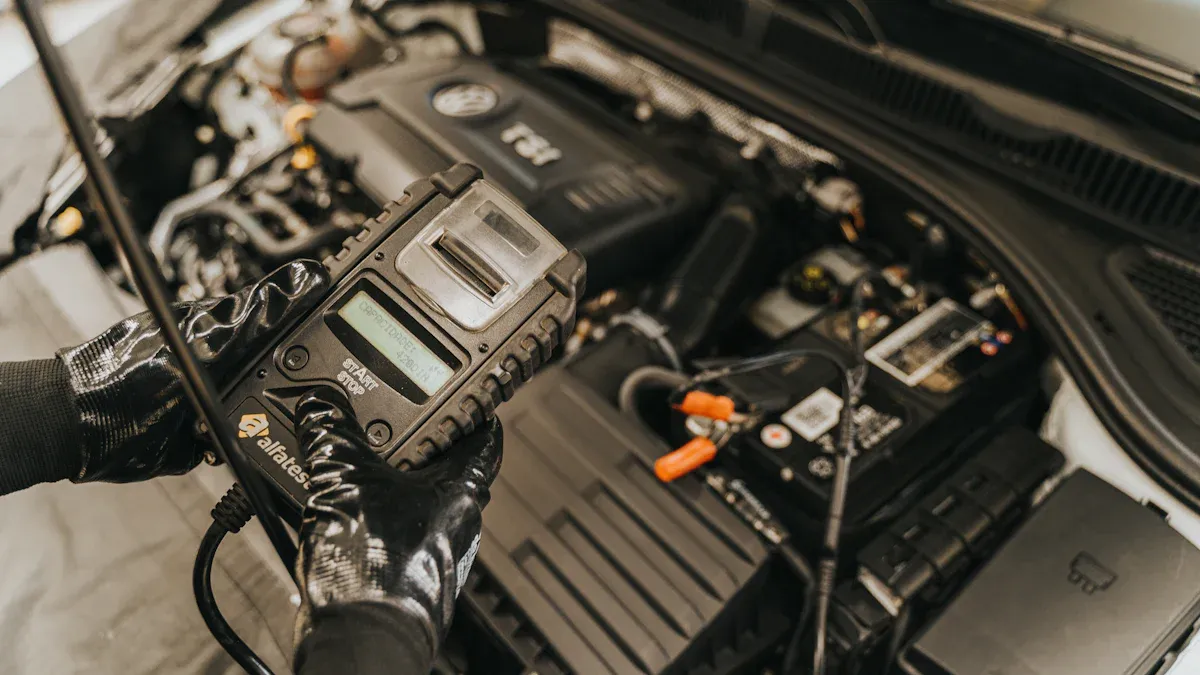
Understanding the causes of a charging system malfunction is crucial for maintaining your Toyota’s performance. Here are the primary culprits:
Faulty Alternator
A faulty alternator is one of the most common causes of a charging system malfunction. The alternator generates electricity to recharge the battery while the engine runs. If it fails, the battery will not receive the necessary charge. This can lead to several issues, including:
Dim or Flickering Lights: You may notice that your headlights or dashboard lights are not as bright as usual.
Battery Warning Light on the Dashboard: This light may illuminate, indicating potential alternator issues.
Strange Sounds or Smells: Grinding noises or burning smells can signal problems with the alternator.
Electrical Issues: Malfunctioning power windows or radio may occur due to insufficient power.
Problems Starting the Car: Difficulty starting your vehicle can indicate a failing alternator.
Dead Battery: Frequent battery failures may result from an inadequate alternator.
Worn Battery Wires
Worn battery wires can significantly impact the charging system. Corroded terminals or loose connections disrupt the flow of electricity. This can lead to several problems:
Poor contact reduces efficiency, making it harder for the battery to hold a charge.
Symptoms include slow engine cranking and dim headlights, indicating potential physical issues with the wiring.
Common causes of battery wire wear include:
Corrosion of battery terminals.
Sulfation from persistent undercharging.
Regular overcharging can help prevent sulfation and prolong battery life.
Defective Drive Belt
A defective drive belt can also lead to a charging system malfunction. The drive belt connects the alternator to the engine, allowing it to generate power. If the belt is worn or damaged, it may not turn the alternator effectively. This can result in:
A weak or dead battery, making your vehicle hard to start.
Dimming dashboard lights or headlights due to insufficient power.
A burning smell, which may suggest that the belt is slipping.
The average lifespan of a serpentine belt in Toyota vehicles is between 60,000 and 100,000 miles. Regular inspections can help you catch issues early.
By understanding these causes, you can take proactive steps to maintain your Toyota’s charging system and avoid potential malfunctions.
Symptoms of Charging System Malfunction
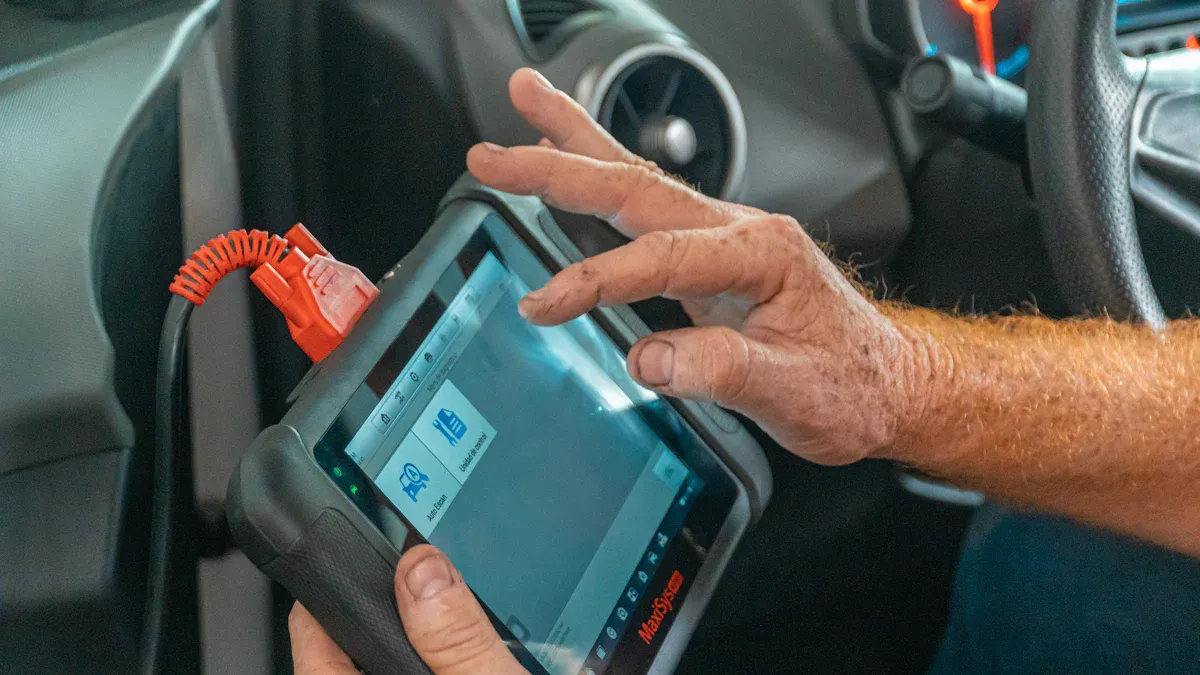
Dashboard Warning Lights
You may notice dashboard warning lights when your Toyota experiences a charging system malfunction. The red battery light is a key indicator. It signals that the charging system has an issue, which could involve the alternator, battery, or other components. Ignoring this warning can lead to severe problems, including complete vehicle shutdown. Always pay attention to these lights and seek diagnostics if they illuminate.
Dim or Bright Lights
Another symptom of a malfunction is the behavior of your vehicle’s lights. If you see dim or flickering headlights, this may indicate that the alternator is not providing enough power. A dim battery light can suggest a weak ground connection or issues with the alternator’s regulator. When the alternator operates correctly, the battery light should turn off, indicating normal function. If it remains dim, you might have a problem that needs immediate attention.
Starting Difficulties
Starting difficulties often relate to charging system malfunctions. If your vehicle struggles to start, it may indicate a defective battery or charging system. Users have reported that their cars failed to start due to underlying issues with the charging system. In some cases, dealerships found that the problem was hidden, leading to premature wear on the starter. If you experience starting issues, consider checking the battery and charging system first.
Implications of a Malfunction
Impact on Vehicle Performance
A malfunction in your Toyota’s charging system can severely impact overall vehicle performance. Here are some key effects you might experience:
Power Loss: A malfunctioning electrical charging system can lead to sudden power loss while driving. This can cause your vehicle to stall unexpectedly.
Wiring Issues: Problems with wiring can disrupt the entire charging system’s performance. You may notice that your vehicle’s electrical components start to fail.
Defective Alternator: If the alternator fails, it cannot power the battery. This can lead to potential vehicle failure, leaving you stranded.
Faulty Sensors: Malfunctioning sensors may cause the charging system error light to illuminate. This indicates issues that can affect your vehicle’s performance.
Safety Risks
Driving with a malfunctioning charging system poses significant safety risks. You should be aware of the following dangers:
Unexpected Shutdowns: A failing charging system can lead to unexpected vehicle shutdowns. This can happen while you are driving, putting you and others at risk.
Dimming Lights: If your headlights or dashboard lights dim, it may indicate insufficient power. This can reduce your visibility, especially at night.
Electrical Failures: Malfunctions can cause critical systems, such as brakes or steering, to fail. This can lead to dangerous situations on the road.
Long-term Damage
Ignoring a charging system malfunction can lead to long-term damage to your vehicle. Here are some potential consequences:
Fluctuating Voltage: Alternator or charging system problems can cause fluctuating voltage. You may notice flickering interior lights or battery warning lights.
Battery Issues: If you ignore the battery alert light, you risk allowing deterioration to progress. This can lead to a complete alternator failure.
Power Loss: Your vehicle may lose power entirely within thirty minutes to an hour if the problem persists. This can leave you stranded and require costly repairs.
Addressing charging system issues promptly helps prevent breakdowns and costly repairs. The average cost for a replacement Toyota alternator ranges from $70 to $480, with labor costs adding another $150 to $300. Investing in timely repairs can save you money and ensure your vehicle remains safe and reliable.
Solutions and Help
Troubleshooting Steps
If you suspect a charging system malfunction, you can take several troubleshooting steps to identify the problem. Here’s what you can do:
Check the Battery: Inspect the battery for any signs of corrosion or loose connections. Clean the terminals if necessary.
Test the Alternator: Start your vehicle and use a multimeter to check the voltage at the battery. It should read between 13.7 to 14.7 volts when the engine is running. If it’s lower, the alternator may be faulty.
Inspect the Drive Belt: Look for any signs of wear or damage on the drive belt. A worn belt can prevent the alternator from functioning properly.
Monitor Dashboard Lights: Pay attention to any warning lights on your dashboard. If the battery light stays illuminated, it indicates an issue that needs addressing.
When to Consult a Professional
You should consult a professional mechanic if you notice any of the following:
The charging system failure light is illuminated. This indicates a malfunction in the charging system.
You check the alternator and battery but still experience issues.
The battery discharges or fails repeatedly. In this case, you may need to replace the battery.
Taking these steps can help you diagnose the problem effectively. However, if you feel uncertain or overwhelmed, seeking professional diagnostics is always a wise choice.
In summary, addressing your Toyota’s charging system issues promptly is crucial for maintaining vehicle performance and safety. Regular checks, attention to warning lights, and proactive maintenance can prevent significant problems. Here are some key takeaways:
Monitor your battery and charging system regularly.
Pay attention to dashboard warning lights.
Inspect battery terminals for corrosion.
Schedule professional inspections to catch issues early.
Taking these steps will help you keep your vehicle running smoothly and avoid costly repairs.
