Preventing AFM lifter failure is crucial for maintaining your vehicle’s performance. A failing lifter can lead to significant issues, including rough idling and power loss. Repair costs can soar, with lifter replacement ranging from $1,000 to $2,500. This high expense emphasizes the need for you to stay alert to symptoms and perform proactive maintenance to prevent AFM lifter failure. Regular checks can save you from costly repairs and ensure a smoother driving experience.
Key Takeaways
Regular oil changes are crucial. Follow your vehicle’s recommendations to maintain proper lubrication and prevent lifter issues.
Use high-quality oil that meets your vehicle’s specifications. This choice reduces contamination and extends the life of AFM lifters.
Stay alert for symptoms like ticking noises and rough idling. Addressing these signs early can save you from costly repairs.
Adopt smoother driving habits. Avoid aggressive driving and allow your engine to warm up to reduce wear on lifters.
Consider using oil additives for extra protection. High-quality synthetic oils and specific additives can enhance lifter performance.
AFM Lifters Defined
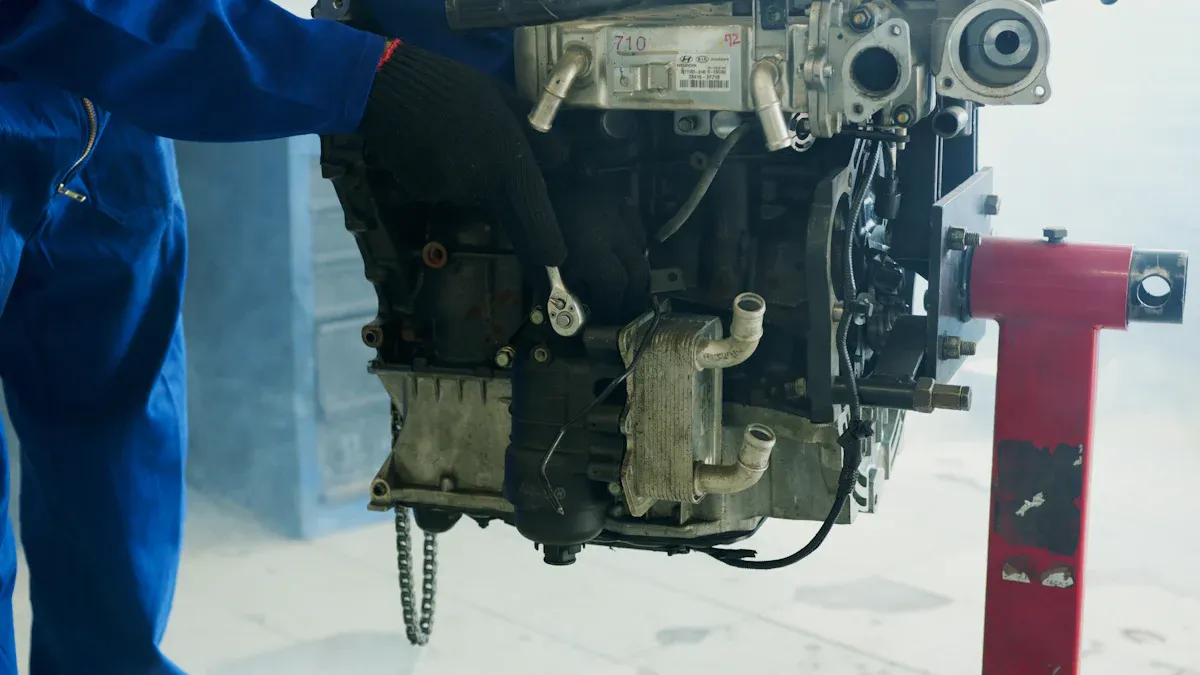
AFM lifters, or Active Fuel Management lifters, play a vital role in modern automotive engines. They help optimize engine performance by allowing certain cylinders to deactivate during light load conditions. This process enables a V8 engine to function as a V4, improving fuel efficiency. Here are some key functions of AFM lifters:
They facilitate Active Fuel Management (AFM) in engines.
They allow for the deactivation of specific cylinders during low load points.
They disengage the lifter at low load points in the camshaft’s cycle, optimizing engine performance.
Understanding AFM lifters is crucial for preventing engine damage. These lifters are essential for maintaining engine performance and efficiency. When AFM lifters fail, they can cause various issues, including misfires, rough idling, and even total engine failure. Ignoring signs of lifter problems can lead to severe engine damage and costly repairs.
By recognizing the importance of AFM lifters, you can take proactive steps to maintain your vehicle. Regular inspections and timely maintenance can help you avoid the pitfalls of lifter failure. Staying informed about how these components work will empower you to keep your engine running smoothly and efficiently.
Lifter Failure Symptoms
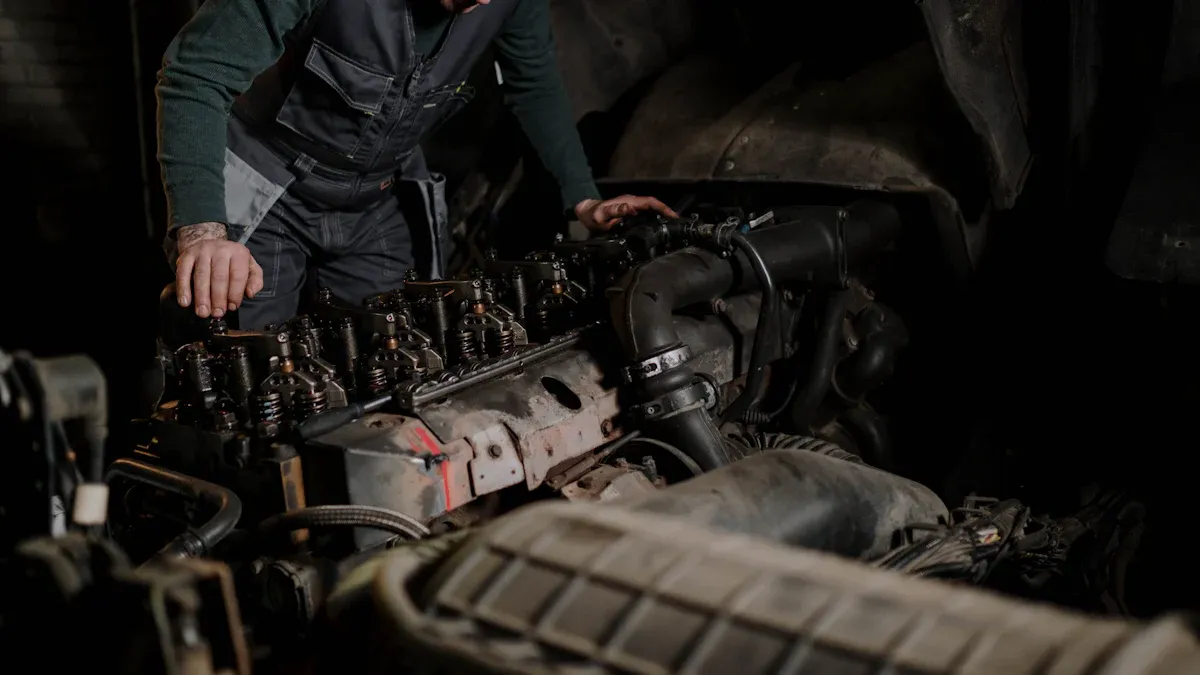
Recognizing the symptoms of lifter failure is essential for maintaining your vehicle’s performance. You can categorize these symptoms into early, advanced, and severe stages.
Early Symptoms
In the early stages of AFM lifter failure, you may notice several warning signs. These symptoms often indicate that something is wrong with your engine. Common early symptoms include:
Ticking noises: You might hear a persistent ticking sound, especially when the engine is idling. This noise often increases with RPM.
Rough idle: Your engine may not run smoothly at idle. You might feel vibrations or notice that the engine shakes.
Misfires: You may experience occasional misfires, which can lead to a rough driving experience.
Power loss: You might notice a decrease in power during acceleration or towing.
Oil burning: Increased oil consumption can signal that your lifters are struggling.
These early symptoms can escalate if you ignore them. For instance, a loud ticking noise or rough idle can worsen over time, leading to more significant issues.
Advanced Symptoms
As lifter failure progresses, you may encounter more advanced symptoms. These signs indicate that the problem is becoming serious. Look out for:
Check engine light: If this light activates, it often points to cylinder-specific codes related to lifter issues.
Increased oil use: You may find yourself adding oil more frequently than before.
Louder cold start noise: A noticeable increase in noise during cold starts can indicate lifter problems.
Shaking: Your vehicle may shake more noticeably, especially during acceleration.
Ignoring these advanced symptoms can lead to severe engine damage.
Severe Symptoms
In the most severe cases of AFM lifter failure, your vehicle may become unsafe to drive. Symptoms at this stage include:
Symptoms | Impact on Drivability and Safety |
|---|---|
Ticking or clicking noise | Indicates potential lifter failure, leading to engine issues. |
Misfires on AFM cylinders | Causes loss of power and can lead to unsafe driving conditions. |
Rough idle | Affects engine performance and can lead to further damage. |
Loss of power during acceleration | Reduces vehicle responsiveness, compromising safety. |
Metal shavings in oil | Suggests internal damage, risking complete engine failure. |
You may also notice abnormal engine noises, such as chirping or knocking. These sounds often accompany misfires and can lead to a check engine light activation. If you find metal shavings in your oil during changes, this is a serious red flag. It indicates significant internal damage that could lead to catastrophic engine failure.
By staying vigilant about these lifter failure symptoms, you can take action before the situation worsens. Regular maintenance and prompt attention to these signs can save you from costly repairs and ensure your vehicle remains safe and reliable.
Causes of AFM Lifter Failure
Understanding the causes of AFM lifter failure can help you take preventive measures. Several factors contribute to this issue, including oil quality, engine design, and your driving habits.
Oil Quality Issues
The quality of the oil you use plays a significant role in the health of your AFM lifters. Low-quality oil can lead to contamination and inadequate lubrication. This situation can cause lifters to wear out faster. Always choose high-quality oil that meets your vehicle’s specifications. Regular oil changes are essential to keep your engine clean and functioning well.
Engine Design Flaws
Some vehicles have inherent design flaws that can lead to AFM lifter failure. These flaws may include issues with the lifter and valvetrain components. While manufacturers often address these problems, not all vehicles receive recalls. For instance, there has not been a broad federal recall specifically tied to lifter failure allegations. The focus remains on design and manufacturing defects rather than dealer recall campaigns. This means you should stay informed about any potential issues with your vehicle’s design.
Driving Habits
Your driving habits can also impact the lifespan of your AFM lifters. Frequent short trips can prevent your engine from reaching optimal operating temperature. This situation can lead to increased wear on the lifters. Additionally, aggressive driving, such as rapid acceleration and hard braking, can put extra stress on your engine components. To promote lifter health, adopt smoother driving habits and allow your engine to warm up properly before driving aggressively.
By recognizing these causes, you can take proactive steps to maintain your AFM lifters. Regular maintenance, quality oil, and mindful driving can help you avoid costly repairs and keep your vehicle running smoothly.
Preventing AFM Lifter Failure
Maintenance Tips
To prevent AFM lifter failure, you must prioritize routine maintenance. Regular oil changes are essential for keeping your engine healthy. Here are some key maintenance tips:
Change your oil regularly: Follow the manufacturer’s recommendations for oil change intervals. This practice helps maintain proper lubrication and prevents buildup that can lead to issues.
Use high-quality oil: Choose oil that meets your vehicle’s specifications. High-quality oil reduces contamination and extends the life of AFM lifters.
Monitor oil levels: Check your oil levels frequently. Low oil can lead to inadequate lubrication, increasing the risk of lifter failure.
Listen for unusual noises: Pay attention to any ticking or tapping sounds when your engine is idling. These could be signs of bad hydraulic lifters.
By adhering to these maintenance tips, you can significantly reduce the risk of AFM lifter failure.
Using Additives
In addition to regular maintenance, using oil additives can enhance the performance and lifespan of your AFM lifters. Consider the following options:
High-quality synthetic oils: Brands like Mobil 1 are recommended for maintaining AFM lifters. These oils provide better protection and performance.
E.O.S. additive: Adding a small amount of E.O.S. to your synthetic oil can improve engine protection. This is particularly beneficial for LS engines that may require more zinc and phosphorous.
SeaFoam: This product can clean varnish and carbon deposits when used shortly before an oil change. While regular use of high-quality oil is usually sufficient, SeaFoam can provide an extra layer of protection.
Using these additives can help you maintain optimal engine performance and prevent AFM lifter failure.
AFM Delete Kits
AFM delete kits offer a way to eliminate the Active Fuel Management system altogether. While they can prevent AFM lifter failure, consider the potential drawbacks:
Repair costs: Repairing lifters that fail due to AFM can be extremely costly. Accessing these components requires significant labor, leading to repair bills that can reach thousands of dollars.
Lifter failure: Specialized lifters can become stuck, causing misfires and potential catastrophic engine damage.
Excessive oil consumption: AFM systems may lead to high oil consumption due to oil being forced past piston rings.
Driving experience: The transition between active and deactivated cylinders can cause noticeable shudders and disrupt power delivery.
While AFM delete kits can help prevent lifter failure, weigh the benefits against the potential complications. Regular diagnostic scanning can also help you monitor for AFM lifter issues. Listen for unusual noises, monitor fuel efficiency, and pay attention to performance issues like misfires or rough idling.
By taking these preventive measures, you can keep your vehicle running smoothly and avoid costly repairs related to AFM lifter failure.
Preventing AFM lifter failure is essential for your vehicle’s health. Regular maintenance, such as oil changes and using high-quality oil, can significantly reduce the risk of lifter issues.
Leaving bad lifters unchecked is like ignoring a small leak in your roof—it might not seem urgent, but sooner or later, it’s going to cause serious damage.
Stay alert for symptoms like ticking noises and rough idling. Addressing these signs early can save you from costly repairs. Remember, a proactive approach keeps your engine running smoothly and efficiently.
Misfires and friction can damage valves, pistons, and other critical engine parts.
Performance degradation can lead to a more expensive repair bill.
In extreme cases, lifter failure can result in total engine failure.
By staying vigilant, you can protect your investment and enjoy a reliable driving experience.
FAQ
What are the signs of AFM lifter failure?
You may notice ticking noises, rough idling, and misfires. These symptoms indicate that your AFM lifters may be failing and require immediate attention.
How can I prevent AFM lifter failure?
Regular maintenance is key. Change your oil frequently, use high-quality oil, and monitor your engine for unusual noises. These steps can help you avoid AFM lifter failure.
What causes AFM lifter failure?
Common causes include poor oil quality, engine design flaws, and aggressive driving habits. Each factor can contribute to the wear and tear of your lifters.
Is AFM lifter failure common in Chevy engines?
Yes, many Chevy engines with AFM systems experience lifter failure. Staying informed about symptoms and performing regular maintenance can help mitigate this issue.
Can I use additives to protect my AFM lifters?
Yes, using high-quality oil additives can enhance lubrication and protection for your AFM lifters. Consider options like synthetic oils or specific engine oil additives.