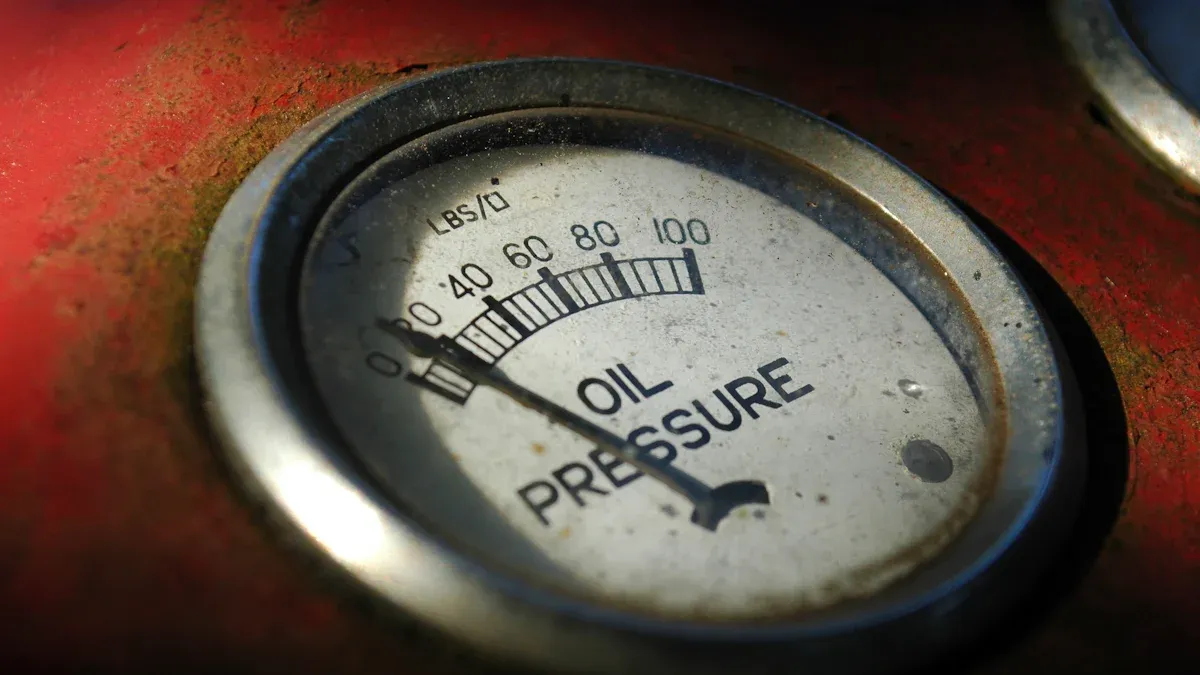
An oil pressure gauge plays a vital role in your vehicle’s engine health. It constantly checks the engine’s oil pressure to ensure it remains within a safe range. Proper oil pressure is crucial for lubrication, preventing damage, and maintaining engine efficiency. Fluctuating readings can indicate serious issues. For instance, a faulty sending unit may cause inaccurate readings. Addressing these fluctuations promptly is essential to protect your engine from potential harm.
Key Takeaways
Regularly check your oil levels to prevent fluctuations. Low oil can lead to engine damage.
Inspect the oil pressure sensor if you notice erratic gauge movements. A faulty sensor can give false readings.
Consider using a mechanical gauge for more reliable oil pressure readings. It connects directly to the oil system.
Perform regular oil changes to maintain engine health. This practice prevents serious issues and keeps your engine running smoothly.
Address any signs of oil pump problems immediately. Early repairs can restore normal oil pressure and protect your engine.
Causes of Fluctuating Oil Pressure
Fluctuating oil pressure can stem from several issues. Understanding these causes helps you maintain your vehicle’s engine health. Here are the most common reasons for fluctuating oil pressure:
Low Oil Level
A low oil level is one of the primary causes of fluctuating oil pressure. When your oil level drops, it can lead to insufficient lubrication. This situation can cause several problems:
Low oil pressure indicates insufficient oil or inadequate pressure to circulate oil to critical engine components.
Insufficient lubrication can lead to engine performance issues and potential damage.
Low oil levels can increase friction and overheating, leading to severe engine damage.
Regularly checking and topping up your oil can prevent these issues.
Oil Pump Issues
Your oil pump plays a crucial role in maintaining oil pressure. If it malfunctions, you may experience fluctuating readings. Here are some symptoms of oil pump problems:
Symptom | Description |
|---|---|
Low Oil Pressure | Warning light may appear; drop in oil pressure gauge readings; engine may feel sluggish. |
Engine Overheating | Increased friction leads to excessive heat; rising temperature gauge or overheating warnings. |
Unusual Engine Noises | Strange sounds like whining or ticking indicate insufficient oil flow. |
Increased Engine Wear | Insufficient lubrication causes faster wear; may notice loss of power or rough idling. |
Metallic Sounds from Pump | Grinding or clanking noises from the pump indicate serious internal damage. |
Check Engine Light | Malfunction can activate the check engine light, linked to oil pressure or lubrication issues. |
If you notice these symptoms, inspect your oil pump immediately.
Defective Oil Pressure Sensor
A defective oil pressure sensor can lead to erratic gauge movements. This issue can cause false warnings or complete sensor failure. Common signs of a faulty sensor include:
Erratic needle movement on the gauge.
Sudden drops to zero pressure readings.
Inconsistent gauge readings often indicate sensor failure.
Manufacturing defects, wear and tear, and contamination can contribute to these inaccuracies.
Clogged Oil Lines
Clogged oil lines can significantly restrict oil flow, leading to reduced oil pressure. Here are some signs that you may have clogged oil lines:
Illuminated Oil Pressure Warning Light: Indicates low oil pressure.
Unusual Engine Noise: Caused by metal components rubbing due to insufficient lubrication.
Engine Performance Issues: Can lead to hesitation and potential engine failure.
Decreased Oil Level: Frequent topping up may indicate low oil pressure.
Regularly changing the oil filter is crucial to prevent this issue. A clogged filter can restrict oil flow and lead to fluctuating pressure readings.
Electrical Problems
Electrical issues can also cause fluctuations in your oil pressure gauge. Here are some common electrical problems that may affect your readings:
Fluctuating voltage can impact the readings of the oil pressure gauge.
A dirty or loose connection between the oil pressure sensor and wiring can lead to inconsistent gauge readings, especially when the engine is idling and shaking.
A faulty voltage regulator in the alternator or dashboard electronics can also cause erratic behavior of the gauge.
Addressing these electrical issues promptly can help maintain accurate oil pressure readings.
Diagnosing Oil Pressure Gauge Issues
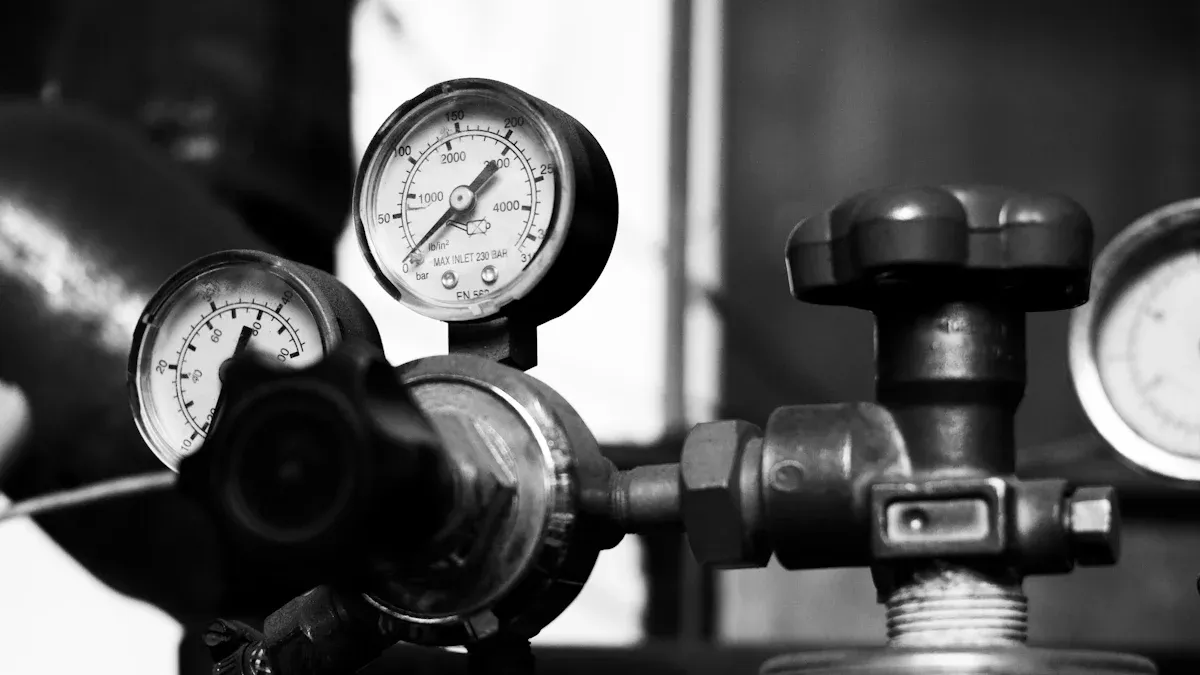
Diagnosing issues with your oil pressure gauge is essential for maintaining engine health. Here are some effective methods to identify problems:
Checking Oil Levels
Regularly checking your oil levels is crucial. Follow these steps for an accurate reading:
Park your vehicle on level ground and turn off the engine.
Wait a few minutes for the oil to settle in the oil pan.
Locate the dipstick and remove it.
Wipe the dipstick clean and reinsert it fully.
Pull the dipstick out again to check the oil level.
Ensure the oil level is between the ‘LOW’ and ‘FULL’ marks. If the oil appears dark, dirty, or smells burnt, it may need changing. Maintaining the correct oil level prevents increased wear on engine components and helps keep your oil pressure gauge readings stable.
Inspecting the Oil Pressure Sensor
A faulty oil pressure sensor can lead to erratic readings. To inspect the sensor, look for these signs:
Erratic needle movement on the gauge.
Sudden drops to zero pressure readings.
Inconsistent gauge readings.
If you notice any of these symptoms, consider replacing the sensor promptly. This action can restore accurate readings and help you avoid potential engine damage.
Using a Mechanical Gauge
Using a mechanical oil pressure gauge is often more reliable than an electronic gauge. Here’s why:
Mechanical gauges connect directly to the oil system, enhancing reliability.
They have fewer components, reducing potential points of failure.
Electronic gauges convert pressure to electrical signals, which can introduce complexity and potential malfunctions.
A mechanical gauge provides a straightforward way to verify your oil pressure readings. If you suspect issues with your oil pressure gauge, using a mechanical gauge can help you diagnose the problem accurately.
Common Causes | Recommended Actions |
|---|---|
Low oil levels | Regularly check and refill oil |
Faulty oil pressure sensor | Replace the sensor promptly |
Oil pump issues | Address oil pump problems early |
Electrical or wiring problems | Inspect and repair wiring issues |
Engine wear and internal leaks | Conduct regular maintenance to detect wear early |
By following these diagnostic steps, you can identify the root cause of fluctuating oil pressure gauge readings and take appropriate action.
Fixes for Oil Pressure Gauge Fluctuations
Adding Oil
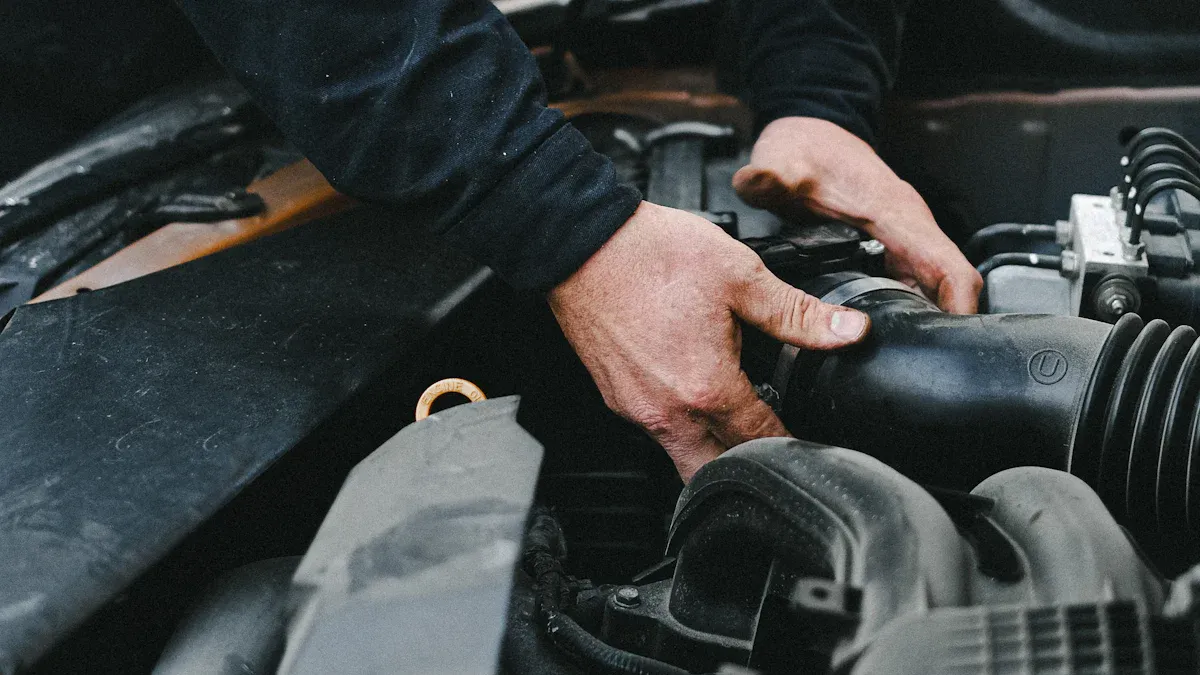
If you notice fluctuating readings on your oil pressure gauge, the first step is to check your oil level. Low oil levels can lead to insufficient lubrication, causing the oil pump to draw in air. This air can create oil aeration, resulting in low oil pressure. To fix this, simply add oil to restore the level.
Tip: Always use the type of oil recommended in your vehicle’s manual. This ensures optimal performance and protection for your engine.
When you add oil, you allow the pump to circulate it effectively. This action helps maintain adequate oil pressure, which is crucial for engine health. Regularly checking and topping off your oil can prevent many issues related to oil pressure fluctuations.
Replacing the Oil Pressure Sensor
A defective oil pressure sensor can cause erratic gauge movements. If you suspect this is the issue, replacing the sensor is a straightforward process. Here’s how you can do it:
Locate the Sensor: Find the oil pressure sensor, usually near the oil filter or engine block.
Prepare Your Workspace: Ensure your vehicle is stable, gather the necessary tools, and wear protective gear.
Disconnect the Battery: This step prevents electrical shorts while you work.
Remove the Old Sensor: Carefully follow the steps to detach the faulty sensor.
After replacing the sensor, you should see accurate oil pressure readings. This change is vital for maintaining engine health. Accurate readings help prevent misleading alerts that could lead to unnecessary repairs or serious engine damage.
Repairing the Oil Pump
If your oil pump is malfunctioning, it can lead to fluctuating oil pressure readings. Repairing the pump can restore normal function. For example, in one case, an engine that had not been started for 12 years showed zero oil pressure. After inspecting the oil pump, the team found a damaged gasket and scratches on the pump surface. Once they repaired these issues, the oil pressure gauge showed 50 pounds per square inch when the engine started. This demonstrates how effective repairs can restore normal oil pressure.
If you suspect oil pump issues, consider consulting a professional. They can diagnose the problem accurately and perform necessary repairs.
Approach | Cost Range | Time Required | Skill Level | Risk |
|---|---|---|---|---|
DIY | $15–$80 | 0.5-1.5 hours | Beginner | Low–Medium |
Professional | $175–$219 | 0.5-1.5 hours | Intermediate–Advanced | Low |
Taking action on these fixes can help you maintain a stable oil pressure gauge and protect your engine from potential damage. If you’re unsure about any repairs, don’t hesitate to seek professional help.
Preventive Measures for Oil Pressure Issues
Regular Oil Changes
Regular oil changes are essential for maintaining your engine’s health. Following the manufacturer’s recommended intervals helps you protect your engine. These intervals are based on extensive testing and ensure optimal performance. If you ignore oil changes, you risk serious engine problems. The oil pressure light may activate, indicating a critical issue. Timely oil changes prevent such situations and keep your engine running smoothly.
Monitoring Oil Levels
Monitoring your oil levels is crucial for preventing fluctuations in your oil pressure gauge. You can use several methods to check your oil levels effectively:
Method | Advantages | Limitations |
|---|---|---|
Manual Dipstick Method | Easy, cheap, and simple for most users. | Subjective reading and messy. |
Float-Based Level Sensors | Reliable and provides continuous monitoring. | Affected by oil thickness and debris. |
Ultrasonic Level Sensors | Fast and accurate, good for corrosive oils. | Sensitive to temperature changes. |
Radar Level Sensors | Very accurate and works in extreme conditions. | Higher cost and tricky installation. |
Hydrostatic Pressure Sensors | Accurate ongoing measurements and easy installation. | Sensitive to oil density changes. |
Regularly checking your oil levels helps you catch issues early. If you notice low oil levels, top them off immediately to avoid engine damage.
Using Quality Oil
Using quality oil is vital for your engine’s performance. High-quality oil provides better lubrication and protection against wear. It also helps maintain stable oil pressure. Contaminants can lead to gauge inaccuracies and potential system failures. Therefore, always choose oil that meets or exceeds your vehicle’s specifications.
Tip: Regular cleaning of the oil system is crucial. This practice helps maintain accurate readings and prevents failures.
By following these preventive measures, you can significantly reduce the risk of oil pressure issues. Regular maintenance keeps your engine healthy and prolongs its lifespan.
In summary, fluctuating oil pressure gauges can signal serious engine issues. You must address these fluctuations promptly to avoid severe mechanical failures. Ignoring these signs can lead to inadequate lubrication and increased wear, ultimately shortening your engine’s lifespan.
Proactive maintenance is essential to prevent catastrophic machine failure, as deferred maintenance can rob machinery of thousands of hours of service life.
Consider these preventive measures to maintain your vehicle’s health:
Strategy | Benefit |
|---|---|
Maintain lubrication quality | Ensures optimal engine function and longevity. |
Control contamination | Protects engine components from damage. |
Service fuel-system components | Enhances overall engine performance and reliability. |
Regular checks and timely repairs can keep your engine running smoothly. If you notice any issues, don’t hesitate to seek professional help.
FAQ
What should I do if my oil pressure gauge fluctuates?
If your oil pressure gauge fluctuates, first check your oil level. If it’s low, add oil. If the problem persists, inspect the oil pressure sensor and oil pump. Consider consulting a mechanic for further diagnosis.
How often should I check my oil levels?
You should check your oil levels at least once a month. Additionally, check before long trips or after heavy use. Regular checks help you catch issues early and maintain proper engine lubrication.
Can low oil pressure damage my engine?
Yes, low oil pressure can cause serious engine damage. Insufficient lubrication leads to increased friction, overheating, and wear. Address fluctuating oil pressure immediately to protect your engine’s health.
How can I prevent oil pressure fluctuations?
To prevent fluctuations, perform regular oil changes, monitor oil levels, and use quality oil. Additionally, inspect your oil pressure sensor and pump periodically to ensure they function correctly.
When should I seek professional help for oil pressure issues?
Seek professional help if you notice persistent fluctuations, strange noises, or warning lights. A mechanic can diagnose and fix underlying issues, preventing potential engine damage.