Mice can cause serious damage to your car’s cabin filter and HVAC system. If you don’t take action, you might face costly repairs. For example, repairs can reach up to $5,000 for some vehicle models! To keep mice out should be a priority for every car owner.
Vehicle Model | Repair Cost |
|---|---|
2013 Toyota Prius | $5,000 |
2009 Toyota Venza | $1,200+ |
2015 Hyundai Sonata | $500 |
Taking proactive steps to keep mice out can help protect your vehicle from these unwanted guests.
Key Takeaways
Regularly clean your car to remove food and clutter. This reduces the chances of attracting mice.
Seal any gaps or holes in your vehicle. Use materials like steel wool or specialized barriers to block entry points.
Inspect your cabin filter and vehicle monthly for signs of mice. Early detection can save you from costly repairs.
Mice Entry Points

Common Access Areas
Mice can sneak into your vehicle through several common access points. Here are some areas to watch out for:
Vents: Mice often enter through the air intake vents, especially if they find a way to nest in the engine compartment.
Holes around cables: Look for gaps around electrical cables that lead into the cabin. Mice can squeeze through surprisingly small openings.
Pedal shafts: The areas where the pedals connect to the vehicle can also serve as entry points.
Steering columns: Mice can climb up and find their way into the steering column, giving them access to the cabin.
Being aware of these entry points can help you take action to keep mice out.
Seasonal Behavior
Seasonal changes significantly impact mouse behavior. During colder months, mice actively seek warmth and shelter. In regions with harsh winters, like Canada and northern Europe, the chances of mice entering vehicles increase as they look for refuge in warm engines. Even in milder climates, such as southern states, rodent issues can persist year-round. This means you should remain vigilant regardless of the season.
Modern vehicles often use soy-based insulation for wiring, which attracts rodents. This design flaw makes it easier for mice to find their way inside. Keeping your vehicle clean and free of food or nesting materials is essential. Installing barriers, like the Box-Kat, can also help prevent rodent access to the engine bay.
By understanding these entry points and seasonal behaviors, you can better protect your vehicle from unwanted guests.
How to Keep Mice Out
Cleanliness and Maintenance
Keeping your car clean is one of the best ways to prevent mice from coming into your car. Mice are attracted to food and clutter, so regular cleaning can make a big difference. Here are some effective cleaning practices you should follow:
Regularly remove trash and food wrappers to eliminate potential food sources.
Vacuum the interior to get rid of crumbs and debris.
Check for and remove any clutter that could serve as nesting opportunities.
To minimize the risk of rodent infestation, aim to clean your vehicle regularly. Here are some tips on how often you should clean:
Remove food and clutter at the end of the day.
Clear out snack wrappers, grocery bags, pet food, birdseed, and drink cups.
Wipe up spills and crumbs on seats and floor mats.
By maintaining a clean environment, you significantly reduce the chances of attracting mice.
Sealing Gaps and Using Deterrents
Sealing gaps in your vehicle is crucial to keep mice out. Mice can squeeze through surprisingly small openings, so you need to be thorough. Here are some effective materials and methods to seal gaps:
Use Box-Kat’s patented flex-panel technology to seal off gaps that other barriers might miss. These durable plastic panels block even the smallest entry points.
Fill small holes with steel wool, secured with caulk. For larger holes, use materials like metal sheeting or hardware cloth.
Consider using Fill Fabric, designed to quickly and permanently seal gaps, cracks, and holes.
In addition to sealing gaps, using deterrents can help keep mice away. Here are some natural and chemical deterrents you might find useful:
Peppermint Oil: Its strong scent may deter mice but can cause skin irritation.
Cayenne Pepper: Another strong scent that might repel mice.
Cloves: Similar to peppermint oil, it has a strong aroma that could deter mice.
Rodents Away Odor Free sachets: These are effective for up to six months and provide a natural, scent-free method to repel mice.
While ultrasonic devices claim to emit high-frequency sounds to irritate rodents, studies show they have little to no impact on deterring mice. Therefore, focusing on cleanliness and sealing gaps is a more reliable solution.
By following these steps, you can effectively prevent mice from coming into your car and protect your cabin filter from damage.
Checking for Damage
Signs of Infestation
If you suspect mice might have invaded your vehicle, look for these signs:
Musty or ammonia-like smells from the vents.
Reduced airflow from your AC or heater.
Visible debris, like grass or shredded paper, coming from the dash vents.
Scratching noises when the blower fan runs.
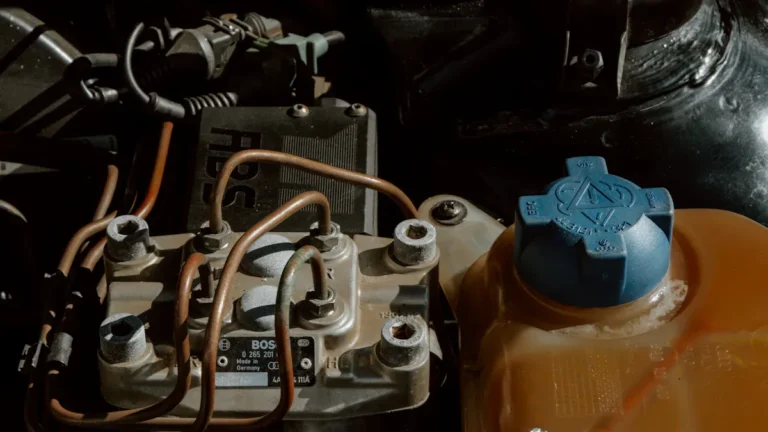
Droppings or chewed wires in the engine compartment.
Noticing any of these signs means it’s time to take action. Ignoring them could lead to bigger problems down the road.
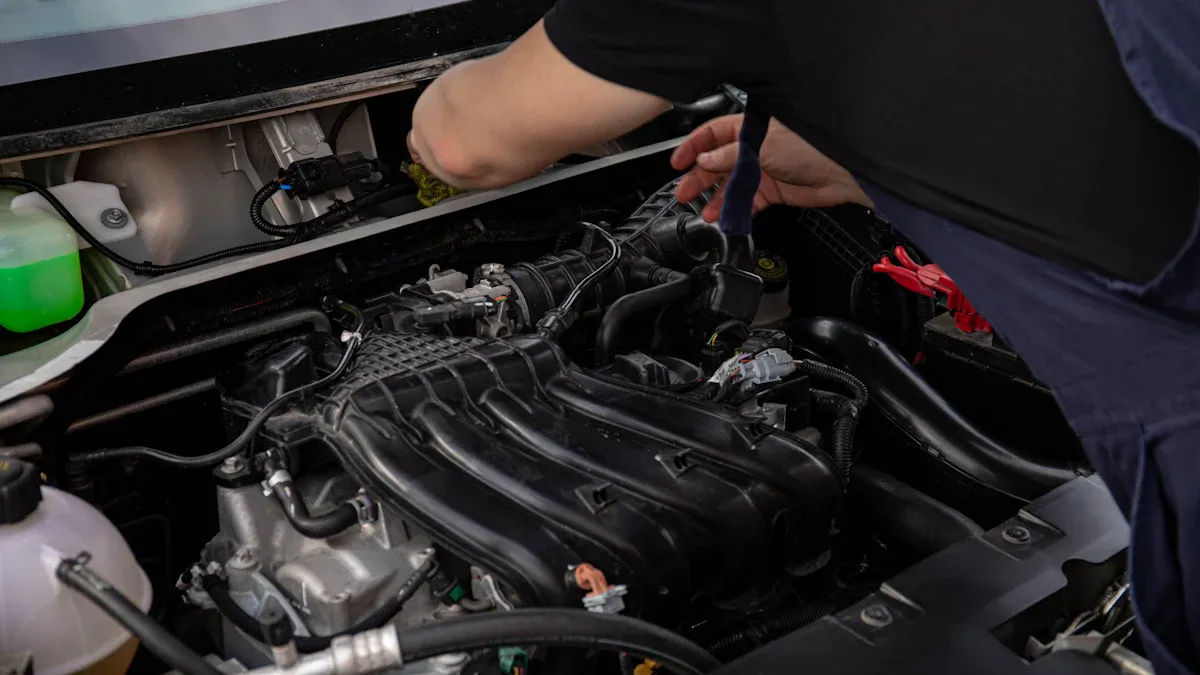
Inspecting the Cabin Filter
To inspect your cabin filter for rodent activity, follow these steps:
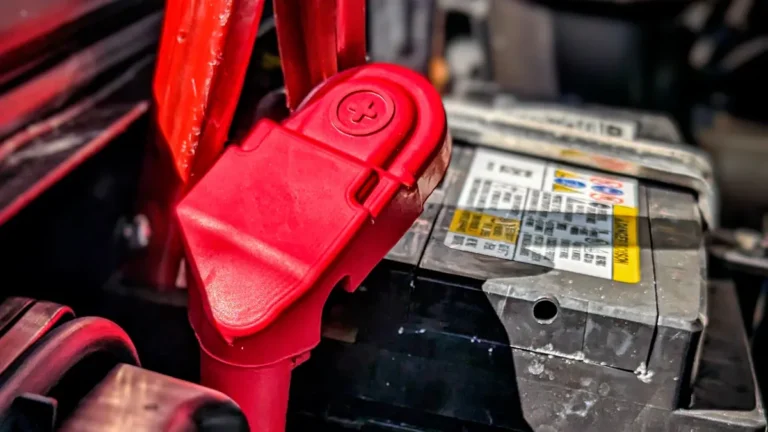
Remove battery cables: Disconnect the battery to prevent electric shock during cleaning.
Use disinfectant: Apply a disinfectant or a bleach-water mixture to contaminated materials and let it sit for 5 minutes.
Use a paper towel to handle waste: Carefully pick up any waste with a paper towel and dispose of it properly.
Clean the area: After removing droppings and nesting materials, clean the surrounding area with more disinfectant.
Reconnect the battery: Once the area is dry, reconnect the battery.
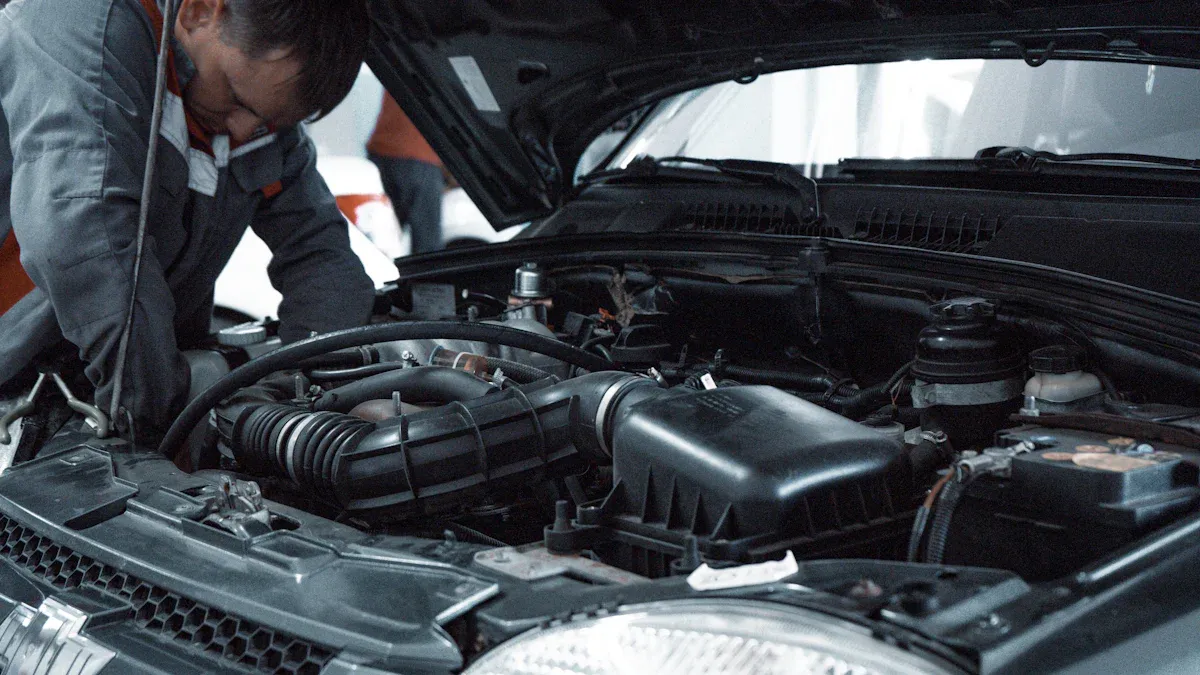
Inspect air intake systems: Check for nests in the air intake system and clean as necessary, replacing any damaged components.
Make it a habit to check your cabin filter monthly, especially if you use rental or shared vehicles. Regular monitoring helps catch any mice infestations early, saving you from costly repairs later.
Keeping mice out of your car is essential for preventing costly repairs. Remember to maintain cleanliness, seal entry points, and regularly inspect your cabin filter. By taking these steps, you can protect your vehicle and enjoy peace of mind. Don’t wait—start implementing these strategies today! 🚗✨
FAQ
What attracts mice to my car?
Mice are drawn to food, warmth, and shelter. Clutter and crumbs in your vehicle can make it more appealing to them.
How often should I check for mice?
Check your vehicle monthly, especially if you park in areas prone to rodent activity. Regular inspections help catch infestations early.
Can I use traps to catch mice in my car?
Yes, you can use traps, but ensure they’re safe for your vehicle. Consider using humane traps to avoid harm to the mice.