To fix a leaking fuel line, you must identify the source of the leak and address it immediately. Ignoring this issue can lead to serious consequences. Leaks can cause engine damage, which may cost thousands in repairs. They can also pose fire hazards and harm the environment.
Tip: Less than 2 percent of vehicle fires start from fuel lines, but any leak still requires your attention.
Find the Leak
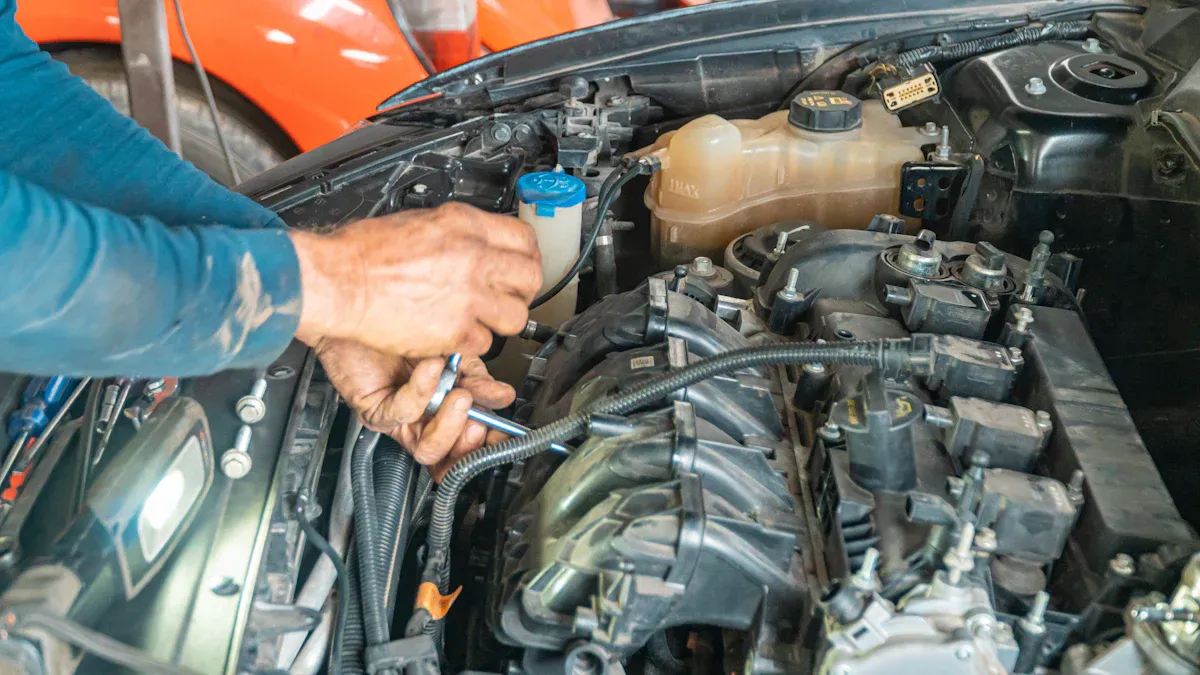
Signs of a Leak
Detecting a leak in your fuel line connector is crucial for maintaining your vehicle’s safety and performance. You can look for several signs that indicate a leak:
Visible Fuel: Check for any fuel pooling under your vehicle or near the connectors. This is a clear sign of a leak.
Wet Surfaces: Look for wet spots on the fuel lines or connectors. These can indicate that fuel is seeping out.
Strong Fuel Odor: If you smell gasoline, it may mean that fuel is escaping from the lines.
Visual testing is the most basic method for detecting leaks in liquid systems. You should inspect the area around the connectors for drips or wet surfaces. This method works well both on installed equipment and during bench tests of hose assemblies.
Tools for Inspection
To effectively identify a leak, you can use various diagnostic tools. Here are some recommended tools that automotive experts suggest:
Smoke Machine: This tool helps detect vacuum and EVAP system leaks. It allows for quick and accurate pinpointing of issues.
Fuel Pressure Gauge: This gauge measures fuel pressure in the system. It is crucial for identifying fuel delivery problems.
Using these tools can help you find the source of the leak more efficiently. A faulty O-ring often causes leaks at the connectors. When O-rings become worn or hardened, they fail to create a proper seal. This deterioration can lead to fuel leaks, especially when environmental factors like heat and vibration come into play.
Regular inspections can help you catch leaks early. By checking your fuel lines at least once a year, you can identify small leaks that may affect fuel economy and engine performance. Proactive inspections maintain the integrity of the fuel system and enhance safety by reducing fire hazards associated with fuel leaks.
How to Fix Leaking Fuel Line
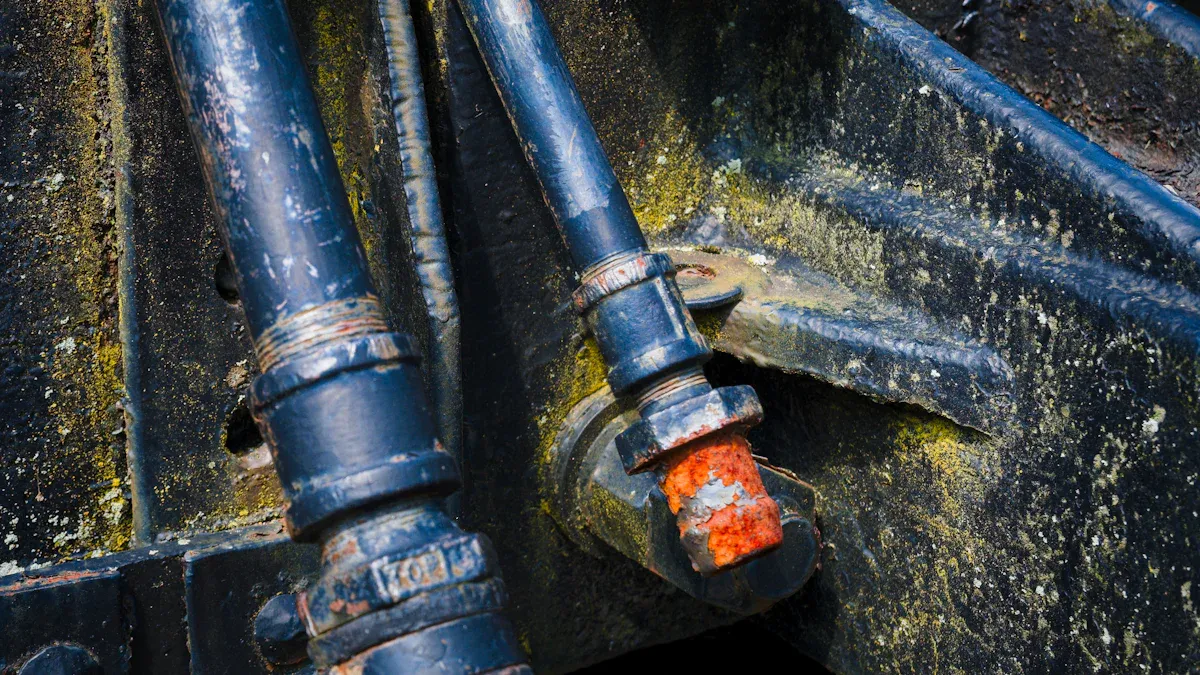
Repair Kits
Using a fuel line repair kit is an effective way to fix leaking fuel line connectors. Follow these steps for a successful repair:
Prepare the Area: Place a drip pan under the area to catch any fuel that drips from the line once cut.
Stop the Dripping: Use a small piece of rubber tubing with a block-off screw to prevent constant dripping.
Remove the Broken Line: Use a tubing cutter to cut the broken fuel line. Make the cut at least three inches back to ensure you have enough straight line for the compression fitting.
Purchase Replacement Parts: Buy the necessary length of fuel line and one compression fitting if replacing the line to the fuel filter. If you are replacing a section of the fuel line, purchase two compression fittings. Always add six inches to the line for mistakes.
Make Necessary Bends: Shape the new line as needed for proper fitment.
Cut the Original Line: Hold the replacement line in place and cut an additional inch off the original line to account for the compression fitting.
Assemble the Compression Fitting: Separate the parts of the compression fitting. Place one perforated cap on the original line with the threads facing out. Install the ferrule (ring) over the line in front of the cap.
Connect the Lines: Push the original fuel line with the ferrule and cap into the center section of the connector. Ensure it is completely seated.
Tighten the Fitting: Thread the cap onto the center section of the connector. Keep pressure on the fuel line to ensure it remains seated while tightening the cap.
Repeat for the Other End: Install the cap and ferrule on the opposite end and tighten in the same manner.
Check for Leaks: Turn the key on and check for leaks.
Tip: Always keep all sources of ignition away from the area to prevent accidental fire. Never use an electric tool when working on a fuel line.
Using Sealants
Sealants can provide a temporary fix for minor leaks in fuel line connectors. Here are some safe and effective options:
Sealant | Temperature Resistance | Ethanol Resistance | Notes |
|---|---|---|---|
EZ Turn | Up to 600F | Yes | Good for aviation use, sticky, can be messy to work with. |
Permatex 59235 | Up to 400F | Yes | Works well for aircraft assembly, repositionable for 24 hours. |
Loctite 567 | Up to 400F | Yes | Great for fuel or oil, less ideal for quick maintenance due to cure time. |
While sealants can be useful, they are not a permanent solution. For severe leaks, consider a complete repair or replacement of the connector.
Note: Over-tightening connectors can lead to leaks. It can deform aluminum parts and crush tubing, which restricts flow and weakens the tubing. Always follow proper tightening procedures to avoid these issues.
Replace the Connector
O-Ring Replacement
You should replace O-rings in fuel line connectors when they show signs of wear or damage. Here are some key factors to consider:
Chemical Resistance: O-rings must resist degradation from fuel and additives.
Temperature Tolerance: They should endure extreme temperature variations in automotive environments.
Durability: O-rings need to maintain integrity over time, withstanding mechanical stresses.
When you notice leaks, inspect the O-rings first. If they appear cracked or hardened, it’s time for a replacement. This simple step can prevent further leaks and ensure your fuel system operates efficiently.
Using Ferrules
Ferrules offer a reliable solution for connecting nylon fuel lines. They provide several advantages:
Quick installation without the need for soldering or welding.
Suitable for various materials, including nylon.
Creates leak-proof seals in both low-pressure and high-pressure applications.
Allows for easy maintenance and disassembly without special tools.
Using ferrules can simplify your repair process. They help you achieve a secure connection that minimizes the risk of leaks. If you encounter recurring issues with your fuel line connectors, consider using press-fit unions. These unions can enhance the reliability of your connections and make future repairs easier.
Always prioritize safety when replacing connectors. Disconnect the negative battery terminal to prevent electrical shorts. Run the engine until it stalls to deplete the fuel system. Allow the fuel system to cool down before starting any work. Wear proper safety gear to reduce the risk of injury or fire. After completing the work, reconnect the battery terminal and check for leaks.
Fixing leaking fuel line connectors involves several methods, including using repair kits, sealants, and replacing connectors. Choose the best approach based on your situation. Regular maintenance can prevent future leaks. Always prioritize safety by inspecting components and following proper handling procedures.
Regularly inspect fuel lines and connectors for wear.
Use high-quality components to avoid degradation.
Follow safety protocols when working with fuel systems.
FAQ
What should I do if I notice a fuel leak?
If you notice a fuel leak, stop using the vehicle immediately. Inspect the area and address any fuel leak hazards promptly.
How can I prevent fuel line leaks?
Regularly inspect your fuel lines and connectors for wear. Replace damaged parts to prevent leaks and ensure safety.
Is it safe to drive with a leaking fuel line?
No, driving with a leaking fuel line is dangerous. It poses fuel leak hazards and can lead to fire risks or engine damage.