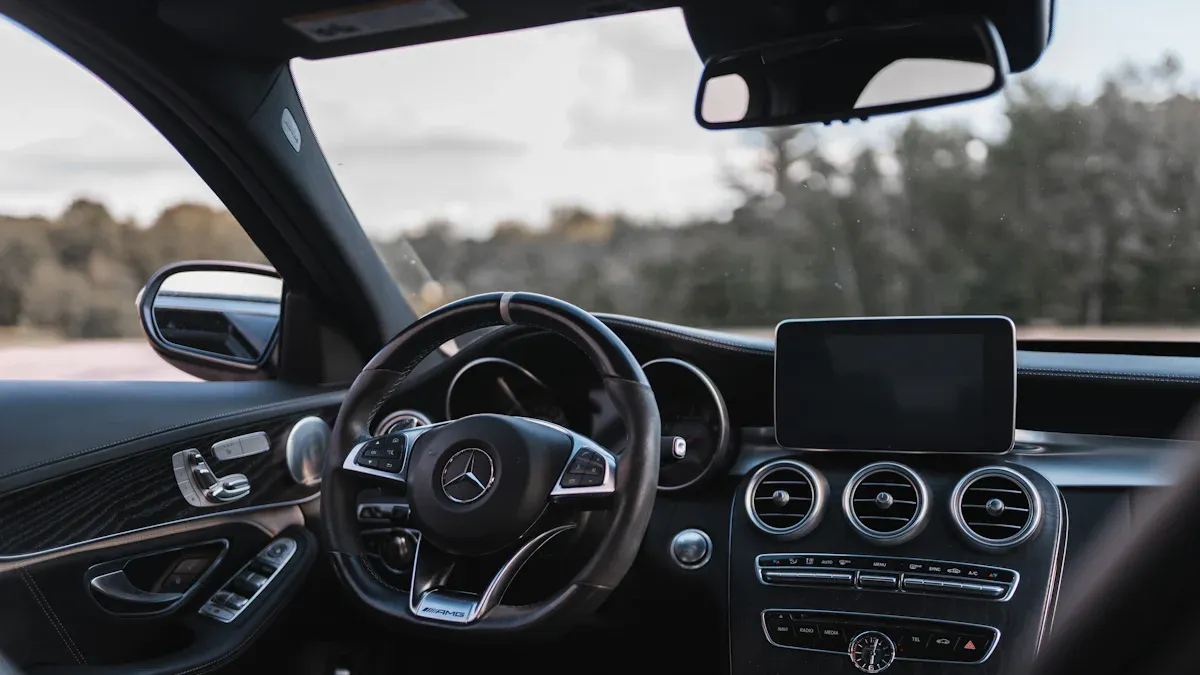
Imagine driving your car and noticing that the headliner is drooping down. It not only looks unappealing, but it can also lower your vehicle’s resale value. A sagging headliner can make your interior feel neglected. Fortunately, you can fix a sagging headliner with a manageable DIY project. With the right tools and steps, you can restore your vehicle’s interior to its former glory and impress potential buyers.
Key Takeaways
Gather essential tools like aerosol glue, syringes, and a steam cleaner to effectively fix your sagging headliner.
Prepare your workspace by clearing out your vehicle, disconnecting the battery, and ensuring good ventilation before starting the repair.
Follow a step-by-step process: remove the old headliner, apply adhesive to the new fabric, and smooth it out for a professional finish.
Tools Needed To Fix A Sagging Headliner
Essential Tools
To tackle the repair of your sagging headliner, you’ll need a few essential tools. Here’s a handy list to get you started:
Aerosol Glue: Look for a glue specifically designed for headliners. This type of adhesive provides a strong hold and is easy to apply.
Syringes: These can help you apply glue precisely, especially in tight spots.
Sequin Pins: Use these for a quick fix to push the headliner back into place without removing it.
Steam Cleaner: This tool can melt the glue and help reattach the headliner effectively.
Paint Roller: A paint roller helps set the fabric evenly, ensuring no creases or wrinkles remain.
Recommended Materials
For a professional finish, consider using the following materials:
3M Headliner and Fabric Adhesive: This is often regarded as the best overall adhesive for headliner repairs.
Tear Mender Instant Fabric and Leather Adhesive: A great value option that works well for quick fixes.
Permatex Body Shop Heavy Duty Headliner Adhesive: Ideal for heavy-duty applications.
Alcantara Fabric: If you’re replacing the headliner, this synthetic microfiber fabric offers a luxurious look and durability.
ABS Plastic: Recommended for the rigid backing of headliners, as it doesn’t absorb moisture.
Using the right tools and materials will make your repair process smoother and help you achieve a professional-looking result.
Step-By-Step Guide To Fix Sagging Headliner
Preparing The Area
Before you dive into fixing a sagging headliner, you need to prepare your workspace. Start by ensuring you have a clean, well-lit area to work in. Here are some steps to follow:
Clear Out Your Vehicle: Remove any items from the car that might get in your way. This includes personal belongings and any accessories attached to the ceiling.
Disconnect the Battery: For safety, disconnect the negative terminal of your battery. This prevents any electrical issues while you work.
Ventilation: Work in a shaded, well-ventilated area. Open all doors to allow fresh air to circulate, especially when using spray adhesives.
Cleaning the area is crucial. You want to remove any old adhesive that might interfere with the new installation. Here are some effective methods:
Use a drill brush to scrub away old glue.
A wire wheel can also help sand off stubborn adhesive.
Avoid common solvents like alcohol or Goo Gone, as they may not work effectively.
Removing The Old Headliner
Now that your area is prepped, it’s time to remove the old headliner. Follow these steps carefully:
Remove Accessories: Take off any devices or accessories attached to the ceiling, such as lights or visors.
Take Off Trim Panels: Carefully remove the trim panels leading to the headliner. This often involves unscrewing or unclipping them.
Remove the Old Headliner: Gently pull down the old headliner fabric from the board. Be cautious not to damage the board itself.
Clean the Board: Scrape off any remaining foam or adhesive to create a smooth surface for the new headliner.
This process can take some time, especially if your vehicle has a complex design. An experienced mechanic might complete it in under two hours, but you should allow yourself plenty of time to avoid rushing.
Installing The New Headliner
With the old headliner removed, you’re ready to install the new one. Here’s how to do it:
Lay Down the New Fabric: Start by laying the new headliner fabric over the board. Make sure it’s centered and has enough excess on the edges.
Apply Adhesive: Use your aerosol glue to apply adhesive to the board. Work in sections, starting from the center and moving outward. This helps prevent wrinkles.
Smooth Out the Fabric: As you press the fabric into place, use a soft brush or roller to smooth it out. This will help eliminate air bubbles and ensure a tight fit.
Trim the Edges: Once the adhesive has dried, trim any excess fabric, leaving a small border for shrinkage.
Cut Holes for Accessories: Don’t forget to cut holes for any lights or other accessories you removed earlier.
Remember, achieving a wrinkle-free finish is key. If you notice any minor wrinkles, you can use a heat gun or steam to relax the fabric.
By following these steps, you can successfully fix a sagging headliner and give your vehicle’s interior a fresh look.
Tips For A Professional Finish
Common Mistakes To Avoid
When fixing a sagging headliner, you want to avoid common pitfalls that can ruin your hard work. Here are some mistakes to watch out for:
Skipping Curing Time: If you apply rubber paint without letting it cure properly, cracks may reappear.
Inadequate Coverage: Using a spray method from too far away can lead to uneven coverage, leaving some areas vulnerable.
Misjudging Repair Effectiveness: Relying on sunlight visibility to check your work can be misleading. Always inspect closely.
These mistakes can lead to a less-than-perfect finish, so take your time and follow the steps carefully.
Maintenance Tips
Once you’ve successfully repaired your headliner, maintaining it is key to preventing future sagging. Here are some helpful tips:
Park in Shade: Whenever possible, park your vehicle in shaded or covered areas to protect the interior from heat.
Avoid Smoking: Smoking inside the cabin can cause stains and odors that weaken the adhesive over time.
Fix Leaks Promptly: Address any leaks from sunroofs, AC, or windshield seals quickly to prevent moisture intrusion.
Use Sunshades: In hot climates, sunshades can help keep your car cooler and protect the headliner.
Regular Inspections: Check the adhesive regularly, especially in luxury vehicles, to ensure it remains effective.
By following these maintenance tips, you can extend the life of your newly repaired headliner and keep your vehicle looking great.
Fixing a sagging headliner is a rewarding DIY project. You start by preparing the area, removing the old headliner, and then installing the new fabric. With patience and the right tools, you can achieve great results. Many vehicle owners report satisfaction and significant cost savings after completing this repair themselves. So, take pride in your skills and keep your vehicle’s interior looking sharp!