The average car inspection cost in the United States ranges from $15 to $60. Understanding these costs is vital for you as a vehicle owner. Regular inspections ensure safety, extend your vehicle’s life, and comply with legal requirements. Costs can vary based on state regulations, vehicle type, and emissions testing needs.
Key Takeaways
Car inspection costs in the U.S. range from $15 to $60, but can be higher in metropolitan areas. Always check local prices to budget effectively.
Regular inspections enhance vehicle safety and can save money on repairs by identifying issues early. Schedule inspections annually or as required by your state.
Different factors like location, vehicle type, and age affect inspection costs. Understand these factors to prepare for potential expenses.
Car Inspection Costs
National Averages
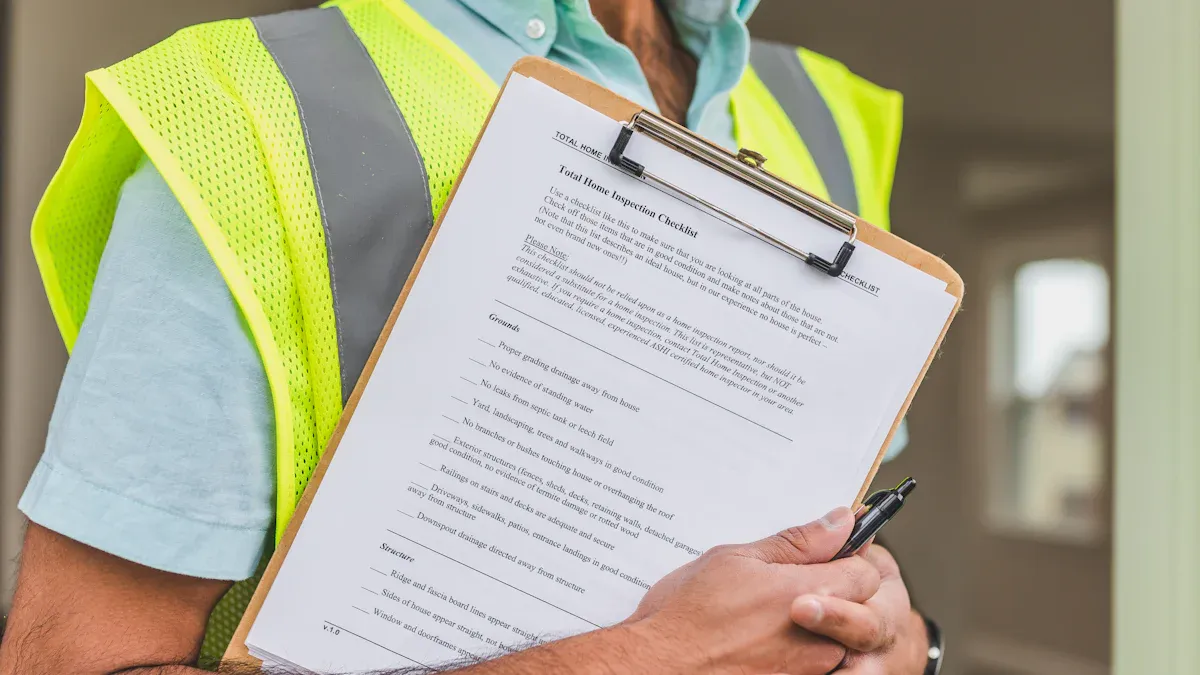
When you consider the average car inspection cost across the United States, you find that it typically falls between $15 and $60. However, this range can vary based on the type of inspection you need. For example, a standard inspection usually costs around $180 to $200 in major metropolitan areas. In smaller towns, you might pay slightly less, often around $169.99 plus an additional fee for price appraisal.
Here’s a quick overview of the average costs for different types of inspections:
Inspection Type | Cost Range |
|---|---|
Standard Inspection | $15 – $60 |
Standard Inspection in Metro Areas | ~$180–$200 |
Standard Inspection with Price Appraisal | ~$169.99 + $20 |
Variable Cost Depending on Vehicle Type and Location | ~$199–$249 |
State Variations
State regulations significantly influence car inspection costs. Some states require more comprehensive inspections than others. For instance, states with strict emissions laws may charge higher fees. In contrast, states with minimal requirements often have lower costs.
You might also notice that seasonal factors can affect inspection prices. For example, winter inspections may cost more due to the need for additional checks on battery performance and tire conditions. Here are some seasonal considerations:
Seasonal inspections can help identify potential issues caused by changing weather conditions.
Winter can lead to battery strain and thickened oil, while summer heat can cause fluid evaporation and tire blowouts.
Regular inspections can prevent unnecessary wear and tear, improving safety and potentially saving money on repairs.
Understanding these variations helps you budget for your car inspection costs effectively. Always check local regulations to get the most accurate estimate for your area.
Types of Inspections

Safety Inspections
A safety inspection ensures that your vehicle meets specific safety standards. During this inspection, mechanics check several critical components. Here are some items they typically evaluate:
Brakes
Tires
Lights and signals
Steering and suspension
The cost for a safety inspection usually ranges from $60 to $100. If your vehicle requires repairs to pass the inspection, those costs will be additional. This means that the specific items checked during the inspection can directly influence the overall cost. Regular safety inspections help you maintain your vehicle’s reliability and ensure your safety on the road.
Emissions Inspections
Emissions inspections focus on your vehicle’s environmental impact. Different states have varying requirements for these inspections. For example:
In St. Louis, vehicles five years or older must undergo emissions testing every two years to meet air quality standards.
In Nevada, emissions testing is mandatory for most vehicles in Las Vegas and Reno.
Rhode Island requires all vehicles under 8,500 lbs to pass both safety and emissions inspections every two years, with a testing fee of $55.
The financial implications of emissions inspections can be significant, especially for lower-income individuals. They may face higher failure rates and subsequent repair costs. This disparity highlights how emissions testing requirements can disproportionately affect those with fewer resources.
Used Car Inspection
A used car inspection is essential if you plan to buy a pre-owned vehicle. This inspection typically costs between $100 and $150. Mechanics conduct a thorough evaluation of various components, including:
Body Condition: Dents, scratches, and rust can indicate heavy use.
Glass: Cracks or chips in windows can lead to costly repairs.
Suspension: Worn shocks can lead to a bouncy ride.
Lights and Lenses: Non-functional lights can lead to safety issues.
Tires: Uneven wear may suggest alignment issues.
Engine and Fluids: Leaks or contaminated fluids can indicate major mechanical issues.
A used car inspection helps you make an informed decision before purchasing. It can save you from unexpected repair costs down the road.
Factors Affecting Costs
Location Impact
Your geographic location plays a significant role in determining car inspection costs. Different states have various regulations that affect pricing. Here are some key points to consider:
Inspection costs vary by location due to different state regulations.
Local market conditions influence pricing. Some areas may have higher costs due to demand.
The type of service provider also matters. Dealerships often charge more than independent shops because of their higher overhead costs.
For example, in California, emissions testing and visual inspections can cost between $35 and $65. In contrast, Virginia has a fixed fee of $16 to $20 for safety inspections.
Vehicle Type
The type of vehicle you own can also impact inspection costs. Larger vehicles, such as SUVs and trucks, typically incur higher fees. Here’s a breakdown:
Inspection costs for SUVs and trucks usually range from $200 to $400.
Sedans and family cars generally cost between $100 and $200.
The complexity of larger vehicles contributes to these higher costs.
Vehicle Age
The age of your vehicle can significantly affect inspection fees. Older vehicles often face more issues, leading to higher costs. Consider these points:
Vehicles older than ten years may incur higher inspection costs due to potential problems.
In Virginia, many older vehicles fail inspections due to critical safety defects.
Newer vehicles typically have lower inspection costs because they have fewer issues.
Understanding these factors helps you prepare for the costs associated with car inspections. Always check local regulations and consider your vehicle’s specifics to get an accurate estimate.
Understanding car inspection costs is crucial for you as a vehicle owner. Regular inspections can prevent accidents and save you money by identifying issues early. Here are some key benefits:
Ensure vehicle safety and compliance.
Reduce repair costs significantly.
Extend your vehicle’s lifespan.
Stay informed to make smart choices!
FAQ
What is included in a standard car inspection?
A standard car inspection checks brakes, tires, lights, and steering to ensure your vehicle meets safety standards.
How often should I get my car inspected?
You should inspect your car annually or as required by your state regulations to ensure safety and compliance.
Can I drive my car if it fails inspection?
No, you cannot legally drive your car until you complete necessary repairs and pass the inspection.