When you drive with snow chains, the general speed limit is set at 25 miles per hour. Understanding this limit is crucial for your safety and the safety of others on the road. Exceeding this speed can lead to chain failure, which may cause damage to your vehicle. Additionally, 24% of truck crashes occur on snowy or icy roads, highlighting how important it is to adjust your speed according to the conditions. Remember, driving responsibly can prevent accidents and keep you safe during winter weather.
Key Takeaways
Drive with snow chains at a safe speed of 20 to 30 mph to maintain traction and avoid damage.
Always check your vehicle’s manual for specific speed recommendations regarding snow chains.
Adjust your speed based on road conditions; reduce speed in icy or snowy weather to maintain control.
Install snow chains properly to ensure safety; follow the manufacturer’s instructions for best results.
Prioritize safety over speed; anticipate road hazards and maintain a safe following distance.
Speed Limits with Snow Chains
Recommended Speed Range
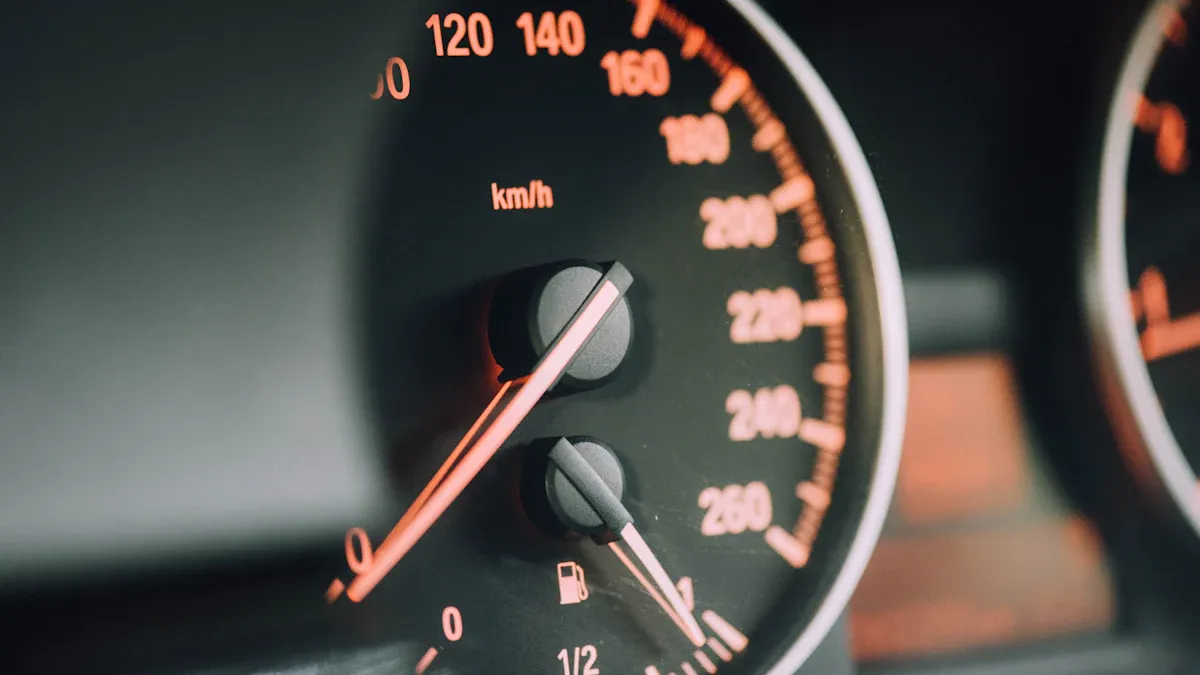
When you drive with snow chains, you should aim for a safe speed range of 20 to 30 mph. This speed helps maintain traction and prevents damage to your vehicle. Automotive safety organizations recommend keeping your speed ideally below 30 mph. This limit reduces stress on the chains and ensures you have consistent traction, which is vital for your safety on slippery roads.
Manufacturer Guidelines
Most manufacturers suggest a maximum speed of 30 mph for vehicles using snow chains. In certain areas, like California, the recommended speed limit drops to 25 mph in chain control zones. Here are some common guidelines from various manufacturers:
The speed limit when chains are required is typically 25 or 30 miles per hour.
Generally, you should drive between 20 to 30 mph when using snow chains and other traction devices.
Exceeding these limits can lead to chain failure and potential vehicle damage. Always check your vehicle’s manual for specific recommendations regarding snow chains.
Type of Chain | Characteristics | Speed Recommendation |
|---|---|---|
Cable-Style Chains | Lighter weight; faster installation; less vibration while driving | Limit driving to ~31 mph |
Diamond Pattern Chains | Consistent contact across the tread; ideal for mixed snow and slush | Limit driving to ~31 mph |
V-Bar Design Chains | Excels in hard-packed ice; concentrates force at angles | Limit driving to ~31 mph |
Semi-Automatic Models | Reduce manual adjustment; some claim “drive-on” setup | Limit driving to ~31 mph |
Traditional Metal Link Chains | Reliable traction for unplowed snow or steep icy roads | Limit driving to ~31 mph |
Cable-Style with Tension Assist | Adequate grip for occasional use in moderate conditions | Limit driving to ~31 mph |
Always prioritize safety over speed when driving with snow chains. Adjust your speed based on road conditions and your vehicle’s capabilities.
Factors to Drive with Snow Chains
Road Conditions
Road conditions play a significant role in how fast you can drive with snow chains. When the roads are icy, snowy, or slushy, you should maintain a speed of no more than 20 to 30 mph. This speed helps you avoid losing traction and control. In severe winter conditions, consider reducing your speed by half. For example, if the speed limit is 60 mph, aim for around 30 mph or less.
Here are some key points to remember about road conditions:
Icy Roads: These require extra caution. You may need to drive even slower than 20 mph to maintain control.
Snowy Roads: Fresh snow can provide some traction, but it can also hide icy patches. Stay within the recommended speed range.
Slushy Roads: Slush can create a false sense of security. Keep your speed low to avoid skidding.
Always check the road surface before you drive. If you encounter bare pavement, remove your snow chains immediately. Driving on bare roads with chains can cause excessive wear and damage.
Vehicle Type
Your vehicle type also affects how you should drive with snow chains. Different vehicles have varying weights, sizes, and handling characteristics. For instance, larger vehicles like trucks may handle differently than smaller cars. Here are some considerations:
Weight: Heavier vehicles may have better traction but can also be harder to control at higher speeds.
Tire Size: Ensure your snow chains fit your tires properly. Improperly sized chains can lead to accidents.
Drive Type: All-wheel drive vehicles may perform better with snow chains than two-wheel drive vehicles.
Always consult your vehicle’s manual for specific recommendations regarding snow chains. Remember, maintaining a controlled speed below 30 mph is crucial to avoid stress on the chains and ensure traction.
How to Use Snow Chains Safely

Proper Installation
Installing snow chains correctly is essential for your safety and the performance of your vehicle. Follow these steps to ensure proper installation:
Stop Safely: When you see signs indicating tire chains are required, find a safe place to stop and install your chains.
Take Your Time: Don’t rush the installation; ensure the chains are properly fitted.
Identify Tire Type: Determine which tires need chains based on your vehicle’s drive type.
Prepare Chains: Untangle and lay out the chains properly before installation.
Install Chains: Follow the steps to connect the chains securely to the tires.
Drive Forward: Move the vehicle slightly to allow the chains to settle, then re-tighten them.
Tighten After Moving: After initial installation, drive a short distance and re-tighten the chains to ensure they are secure.
Avoid Bare Pavement: Remove chains as soon as you are on plowed or salted roads to prevent damage.
Tip: Always listen for unusual sounds that may indicate a problem with the chains. Check for secure installation after driving a short distance.
Driving Techniques
When driving with chains, you must adjust your driving style to maintain control and safety. Here are some recommended techniques:
Drive Slowly: Limit your speed to 25 miles per hour to avoid damaging the chains or your vehicle.
Gentle Acceleration: Press the accelerator gently and smoothly. Sudden acceleration can lead to chain breakage.
Brake Softly: Apply the brake pedal early and gently on slippery surfaces. Heavy braking can lock the wheels, leading to skidding.
Take Wide Turns: Make wide, slow turns on sharp corners. Snow chains do not prevent sideways sliding.
Stay Alert: Watch for changes in road conditions and adjust your speed accordingly.
Note: Avoid sudden movements such as braking, acceleration, or sharp turns to prevent dislodging the chains.
By following these installation and driving techniques, you can enhance your safety while driving with snow chains. Always prioritize safety over speed in winter conditions.
Driving with snow chains requires careful attention to speed limits and road conditions. Here are the key points to remember:
Snow chains impose a speed limit of 31 mph, while winter tires allow for higher speeds.
Use snow chains in severe conditions like thick snow or ice on steep slopes.
Snow chains provide better traction in severe weather compared to winter tires.
Always adhere to speed limits to protect yourself and others. Exceeding these limits can lead to accidents and legal issues.
Prioritize safety over speed by:
Slowing down in snowy or icy conditions.
Maintaining a safe following distance of five to six seconds.
Anticipating road hazards and reacting calmly.
Stay safe this winter by driving responsibly with snow chains! ❄️
FAQ
What are snow chains?
Snow chains are devices made of metal links that attach to your tires. They improve traction on snow and ice, helping you drive safely in winter conditions.
How do I know if I need snow chains?
You need snow chains when driving in heavy snow or icy conditions. Check local regulations and weather forecasts to determine if chains are required.
Can I drive on dry roads with snow chains?
No, avoid driving on dry roads with snow chains. Doing so can damage both the chains and your tires, leading to costly repairs.
How do I install snow chains?
To install snow chains, park safely, lay out the chains, and fit them over your tires. Follow the manufacturer’s instructions for secure installation.
How often should I check my snow chains?
Check your snow chains before each use. Ensure they are free of damage and properly fitted to your tires for optimal performance.