Bad tie rods can indeed cause vibrations in your vehicle. Recognizing the symptoms of a bad tie rod is crucial for maintaining your car’s safety and performance. If you notice any unusual shaking or noises while driving, it’s essential to address these issues promptly. Ignoring these signs can lead to more significant problems down the road.
Key Takeaways
Bad tie rods can cause noticeable vibrations in your steering wheel, especially at higher speeds. Address these symptoms quickly to maintain safety.
Regularly inspect your tie rods for signs of wear, such as loose steering or rattling noises. Catching issues early can prevent costly repairs.
Ignoring bad tie rods can lead to serious safety risks, including loss of vehicle control. Always prioritize your vehicle’s maintenance.
Seek professional help if you suspect tie rod problems. Experts can identify issues that visual inspections might miss, ensuring your vehicle’s safety.
Maintain your tie rods by checking them every 15,000 miles. Regular maintenance helps keep your vehicle performing well and saves you money.
Signs of Bad Tie Rods
Shaking Steering Wheel
One of the most noticeable signs of bad tie rods is a shaking steering wheel. When you drive, you may feel vibrations in the steering wheel, especially at certain speeds. This shaking often indicates that the tie rods are worn or damaged. As you accelerate, the vibrations can become more pronounced.
Here are some common symptoms you might experience:
Loose steering feel: You may notice a delay in response when you turn the wheel.
Vibrations: The steering wheel shakes more noticeably during braking or at higher speeds.
Off-center steering wheel: The steering wheel may not return to the center position smoothly after a turn.
As you drive faster, these symptoms can worsen. If you ignore them, you risk compromising your vehicle’s handling and safety.
Rattling Noises
Another significant symptom of bad tie rods is rattling noises coming from the front end of your vehicle. You might hear clunking or knocking sounds when turning or driving over bumps. These noises often indicate that the tie rods are loose or damaged.
Consider these points regarding rattling noises:
Clunking sounds: These can occur when the tie rods move excessively due to wear.
Knocking noises: You may hear these sounds when turning sharply or navigating uneven surfaces.
Correlation with other issues: While rattling can indicate tie rod problems, it may also relate to other suspension components.
If you hear these noises, it’s essential to have your vehicle inspected. Ignoring these signs can lead to more severe issues and costly repairs.
How Tie Rods Work
Role in Steering
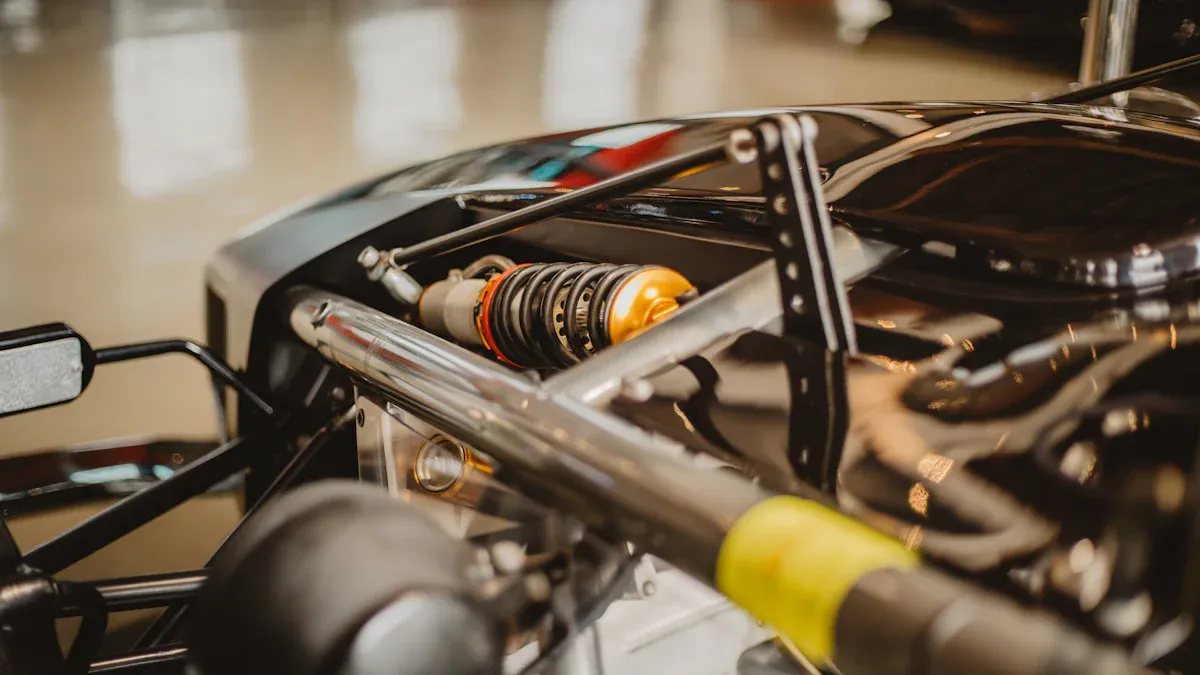
Tie rods play a crucial role in your vehicle’s steering system. They connect the steering gear to the wheels, allowing you to control the direction of your vehicle. When you turn the steering wheel, the tie rods transmit this motion to the wheels, enabling them to turn accordingly. This connection is essential for maintaining proper alignment and ensuring that your vehicle responds accurately to your inputs. Without functioning tie rods, you would struggle to steer effectively, leading to poor handling and potential safety hazards.
Connection to Suspension
Tie rods also interact closely with your vehicle’s suspension system. They help maintain proper wheel alignment, which is vital for optimal handling and tire longevity. Here are some key points about their connection to suspension:
Tie rods adjust the toe angle of your vehicle, which is critical for alignment and handling.
Proper toe settings enhance steering response and stability, boosting your driving confidence.
Correct alignment reduces uneven tire wear, saving you money and improving grip on the road.
When tie rods wear out, they can lead to misalignment. This misalignment can cause uneven tire wear, unresponsive steering, and vibrations in the steering wheel while driving. You may also hear clunking noises during turns or when driving over bumps. These issues can severely impact your vehicle’s performance and ride quality. Understanding how tie rods work helps you appreciate their importance in maintaining a smooth and safe driving experience.
Tie Rods and Vibration

Causes of Vibration
Bad tie rods can significantly contribute to vibrations in your vehicle. When tie rods wear out, they can lead to several mechanical failures that affect your driving experience. Here are some common causes of vibration related to bad tie rods:
Steering Instability: You may notice unstable steering with excessive play in the steering wheel.
Misaligned Wheels: This misalignment can cause your vehicle to pull to one side and lead to uneven tire wear.
Difficulty Turning: You might find it harder to turn your vehicle, which can be frustrating and dangerous.
Vibrations in the Steering Wheel: You may feel noticeable vibrations, especially on bumpy roads.
Increased Tire Wear: Bad tie rods can cause irregular pressure distribution, leading to uneven tire wear.
Loss of Vehicle Control: In severe cases, a complete separation of the tie rod can result in a total loss of steering control.
These issues can create a ripple effect, making your driving experience uncomfortable and unsafe.
Amplifying Existing Issues
Worn or damaged tie rods can amplify existing vibration issues in your vehicle. When tie rods become loose, they can cause vibrations that you may already be experiencing due to other problems. For example, if your vehicle has worn ball joints or other suspension components, the vibrations can become more pronounced. Here’s how bad tie rods can worsen these issues:
Loose tie rods can lead to increased vibrations felt through the steering wheel and chassis.
Such vibrations can make it difficult for you to maintain proper vehicle control.
The combination of worn tie rods and other failing components can create unsettling vibrations during acceleration.
When components like tie rods and ball joints wear out, they fail to secure the wheels properly. This failure can lead to unsettling vibrations in the steering wheel, especially during turns or when driving over uneven surfaces. Addressing tie rod issues promptly can help you avoid more severe problems and ensure a smoother ride.
Checking for Tie Rod Issues
Visual Inspection
You can perform a visual inspection to check for tie rod problems. Follow these steps to identify any signs of damage or wear:
Safely lift and support the front of your vehicle.
Examine the tie rod ends and their protective rubber boots for any tears, cracks, or missing parts.
Inspect the metal parts of the tie rod ends and surrounding suspension components for rust, corrosion, or pitting.
Check the mounting points for loose or corroded nuts that could affect alignment.
Look for any visible bends or deformations in the tie rods, which indicate damage.
Conducting a thorough visual inspection helps you catch early signs of wear or damage. However, while visual checks can identify obvious issues, they may miss microscopic cracks or subtle problems.
Tip: Regular inspections can help you maintain your vehicle’s safety and performance.
Professional Help
If you suspect tie rod problems, seeking professional help is wise. Automotive professionals use advanced diagnostic tools to confirm issues. Here’s a comparison of inspection methods:
Inspection Method | Effectiveness in Detecting Tie Rod Issues |
|---|---|
Visual Inspection | Identifies obvious damage, leaks, or wear patterns but may miss microscopic cracks. |
Professional Diagnostic Tools | Utilizes advanced technology for accurate problem identification, detecting subtle issues. |
Professional diagnostics can uncover hidden issues that visual checks might miss. They provide a systematic approach to ensure accurate identification of problems. Common diagnostic methods include:
Visual Inspection: Inspect the tie rod for any visible signs of wear or damage.
Checking for Excessive Play: Wiggle the tire side-to-side to check for any movement indicating wear.
By combining your visual inspection with professional help, you can ensure your tie rods remain in good condition. This approach helps prevent further complications and keeps your vehicle safe on the road.
Risks of Ignoring Bad Tie Rods
Safety Risks
Ignoring bad tie rods can lead to serious safety hazards. When you drive with worn tie rods, you risk losing control of your vehicle. Here are some critical safety concerns:
Symptom | Description |
|---|---|
Uneven Tire Wear Patterns | Early signs of inner tie rod failure can cause wheels to misalign, leading to excessive wear. |
Steering Wheel Vibration and Looseness | Unusual vibrations in the steering wheel indicate excessive play in the steering system. |
Clunking or Knocking Sounds During Turns | Noises from the front of the vehicle when turning can signal loose tie rods. |
Vehicle Pulling During Driving | A worn tie rod can cause the vehicle to pull to one side, indicating misalignment. |
Steering Unresponsiveness at Highway Speeds | Delayed steering response at high speeds represents a significant safety concern. |
Driving with a loose tie rod poses a major safety risk. If it falls off, you could lose control of the vehicle. This situation can lead to accidents, especially if you are driving at high speeds.
Cost Implications
Neglecting tie rod repairs can also lead to significant costs. Here’s how:
Increased Repair Costs: Ignoring a failing tie rod can lead to uneven tire wear. This wear increases the frequency and cost of tire replacements.
Potential Accidents: A failure of tie rods results in a significant loss of steering control. This malfunction can create a dangerous situation while driving.
Decreased Vehicle Value: Neglecting maintenance can lead to a decrease in your vehicle’s resale value by 10% to 20%.
Replacing one tie rod end typically costs between $95 and $300. Mechanics often recommend replacing both inner and outer ends. The average cost for tie rod replacement ranges from $200 to $750. Ignoring these issues can lead to serious safety risks and incur additional costs from premature tire wear and other related repairs.
Tip: Regular maintenance can save you money in the long run. Addressing tie rod issues promptly helps you avoid more severe problems and keeps your vehicle safe on the road.
In summary, bad tie rods can lead to noticeable vibrations in your vehicle. You may experience shaking in the steering wheel, especially at higher speeds or on uneven surfaces. Ignoring these symptoms can result in serious steering issues and affect your focus while driving.
To maintain optimal vehicle performance, inspect your tie rods regularly, ideally every 15,000 miles. If you notice any signs of wear or vibration, seek professional help immediately. Addressing these issues promptly can prevent further complications and ensure a safer driving experience.
Tip: Regular maintenance, including checking for looseness in the steering system, can help you avoid costly repairs down the road.
FAQ
What are tie rods?
Tie rods are essential components in your vehicle’s steering system. They connect the steering gear to the wheels, allowing you to control the direction of your vehicle.
How do I know if my tie rods are bad?
You may notice symptoms like a shaking steering wheel, rattling noises, or uneven tire wear. If you experience these signs, it’s time to inspect your tie rods.
Can I drive with bad tie rods?
Driving with bad tie rods is risky. It can lead to loss of steering control, making your vehicle unsafe. Address any issues promptly to ensure your safety.
How often should I check my tie rods?
You should inspect your tie rods regularly, ideally every 15,000 miles. Regular checks help catch issues early and maintain your vehicle’s performance.
What happens if I ignore tie rod problems?
Ignoring tie rod issues can lead to serious safety risks and costly repairs. You may experience poor handling, uneven tire wear, and even accidents.