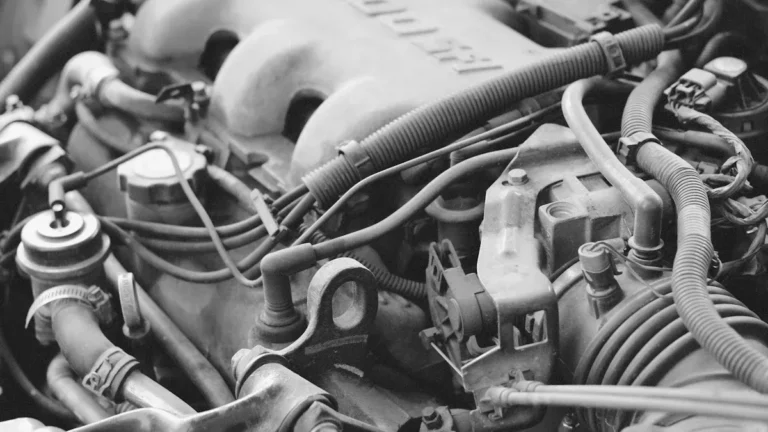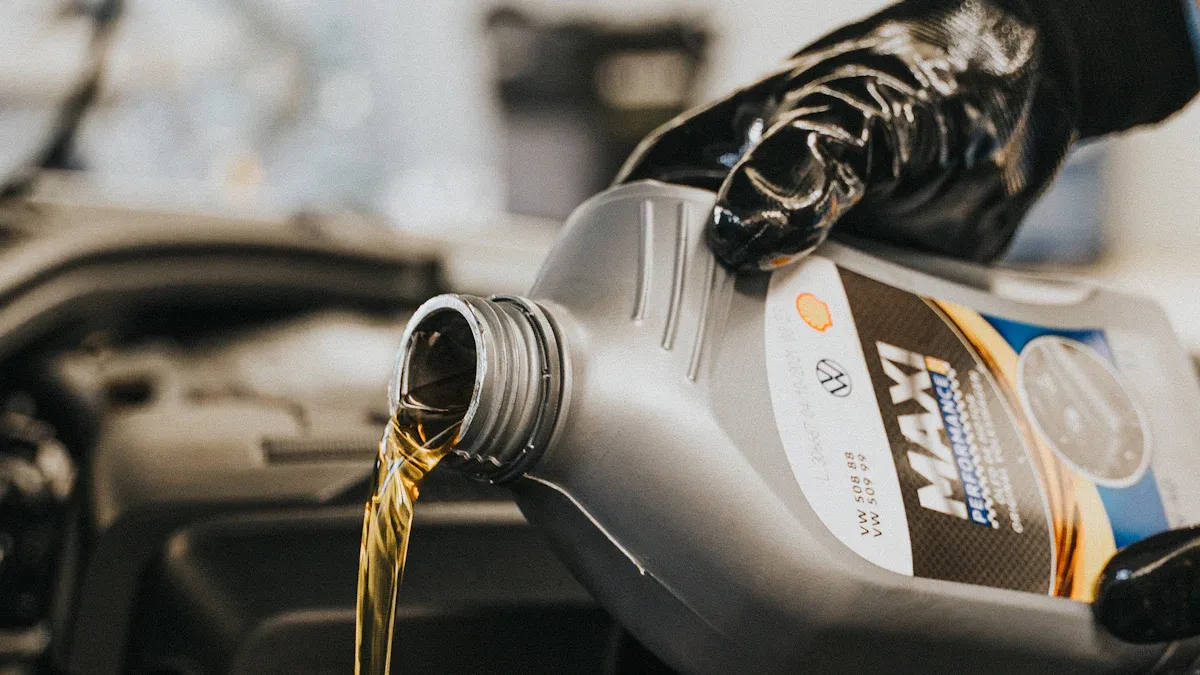
Yes, engine oil can indeed last 20,000 miles under the right conditions. To achieve this, you must consider several important factors. Your driving patterns, such as frequent highway travel versus city driving, greatly impact oil lifespan. The condition of your engine and the environment also play critical roles. Additionally, the type of oil you choose matters. For instance, synthetic oils often contain additives that help reduce wear and maintain performance over time. Understanding these elements will help you make informed decisions about your engine oil.
Key Takeaways
Engine oil can last up to 20,000 miles if conditions are right. Consider your driving habits and oil type.
Synthetic oil generally lasts longer than conventional oil. It offers better protection and performance.
Frequent short trips and stop-and-go traffic can degrade oil faster. Adjust your oil change schedule accordingly.
Always follow your vehicle manufacturer’s oil change recommendations. This helps maintain engine health and performance.
Regular oil changes prevent sludge buildup and overheating. Keep your engine running smoothly and efficiently.
Engine Oil Types
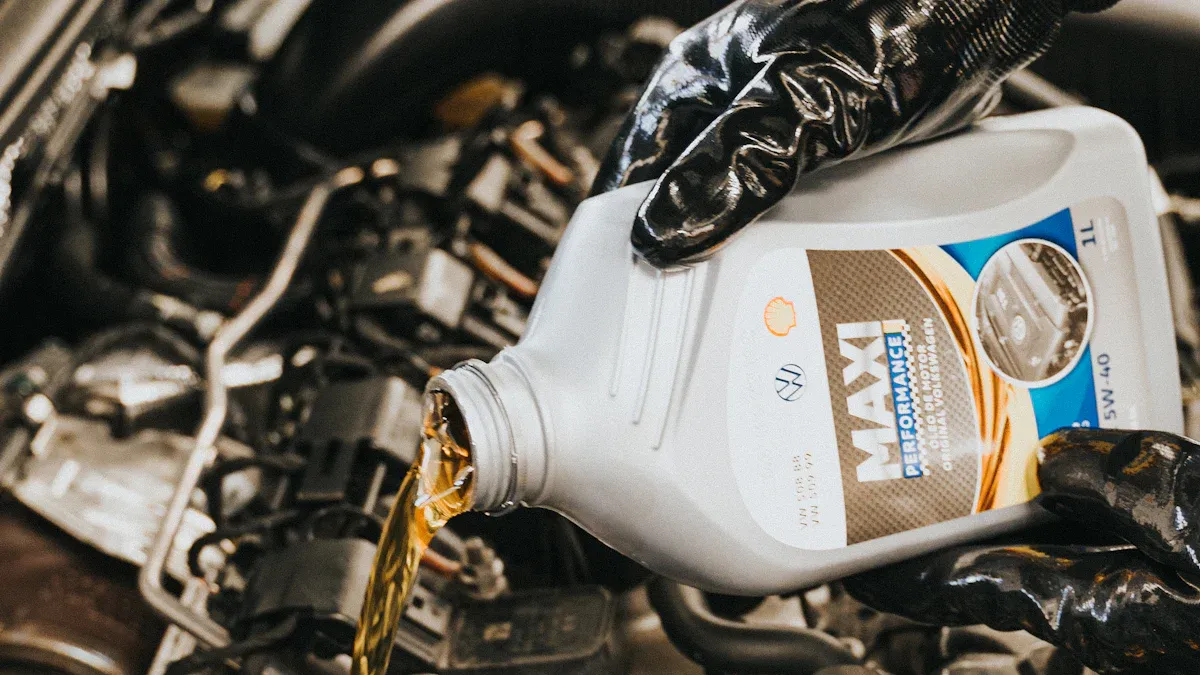
When it comes to engine oil, you generally have two main types to choose from: synthetic oil and conventional oil. Each type has its unique properties that affect performance and longevity.
Synthetic Oil
Synthetic oil is engineered from chemical compounds. This process allows manufacturers to create a product with superior qualities. Here are some key features of synthetic oil:
Feature | Synthetic Oil |
|---|---|
Origin | Derived from chemical synthesis |
Base Stocks | Group III, IV (PAO), or V (ester) |
Pour Point | -40°F to -50°F |
High-Temperature Stability | Superior viscosity stability |
Chemical Stability | Less likely to oxidize and acidify |
Impurity Removal | Tailored to remove impurities |
These characteristics contribute to the longevity of synthetic oil. In fact, laboratory tests conducted by the American Automobile Association (AAA) show that synthetic oils outperform conventional oils by an average of 47%. This includes critical properties like shear stability and oxidation resistance.
Several brands market synthetic oils that claim extended oil change intervals. For example:
Brand | Oil Change Interval |
|---|---|
Annual Protection Products | 20,000 miles |
Mobil 1 Extended Performance | 15,000 miles |
Conventional Oil
Conventional oil, on the other hand, comes from crude oil. It is less refined than synthetic oil and contains natural variations. Here are some important aspects of conventional oil:
It typically has a higher pour point, ranging from -10°F to -20°F.
Conventional oil tends to break down more quickly under high temperatures.
It may retain impurities that can affect engine performance over time.
While conventional oil is often more affordable, it generally does not last as long as synthetic oil. The difference in longevity can be significant, especially in demanding driving conditions.
Factors Influencing Longevity
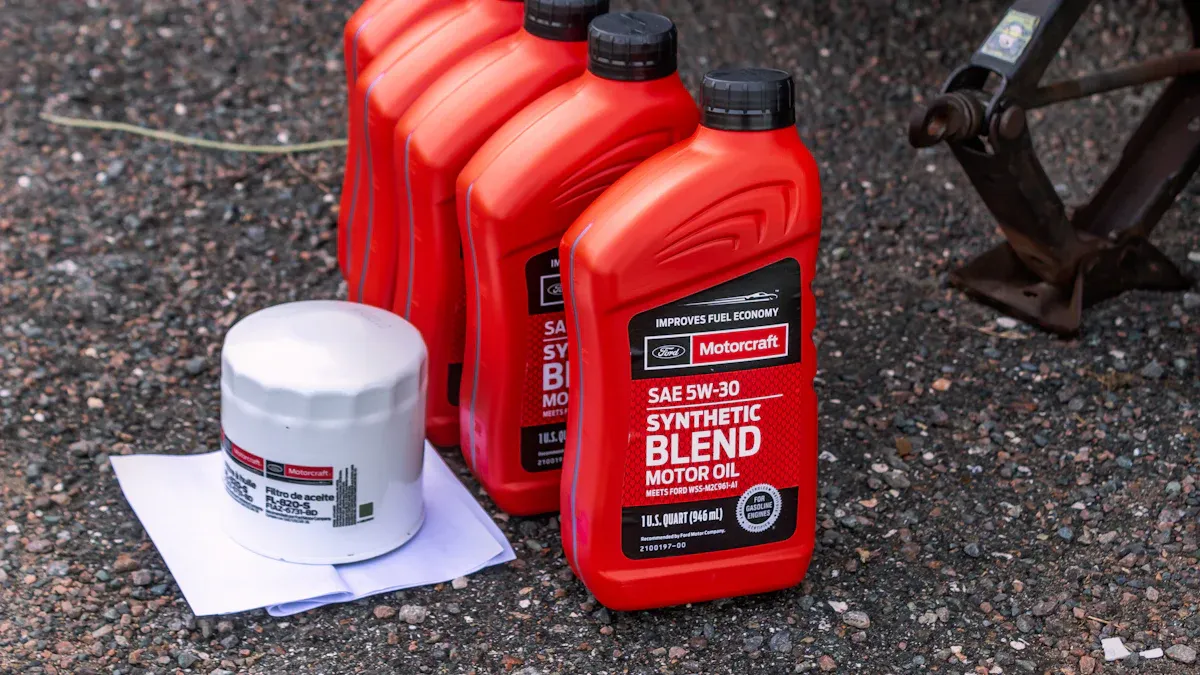
Driving Conditions
Your driving conditions significantly affect the lifespan of engine oil. Different scenarios can lead to faster degradation of oil, requiring more frequent changes. Here are some key factors to consider:
Short Trips: Frequent short trips, especially those under five miles, can cause water and fuel to accumulate in the crankcase. This is particularly problematic in cold weather. The engine may not reach its optimal temperature, leading to moisture buildup that contaminates the oil.
Stop-and-Go Traffic: City driving often involves idling and frequent stops. This type of driving is categorized as ‘severe’ service. It increases engine stress and causes fluctuations in oil temperature, which can accelerate oil degradation.
Towing and Heavy Loads: If you regularly tow heavy loads, your engine operates under hotter conditions. This leads to increased wear and the presence of wear metals in the oil. Consequently, the oil oxidizes more quickly, necessitating earlier oil changes.
Factor/Condition | Impact on Oil Change Interval |
|---|---|
Short-trip Driving | Causes water and fuel accumulation in the crankcase, especially under five miles in cold weather. |
Towing/Heavy Loads | Leads to hot running conditions, increased wear metals, and premature oxidation of oil. |
Engine Type
The type of engine you have also plays a crucial role in determining how long your oil lasts. Different engines operate under varying conditions, which can affect oil longevity.
Turbocharged Engines: These engines run at higher heat and pressure, leading to increased oil consumption. You should monitor the oil more closely and may need to change it more frequently. Recommended intervals for turbocharged engines often range from 5,000 to 10,000 miles, depending on the oil type used.
Naturally Aspirated Engines: These engines typically have a longer oil change interval, ranging from 3,000 to 7,500 miles. They operate under less stress compared to turbocharged engines, which helps maintain oil quality longer.
Engine Type | Recommended Oil Change Interval |
|---|---|
Naturally aspirated | 3,000–7,500 miles |
Turbocharged | 5,000–10,000 miles |
Understanding these factors can help you make informed decisions about your engine oil. By considering your driving habits and engine type, you can better maintain your vehicle and ensure that your oil lasts as long as possible.
Why Change Oil Regularly
Engine Health
Changing your engine oil regularly is crucial for maintaining engine health. When you skip oil changes, you risk damaging your engine. Dirty oil can thicken into sludge, clogging vital pathways. This forces your engine to work harder, leading to faster wear and tear. Here are some risks associated with neglecting oil changes:
Sludge buildup can restrict oil circulation, starving critical components of lubrication.
Overheating may occur when oil loses its ability to dissipate heat, potentially warping engine parts.
Neglected maintenance can lead to costly repairs. One in five car owners ignore their check engine light, which often signals oil issues.
Regular oil changes help prevent these problems. Fresh oil keeps your engine clean and lubricated, reducing friction and wear. High-quality oils contain additives that enhance protection during dry starts, further extending engine life.
Contaminants
Contaminants in used engine oil can significantly impact performance. As your engine runs, it produces blow-by gases that carry harmful substances into the oil. These include soot, corrosive acids, and dirt. Over time, these contaminants accumulate, leading to several issues:
“The engine is continuously producing blow-by which carries soot, corrosive acids, condensation (water), unburned fuel, dirt, coolant, and wear metal to the oil.”
When oil becomes contaminated, it can turn into sludge. This sludge clogs engine passageways and hinders lubrication. As a result, you may experience increased friction and overheating, which contribute to engine wear. Following recommended oil change intervals is essential to minimize these risks and maintain engine longevity.
Regular oil changes not only keep your engine running smoothly but also help you avoid serious failures. By staying on top of your oil maintenance, you ensure that your vehicle remains reliable and efficient.
Expert Recommendations
Manufacturer Guidelines
When it comes to oil change intervals, manufacturers provide specific recommendations based on vehicle type and oil used. Most modern vehicles have intervals between 7,500 to 10,000 miles. Some manufacturers even suggest intervals up to 12,000 or 16,000 miles under ideal conditions. However, if you drive under severe conditions, changing your oil every 5,000 miles or six months is advisable. Here’s a quick overview of oil change intervals by region:
Region | Manufacturer | Oil Change Interval | Oil Type |
|---|---|---|---|
European | BMW/Mercedes-Benz/Audi/Volkswagen | 10,000-15,000 miles (condition-based) | Full synthetic mandatory |
European | Volvo/Porsche/Land Rover | 10,000 miles standard, up to 12,000 miles under ideal conditions | Synthetic |
American | Various | Typically 3,000-7,500 miles | Conventional/Synthetic |
Asian | Various | Typically 5,000-7,500 miles | Conventional/Synthetic |
Mechanic Insights
Mechanics often recommend more frequent oil changes than manufacturer guidelines. They base their advice on real-world driving conditions. Here are some common reasons mechanics cite for this recommendation:
Frequent short trips (under 5 miles)
Extended idling, especially during winter warmups
Towing or hauling loads
Driving in dusty or dirty environments
Stop-and-go city driving
Additionally, factors like extreme weather, excessive dust, humidity, and salt in the air can also affect oil longevity. Mechanics emphasize that stop-and-go traffic can be more taxing on your vehicle than highway driving. By considering these insights, you can better maintain your engine and ensure your oil lasts as long as possible.
In summary, engine oil can last up to 20,000 miles under the right conditions. However, you must consider several factors before extending your oil change intervals. Here are some key points to remember:
Driving Conditions: Frequent short trips, especially in cold weather, can lead to quicker oil degradation.
Vehicle Condition: The age and condition of your vehicle may require more frequent oil changes.
Oil Quality: Using high-quality synthetic oil can help you reach longer intervals.
The newest synthetic motor oils claim you can go one year or 20,000 miles between oil changes. Mobil 1 engineers tested their oils to ensure they maintain performance over long distances.
Always follow your manufacturer’s recommendations for oil changes. Proper maintenance keeps your engine healthy and running smoothly.