

Truck batteries ask for different gear than a small commuter car does. You need enough starting power, the right voltage support, and a layout that suits garage storage, roadside use, or long gaps between starts. The seven picks below cover manual control, automatic maintenance, and multi-function jump-start options, so you can match the charger to the way you actually use your vehicle.
Quick Look At The Shortlist

Schumacher Electric SC1446
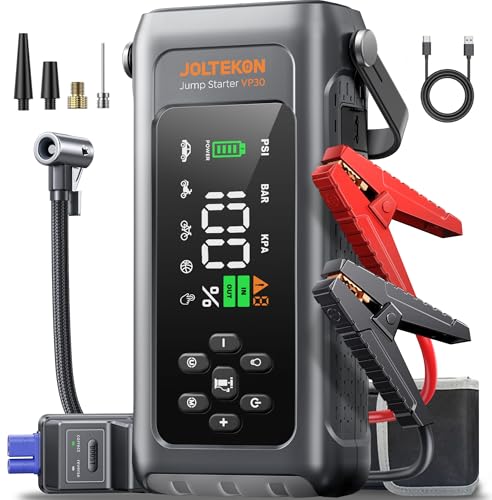
Joltekon Jump Starter with Air Compressor

Schumacher Electric SC1364

CRAFTSMAN CMXCESM258

Schumacher Electric DSR ProSeries DSR139
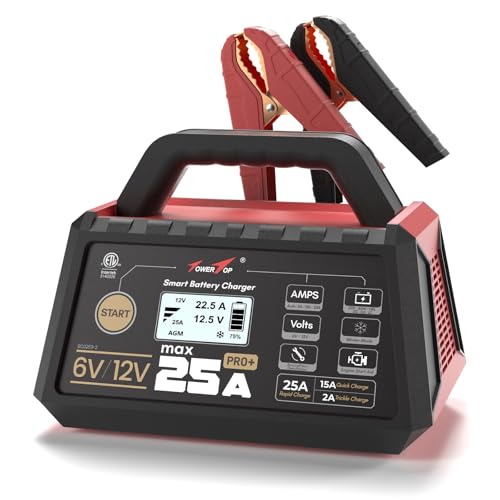
TowerTop 25A Pro+ Battery Charger

DeWalt DXAEC100 Battery Charger
More Details On Our Top Picks
The SC1446 fits the kind of garage where control matters more than polish. Its manual layout suits older trucks, tractors, and batteries that smart chargers can overlook, so you get a more hands-on charging approach.
The wheeled body makes sense in a shop or barn, where moving a heavier unit matters. The trade-off is obvious, it asks more from you than an automatic maintainer, which is exactly why it suits experienced hands better than casual top-offs.
Strong Points
- Manual control helps you work with batteries that need closer attention.
- The wheeled format is easier to move than a fixed bench unit.
- Its role suits garage, farm, and project-vehicle use without feeling delicate.
- The 10A charge level gives you a sensible middle ground for routine service.
Things To Consider
- You need more know-how here than with a fully automatic charger.
- Wheels help storage and movement, but the unit still takes up floor space.
- Drivers who want a simple set-and-wait setup may prefer a smarter model.
Feature Snapshot
Who It Suits Best
Weekend mechanics and property owners with older vehicles get the most from this style of charger.
A Better Fit Elsewhere
Schumacher Electric DSR ProSeries DSR139 suits truck owners and shop users who need much higher starting output.
Roadside kits get crowded fast, and this one tries to solve that by combining a jump starter, air compressor, pressure gauge, power bank, and flashlight in a single shell. That kind of integration helps in a cargo bed or trunk, where space is already spoken for.
The auto-shutoff inflator is the detail that gives it more everyday value than a plain booster pack. The catch is that multi-function gear usually asks you to accept more menu steps and more things to keep charged, so it fits prepared drivers better than set-and-forget owners.
Upsides
- Multiple tools in one body reduce the number of items you carry.
- The compressor adds real value for tires that need topping up on the road.
- Its portable format suits glove-box, trunk, and travel storage.
- Bright emergency-light functions add usefulness during nighttime stops.
Small Caveats
- Combined tools usually mean more charging discipline for you.
- The many functions can feel busy if you only want a simple jump starter.
- Stored accessories and cables need a little organization to stay tidy.
Details At A Glance
Who Should Grab It
Drivers who want a compact roadside kit with several jobs covered in one place will appreciate it most.
Swap It Out When
Schumacher Electric SC1364 is the better fit for someone who wants a wheeled charger with more traditional shop-style presence.
The SC1364 sits in the middle of this lineup, which makes sense for anyone who wants a shop-ready charger without jumping to the heaviest-duty option. It covers charging, maintenance, and engine-start needs in a wheeled format, so it feels versatile rather than specialized.
For mixed garages, that balance matters. You may find the 6A charge rate better suited to slower, more controlled work than quick recovery, but the payoff is a calmer ownership experience for vehicles that sit for stretches.
Bright Spots
- Wheels make it easier to move around a garage or storage bay.
- Its charge-and-maintain setup fits vehicles that spend time parked.
- Engine-start support adds flexibility beyond basic charging.
- The format works well for owners with more than one vehicle type.
Areas To Watch
- Six amps is steady, but it is not the quickest path back from a deep drain.
- The wheeled body is practical, yet it still needs its own floor corner.
- Owners who want fast, high-output recovery may want a stronger unit.
Core Details
Whose Shelf It Belongs On
Households with a truck, SUV, and one or two stored vehicles will get the most from it.
Look Elsewhere When
DeWalt DXAEC100 fits better for shoppers who want a more forceful start package and stronger maintenance output.
CRAFTSMAN leans more toward everyday garage ownership than rescue work, and that’s part of the appeal. The 6V and 12V support makes it a practical match for mixed equipment, while the automatic behavior reduces the guesswork that manual units like the SC1446 still require.
The 12A output gives you a little more urgency than slower maintainers, which helps when you want a charger that can move from upkeep toward recovery. The honest read is that it sits in a useful middle lane, not tiny, not industrial, and that range is exactly why many home garages will land on it.
Reasons To Buy
- Handles both 6V and 12V batteries for wider household use.
- Automatic operation keeps the process simpler for routine charging.
- The 12A output gives it more pace than basic maintainers.
- It fits well in a garage that sees cars, bikes, and seasonal equipment.
Points To Note
- It is less specialized than the higher-output truck-focused picks.
- Automatic convenience means less direct control than a manual charger.
- Drivers who need heavy recovery work may want a stronger engine-start tool.
Feature Rundown
Built With In Mind
Home garage owners who want one straightforward charger for varied battery jobs fit this model well.
Skip It When
Schumacher Electric DSR ProSeries DSR139 makes more sense for large trucks, shop use, and tougher starting jobs.
This is the bruiser in the group, built for big engines, shop work, and the kind of trucks that need more than a light maintainer. The manual timer and amp meter give you direct oversight, so you can keep a closer eye on the charge process than you would with a fully automatic unit.
The 12-foot reach and wheeled base matter in real garages, especially when the vehicle sits awkwardly or the battery bay is less than convenient. The trade-off is straightforward, it asks more attention and a bit more comfort with hands-on charging, but that’s the point of choosing it over the easier models above.
What We Like
- High engine-start output suits trucks and other large vehicles.
- The timer and amp meter help you manage charging with more precision.
- Wheels and a retractable handle make it easier to store and move.
- The long reach helps in tight garage layouts and awkward parking spots.
- Its compatibility with standard, AGM, and gel batteries broadens use.
Trade Offs
- Manual control suits experienced users more than casual top-off jobs.
- The heavier-duty body will feel bulkier than compact jump packs.
- Storage takes planning, especially in smaller sheds or crowded shops.
Feature Card
Right Fit For
Truck owners, garage mechanics, and farm users who want serious starting output belong here.
Another Choice May Suit
TowerTop 25A Pro+ Battery Charger suits shoppers who want automatic control and a lighter maintenance-first feel.
TowerTop is the automatic-minded option in this lineup, and it suits owners who want less hand-holding than the manual Schumacher units. The 2A, 15A, 25A, and auto modes give you a wider spread of charge behavior, which helps when a battery needs a gentle hold or a more assertive push.
Its support for lead-acid, AGM, and LiFePO4 batteries makes it the most chemistry-aware pick here, though that breadth also means you should still match the mode carefully. For a daily garage setup, that flexibility is a genuine advantage, not just a spec line.
Best Bits
- Four charge settings give you more control over pace and upkeep.
- Automatic behavior reduces the learning curve for routine use.
- Battery chemistry support is broad for mixed-vehicle garages.
- It fits well for owners who split time between maintenance and recovery.
Minor Gripes
- The extra modes can feel like more to sort through at first.
- Owners who only want a basic maintainer may not need the full feature set.
- Careful mode selection still matters, especially across different battery types.
Core Details
The Right Fit
Home garage owners with mixed battery chemistry and a preference for automation will feel at home with it.
Where A Sibling Pick Shines
Schumacher Electric SC1446 suits you better if manual control and a wheeled, old-school charging style matter more than automation.
The DeWalt unit lands near the premium end of this list because it packs charger, maintainer, and engine-start roles into one tool. That combination suits garages that want fewer separate devices and more control over 12V vehicle care.
The alternator check and pulse-based battery support make it feel more complete than the simpler picks, especially for someone who wants diagnostic help alongside charging. The honest read is that those extras only matter if you’ll actually use them, because a basic garage with one seasonal truck may not need this much range.
Highlights
- Three roles in one unit keep the setup lean.
- The alternator check adds a useful layer of vehicle insight.
- Pulse-based support gives it more depth than a basic maintainer.
- It suits users who want one main charger for regular garage work.
Worth Noting
- The feature set is broader than many households actually need.
- It makes the most sense where you want diagnostic and charging functions together.
- Space-conscious users may prefer a smaller maintainer.
At A Glance
Perfect Match For
Owners who want a feature-rich charger for a primary garage vehicle and occasional diagnostics fit here well.
A Better Fit Elsewhere
CRAFTSMAN CMXCESM258 is the cleaner choice for someone who wants simpler 6V and 12V maintenance without as many extra functions.
How To Choose The Right Truck Battery Chargers
Start With Voltage And Vehicle Size
Truck battery chargers need to match the battery voltage and the kind of vehicle sitting in your driveway. A 6V/12V unit covers more ground for mixed garages, while a 12V-only setup makes sense for newer trucks and most road vehicles.
Output matters just as much. Lower-amperage maintainers suit storage and upkeep, while higher-output chargers and engine starters help when a large battery needs more force behind it.
Decide Between Manual And Automatic Control
Manual chargers give you more direct control, which helps with older equipment, stubborn batteries, and shop-style work. They also ask for more attention, so they fit people who are comfortable watching charge levels and timing the session.
Automatic chargers reduce guesswork and usually make routine upkeep easier. For a busy garage, that calmer behavior can be the difference between a useful tool and one more thing to babysit.
Think About Mobility, Storage, And Reach
Wheeled chargers are easier to move across concrete floors, especially in a garage or barn. Compact jump starters take less room in a truck bed or trunk, but they usually trade away some staying power and repair-room utility.
Cable length matters more than many shoppers expect. A longer reach helps when outlets sit far from the vehicle, and it saves you from awkward stretching around a bumper or workbench.
Match Extra Functions To Real Needs
Some units keep things simple, while others add air compressors, flashlights, alternator checks, or battery chemistry support. Those extras are useful only when you’ll use them regularly, because every added function brings another layer of setup and storage.
For daily towing, roadside work, or mixed-vehicle households, the extra functions can earn their space. For a single truck parked in one bay, a more focused charger may be the cleaner fit.
What To Weigh Before You Buy
Common Shopping Slip Ups
One common miss is choosing a charger by amperage alone. The battery type, voltage, and how often the vehicle sits unused matter just as much.
Another is overlooking space. A wheeled shop unit and a palm-size jump starter solve different problems, so the better choice depends on where the tool will live.
What The Higher Tier Buys
Higher-tier models usually add stronger engine-start output, wider battery compatibility, and more control over charge modes. You also tend to get better housing, longer cables, and extras like alternator checks or repair functions.
That upgrade makes sense for trucks, farm equipment, or garages handling several battery types. For a single weekend vehicle, a simpler charger often covers the job without the extra bulk.
Final Thoughts
Your best match comes down to how demanding the vehicle is and how hands-on you want the process to be. Schumacher’s manual models suit users who want direct control and strong garage utility, while TowerTop, CRAFTSMAN, and DeWalt lean toward easier routine maintenance with more automation. For roadside readiness, the Joltekon jump starter with air compressor brings the most bundled utility in the group. Match the tool to your space, your battery type, and the way you actually keep vehicles ready, and the choice gets much simpler.
