

You need a truck battery that matches the vehicle, the climate, and the way you actually drive. Start-stop systems, accessory-heavy commutes, and rough roads all put different demands on AGM, reserve capacity, and terminal layout. The seven picks below focus on fit first, so you can sort out daily-use reliability without guessing.
Quick Look At The Shortlist
ACDelco Gold AUX14-200 (88866185) Auxiliary AGM 200 CCA Battery

ACDelco Gold 94RAGM (88864542) AGM BCI Group 94R Battery
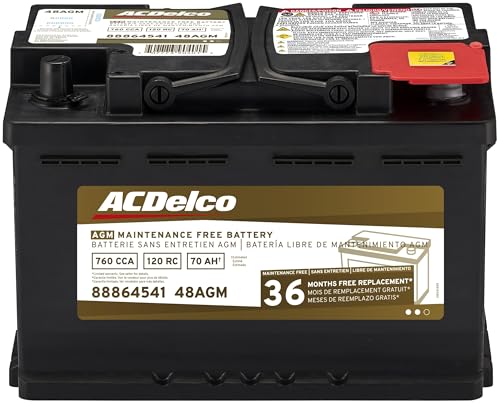
ACDelco Gold 48AGM (88864541) AGM BCI Group 48 Battery

OPTIMA Batteries High Performance 34R RedTop Sealed AGM Starting Battery

Interstate Batteries Car Battery 12V 68Ah 750CCA Group 65 AGM

OPTIMA Batteries High Performance 34/78 RedTop Sealed AGM Starting Battery

Mighty Max Battery MM-H6 Start and Stop Car BCI Group Size 48 AGM Battery
More Details On Our Top Picks
This AUX14-200 is built for auxiliary roles, so it fits vehicles that need a separate support battery rather than the main starting job. AGM means absorbed glass mat, a sealed lead-acid design that helps keep the electrolyte contained, which matters in tighter engine bays or mixed-use vehicles.
The 200 CCA rating is modest compared with the higher-cranking picks later in the list, and that’s the trade-off. For daily drivers with auxiliary power needs, though, it gives you a tidy, maintenance-light fit that feels more purpose-built than oversized.
Strong Points
- AGM construction suits spill-conscious installs and steady support duty.
- Auxiliary sizing helps you avoid paying for excess starting output you may not use.
- Compact role definition makes replacement decisions cleaner for compatible vehicles.
- Useful for drivers who need dependable backup power in a modern electrical system.
Points To Note
- 200 CCA is not meant for heavy cranking demands.
- You still need a proper fit check, since auxiliary battery layouts vary a lot by vehicle.
- It makes more sense as a support battery than as a general-purpose upgrade.
Feature Snapshot
Who It Suits Best
Drivers who need a replacement auxiliary battery for a compatible vehicle will get the most from it.
A Better Fit Elsewhere
ACDelco Gold 94RAGM (88864542) suits commuters whose vehicle needs a full-size AGM starting battery rather than auxiliary support.
The 94RAGM leans into modern vehicle duty, especially start-stop setups that cycle the battery more often than a basic commuter car. AGM matters here because the sealed mat design keeps electrolyte locked in place, which is useful in stop-and-go driving where vibration and repeated charging can add up.
Compared with the AUX14-200, this is the straightforward full-size choice for the main battery role. The honest read is that it suits practical ownership better than flashy specs, especially for drivers who want a familiar fit and a maintenance-light setup.
What We Like
- Built for start-stop use, which is a strong match for newer truck and car platforms.
- AGM design supports repeat cycling better than many basic flooded batteries.
- Sealed construction reduces day-to-day upkeep.
- 36-month coverage gives the listing a more defined replacement horizon.
Small Caveats
- Group 94R fitment needs to match your tray and terminal layout exactly.
- AGM batteries tend to cost more than simpler battery types, so the upgrade only makes sense for the right vehicle.
Core Details
Who Should Grab It
You get the best match here with a vehicle that calls for Group 94R and uses start-stop technology.
Another Choice May Suit
Interstate Batteries Car Battery 12V 68Ah 750CCA Group 65 AGM is a better fit for drivers whose vehicle calls for Group 65 instead.
Group 48 is a familiar size for plenty of sedans and crossovers, so this battery makes sense for drivers who want an OEM-style replacement path. AGM keeps the battery sealed and maintenance-light, which is useful in vehicles that live in traffic and spend a lot of time recharging between short trips.
Against the 94RAGM, the main difference is fit, not philosophy, and that’s exactly how a replacement battery should behave. You may find the cleanest value here comes from choosing the right group size first, then letting the rest of the specs support the decision.
Bright Spots
- Group 48 sizing works for a broad slice of mainstream vehicles.
- AGM construction fits stop-and-go use better than a basic flooded design.
- Low-maintenance setup suits drivers who want less under-hood attention.
- 36-month coverage gives the product page a more concrete support window.
Areas To Watch
- Only fits the vehicles that call for Group 48, so tray size still matters.
- AGM replacement cost is usually higher than a conventional battery, which can matter on older cars.
Details At A Glance
Made For
Drivers replacing a Group 48 battery in a daily-use car or crossover are the best match.
Where A Sibling Pick Shines
ACDelco Gold 94RAGM (88864542) is the better route for vehicles that specify Group 94R instead of Group 48.
The 34R RedTop is the obvious power-first pick in this group, with 800 CCA and a starting focus that suits vehicles that need a firm crank in cold weather or after long sits. SAE terminals mean standard side-post or top-post compatibility depends on the vehicle design, so the installation check still matters.
Compared with the ACDelco AGM options, this one puts more emphasis on crank power than on broad model coverage. For hot rods, trucks with heavier starting demand, or weekend vehicles that sit between drives, that focus can be exactly what you want.
Highlights
- 800 CCA gives you strong starting output on paper.
- Sealed AGM construction keeps routine upkeep low.
- RedTop focus fits vehicles that care more about starting power than accessory runtime.
- Useful for harsh-weather starts and vehicles that do not see gentle duty.
Worth Noting
- The performance focus is great for cranking, but it is not the same as a deep-cycle design.
- Fit still depends on terminal layout and group compatibility, so don’t skip the vehicle guide.
Technical Sheet
Whose Shelf It Belongs On
Drivers who want a hard-starting battery for a truck, SUV, or performance build are the best fit here.
Look Elsewhere When
Interstate Batteries Car Battery 12V 68Ah 750CCA Group 65 AGM is the steadier fit for mainstream Group 65 replacements.
The Group 65 format makes this Interstate battery a straightforward match for vehicles built around that footprint. With 12V, 68Ah, and 750 CCA, it brings a balanced mix of electrical capacity and starting output that suits daily use without pushing into specialty territory.
Relative to the OPTIMA 34R, this one feels more centered on conventional replacement fit than on high-crank character. For commuters who want a familiar layout and steady accessory support, that is often the more sensible path.
Upsides
- Group 65 fit keeps replacement planning simple for the right vehicles.
- 750 CCA is a solid starting figure for everyday use.
- 68Ah gives you a useful capacity reference for accessory loads.
- AGM construction lowers maintenance demands.
Room For Improvement
- Only useful where Group 65 is the correct size.
- It is a balanced battery, not a specialty cranking or deep-cycle option.
- AGM can mean a step up in replacement cost compared with basic flooded batteries.
Feature Rundown
Best Suited To
Drivers replacing a Group 65 battery in a daily-use truck or SUV will get the cleanest fit here.
Swap It Out When
ACDelco Gold 48AGM (88864541) is the better match for vehicles that need Group 48 instead of Group 65.
Dual SAE and GM terminals make this RedTop easier to place in mixed-fit applications, which is the whole point of this model. The 800 CCA rating keeps the starting side strong, while the sealed AGM build keeps upkeep light for vehicles that spend part of the week parked and part on the road.
Compared with the 34R version, the difference is flexibility at the connection point, not just raw starting force. That extra breathing room can matter in garages where the same battery family has to work across different cable styles.
Best Bits
- Dual terminal layout broadens fit options.
- 800 CCA supports strong starting performance.
- Sealed AGM construction fits low-maintenance ownership.
- Useful for vehicle swaps where cable style can vary.
Things To Consider
- Dual terminals help with compatibility, but vehicle sizing still needs a close match.
- The starting focus means it is less about long accessory runtime than about crank power.
Core Details
Right Fit For
You get the most from it in trucks, SUVs, or project vehicles where terminal flexibility matters as much as starting output.
Reach For A Different Pick When
OPTIMA Batteries High Performance 34R RedTop Sealed AGM Starting Battery fits better for drivers who only need SAE terminal layout.
This MM-H6 leans into start-stop use with a strong mix of 12V, 70Ah, 120RC, and 760 CCA. Reserve capacity, or RC, tells you how long a battery can support electrical loads before voltage drops too far, so the 120-minute figure is useful for drivers who spend time in traffic or run accessories between stops.
Compared with the Interstate Group 65 battery, this one is the better-fit upgrade for Group 48 vehicles that want a little more staying power. You may find it especially sensible for newer cars where repeated cycling matters more than a simple one-and-done start.
Reasons To Buy
- 120RC adds a meaningful reserve for accessory use and repeated stop-start operation.
- 760 CCA gives you solid starting output for most daily drives.
- AGM sealing keeps upkeep simple and helps with cleaner under-hood ownership.
- Group 48 fit makes it relevant to a clear set of modern vehicles.
Minor Gripes
- It only works where Group 48 is the correct physical size.
- Start-stop focus makes it less appealing for drivers who just need a basic replacement battery.
- Accessory claims matter less than an exact fit check, so vehicle verification still comes first.
Quick Facts
Built With In Mind
Drivers with Group 48 start-stop vehicles who want more reserve capacity are the best match here.
Skip It When
ACDelco Gold AUX14-200 (88866185) makes more sense for a vehicle that needs auxiliary battery support instead of a main starting battery.
How To Choose The Right Truck Batteries
Fit Comes Before Anything Else
Group size, terminal style, and tray dimensions decide whether a battery belongs in your truck at all. Group 48, Group 65, and 94R are not interchangeable just because the voltage matches. A battery that is close but not correct creates a sloppy install, and sloppy installs turn into loose hold-downs or cable strain.
Terminal layout matters just as much. SAE terminals, dual SAE and GM terminals, and auxiliary layouts each serve different vehicle wiring setups, so the safest move is to match the vehicle guide before you think about cranking power.
Cranking Power Versus Reserve Capacity
Cold cranking amps, or CCA, describe the battery’s starting force in cold conditions. That matters most for trucks that sit outside, haul in winter, or need a strong first turn after a long rest. Reserve capacity, or RC, describes how long the battery can keep supplying power under load, which helps during stop-and-go traffic, accessory use, or brief charging gaps.
High CCA looks impressive, but it does not replace the need for reserve capacity in modern vehicles with more electrical demand. A start-heavy pickup and a start-stop SUV ask for different things, even though both wear the same broad label.
AGM Makes Sense For A Lot Of Modern Trucks
AGM batteries use absorbed glass mat separators to hold the electrolyte in place, which keeps the battery sealed and usually reduces upkeep. That sealed design is useful in trucks that face vibration, repeated short drives, or tight engine bays. It also fits vehicles with more electronics, since AGM models are commonly chosen for steadier cycling behavior.
The trade-off is cost and weight. You are paying for a more specialized construction, so the upgrade makes sense when the vehicle’s demands justify it, not just because AGM sounds more advanced.
Match The Battery To Your Driving Pattern
Commuters with short daily hops often benefit from AGM batteries with strong cycling support. Weekend trucks that sit for long stretches need reliable starting output and enough reserve to handle intermittent use. Fleet vehicles and work rigs need a firmer focus on durability, terminal compatibility, and easy replacement planning.
That is why the right choice usually looks ordinary on paper. The best fit is the one that matches your vehicle’s size, charging system, and daily workload without leaving you with extra hardware you never needed.
A Quick Reality Check
Hidden Buying Traps
Many truck battery mistakes start with size assumptions. A Group 65 battery does not replace a Group 48 battery just because both are AGM. Another common miss is overlooking terminal style, then discovering the cables do not sit cleanly once the battery is in place.
It also pays to think about usage, not just fit. A start-stop truck needs a battery built for repeated cycling, while a simple work truck may only need strong starting output and a sensible reserve figure.
The Upgrade Payoff
Higher-tier batteries usually cost more because they use AGM construction, better cycling support, stronger cranking output, or more specialized terminal layouts. That extra engineering gives you a better match for modern vehicles, cold climates, and heavier accessory demand.
The upgrade is worth it when your vehicle asks for it every day. For an older truck with simple electrical needs, a premium battery can be overkill, but for a start-stop setup or a hard-starting rig, it earns its keep through fit and function.
Final Thoughts
Truck batteries are easiest to choose when you start with the vehicle’s required group size and terminal layout, then layer in CCA and reserve capacity. The ACDelco picks suit drivers who want clear OEM-style fitment, while the OPTIMA models lean harder into starting force and terminal flexibility. For start-stop systems, AGM is a smart place to focus. Match the battery to the way your truck lives, and the rest gets much simpler.
